Open and Explore COLLADA Models Without Specialized Software
Upload a DAE file and inspect the geometry from every angle. Embedded materials and textures are loaded automatically. Toggle wireframe, switch lighting environments, snap to camera presets, and export a PNG screenshot.
Open Viewer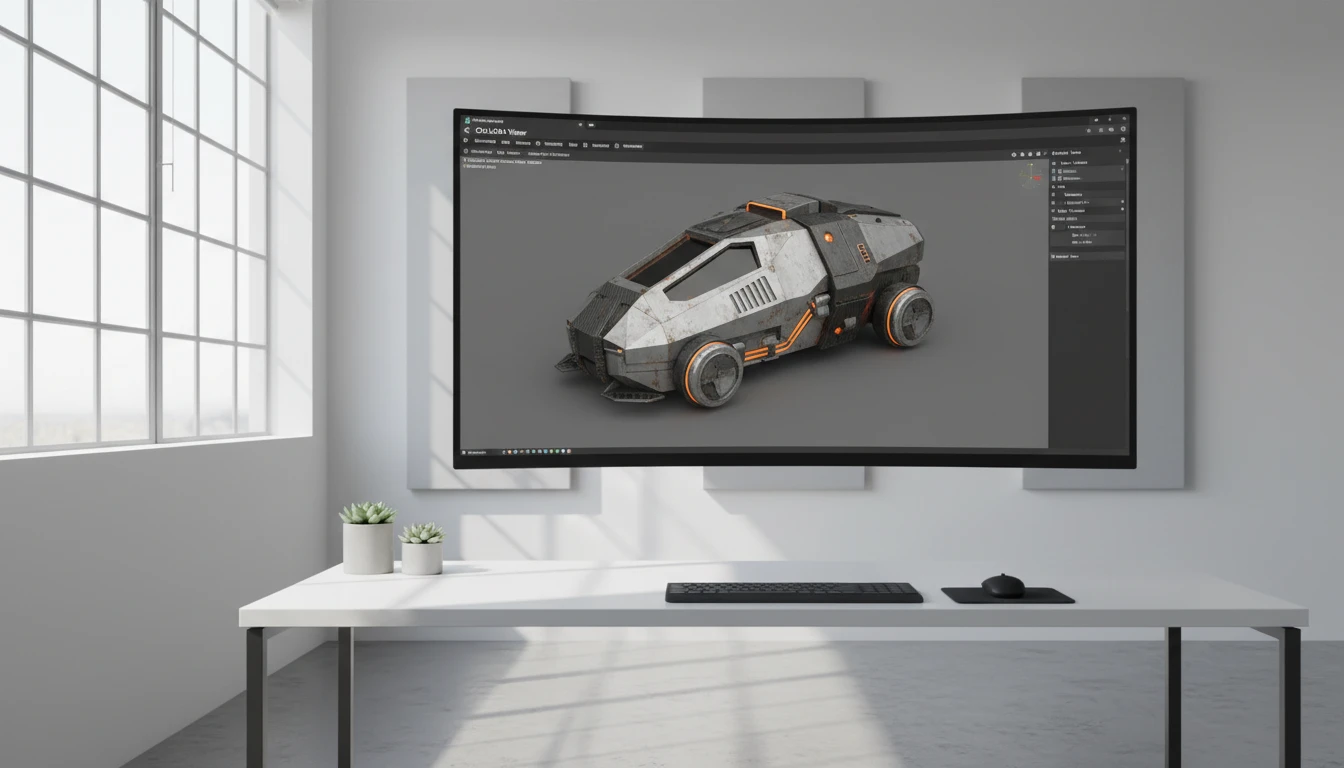
DAE / COLLADA 3D Viewer
Upload a DAE file to explore COLLADA geometry with materials, wireframe inspection, lighting environments, and screenshot export.
Drop your DAE file here
or click to browse your files
Supports .dae (COLLADA) files

Materials and Textures Loaded Automatically
COLLADA files can embed PBR and Phong material definitions along with texture references. The viewer uses the Three.js ColladaLoader which parses material libraries and applies them to mesh surfaces automatically during load.
Open Viewer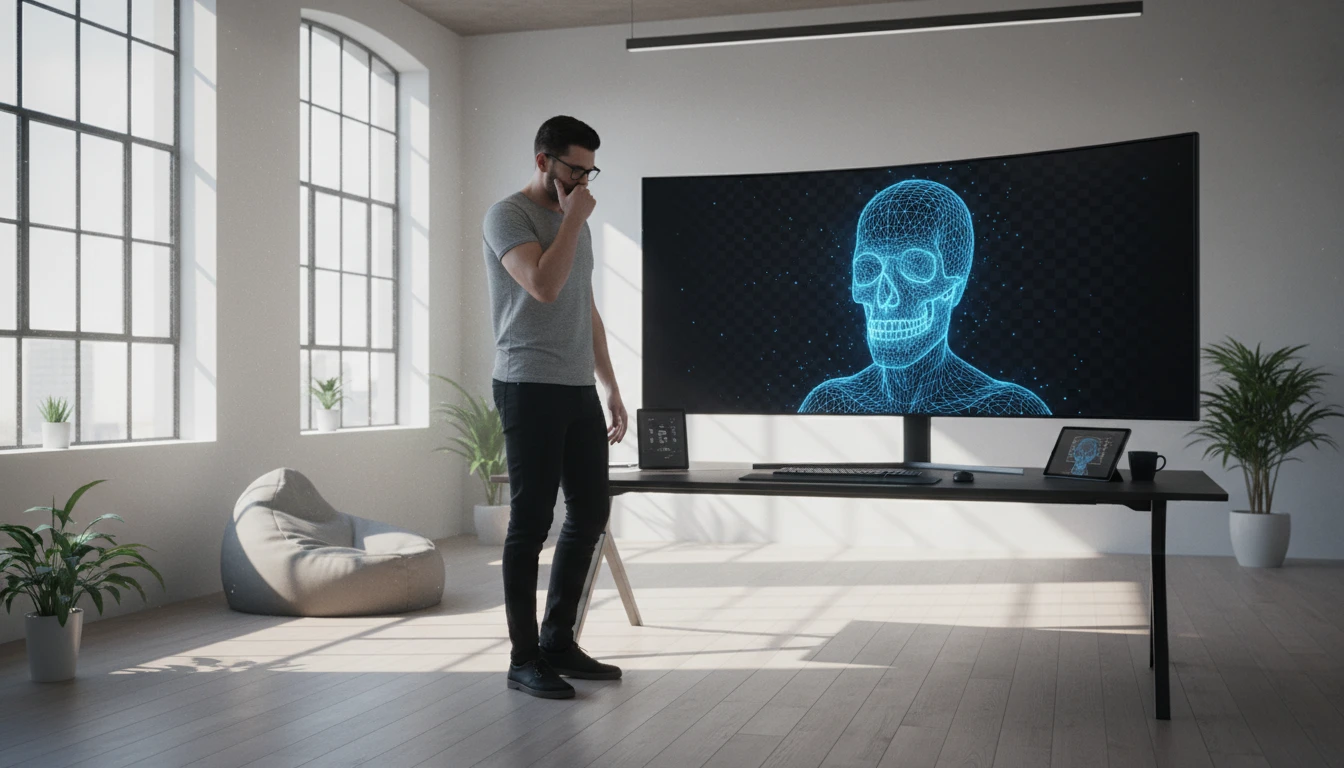
Wireframe for Mesh Inspection
Toggle wireframe mode to see through the surface and examine the underlying triangle mesh. Useful for verifying mesh density, checking joint areas in skinned models, and understanding how COLLADA geometry is structured before importing into a pipeline.
Open Viewer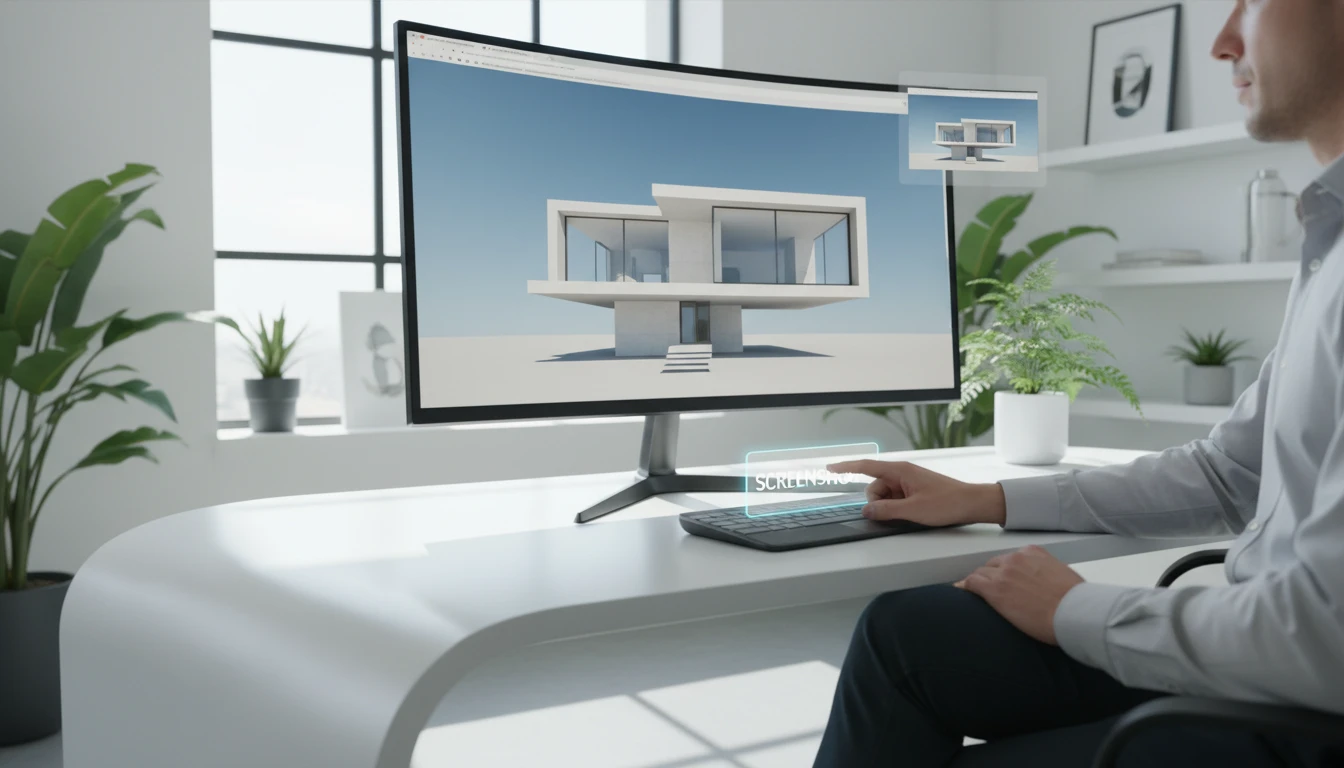
Camera Presets and Screenshot Export
Snap to Perspective, Front, Top, or Right views instantly. Enable auto-rotation for a turntable preview. Capture any angle as a PNG screenshot named after your DAE file, ready to use in documentation, reviews, or presentations.
Open ViewerView a DAE File in Three Steps
Upload your DAE file
Drag a DAE file onto the drop zone or click to browse. The Three.js ColladaLoader parses the XML scene graph, geometry, and material library automatically.
Explore the model
Orbit, zoom, and pan around the loaded scene. Toggle wireframe to inspect mesh topology. Cycle through ten lighting environments to preview the model under different conditions.
Export a screenshot
Snap to a camera preset for a clean angle and click the screenshot button to download a PNG named after your DAE file.
Deep Dive
What the DAE Viewer Supports
Built around the Three.js ColladaLoader for the full COLLADA feature set, including multi-mesh scenes, embedded materials, and scene-graph hierarchies.
Why Use It
Automatic Material Loading
COLLADA material libraries and embedded textures are parsed and applied to mesh surfaces by the ColladaLoader without any manual configuration.
Wireframe Inspection
Toggle wireframe to reveal the underlying triangle mesh, check face density, and inspect the geometry structure of complex multi-mesh COLLADA scenes.
Ten Lighting Environments
Cycle through studio, city, sunset, warehouse, forest, and more to preview how the surface materials read under different real-world lighting conditions.
Screenshot Export
Capture any camera angle as a PNG for documentation, design reviews, or presentations without additional software.
Who Uses It
Who Uses a Browser-Based DAE Viewer
COLLADA is a cross-application interchange format used across game development, film, architecture, and engineering. Previewing DAE files quickly without a full DCC tool is a common need.

Frequently Asked Questions
What is a DAE file?
DAE (Digital Asset Exchange) is the file extension for COLLADA (COLLAborative Design Activity), an XML-based interchange format for 3D assets developed by the Khronos Group. It can store geometry, materials, textures, lights, cameras, animations, and scene hierarchy in a single human-readable file. COLLADA was designed specifically for exchanging assets between different 3D applications such as Blender, Maya, 3ds Max, SketchUp, and various game engines.
Are materials and textures loaded from the DAE file?
Yes. The viewer uses the Three.js ColladaLoader which parses the COLLADA material library and applies Phong and Lambert material definitions to mesh surfaces automatically. Textures that are embedded within the DAE or referenced as paths relative to it will be applied during load. Textures stored at absolute paths on a different machine will not resolve in a browser environment.
How are multi-mesh COLLADA scenes handled?
COLLADA files often describe scenes with multiple geometry instances, each with their own transforms and materials. The ColladaLoader reconstructs the full scene hierarchy as a Three.js object group, preserving the relative positions and orientations of all meshes so the scene layout matches the original.
How do I navigate the model?
Left-click and drag to orbit around the scene. Scroll the mouse wheel to zoom in and out. Right-click and drag to pan the camera. Use the P/F/T/R buttons at the bottom-left of the viewer to snap to Perspective, Front, Top, and Right camera presets.
What does wireframe mode do?
Wireframe mode renders all mesh surfaces as polygon edges instead of filled triangles. For COLLADA models this is useful for inspecting the underlying triangle mesh, checking geometry density across different parts of a scene, and verifying that the topology exported correctly from the source DCC tool.
Does the viewer support animated DAE files?
The viewer renders the default pose of the scene. COLLADA animation tracks embedded in the file are not played back in this viewer. For animated COLLADA preview, open the file in Blender, Maya, or another DCC tool that supports COLLADA animation playback.
Is there a file size limit?
There is no server-imposed limit because all parsing and rendering happens in your browser. Large DAE files with many meshes and high-resolution textures may load slowly on lower-powered devices, but typical COLLADA assets under 50 MB load within a few seconds.
Ready to Inspect Your DAE File?
Upload a COLLADA file, explore the scene with materials, check the mesh in wireframe, then export a screenshot.