Customize Any 3D Model Without Installing Software
Upload a GLB file and edit materials, apply textures, add text or logo overlays, and switch lighting environments. Export your result as GLB or USDZ for iOS AR.
Open Editor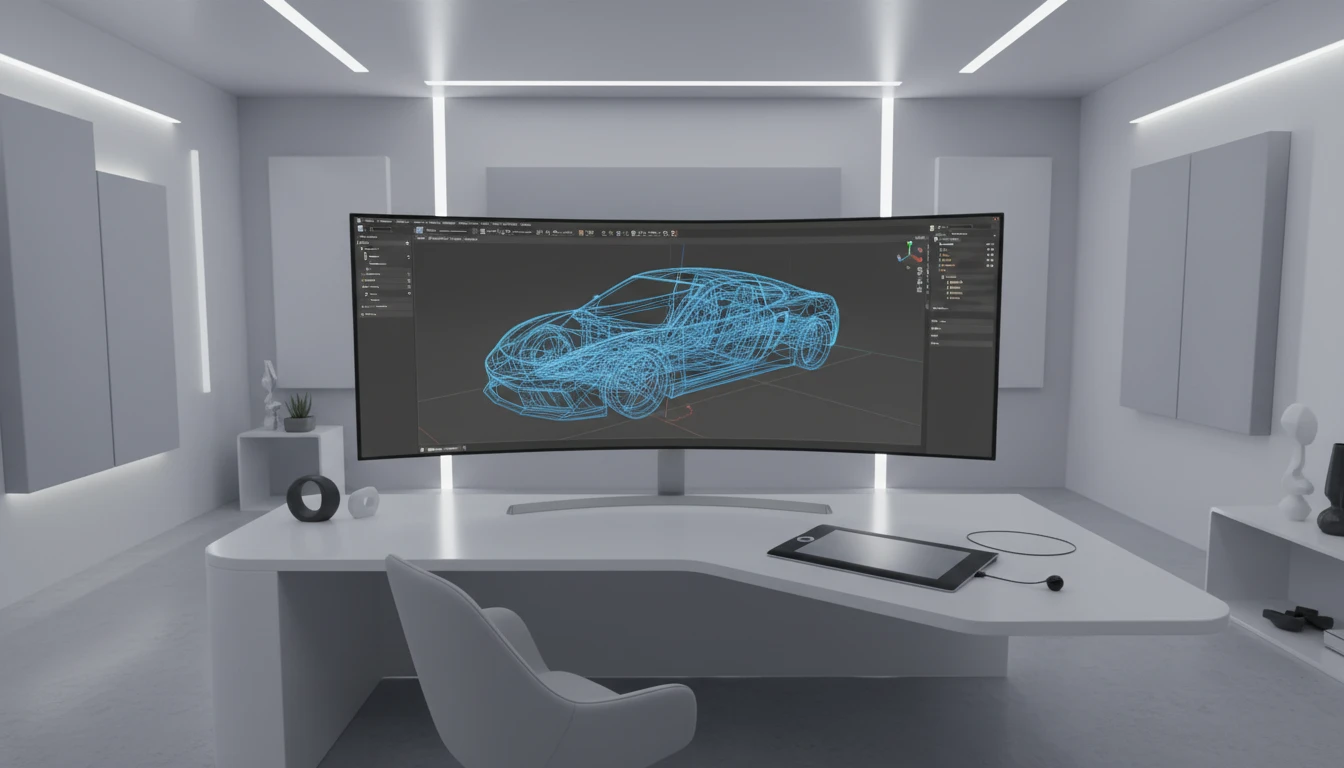
GLB Model Editor
Edit materials, apply textures, add overlays, and export your 3D model as GLB or USDZ — all in the browser.
Drop your GLB file here
or click to browse
GLB format only

Upload Any GLB Model
Drag and drop a GLB file onto the editor canvas. The model loads instantly in the browser using WebGL and Three.js. No upload to a server, no waiting.
Open Editor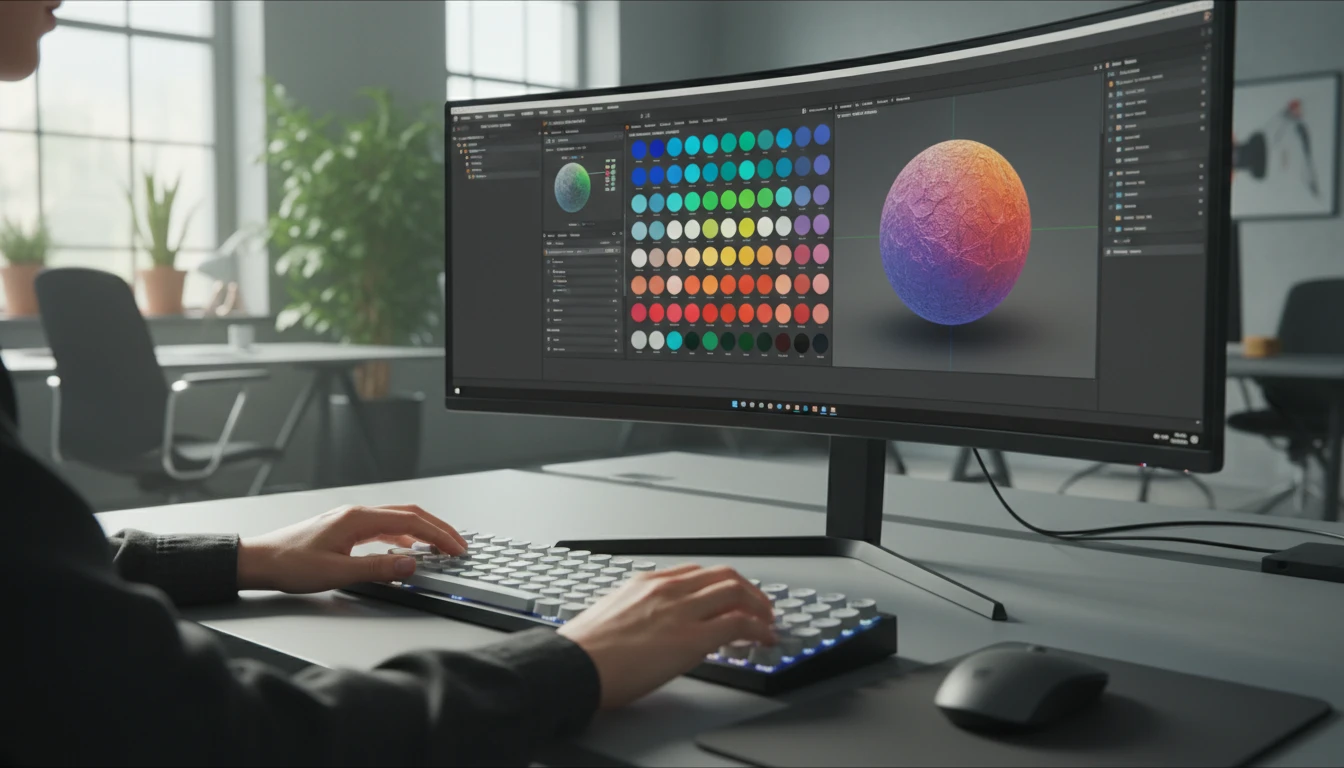
Edit Materials and Apply Textures
Select any mesh in your model to change its color, metalness, roughness, and emissive properties. Upload an image file to apply as a texture on any surface.
Open Editor
Export to GLB or USDZ
Download your edited model as a GLB file for web and game engines, or as a USDZ for AR Quick Look on iPhone and iPad. Animations and materials are preserved in both formats.
Open EditorEdit a GLB model in three steps
Upload your GLB file
Drag a GLB file onto the editor or click to browse. The model renders in the WebGL canvas. Orbit, zoom, and pan with mouse or touch controls.
Edit materials, textures, and overlays
Use the side panel to change material colors, metalness, and roughness. Apply image textures to any mesh surface. Add 3D text or logo overlays positioned anywhere on the model.
Export in your preferred format
Click Export GLB for a standard binary GLTF file, or Export USDZ for Apple AR Quick Look compatibility. The download includes all edits, textures, and animations.
Deep Dive
What the GLB Editor Can Do
From material tweaks to full AR export, the editor covers the most common customization tasks without requiring a desktop 3D application.

Why Use the GLB Editor
Full Material Control
Edit color, metalness, roughness, and emissive intensity for every material in the model. Simulate any surface finish.
Custom Texture Upload
Apply your own images as textures on any mesh. UV scale and offset controls let you position them precisely.
USDZ for iOS AR
Export directly to USDZ for AR Quick Look on iPhone and iPad. Share the file via a link and it opens in AR instantly.
Animation Preservation
Animations embedded in the GLB file are preserved through editing and export. Play and preview them live inside the editor.
Who Uses It
Who Uses a Browser-Based GLB Editor
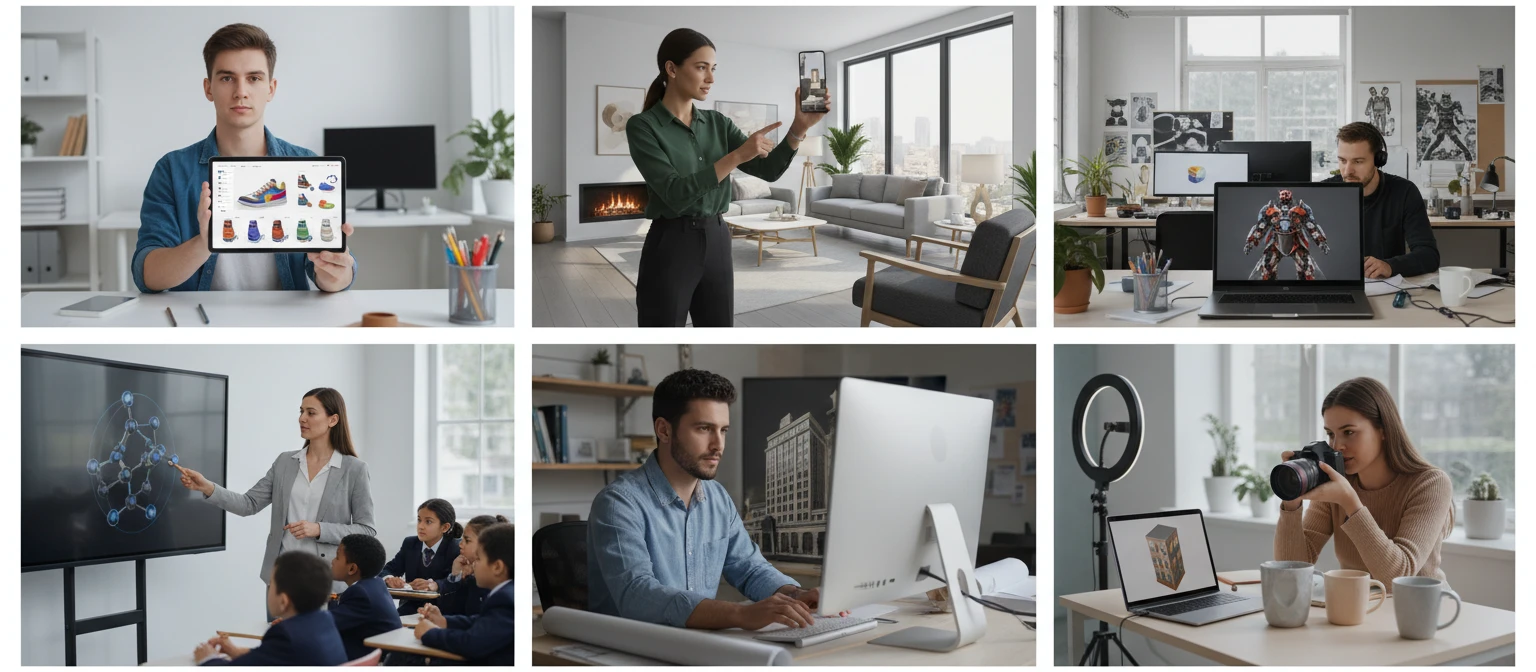
Editing 3D models without installing software is useful across product design, e-commerce, development, and education.
Related Tools
Frequently Asked Questions
What is a GLB file?
GLB is the binary container format for glTF (GL Transmission Format), the standard for 3D models on the web. It bundles geometry, materials, textures, and animations into a single compact file — unlike OBJ or FBX which require separate texture files.
Which parts of a model can I edit?
You can edit all materials detected in the model: change base color, metalness, roughness, and emissive properties per material. You can also apply image textures, add 3D text overlays, add flat logo/image overlays, and change the environment lighting preset.
What is USDZ and when should I use it?
USDZ is Apple's format for AR Quick Look on iOS and macOS. When a user opens a USDZ file in Safari or the Files app on iPhone or iPad, it launches AR mode and places the 3D model in the real world. Use USDZ export when distributing AR experiences to Apple device users.
Are animations preserved when I edit and export?
Yes. The editor reads animation clips from the GLB file and preserves them during material edits and export. Both GLB and USDZ exports retain the animation data. You can preview animations in the editor before exporting.
What environment presets are available?
The editor includes: sunset, dawn, night, warehouse, forest, apartment, studio, city, park, and lobby. Environment maps affect reflections on metallic and glossy surfaces, letting you preview how the model looks under different lighting conditions.
What file size limits apply to the editor?
There is no enforced server-side limit since the model is processed entirely in the browser. In practice, very large GLB files (over 100 MB) may be slow to load depending on your device's GPU memory. Models under 50 MB typically load and render smoothly.
Ready to Edit Your 3D Model?
Upload a GLB file, customize materials and textures, and export to GLB or USDZ in minutes.