Load and Arrange Multiple 3D Models in One Scene
Upload several GLB files at once and view them together. Arrange in a grid, reposition or rotate each model individually, add a 360° background, and export the combined scene.
Open Viewer
GLB Multi-Model Viewer
Load multiple GLB files into a shared 3D scene. Arrange, reposition, rotate each model, and export the combined scene.
Drop GLB files here
or click to browse — multiple files supported
Supports .glb (binary glTF 2.0) files
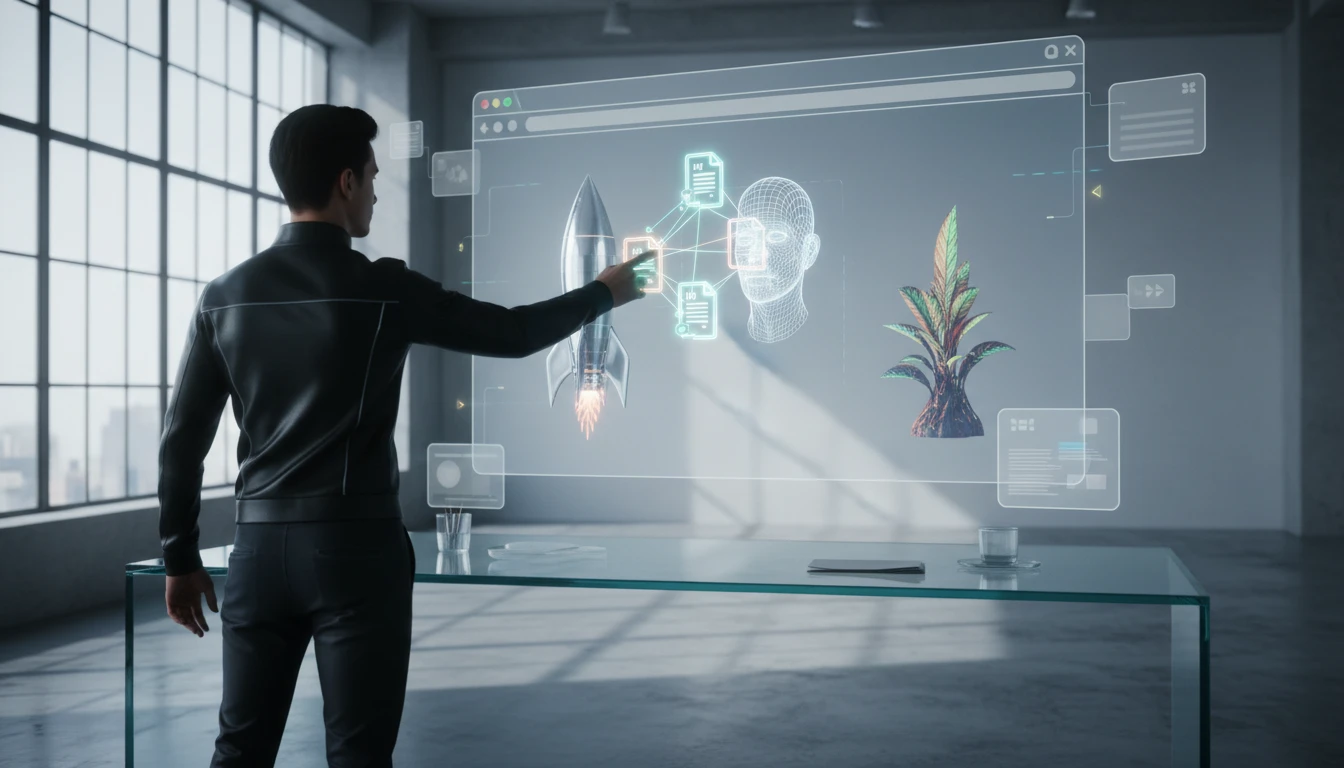
Load Multiple Models at Once
Drag and drop several GLB files onto the viewer and they all appear in the same scene. New models are automatically placed in a grid so nothing overlaps.
Open Viewer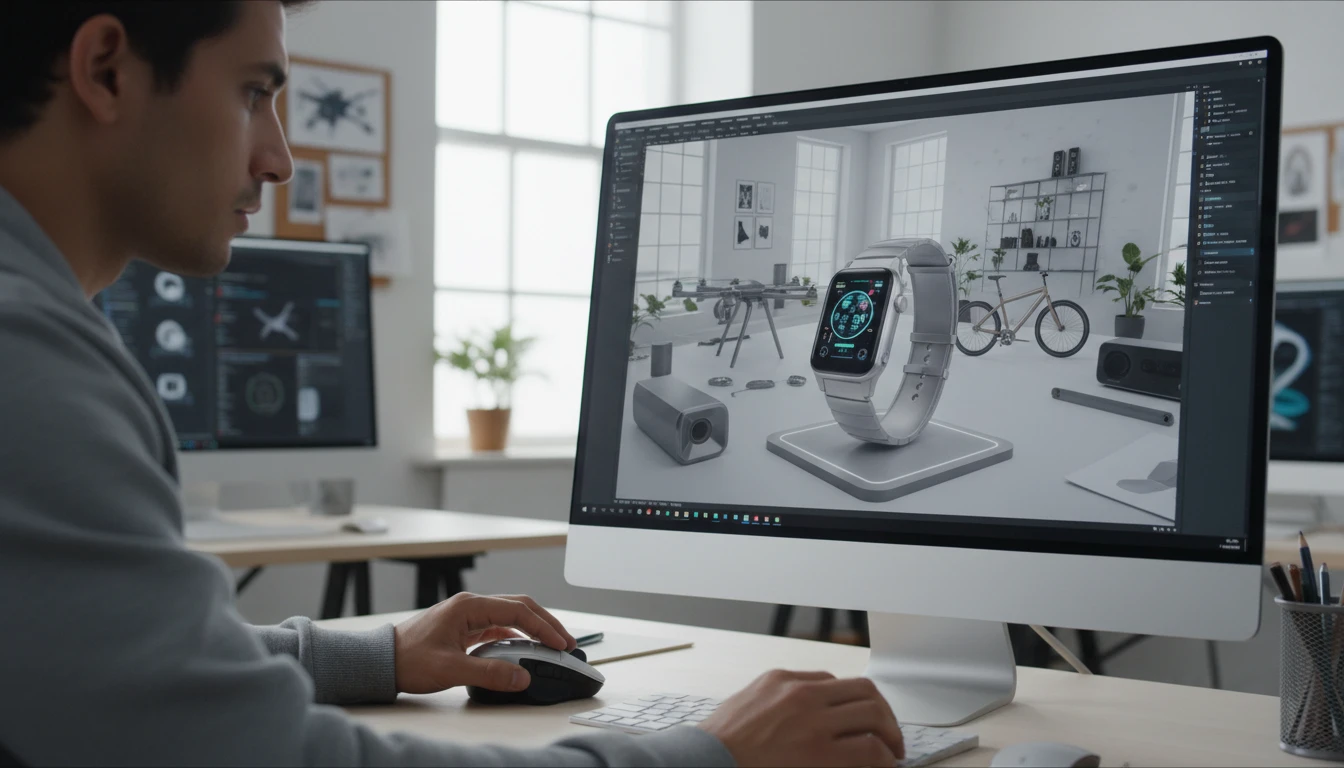
Reposition and Rotate Each Model
Select any model in the scene and use position mode or rotation mode to adjust its placement. Step sizes are adjustable for coarse or fine control.
Open Viewer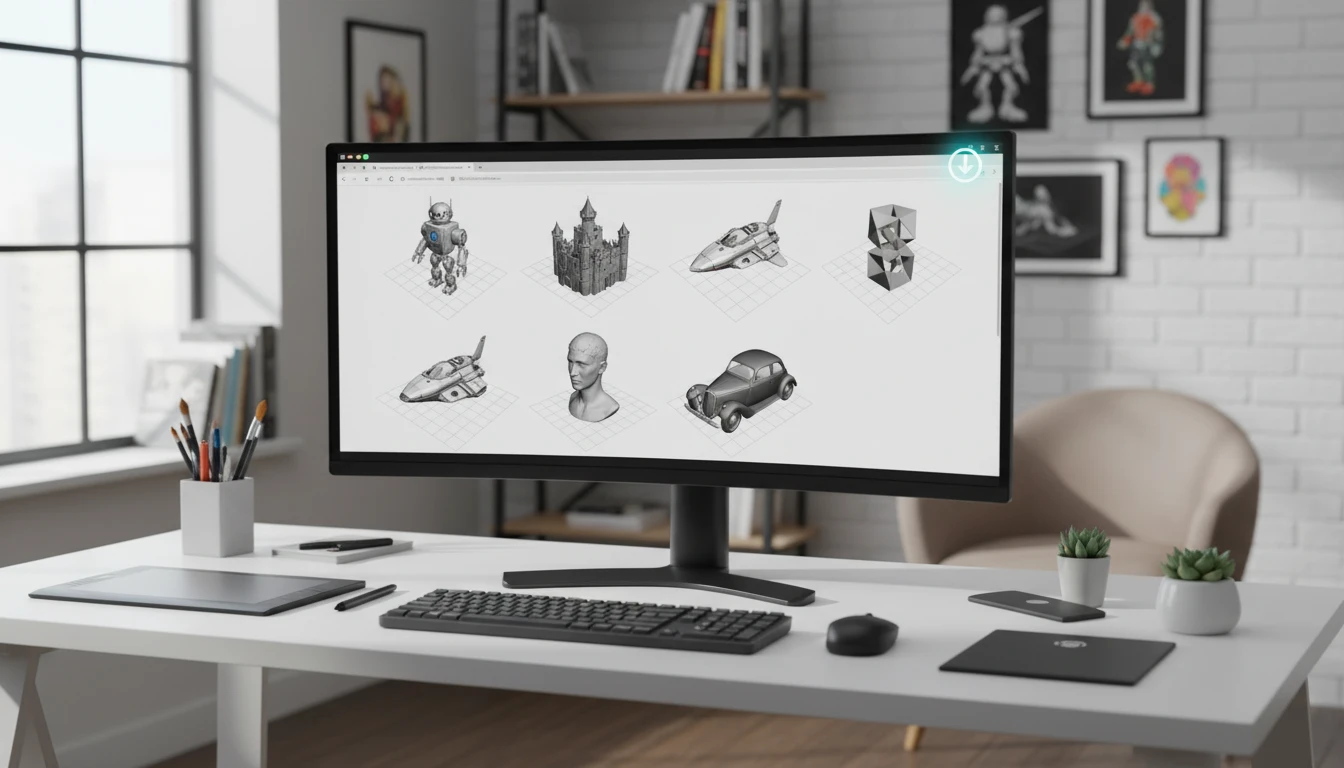
Export the Combined Scene as GLB
Once your arrangement looks right, export the entire scene as a single GLB file. Useful for combining assets from different sources into one deliverable.
Open ViewerArrange multiple GLB models in three steps
Upload your GLB files
Drag one or more GLB files onto the drop zone or click to browse. All models render in the same WebGL scene and are automatically arranged in a grid.
Select and adjust individual models
Click a model in the list panel to select it. Use position mode to move it with arrow controls, or rotation mode to rotate on any axis. Snap them together or spread them apart.
Export or screenshot the scene
Take a PNG screenshot of the current camera view, or export the full arrangement as a single combined GLB file for use in other 3D applications.
Deep Dive
What the Multi-Model Viewer Supports
Beyond single-model inspection, the multi-model viewer is designed for scene composition, asset comparison, and quick GLB assembly directly in the browser.
Why Use the Multi-Model Viewer
Multi-Model Scene
Load any number of GLB files into a single shared scene. Each model is auto-placed in a grid with no overlap.
Per-Model Control
Select any model and reposition or rotate it independently. Adjustable step sizes for coarse and fine placement.
Combined GLB Export
Export the entire arrangement as a single GLB file — useful for combining assets from different sources into one deliverable.
360° Background
Import an equirectangular panorama to wrap the scene in a photorealistic or stylised environment background.
Who Uses It
Who Uses a Multi-Model 3D Viewer
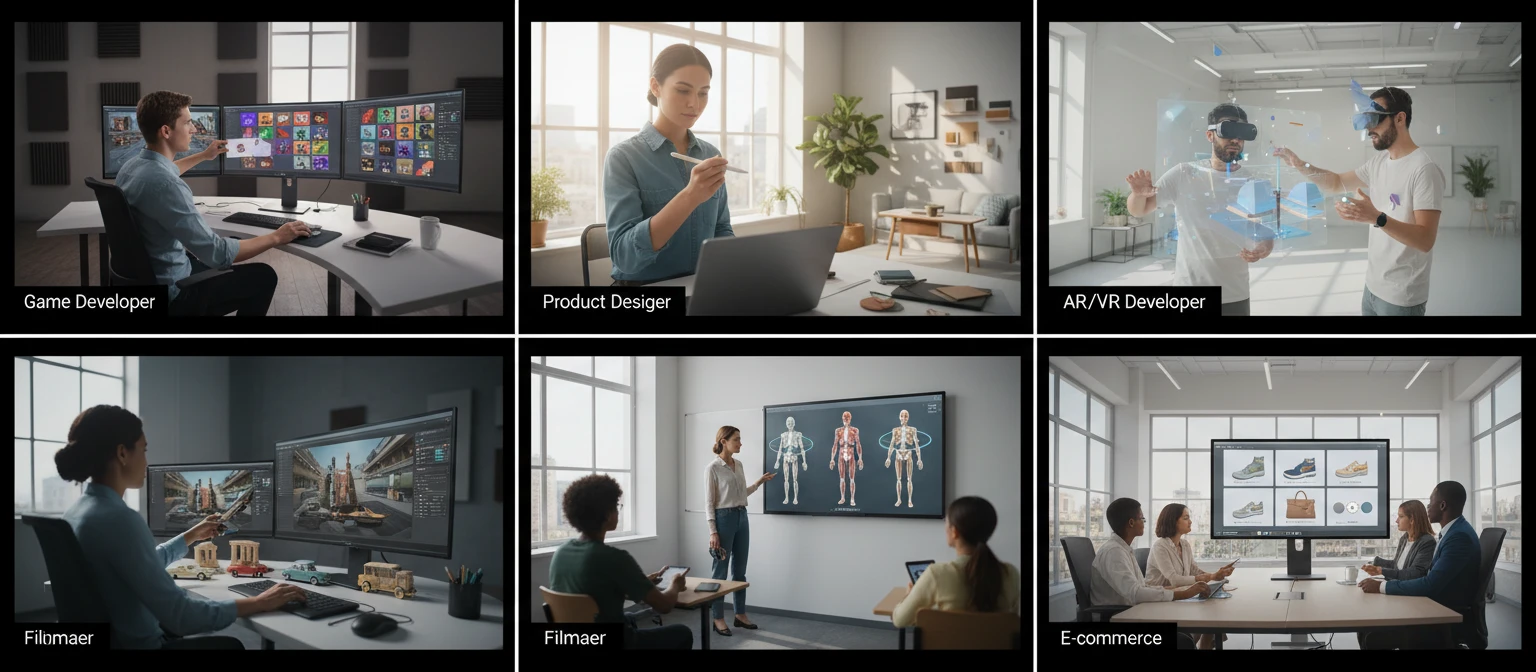
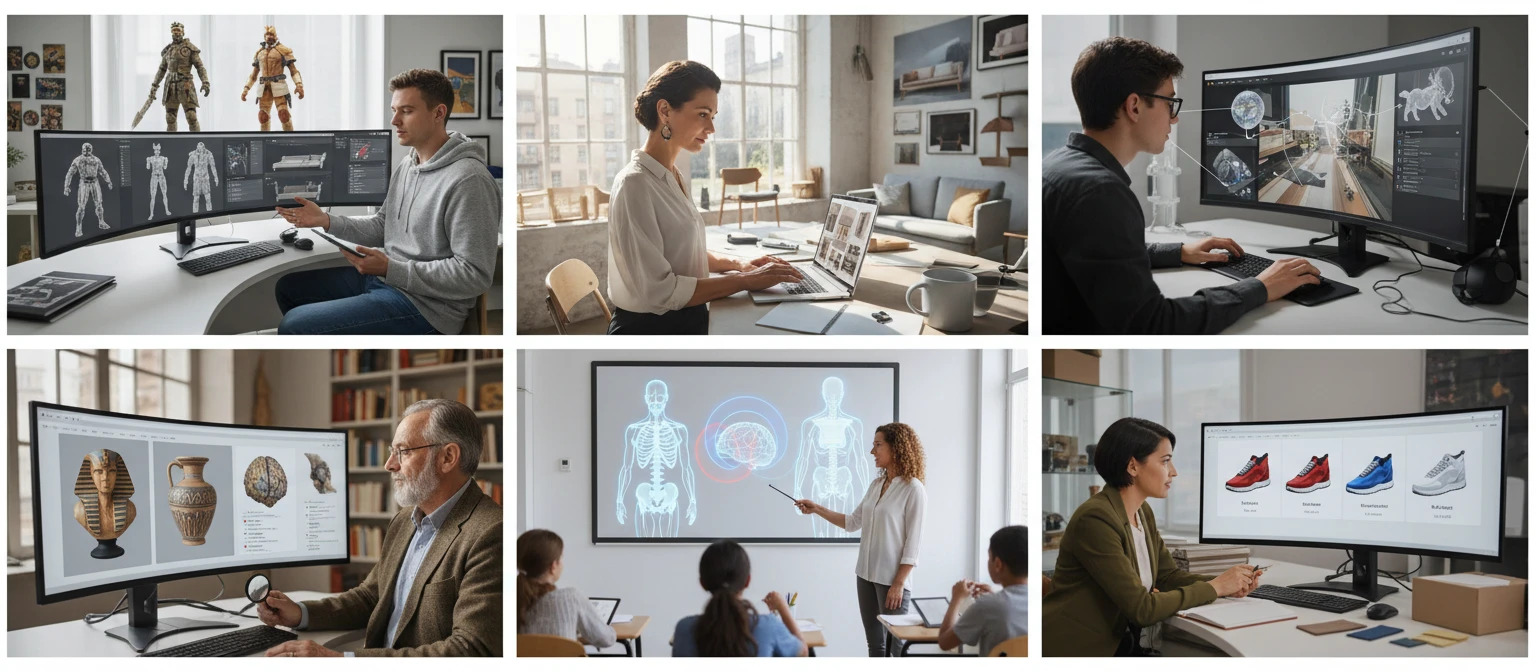
Loading and comparing multiple 3D assets in a single browser session saves time for game developers, product teams, educators, and 3D artists.
Related Tools
Frequently Asked Questions
How is this different from the standard GLB Viewer?
The standard GLB Viewer loads one file at a time and focuses on single-model inspection with wireframe and animation playback. The Multi-Model Viewer loads several GLB files into a shared scene simultaneously, with per-model position and rotation controls, a grid arrangement tool, and the ability to export the combined scene as a new GLB file.
How many models can I load at once?
There is no hard limit set by the viewer. Practical limits depend on your device memory and GPU. Loading three to ten models under 20 MB each typically works smoothly on a modern desktop. Very large or complex models may slow down rendering when combined.
How do I move a model after it is loaded?
Click the model name in the model list panel (top left of the viewer) to select it. Then click the "Reposition Models" button below the canvas to enter position mode. Use the directional arrow buttons to move the selected model forward, backward, left, or right. Adjust the step size to control how far each press moves the model.
How do I rotate an individual model?
Select the model from the list panel, then click "Rotate Models" to enter rotation mode. Choose the axis (X, Y, or Z) and use the counter-clockwise or clockwise buttons to rotate. Adjust the step size in degrees, or click "Reset Rotation" to return to the original orientation.
What does the combined GLB export include?
The export includes all geometry from all loaded models, with their current positions and rotations applied. Texture data is stripped from the export because browser security restrictions prevent reading pixel data from cross-origin blob URLs. The exported file contains geometry, materials (color and surface properties), and transform data.
What is the 360° background feature?
You can upload an equirectangular panorama image (any JPEG, PNG, or WebP photo taken in 360° mode) and it will be mapped as the scene background using Three.js EquirectangularReflectionMapping. This lets you composite 3D models into a real-world or stylised panorama.
Which browsers support the viewer?
The viewer works on Chrome, Firefox, Edge, and Safari on desktop and mobile. WebGL 2.0 support is required. All modern browser versions from the past two years support this.
Ready to View Multiple 3D Models Together?
Upload several GLB files, arrange them in a scene, and export the combined result as a single GLB.