Inspect Any 3D Model Right in Your Browser
Upload a GLB file and explore it from every angle. Rotate, zoom, pan, switch lighting environments, and download a screenshot. Animations included.
Open Viewer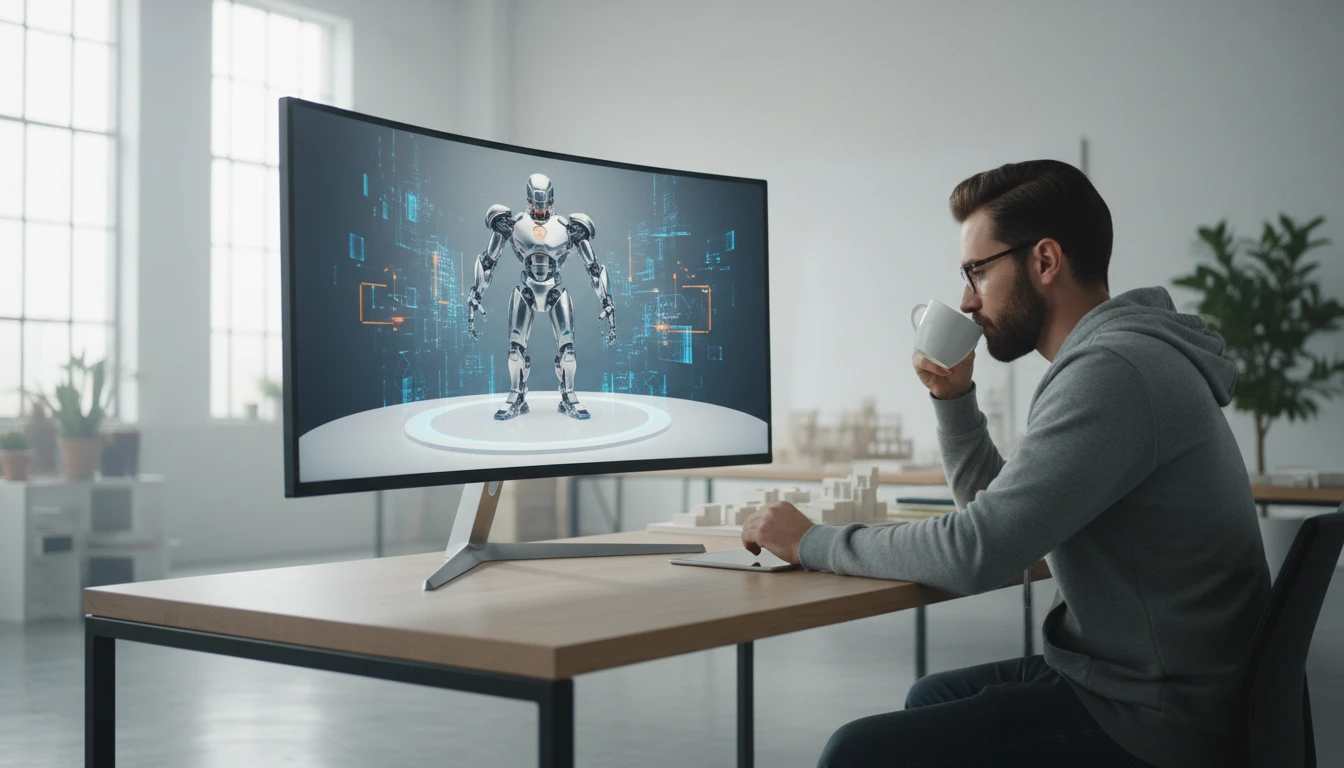
GLB 3D Model Viewer
Upload a GLB file to inspect it from any angle. Orbit, zoom, switch lighting, toggle wireframe, and export a screenshot.
Drop your GLB file here
or click to browse your files
Supports .glb (glTF binary) files
Drag and Drop to Load
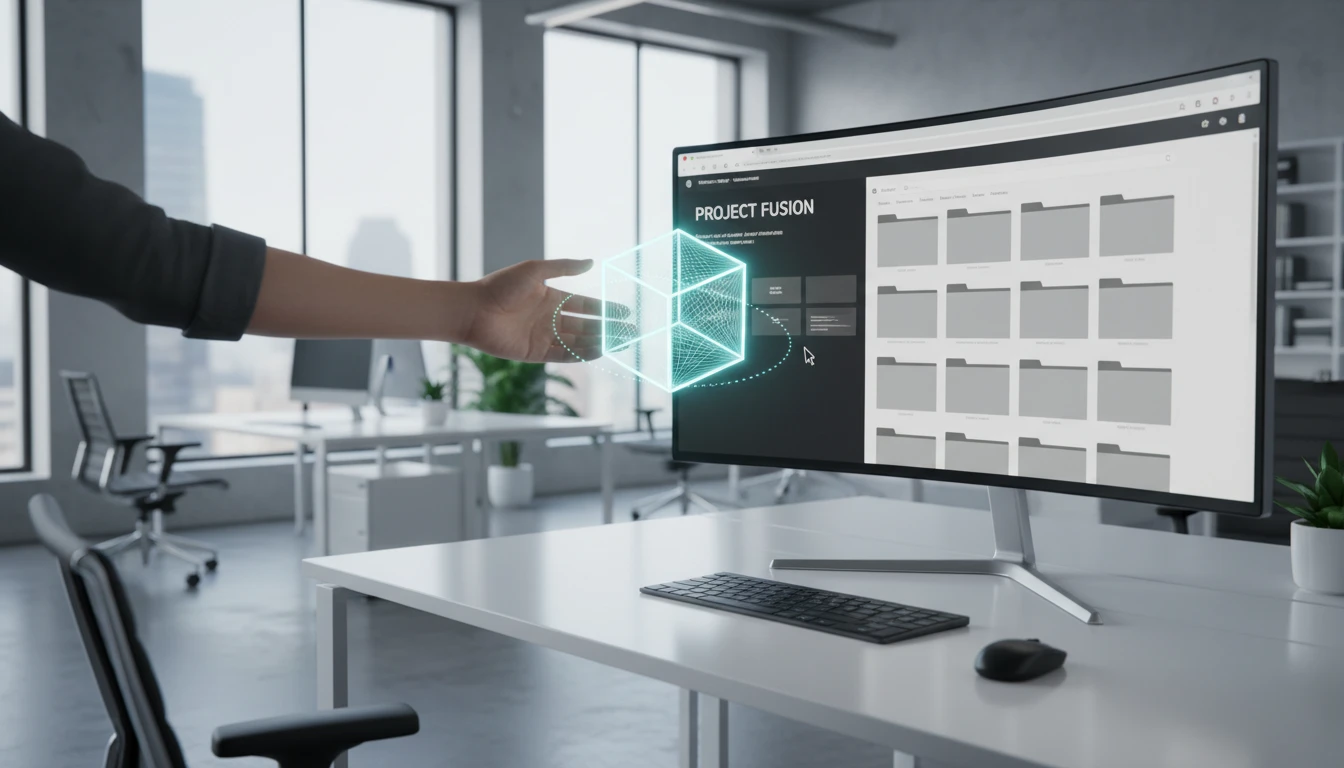
Drop any GLB file directly onto the viewer and it renders immediately in WebGL. No file size limits enforced by a server, no waiting for an upload.
Open Viewer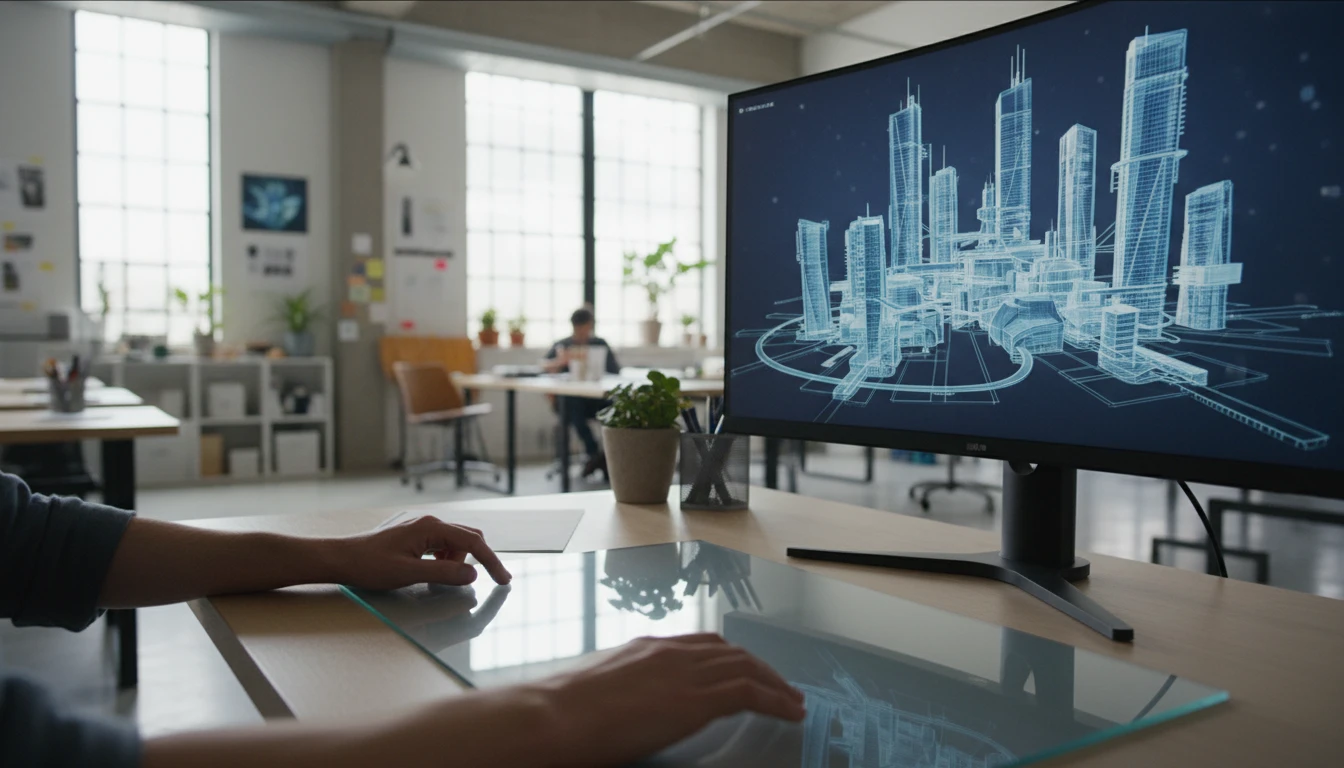
Orbit, Zoom, and Pan
Left-click and drag to orbit around the model. Scroll to zoom in and out. Right-click and drag to pan. Touch gestures work on mobile and tablet.
Open Viewer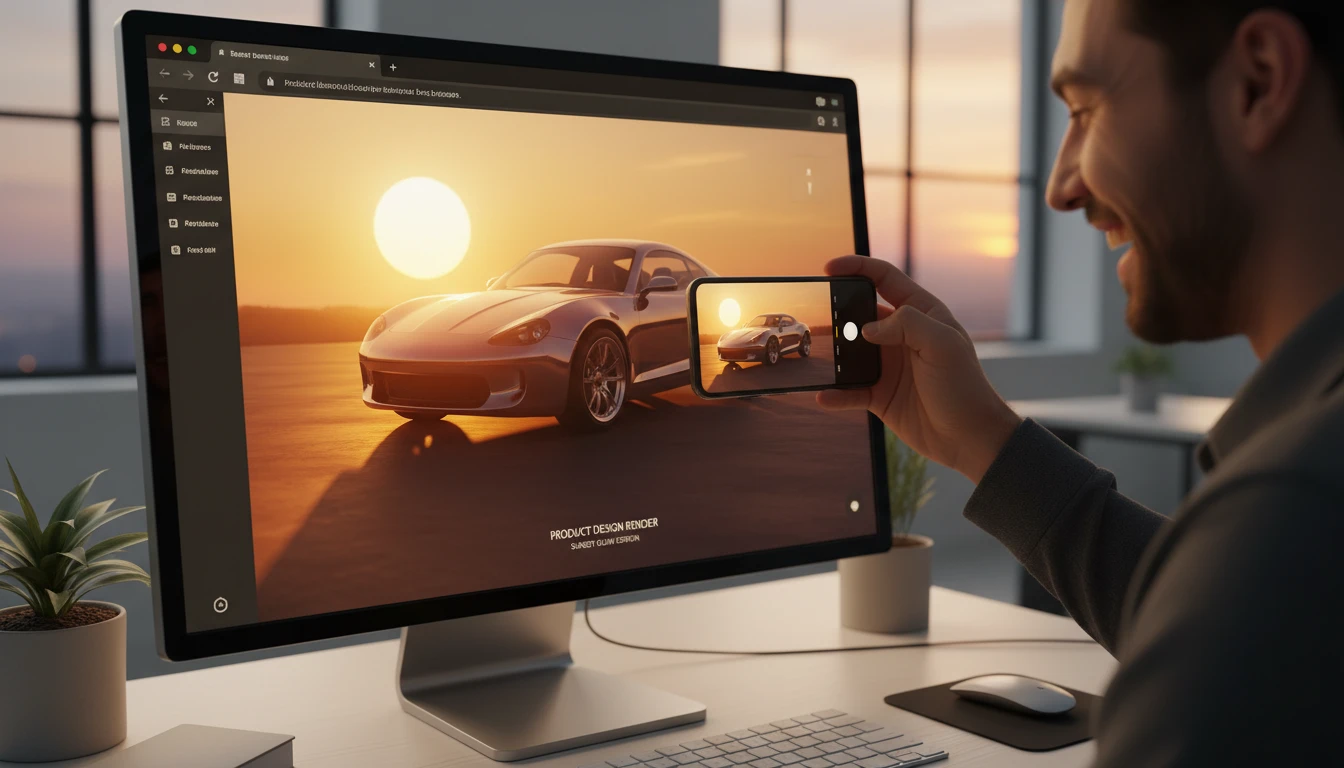
Lighting Environments and Screenshot
Cycle through environment presets (studio, city, sunset, warehouse, and more) to see how materials react to different lighting. Take a screenshot at any angle.
Open ViewerView a GLB model in three steps
Upload your GLB file
Drag a GLB file onto the drop zone or click to browse. The model renders in the WebGL canvas within seconds using your GPU.
Navigate and inspect
Orbit around the model, zoom in on details, and pan to inspect any surface. Enable auto-rotation for a hands-free preview.
Switch lighting and capture
Try different environment lighting presets to see how materials respond. When satisfied with the angle, take a PNG screenshot with one click.
Deep Dive
What the GLB Viewer Supports
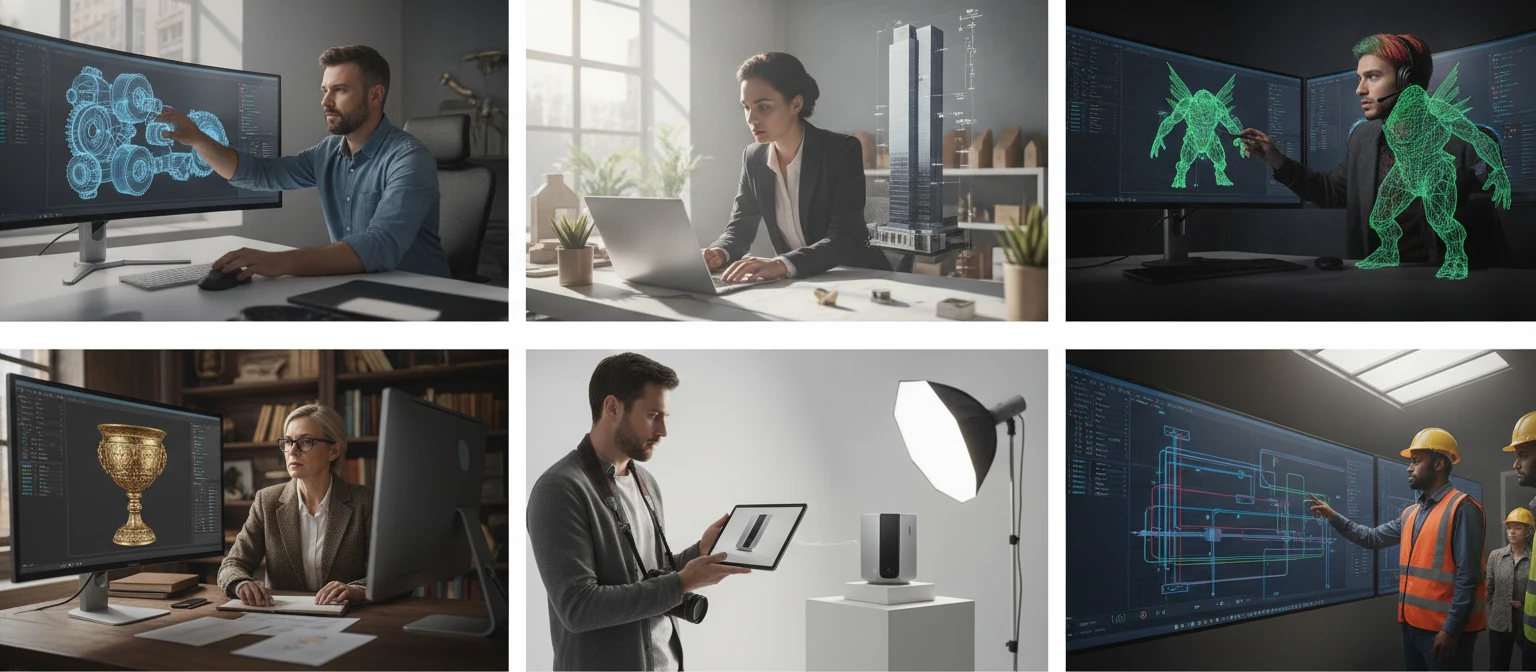
A full-featured 3D viewer that goes beyond simply rendering the model. From animations to environment lighting, the viewer handles the most common inspection needs.
Why Use the GLB Viewer
Inspect Any Angle
Orbit, zoom, and pan with mouse or touch. Inspect every surface, joint, and detail of the model without limits.
Animation Playback
Play animation clips embedded in the GLB file. Select individual animations and loop them in the viewer.
Lighting Presets
Switch between ten environment maps to see how PBR materials look under studio, outdoor, and architectural lighting.
Screenshot Export
Save the current view as a PNG with one click. Useful for thumbnails, documentation, and presentations.
Who Uses It
Who Uses a Browser-Based GLB Viewer
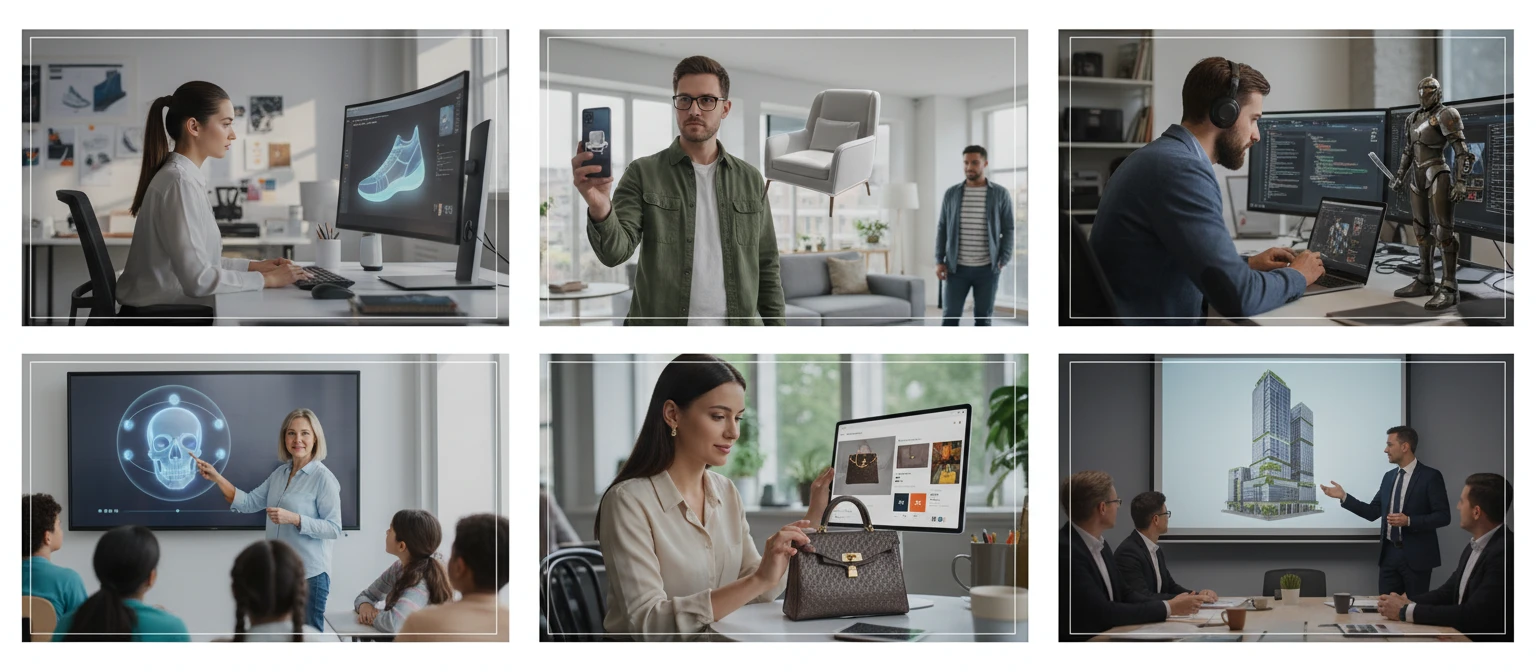
Viewing 3D models without installing software is useful across design, development, education, and e-commerce.
Related Tools
Frequently Asked Questions
What is a GLB file?
GLB is the binary container format for glTF (GL Transmission Format), the standard for 3D models on the web. It bundles geometry, materials, textures, and animations into a single compact file. GLB files are exported by Blender, Maya, Unity, Unreal, and most modern 3D tools.
How do I navigate the 3D model?
Left-click and drag to orbit (rotate) around the model. Scroll the mouse wheel to zoom in and out. Right-click and drag to pan the camera. On touch devices, use one finger to orbit, pinch to zoom, and two fingers to pan.
Does the viewer support animated GLB files?
Yes. If the GLB file contains animation clips, an animation selector appears in the controls panel. Select the animation you want and click Play. The animation loops continuously until you pause it.
What are the environment lighting presets?
The viewer includes ten environment maps: sunset, dawn, night, warehouse, forest, apartment, studio, city, park, and lobby. Each preset is an HDR image that affects reflections on metallic and glossy materials in real time.
How does the screenshot export work?
The screenshot button captures the current WebGL canvas as a PNG image. Position the model at the angle you want, choose your lighting preset, and click the camera icon. The PNG is named after the original GLB file.
Is there a file size limit?
There is no server-side file size limit because all processing happens in your browser. Very large GLB files (over 100 MB) may load slowly depending on your device memory and GPU. Models under 50 MB typically render smoothly.
Which browsers support the viewer?
The viewer works on Chrome, Firefox, Edge, and Safari (desktop and mobile). WebGL 2.0 support is required. All modern browser versions released in the past two years support this.
Ready to Inspect Your 3D Model?
Upload a GLB file, orbit around it, switch lighting, and download a screenshot in seconds.