Convert GLB to GLTF for Inspection, Editing, and Pipeline Integration
Convert GLB binary containers to the JSON-based GLTF format to inspect and edit the asset structure, externalize binary buffers and textures, and integrate 3D assets into pipelines and tools that require the GLTF multi-file layout over a single binary bundle.
Convert Now
Convert GLB to GLTF
Upload a GLB file and download the converted GLTF — all processing happens on the server.
Drop your GLB file here
or click to browse
Accepts .glb files
Unpack Binary GLB into Inspectable GLTF JSON
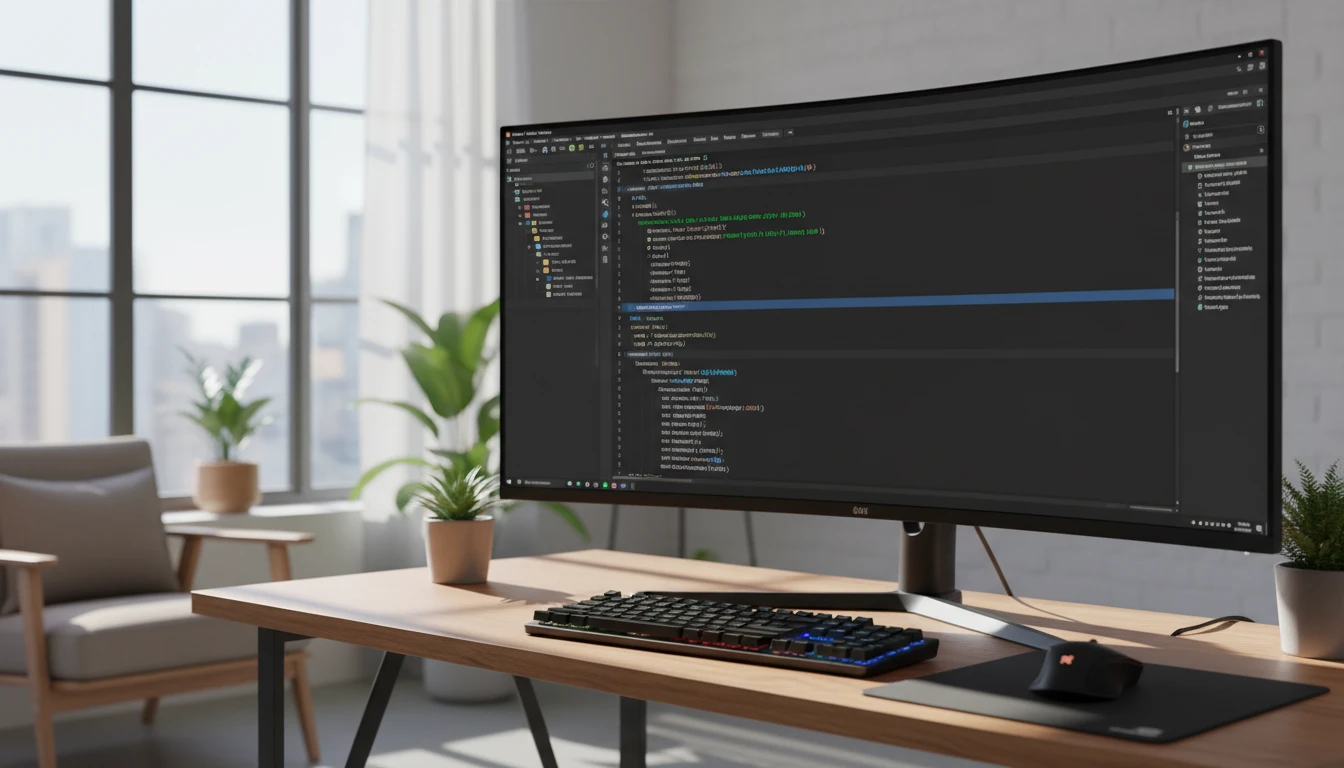
GLB packs all geometry, materials, and textures into a single opaque binary bundle. GLTF exposes the same data as a human-readable JSON file with externalized binary buffers (.bin) and texture files. Converting GLB to GLTF makes the full asset structure inspectable and editable in any text editor or JSON tool without binary parsing.
Convert Now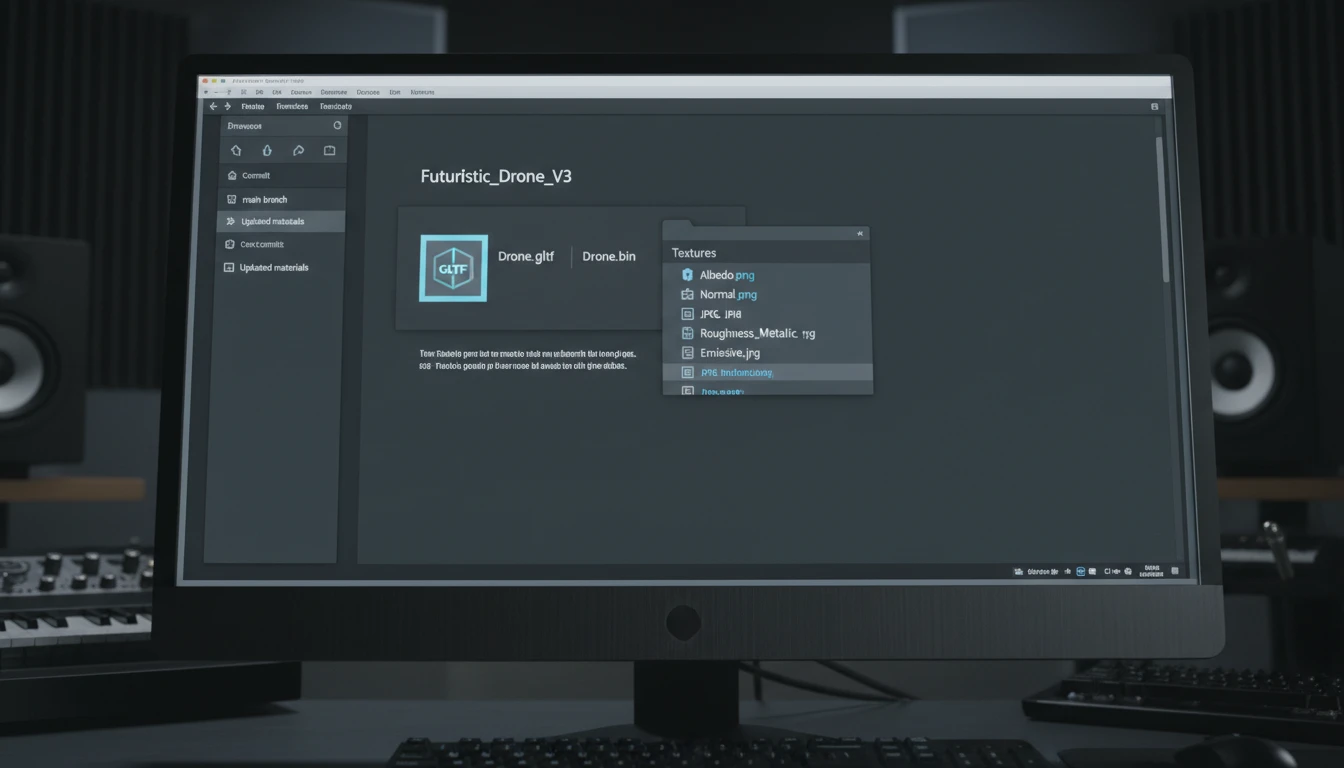
Externalized Assets for Pipeline Flexibility
GLTF stores geometry in a separate .bin binary buffer and references textures as external image files, enabling independent version control, selective asset replacement, and partial pipeline processing. Pipelines that compress textures separately, swap material references, or patch buffer data benefit from the externalized GLTF layout over a monolithic GLB.
Convert Now
Tool and Engine Compatibility
Some 3D tools, asset pipelines, and older glTF importers work exclusively or more reliably with GLTF multi-file layout rather than the binary GLB container. Converting GLB to GLTF ensures compatibility with tools that require the JSON-based structure, separate buffer files, or externalized texture references rather than a packed binary bundle.
Convert NowHow to Convert GLB to GLTF
Upload Your GLB File
Drag and drop a GLB file into the upload zone or click to browse. GLB files up to 100 MB are supported.
Sign In and Convert
Sign in to start the conversion. The server unpacks the GLB binary container and writes a GLTF JSON file with externalized binary buffer and texture references.
Download the GLTF
Once ready, click Download. The GLTF file (with companion .bin and texture files if applicable) is immediately usable in Blender, Three.js, Babylon.js, and any other glTF 2.0 compatible tool.
Deep Dive
GLB and GLTF: Binary Container vs. JSON-Based Multi-File Format

Why Use It
No Software to Install
The conversion runs on the server. No Blender Python export scripts, gltf-pipeline CLI, or local conversion tools needed. Upload and download directly from your browser.
Human-Readable JSON Structure
GLTF exposes the full asset structure as a JSON file that can be inspected, edited, and diff-compared in any text editor or version control system without binary parsing tools.
Externalized Assets for Pipeline Control
GLTF separates geometry buffers and texture images into individual files, enabling selective replacement, independent compression, and partial processing in multi-stage asset pipelines.
Full glTF 2.0 Compatibility
The output is a valid glTF 2.0 GLTF file compatible with Blender, Three.js, Babylon.js, Unity, Unreal Engine, and every other platform that supports the Khronos glTF 2.0 standard.
Who Uses It
Who Converts GLB to GLTF
Frequently Asked Questions
What is the difference between GLB and GLTF?
GLB is the binary container format for glTF 2.0 that packs all data into a single file. GLTF is the JSON-based format that stores the scene description as readable JSON with geometry data in a separate .bin file and textures as external image files. Both represent the same glTF 2.0 standard.
Will the GLTF output include all materials and textures from the GLB?
Yes. The converter unpacks all geometry, materials, and embedded textures from the GLB and writes them as a GLTF JSON file with externalized .bin buffer and texture image files, preserving all asset data from the source GLB.
Is the GLTF output compatible with Blender and Three.js?
Yes. The converter produces a valid glTF 2.0 GLTF file compatible with Blender, Three.js, Babylon.js, Unity, Unreal Engine, and any other platform that supports the Khronos glTF 2.0 standard.
Can I edit the GLTF JSON after conversion?
Yes. The GLTF JSON file can be opened and edited in any text editor or JSON editor. You can modify material properties, metadata, and scene structure directly in the JSON and reload it in any glTF viewer or tool.
What is the maximum GLB file size?
The converter supports GLB files up to 100 MB. The GLTF output with separate .bin and texture files will have a combined size similar to the original GLB.
Convert Your GLB File to GLTF Now
Upload your GLB and get an inspectable, pipeline-ready GLTF in seconds. No install, no manual steps.