Identify Any Yoga Pose with Full Alignment and Practice Guidance
Upload any yoga pose photo and get the Sanskrit name, alignment cues, muscles engaged, common mistakes, benefits, safety guidance, and modifications.
Identify a Pose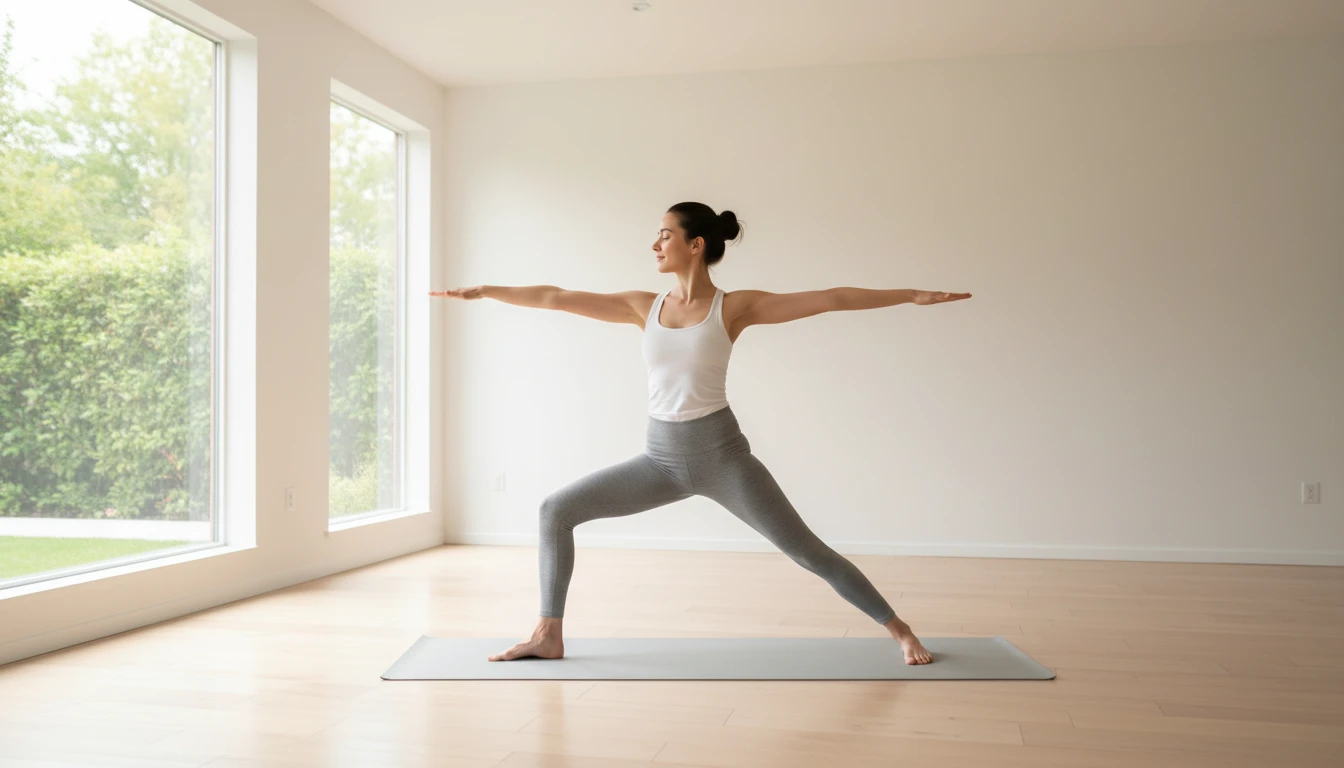
AI Yoga Pose Identifier
Upload a photo of any yoga pose and get a full analysis: pose name, anatomical focus, alignment cues, common mistakes, benefits, safety guidance, modifications, and practice notes.
Upload a Yoga Pose Photo
Supports JPG, PNG, WEBP. For best results, capture the full body with clear body positioning and good lighting.
or drag and drop an image here
Results
AI Yoga Pose Identifier
AI Yoga Pose Identifier
Upload a photo on the left and click analyse to see the results.
- Sanskrit and English pose name with tradition and difficulty
- Anatomical focus: muscles engaged, stretched, and strengthened
- Step-by-step alignment cues from foundation to crown
- Common mistakes and how to correct them
- Physical and mental benefits specific to the pose
- Safety guidance, contraindications, and modifications

Sanskrit Name, Pose Family, and Tradition
Every identification covers the full Sanskrit name with its English translation and any alternative names used across different yoga traditions. The pose family classification (standing, seated, inversion, backbend, twist, balance, or restorative) is explained in plain language, along with which yoga traditions the pose appears in: Hatha, Vinyasa, Ashtanga, Iyengar, Yin, Kundalini, or Restorative. This gives you the linguistic and historical context that deepens understanding of each asana.
Identify a Pose Now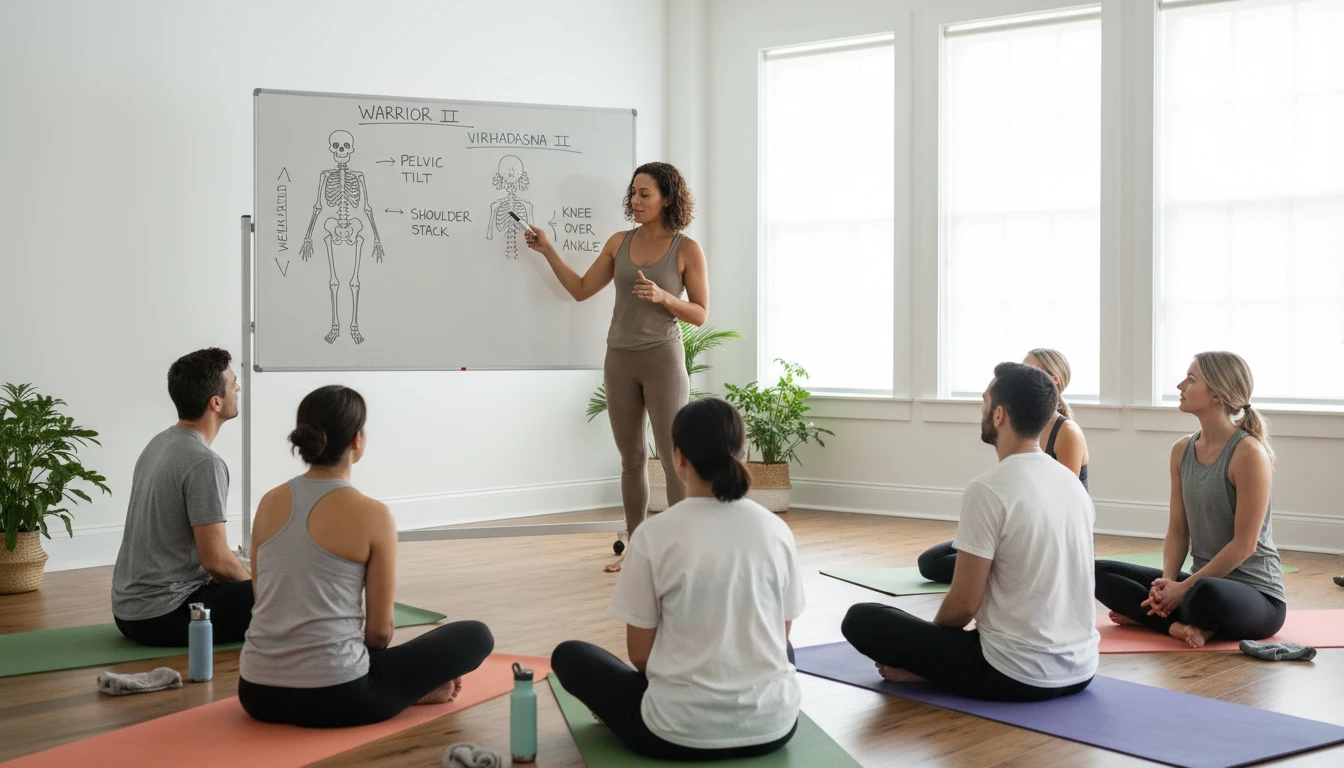
Anatomical Focus and Alignment Cues
The anatomical section identifies the primary and secondary muscles engaged, the areas being stretched and strengthened, and the key joint actions occurring throughout the body. The alignment section delivers 5-7 cues in the order a teacher would give them, from foundation placement through to the gaze point, covering every major alignment principle for that specific pose. This is the technical depth that helps you practise correctly and safely rather than just approximating a shape.
See Alignment Details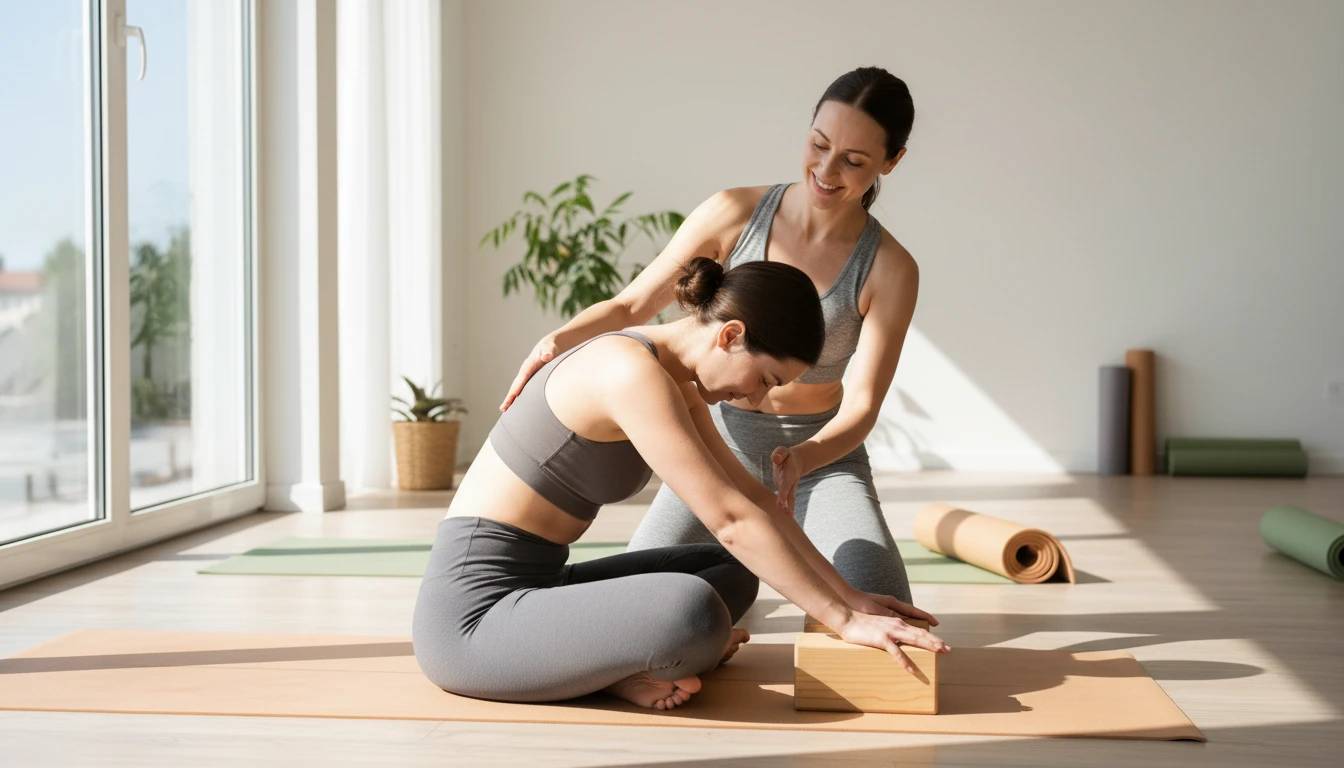
Safety Guidance and Modifications
The safety section lists conditions where the pose should be avoided entirely and conditions requiring modification rather than avoidance, with specific guidance for pregnancy. The modifications section covers props to use (blocks, straps, bolsters, wall support) with a brief explanation of how each helps, easier variations for less experienced practitioners, and advanced variations for those ready to progress. Safe practice means knowing both what to do and what not to do.
See Safety GuidanceHow to Identify a Yoga Pose
Photograph the Pose
Take a clear photo in good lighting showing the full body in the pose. Form-fitting clothing helps the AI see body alignment clearly. A front, side, or back view all work depending on the pose.
AI Identifies and Analyses
The AI identifies the pose, determines its Sanskrit and English name, assesses difficulty and tradition, and produces a full analysis covering anatomy, alignment, benefits, and safety.
Get the Full Analysis
Receive the complete pose profile: name and tradition, anatomical focus, step-by-step alignment cues, common mistakes, benefits, safety guidance, modifications, and practice notes.
Who Uses It
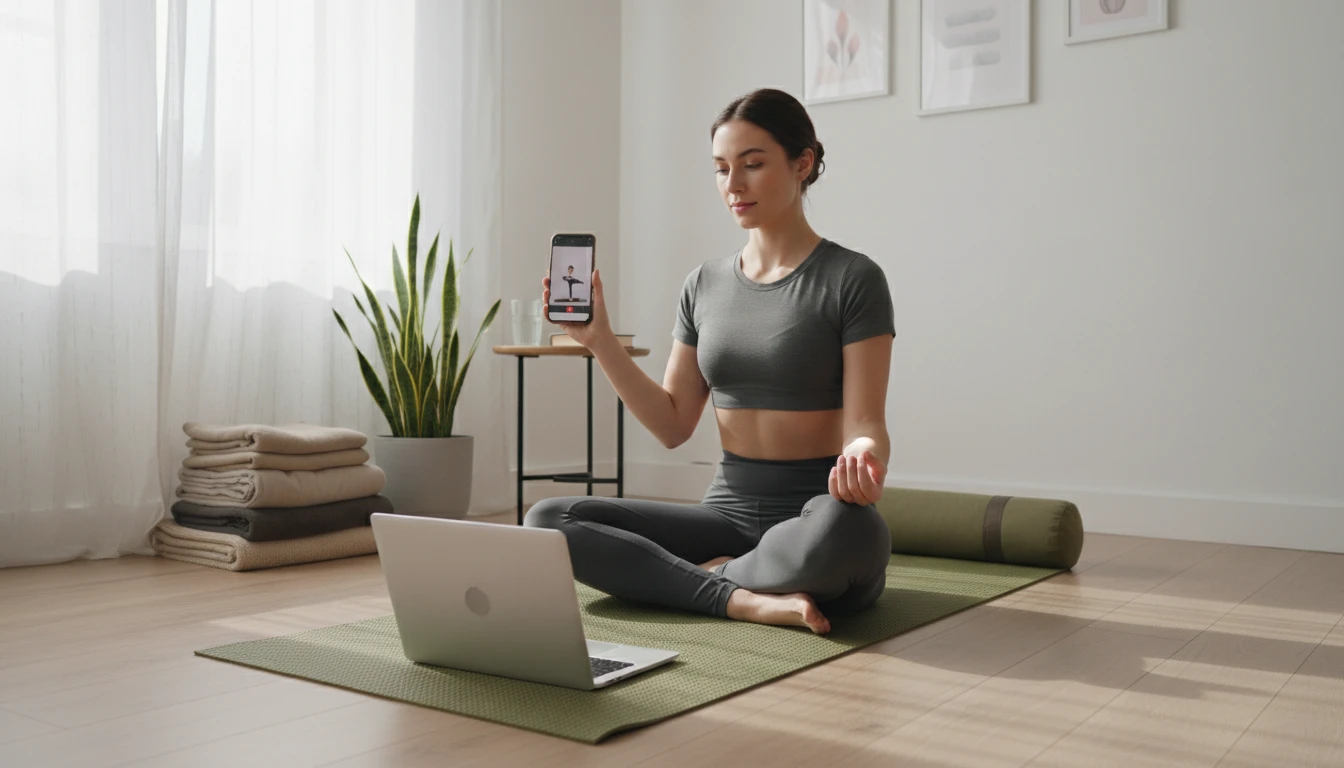
Yoga Students Building Their Practice
Seen a pose in a class, video, or book and want to know exactly what it is, how to do it correctly, and what muscles it works? Upload a photo and get the name, full alignment cues, common mistakes to avoid, and practice notes covering how long to hold it and which poses to do before and after. The modifications section shows easier versions when a pose is out of reach and harder versions when you are ready to progress.

Yoga Teachers and Instructors
Use it to quickly verify pose names across traditions, cross-check alignment cues, or research contraindications before teaching a specific population. The detailed anatomical breakdown helps when explaining the physiological benefits of a pose to students. The counter poses and preparatory poses sections support intelligent sequence building.

Fitness and Wellness Professionals
Physical therapists, personal trainers, and wellness coaches who incorporate yoga movements into their practice can use it to identify poses, understand the muscles involved, and check contraindications for specific client conditions. The safety and contraindications section covers both absolute contraindications and conditions requiring only modification.

Yoga Content Creators and Writers
Creating yoga content, writing descriptions, or captioning photos? Get accurate Sanskrit names, correct English translations, tradition context, and benefit descriptions. The structured output gives you the accurate information needed to write about poses with confidence, avoiding the common errors that frustrate knowledgeable yoga practitioners.
Deep Dive
What the Analysis Covers
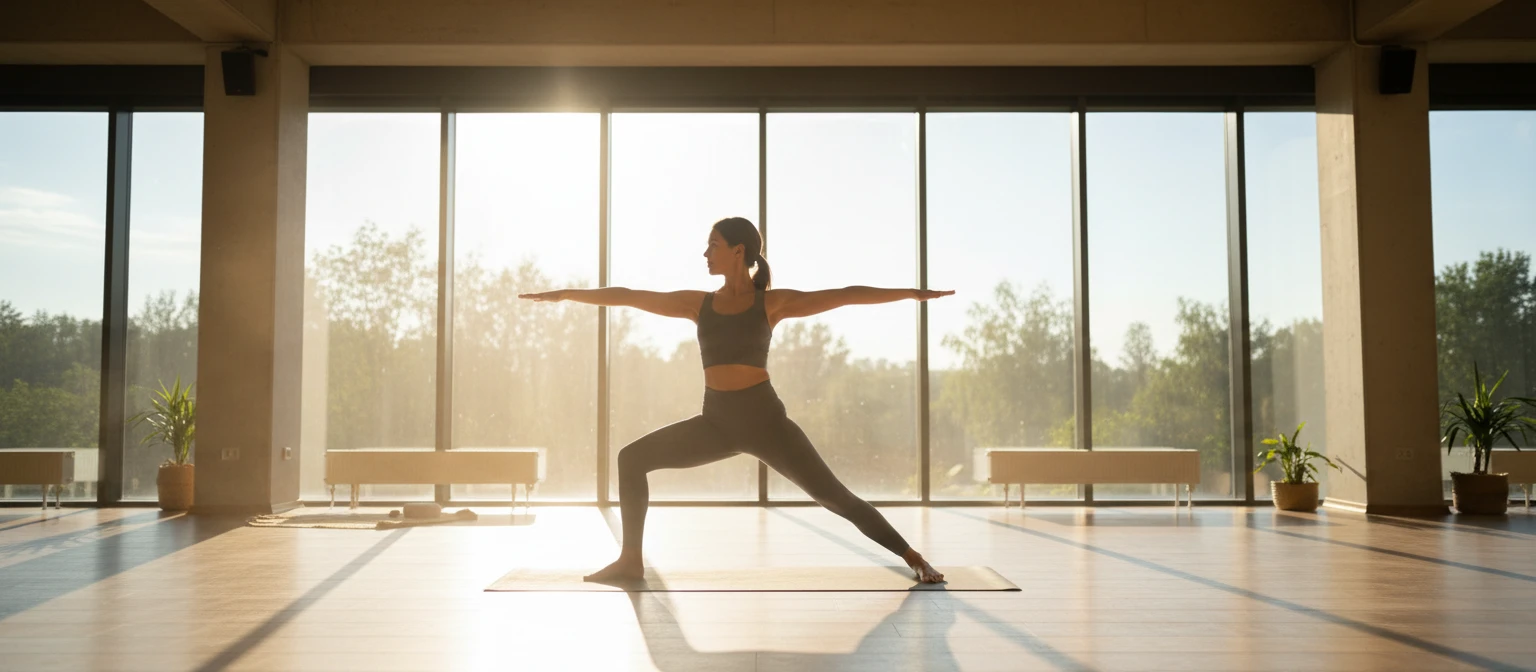
Each pose identification produces a structured nine-section profile covering every dimension of the asana from name and tradition to practical practice guidance.
Note: Yoga practice carries inherent physical risks. This analysis provides educational guidance only and does not replace instruction from a qualified yoga teacher. Always consult a healthcare provider before beginning yoga if you have existing health conditions or injuries.
Why Use It
Any Pose, Any Photo
Standing, seated, supine, inversions, backbends, twists, balances, and restorative poses. The AI adapts its analysis to the specific demands of each asana.
Anatomical Depth
Muscles engaged, areas stretched and strengthened, and joint actions all mapped out so you understand exactly what is happening in your body during the pose.
Alignment You Can Trust
Step-by-step cues in the order a teacher would deliver them, covering every major alignment principle specific to the identified pose.
Safety First
Clear contraindications, conditions requiring modification, pregnancy notes, and injury site awareness so you can practise with confidence.
Frequently Asked Questions
What types of yoga pose photos work best?
Full-body photos where the entire pose is visible work best. Clear lighting and form-fitting clothing that allows the AI to see body alignment produce the most detailed analysis. Front, side, and back views all work depending on which angle best shows the pose. Photos where the body is partially cut off, obscured by clothing, or very small in a large scene may yield less specific identification.
Can it identify poses from all yoga traditions?
Yes. The AI has knowledge of poses across Hatha, Vinyasa, Ashtanga, Iyengar, Kundalini, Yin, Restorative, and other major traditions. Where the same pose has different names in different traditions, the identification notes the most common name and its alternatives. For highly specialised or esoteric poses from specific lineages, the analysis identifies the closest well-known match and notes the uncertainty.
How detailed are the alignment cues?
The alignment cues are pose-specific instructions delivered in the order a teacher would give them during class, starting from the foundation and working upward. They cover the key alignment principles for that particular asana rather than generic yoga advice. For complex poses, this includes safety cues for the most vulnerable body areas in that specific shape.
Is the safety information reliable?
The safety and contraindications section is based on established yoga teaching knowledge covering common conditions and their interactions with specific poses. It distinguishes between conditions requiring avoidance and conditions requiring only modification. This is educational guidance. It does not replace assessment by a qualified yoga teacher or healthcare provider who knows your specific situation.
Can it help with pose modifications and props?
Yes. The modifications section covers which props to use (blocks, straps, bolsters, blankets, wall) with a brief explanation of how each prop helps in that specific pose, easier variations for less experienced practitioners, and advanced variations for those ready to progress. This makes it useful for both adapting poses to your current ability and finding next steps when you are ready to deepen your practice.
Can yoga beginners use this tool?
Absolutely. The difficulty level in the identification tells you where the pose sits on the beginner-to-advanced spectrum, and the modifications section always includes easier variations and prop suggestions for making the pose accessible. The common mistakes section helps beginners avoid the errors that most frequently cause injury or discomfort when starting out.
Identify Your First Pose Instantly
Sign up free and get 100 credits instantly. Upload any yoga pose photo and get a full alignment and practice analysis in seconds.
Disclaimer: This tool uses generative AI technology which may produce content that resembles copyrighted materials or that is inaccurate, incomplete, or out-of-date. It is provided for general information and educational purposes only and is not intended for illegal activities or to replace professional advice, diagnosis, or treatment. Users are solely responsible for how they use the generated content. If you plan to use AI-generated content commercially or publicly, we strongly recommend reviewing it for potential copyright issues and obtaining proper permissions where necessary. We accept no liability for copyright infringement or any other consequences resulting from the use of content generated by this tool.