Identify Any Shoe or Footwear Brand and Style from a Photo
Upload any footwear photo and get the type, brand, model, materials, performance features, care instructions, and similar footwear comparisons.
Identify Footwear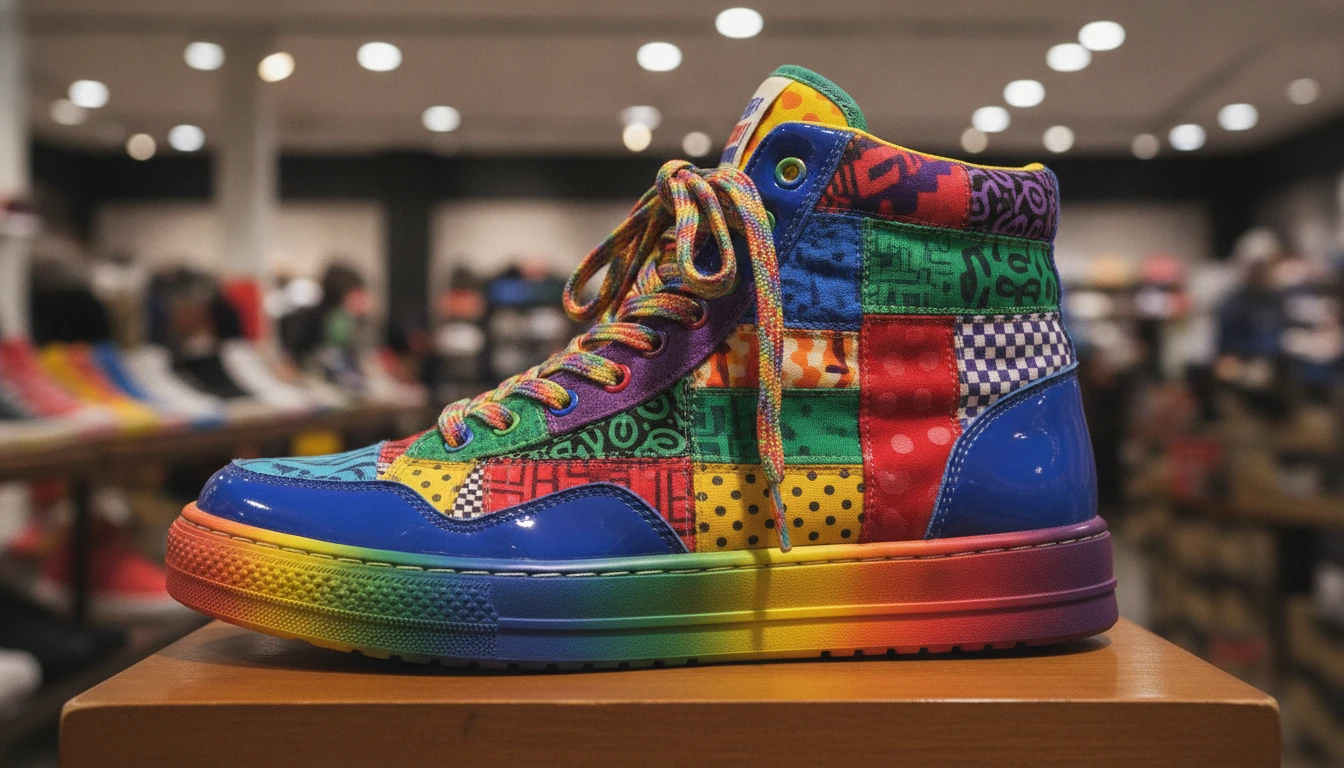
AI Footwear Identifier
Upload any photo of footwear and instantly identify the type, brand, and model. Get a full profile: physical characteristics, performance features, care instructions, and similar footwear comparisons.
Upload a footwear photo
Works best with clear photos showing the full shoe or boot from the side. Ensure the logo, sole, and distinctive design features are visible. Good lighting improves accuracy.
or drag and drop an image here
Results
AI Footwear Identifier
AI Footwear Identifier
Upload a photo on the left and click analyse to see the results.
- Footwear type, brand, model, and category
- Physical characteristics: material, sole, closure, height, and toe shape
- Performance and comfort features with use context badges
- Care instructions tailored to the material
- Similar footwear from other brands
- Identification tips for this brand or style
Precise Type, Brand, and Model Identification
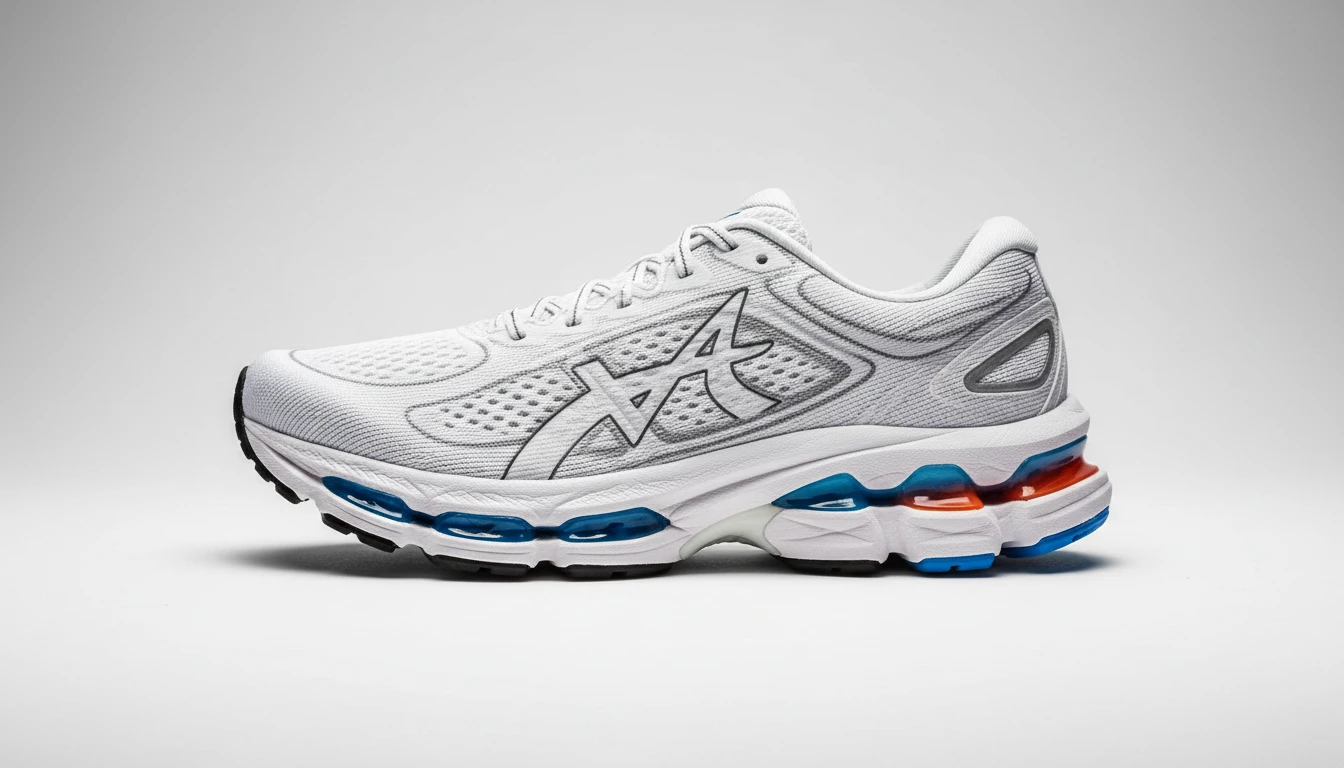
Upload any shoe or boot photo and the AI identifies the specific footwear type and broader category, the brand with a note on what it is known for, and the specific model or line name where identifiable. The result covers gender targeting, age group, and seasonal suitability, giving you a complete classification of exactly what the footwear is and where it sits in the market.
Identify Footwear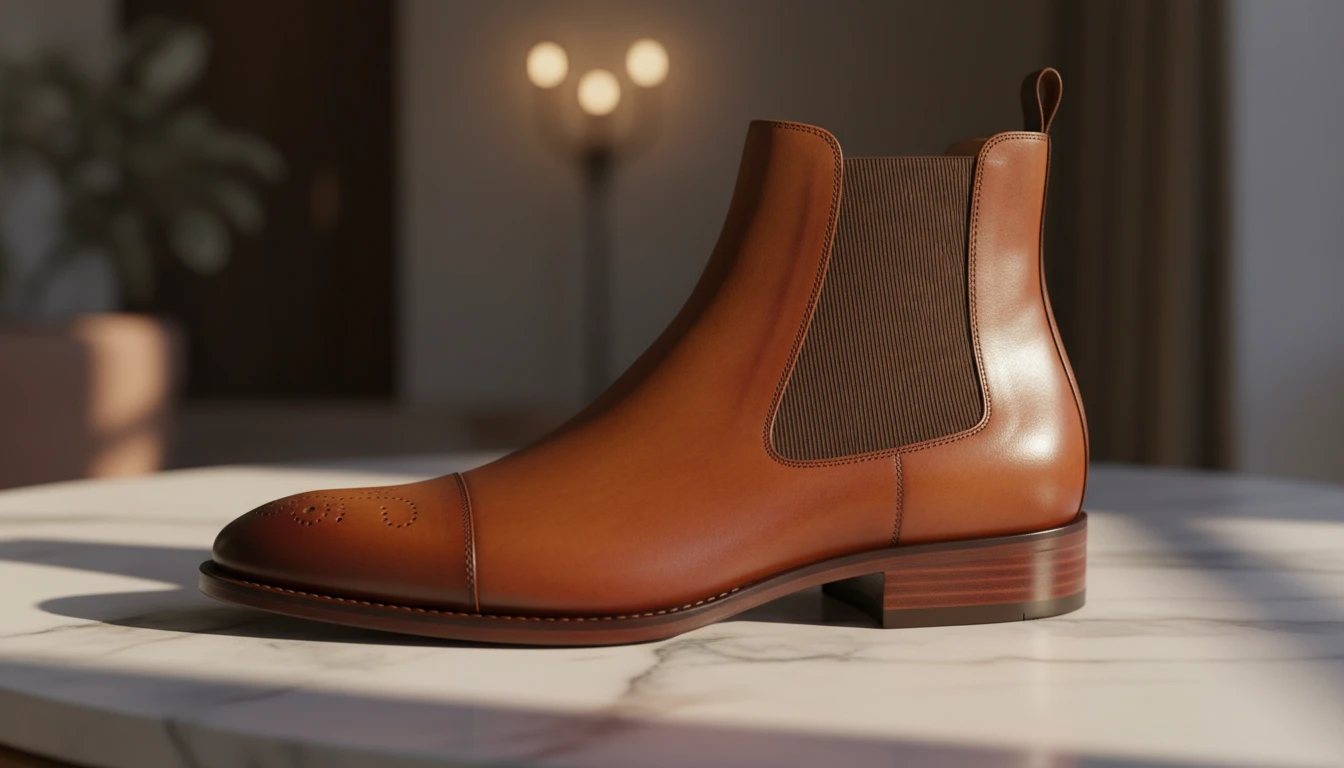
Full Physical Characteristics Profile
Every result includes a complete breakdown of the visible physical details: the primary colour and any accent colours, upper material with descriptive detail, sole type and tread pattern, closure method, shaft height, toe box shape, heel type and height, any surface pattern or embossing, and all visible hardware. This gives you the precise language to describe the footwear accurately when shopping, reselling, or writing about it.
See Physical Detail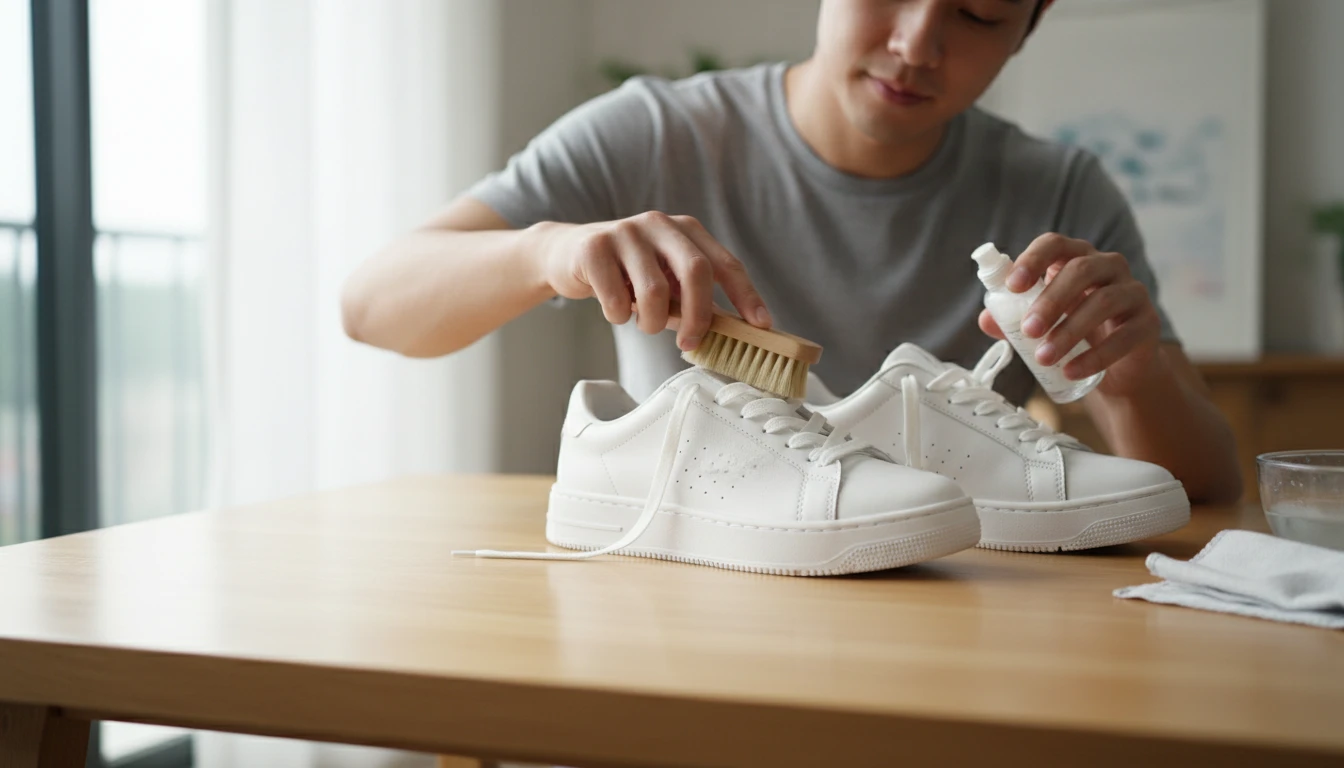
Performance Features and Care Guidance
The performance section identifies the intended primary use, visible comfort features such as cushioning and padding, performance technology where identifiable, and a style assessment. Use context badges tag the footwear for relevant activities: running, gym, office, casual, hiking, evening, travel, and more. The care section provides material-specific cleaning, storage, and durability guidance tailored to the exact construction of the identified footwear.
See Features and CareHow to Identify Footwear with AI
Upload a Footwear Photo
Upload any clear photo of shoes, boots, or other footwear. A side view showing the full profile works best. Ensure the brand logo, sole, and distinctive design features are visible.
AI Identifies Type, Brand, and Features
The AI analyses the silhouette, upper material, sole construction, closure, colour, hardware, and any brand markings to identify the footwear type, brand, and model.
Get the Full Footwear Profile
Receive a complete profile covering the identification, physical characteristics, performance features, use context badges, care instructions, similar footwear, and identification tips.
Who Uses It

Shoppers and Gift Buyers
Spotted a pair of shoes someone was wearing and want to know what they are? Upload a photo and get the type, brand, and model instantly. The similar footwear section helps you find alternatives if the exact model is out of stock or outside your budget.
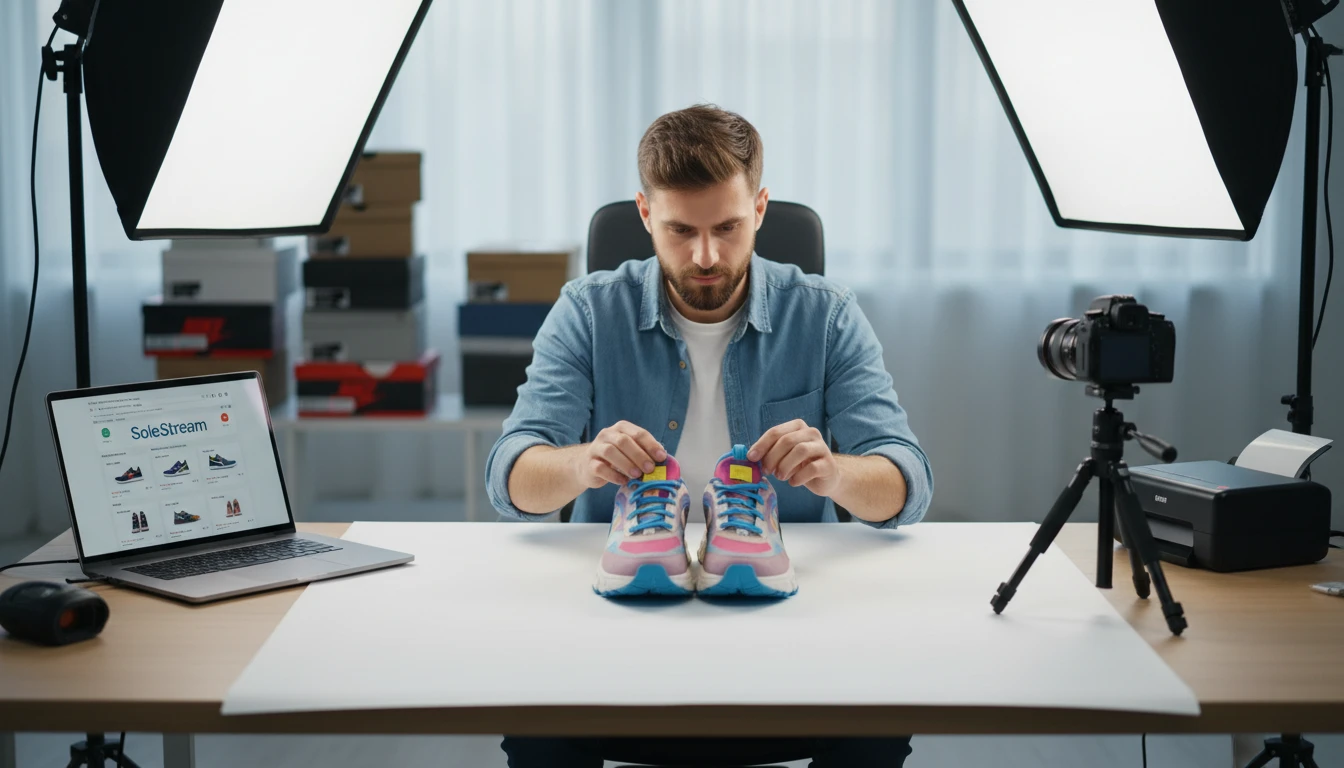
Resellers and Pre-Owned Buyers
Buying or selling pre-owned footwear? The identifier gives you the brand, model, and category details plus identification tips listing the visual cues that distinguish genuine versions of this style. Use the care section to assess and communicate the condition of the footwear accurately in listings.

Sneaker Collectors and Enthusiasts
Identify specific models, colourways, and editions from reference photos. The model identification and identification tips sections are particularly useful for distinguishing similar-looking releases, and the similar footwear section helps you explore related styles within the same family or brand.
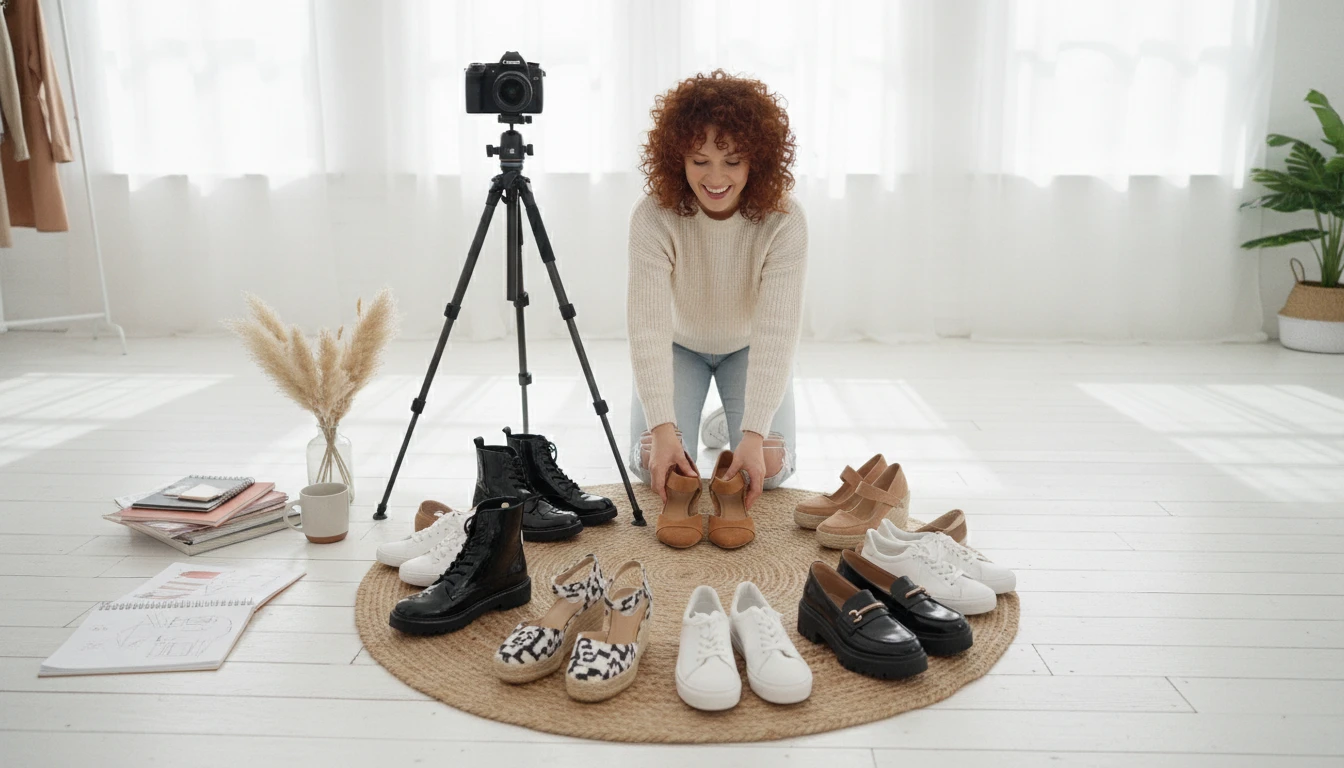
Fashion Writers and Content Creators
Writing about footwear trends, creating styling content, or producing product reviews? The identifier gives you precise footwear type names, brand information, material descriptions, performance feature details, and use context guidance to produce accurate content quickly.
Deep Dive
Footwear Categories
Footwear is designed for different purposes, activities, and environments. Understanding the main categories makes it easier to identify what you are looking at and communicate about it accurately.
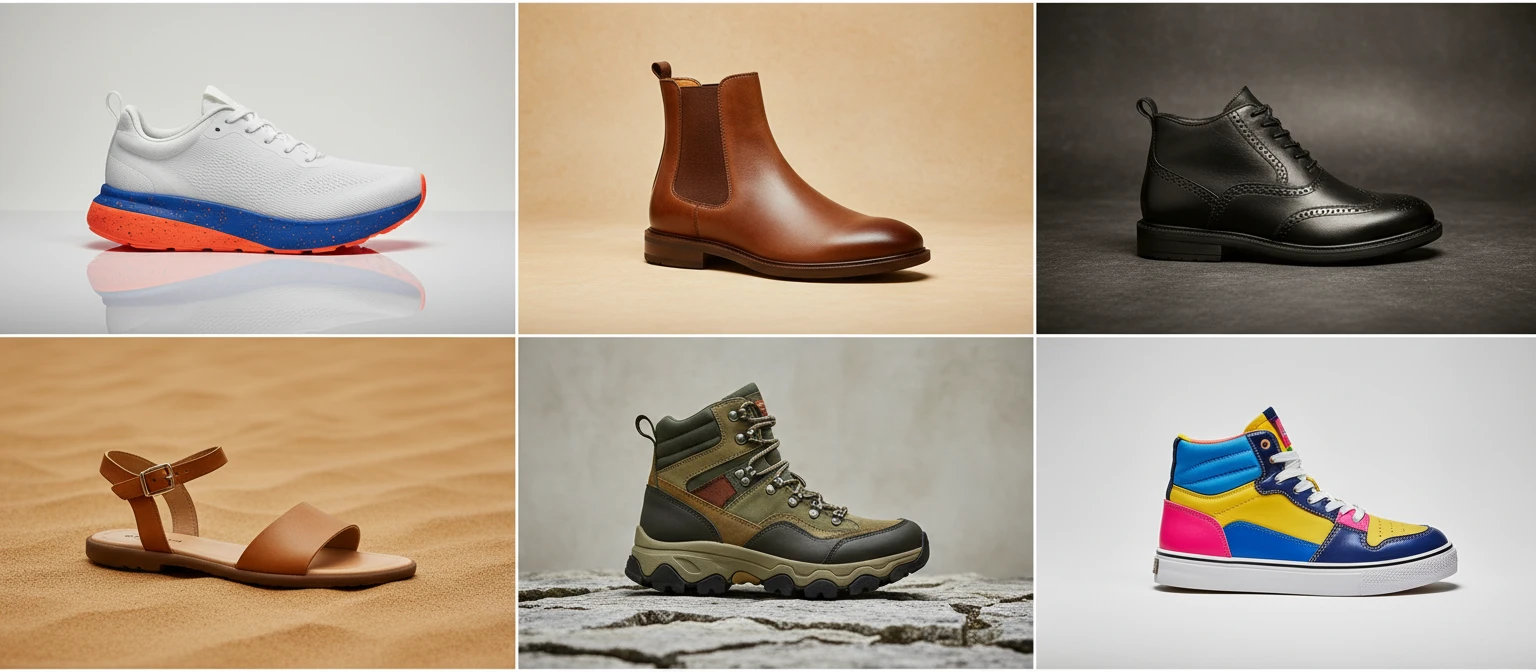
Note: Many footwear styles cross category boundaries. A hiking-inspired sneaker may combine athletic performance features with casual aesthetic. AI identification works best with clear side-view photos showing the full profile of the footwear.
Why Use It
Instant Type and Brand ID
Identify the specific footwear type, brand, and model from a photo in seconds, including the category, subcategory, gender targeting, and seasonal suitability.
Full Material and Construction Detail
Get a complete breakdown of the upper material, sole type, closure method, shaft height, toe shape, heel, and hardware visible in the photo.
Performance and Use Context
Understand what the footwear is designed for, what performance or comfort technologies are visible, and which activities and settings it is suited to.
Material-Specific Care Guidance
Get cleaning, storage, and durability guidance tailored to the exact upper material and construction of the identified footwear.
Frequently Asked Questions
How does the AI Footwear Identifier work?
You upload a photo of any footwear and the AI analyses the silhouette, upper material, sole construction, closure method, colour, hardware, and any visible brand markings. It identifies the footwear type and category, the brand and model where recognisable, and generates a full profile covering physical characteristics, performance features, care instructions, similar footwear, and identification tips.
How accurate is the footwear identification?
Accuracy is highest for clear, well-lit side-view photos where the brand logo, sole, and distinctive design features are clearly visible. The result includes a confidence rating. Very similar styles from different brands, heavily customised footwear, or images at unusual angles may yield lower confidence results.
What types of footwear can it identify?
The tool identifies a wide range of footwear including athletic shoes (running, basketball, football boots, hiking boots), casual footwear (sneakers, loafers, slip-ons), formal shoes (Oxfords, Derbies, heels), boots (Chelsea, combat, cowboy, ankle), sandals (flip-flops, sport sandals, heeled sandals), and many specialist styles.
Can it identify the specific model of a sneaker?
Yes, where the model is visually distinctive enough to identify from the image. The model identification includes the specific model name or line. For very similar colourways of the same model or limited editions where the only difference is the colour, confidence may be lower.
Can I use it to check if footwear is authentic?
The identification tips section lists specific visual cues that reliably identify this brand or model and how to distinguish it from similar-looking styles. However, photo-based identification has limitations for authentication. For high-value footwear, always seek specialist authentication from an expert or authorised retailer.
Is it useful for resale listings?
Yes. The identification, physical characteristics, and care sections together provide the key information needed for accurate resale listings: the precise type and model name, material description, condition-relevant care notes, and similar footwear for competitive pricing context.
What photo angle works best?
A clear side-view photo showing the full profile of the shoe or boot gives the most accurate result. This angle shows the upper silhouette, sole thickness and tread, closure, shaft height, and heel all in one image. A three-quarter front view is useful for showing the toe shape and any front-facing branding.
Identify Any Footwear Instantly
Sign up free and get 100 credits instantly. Upload any footwear photo and get a complete identification profile in seconds.
Disclaimer: This tool uses generative AI technology which may produce content that resembles copyrighted materials or that is inaccurate, incomplete, or out-of-date. It is provided for general information and educational purposes only and is not intended for illegal activities or to replace professional advice, diagnosis, or treatment. Users are solely responsible for how they use the generated content. If you plan to use AI-generated content commercially or publicly, we strongly recommend reviewing it for potential copyright issues and obtaining proper permissions where necessary. We accept no liability for copyright infringement or any other consequences resulting from the use of content generated by this tool.