Identify Any Sunglasses Style with Face Shape and Buying Guidance
Upload any sunglasses photo and get the frame shape, material, lens details, face shape suitability, style heritage, and pairing tips.
Identify Sunglasses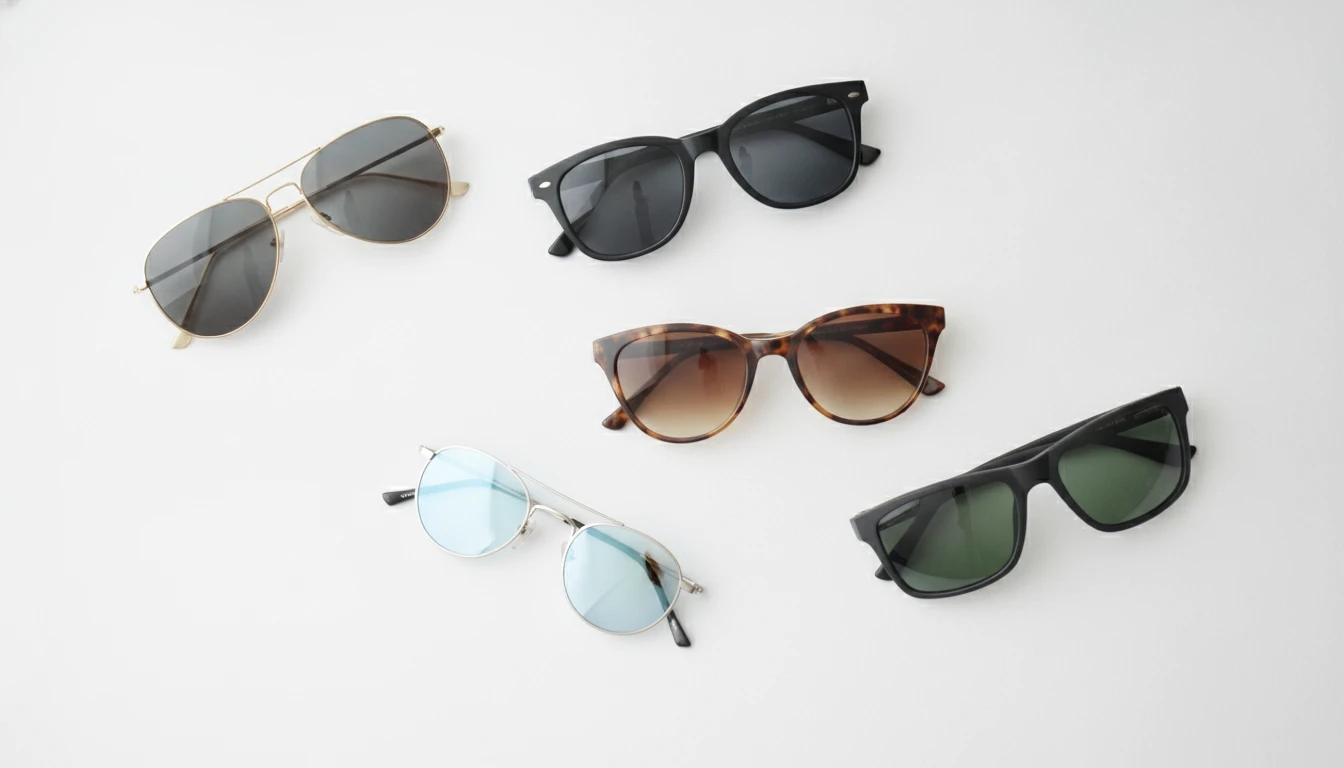
AI Sunglasses Style Identifier
Upload any photo of sunglasses and instantly identify the style. Get a full eyewear profile: frame design, lens details, face shape suitability, style heritage, and buying guide.
Upload a sunglasses photo
Works best with a clear front-facing photo of the frames. Shots on a flat surface, on a face, or against a clean background all work well.
or drag and drop an image here
Results
AI Sunglasses Style Identifier
AI Sunglasses Style Identifier
Upload a photo on the left and click analyse to see the results.
- Frame style, category, shape, rim type, and era of origin
- Frame material, colour, temple arms, nose bridge, and size
- Lens shape, colour, treatment, and coverage details
- Face shape suitability with best matches and styling tips
- Style heritage: cultural significance and notable brand associations
- Buying guide: price range, quality tips, occasions, and outfit pairing
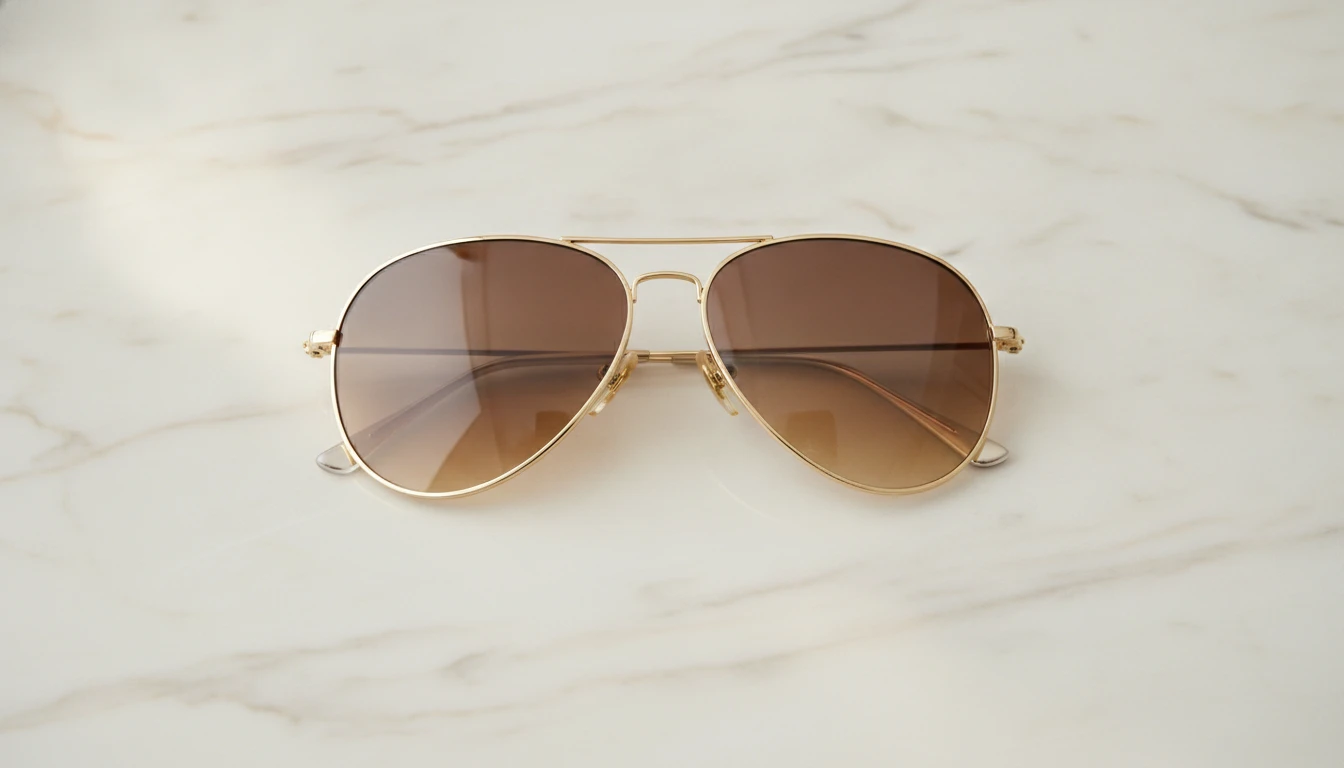
Precise Frame Style and Design Identification
Upload a sunglasses photo and the AI identifies the primary style (Aviator, Wayfarer, Cat-Eye, Round, Clubmaster, Oversized, Geometric, Shield, Wraparound, and more) along with the style category, rim type (full-rim, semi-rimless, or rimless), gender orientation convention, and the era and cultural context in which the style emerged. Every detail of the frame design is covered: material, colour, temple arm style, nose bridge type, hardware, and overall size category.
Identify Sunglasses
Lens Details and Face Shape Suitability
Every result includes a complete lens breakdown: lens shape, tint colour, surface treatments (mirrored, gradient, solid), polarization likelihood based on frame type, UV protection note, likely lens material, and the degree of eye coverage. The face shape suitability section then identifies which of the seven classic face shapes this style flatters most, which it suits adequately, and which may find it less flattering, together with a specific styling tip.
See Face Shape Guide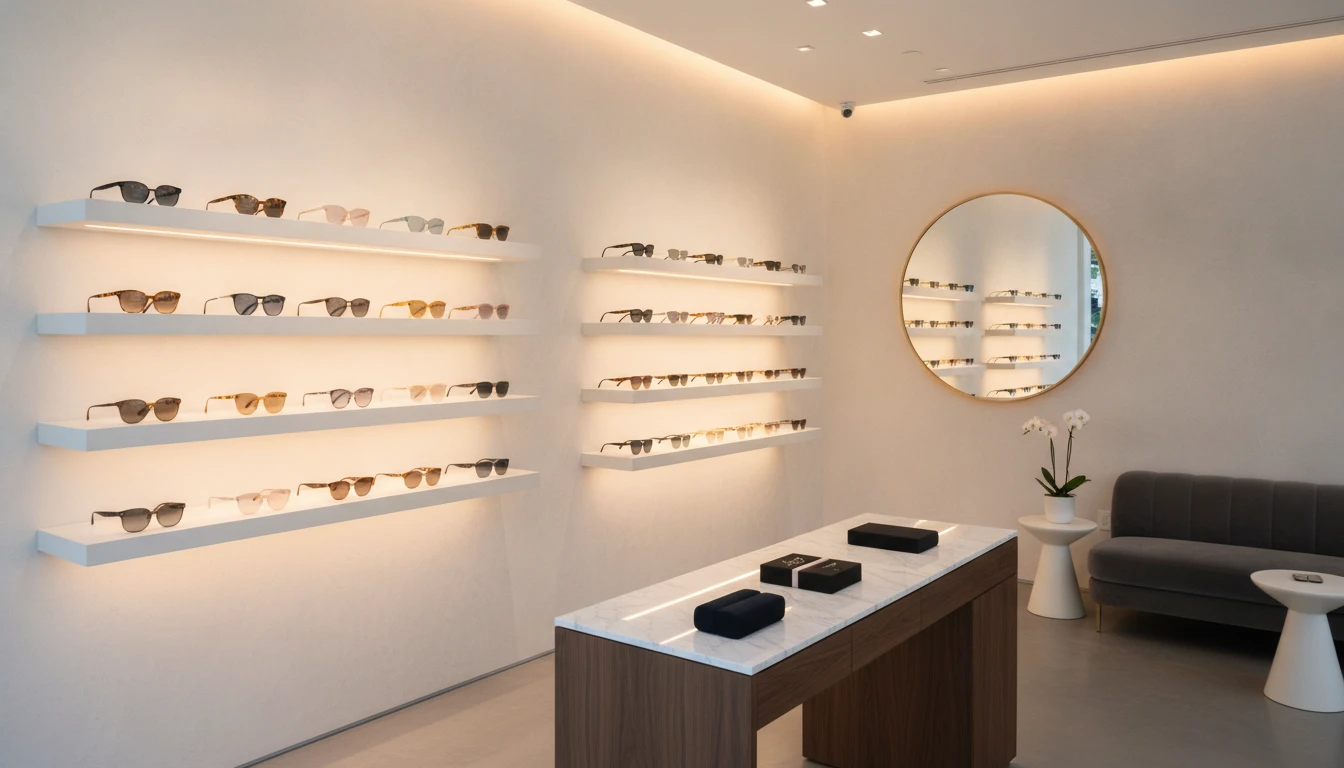
Style Heritage and Buying Guide
Beyond the identification, every result covers the style's origin story, the cultural moments and iconic figures that made it famous, its current trend status, and notable brands associated with it. The buying guide covers the typical retail price range across budget, mid-range, and premium tiers, the specific quality features to look for, the occasions and settings this style suits, which clothing aesthetics pair best with it, and frame-specific care tips.
See Buying GuideHow to Identify Sunglasses Style with AI
Upload a Sunglasses Photo
Upload any clear photo of sunglasses. A front-facing shot of the frames works best, whether the glasses are on a face, a flat surface, a stand, or against a clean background.
AI Identifies the Style
The AI analyses the frame shape, rim type, material, temple arms, nose bridge, lens shape, lens colour, and surface treatments to identify the style and design details.
Get the Full Eyewear Profile
Receive a complete profile covering frame style identification, design details, lens specifics, face shape suitability with styling tips, style heritage, and a buying guide.
Who Uses It

Fashion Shoppers
Spotted sunglasses on a friend, a celebrity, or an influencer and want to know the exact style so you can find them to buy? Upload a photo and get the frame style name, design details, and typical price range across budget, mid-range, and premium brands. The face shape suitability section then tells you whether the style will flatter your own face shape before you spend a cent.

Eyewear Retailers and Stylists
A customer comes in with a reference photo from social media and asks for something similar, or wants to know the name of a style they already own. Upload the photo and instantly identify the frame style, material, rim type, and design details to help you find a match in your inventory or recommend a complementary style from your range based on the face shape suitability guide.

Vintage and Secondhand Hunters
Found an interesting pair of sunglasses at a vintage market, charity shop, or online auction and want to know what you have? Upload a photo and get the style name, era of origin, frame material, and cultural context. The heritage section gives you the specific decade and cultural movement the style is associated with, helping you date the piece and understand its provenance.
Style Explorers
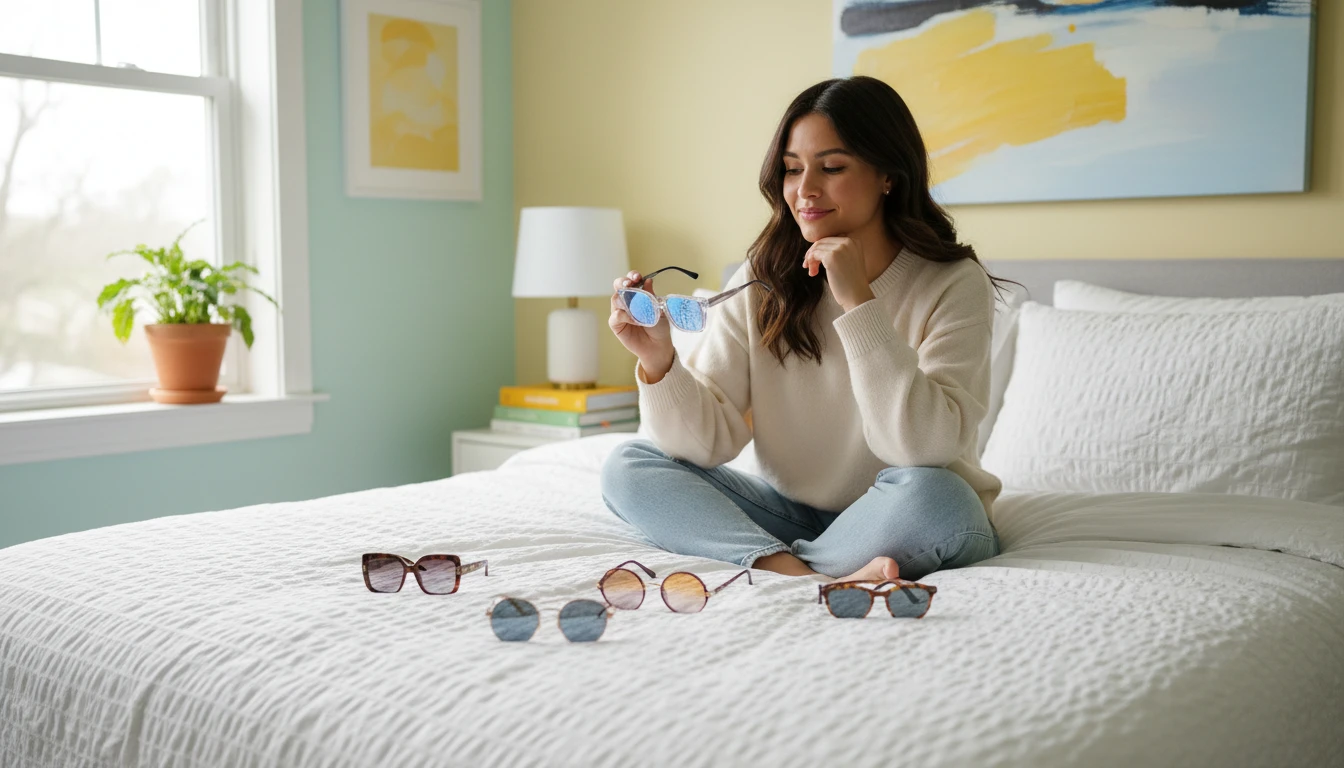
Curious about different sunglasses styles and which might suit you, but not sure where to start? Upload photos of styles you admire and get a clear explanation of each one's design language, cultural story, and face shape suitability, so you can build a shortlist of styles to try before visiting a shop or ordering online.
Deep Dive
Classic Sunglasses Styles
Sunglasses styles range from timeless classics that have endured for over a century to fashion-forward shapes that emerge each season. Understanding the major style families helps you find frames that suit your face, your wardrobe, and the occasions you dress for.
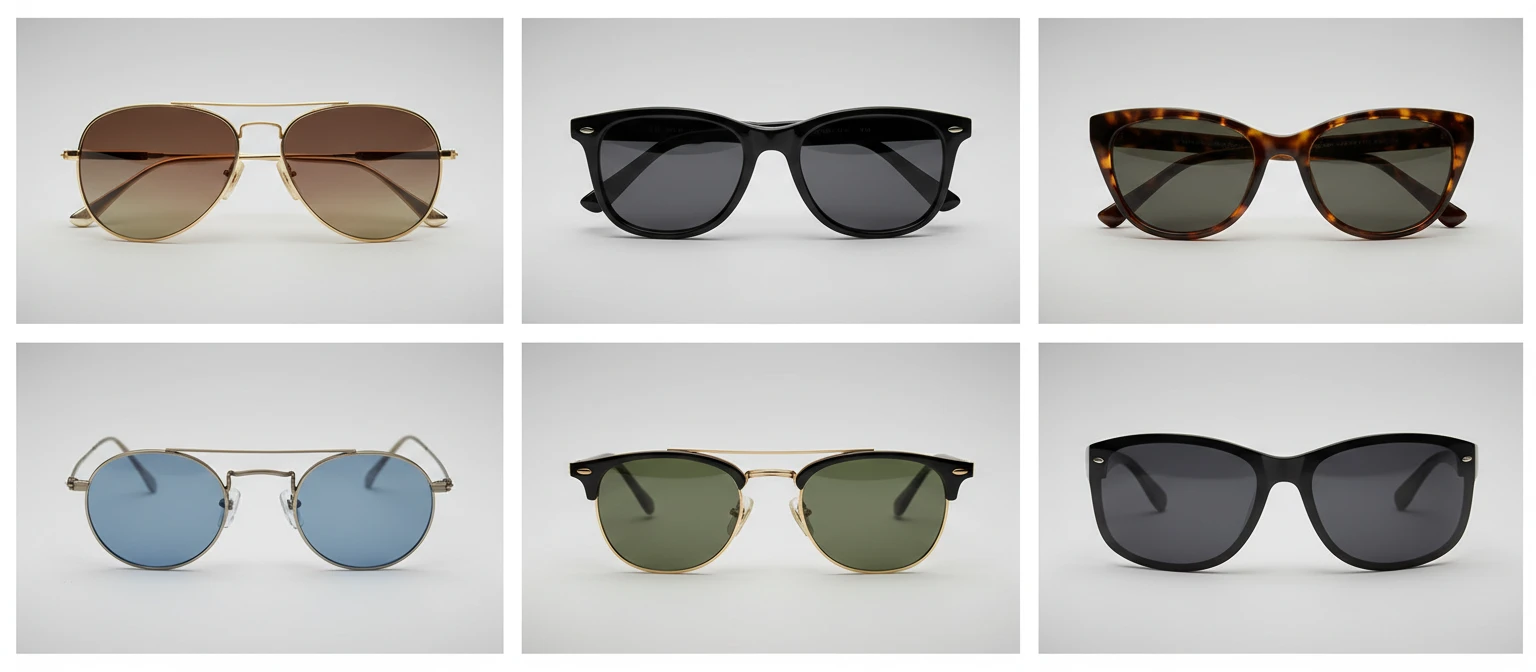
Note: beyond these classic styles, sport and performance frames (wraparound, semi-rimless), oversized luxury fashion frames, and rimless designs each represent distinct sunglasses categories with their own design conventions and face shape considerations.
Why Use It
Identify Any Frame Style Instantly
Identify sunglasses styles from photos of frames on a face, a flat surface, or a product shot. Covers all major styles from aviator and wayfarer to geometric, shield, and sport wraparounds.
Face Shape Suitability Guide
Every result tells you exactly which face shapes the style flatters most, which it suits adequately, and which may find it less complementary, with a specific styling tip for wearing it best.
Style Heritage and Cultural Context
Discover when the style was created, the cultural movements and iconic figures that made it famous, its current trend status, and the brands most associated with it.
Practical Buying Guide
Get a price range across budget, mid-range, and premium tiers, quality features to look for, the occasions the style suits, outfit pairing suggestions, and care tips.
Frequently Asked Questions
How does the AI Sunglasses Style Identifier work?
You upload any photo of sunglasses and the AI analyses the frame shape, rim type, material, temple arms, nose bridge, lens shape, lens colour, and any visible surface treatments to identify the style, provide full design details, assess face shape suitability, and generate the style heritage and buying guide.
Can it identify sunglasses from a photo of someone wearing them?
Yes. The AI can identify sunglasses from on-face photographs. A photo showing the full front of the frames with reasonable clarity is enough for a confident identification. Overhead or side-profile shots where the frame front is partially obscured may yield lower confidence results.
Can it identify the specific brand and model?
The AI identifies the frame style and provides notable brand associations for that style rather than confirming a specific branded product from a photograph alone. Many sunglasses styles are produced by dozens of brands at different price points, and visual identification of an exact brand and model from a photo is not always possible without visible brand markings.
Does it tell me which face shape I have?
The Sunglasses Style Identifier analyses the frames, not your face. It tells you which face shapes the identified style flatters most and least. To discover your own face shape, use the AI Face Shape Detector tool, then cross-reference with the face shape suitability information from this tool to find the most flattering frames for you.
Can it identify vintage or retro sunglasses?
Yes. The style heritage section of every result covers the era the style emerged from and the cultural context that defined it, which is particularly useful for dating vintage pieces. Clear front-facing photos of the frames give the best identification results for vintage sunglasses.
What photo gives the best result?
A clear, front-facing photograph of the frames on a flat surface, a stand, or a clean background gives the highest confidence result. On-face photos also work well if the full front of the frames is clearly visible. Avoid photos taken from a steep angle where the frame depth and lens shape are distorted.
Does it cover sport and performance sunglasses?
Yes. The identifier covers all major sunglasses categories including sport and performance frames such as wraparound designs, semi-rimless sport frames, and shield-lens sport styles. The result notes the performance-oriented features of each style including coverage, likely polarization, and material choices suited to active use.
Identify Any Sunglasses Style Instantly
Sign up free and get 100 credits instantly. Upload any sunglasses photo and get a complete eyewear style profile in seconds.
Disclaimer: This tool uses generative AI technology which may produce content that resembles copyrighted materials or that is inaccurate, incomplete, or out-of-date. It is provided for general information and educational purposes only and is not intended for illegal activities or to replace professional advice, diagnosis, or treatment. Users are solely responsible for how they use the generated content. If you plan to use AI-generated content commercially or publicly, we strongly recommend reviewing it for potential copyright issues and obtaining proper permissions where necessary. We accept no liability for copyright infringement or any other consequences resulting from the use of content generated by this tool.