Identify Any Vegetable with Its Botanical and Nutrition Profile
Upload any vegetable photo and get the botanical name, variety, freshness assessment, nutrition highlights, culinary profile, and tips for selecting, storing, and preparing.
Identify a Vegetable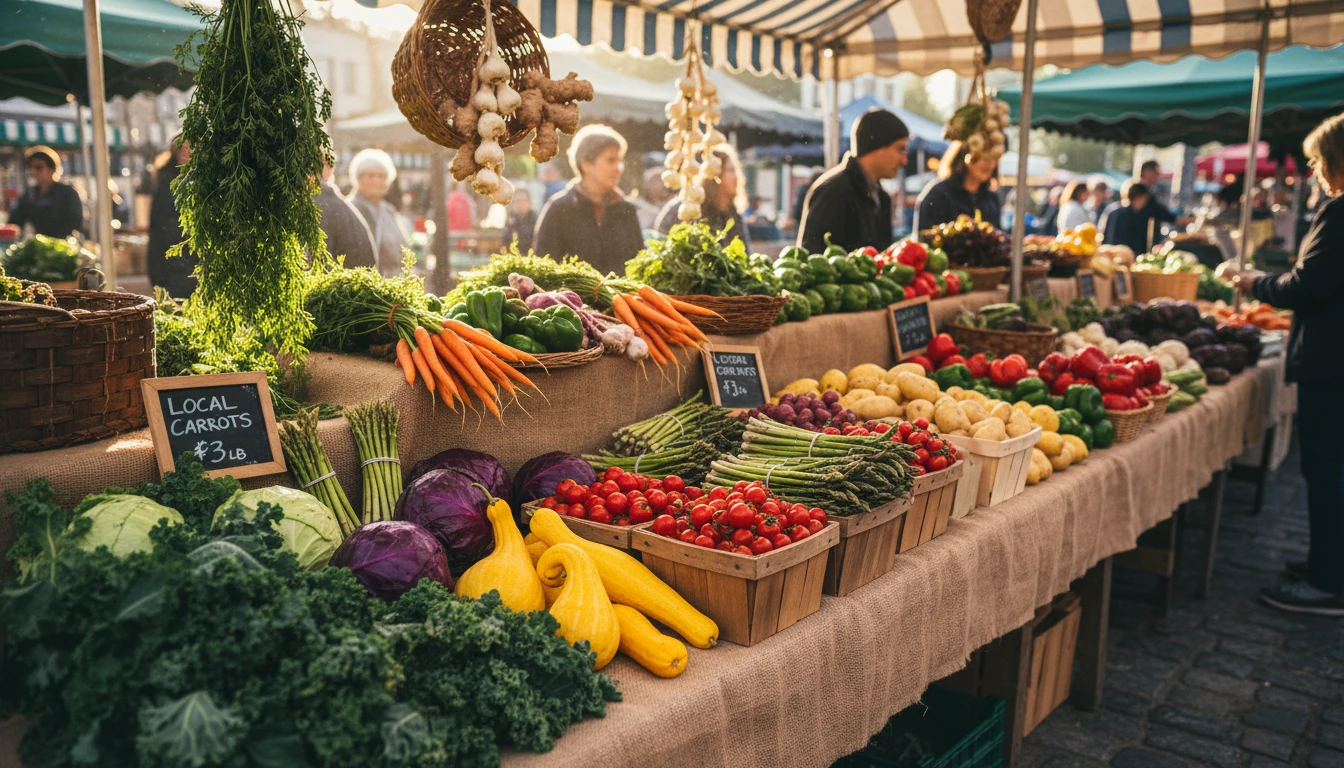
AI Vegetable Identifier
Upload a photo of any vegetable and get a full identification: botanical name, variety, physical characteristics, nutrition highlights, culinary uses, flavour profile, and selection and preparation tips.
Upload a Vegetable Photo
Supports JPG, PNG, WEBP. Works with whole vegetables, cut vegetables, and mixed vegetable photos.
or drag and drop an image here
Results
AI Vegetable Identifier
AI Vegetable Identifier
Upload a photo on the left and click analyse to see the results.
- Common name, botanical name, and specific variety identified
- Physical characteristics: colour, shape, size, texture, and freshness
- Nutrition highlights: key nutrients, health benefits, and calorie count
- Culinary uses: flavour profile, cooking methods, and food pairings
- Storage guidance and selection tips
- Works with whole, cut, and mixed vegetable photos

Botanical Name, Variety, and Vegetable Type
Beyond the common name, the identification covers the full botanical name (genus and species), the specific cultivar or variety where it can be determined from visual characteristics, the vegetable category with a plain-language explanation (for example, the difference between a root vegetable, a cruciferous vegetable, and a nightshade), the plant family, and both the native geographic origin and the main modern growing regions. This is the level of detail useful for curious cooks, students, and anyone who wants to understand what they are actually eating.
Identify a Vegetable Now
Nutrition Highlights and Health Benefits
The nutrition section covers the key vitamins, minerals, and bioactive compounds this vegetable is particularly rich in, the approximate calorie and fibre content per serving, the carbohydrate level with context, and four evidence-based health benefits associated with regular consumption. These are specific to the identified vegetable rather than generic wellness statements. For common vegetables this is precise; for exotic or regional varieties the information covers what is known and notes where data is limited.
See Nutrition Details
Culinary Profile and Selection Tips
The culinary section describes the flavour profile and aroma of the vegetable at its best, the texture when cooked, whether it is best raw or cooked, the most common culinary applications, and what foods and seasonings it pairs well with. The selection and preparation tips give practical market advice: what to look for when choosing, how to assess freshness by sight and touch, and the best basic preparation methods. These are the tips experienced cooks know and first-time buyers need.
Get Culinary TipsHow to Identify a Vegetable
Photograph the Vegetable
Take a clear photo of the vegetable in good lighting. Whole vegetables give the best overall identification; cut vegetables can help show internal characteristics. Multiple vegetables in one photo are supported.
AI Identifies and Analyses
The AI identifies the vegetable, determines the variety where possible, assesses freshness and quality, and produces a full analysis covering nutrition, culinary uses, and practical tips.
Get the Full Profile
Receive the complete vegetable profile: botanical name, physical description, nutrition highlights, culinary uses, food pairings, storage guidance, and selection tips.
Who Uses It
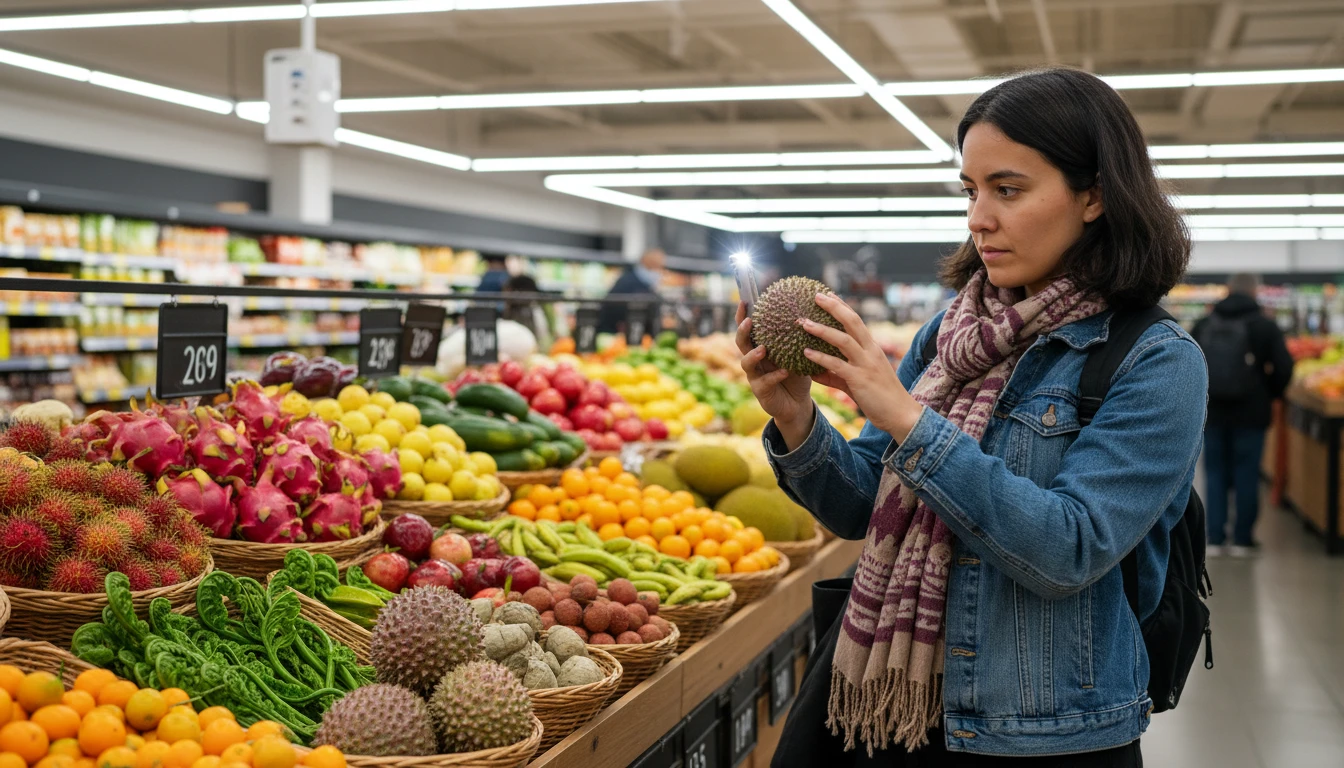
Curious Shoppers and Home Cooks
Encountered an unfamiliar vegetable at a farmers market, a specialty grocer, or while travelling? Photograph it and get the name, nutrition, flavour profile, culinary uses, and how to pick, store, and prepare it. The selection tips alone can save a disappointing purchase: knowing exactly what a fresh, quality specimen looks and feels like means buying well every time.

Nutrition-Conscious Eaters
Understand exactly what you are eating with specific nutritional information for each vegetable: the key vitamins and minerals, approximate calories per serving, fibre and carbohydrate content, and evidence-based health benefits. For anyone tracking dietary intake or exploring new vegetables for their nutrition profile, the nutrition highlights section gives the relevant information without having to search multiple sources.

Travellers and Food Explorers
Travelling through regions with unfamiliar local vegetables is one of the best parts of food exploration. Photograph a vegetable at a local market, street stall, or restaurant and find out what it is, how fresh it is, what it tastes like, how to cook it, and any preparation notes. The geographic origin and growing regions information gives cultural context alongside the botanical and culinary details.

Educators and Students
Use it in botany, biology, nutrition, and food studies classes to identify specimens and explore the botanical classification, geographic origin, and nutritional composition of different vegetables. The structured output follows the categories used in plant science and nutrition science, making it directly applicable to coursework and research projects.
Deep Dive
What the Identification Covers
Each vegetable identification produces a structured six-section profile covering every dimension of the vegetable from botanical classification to kitchen use.
Note: Nutritional values are approximate and based on typical specimens. Actual nutrient content varies by variety, growing conditions, freshness, and preparation method. For precise dietary needs, consult a registered dietitian.
Why Use It
Any Vegetable, Any Photo
Whole vegetables, cut specimens, mixed selections, exotic regional varieties, and common everyday produce. The AI adapts its analysis to what is visible.
Botanical Depth
Common name, botanical name, variety, vegetable type, plant family, and geographic origin all covered in the identification section.
Practical Culinary Guide
Flavour profile, texture, cooking methods, food pairings, and storage guidance to help you use every vegetable confidently in the kitchen.
Selection Tips That Work
Specific visual and tactile cues for choosing fresh, quality vegetables at a market, with preparation guidance once you get home.
Frequently Asked Questions
What types of vegetable photos does it work with?
Whole vegetables, halved or cut vegetables showing internal flesh, bundles of leafy greens, vegetables on the plant or vine, and mixed vegetable arrangements. Clear, well-lit photos where the vegetable is the main subject produce the most detailed identification. Photos with very busy backgrounds or vegetables as a minor element in a large scene may yield less specific variety identification.
Can it identify the specific variety of a vegetable?
Where the variety can be determined from visible characteristics such as colour, shape, size, and surface texture, the analysis identifies it. For example, a long thin orange carrot may be identified as a Nantes or Imperator type. Some varieties are visually very similar and cannot be distinguished from a photo alone: in these cases the analysis names the vegetable and notes that the exact variety is not determinable from the image.
Does it work with exotic or unusual vegetables?
Yes. The AI has broad knowledge of vegetables from around the world including tropical, subtropical, and regional varieties uncommon in Western grocery stores. For very rare or highly regional vegetables, the identification will describe what is visible and provide the closest match with appropriate uncertainty noted.
How accurate is the freshness assessment?
Freshness is assessed from the visual cues in the photo: colour, surface condition, any visible wilting, shrivelling, or discolouration, and other indicators specific to each vegetable type. The assessment reflects what is visible in the image. For vegetables whose freshness is better determined by touch or smell (such as asparagus or mushrooms), the analysis notes that a visual assessment has limits and explains what physical cues to use.
Can it identify multiple vegetables in one photo?
Yes. If multiple vegetable types are visible in the image, the AI identifies the primary vegetable in detail and notes other vegetables visible. For a photo focused on a single vegetable, the analysis is most detailed. For a mixed vegetable photo, the primary subject gets the full analysis and others are noted.
Are the health benefits and nutrition facts accurate?
Nutritional information and health benefits are based on established botanical and nutritional knowledge for each identified vegetable. Values are approximate and represent typical specimens. Actual nutrient content varies by variety, growing conditions, freshness, and cooking method. For precise dietary tracking or medical nutrition therapy, consult a registered dietitian.
Identify Your First Vegetable Instantly
Sign up free and get 100 credits instantly. Upload any vegetable photo and get a full botanical and culinary profile in seconds.
Disclaimer: This tool uses generative AI technology which may produce content that resembles copyrighted materials or that is inaccurate, incomplete, or out-of-date. It is provided for general information and educational purposes only and is not intended for illegal activities or to replace professional advice, diagnosis, or treatment. Users are solely responsible for how they use the generated content. If you plan to use AI-generated content commercially or publicly, we strongly recommend reviewing it for potential copyright issues and obtaining proper permissions where necessary. We accept no liability for copyright infringement or any other consequences resulting from the use of content generated by this tool.