Upload Two Photos and Get a Complete Facial Similarity Report
Compare any two faces across six dimensions, get an overall similarity score, a feature-by-feature breakdown, and a relationship likelihood assessment.
Compare Faces
Upload the First Face Photo
We'll open AI Face Studio next so you can add the second photo and compare the two faces.
Drag & drop person 1 here
A clear, front-facing photo works best — JPG, PNG or WebP, up to 15MB
Your photos are used only to compare these two faces for you.
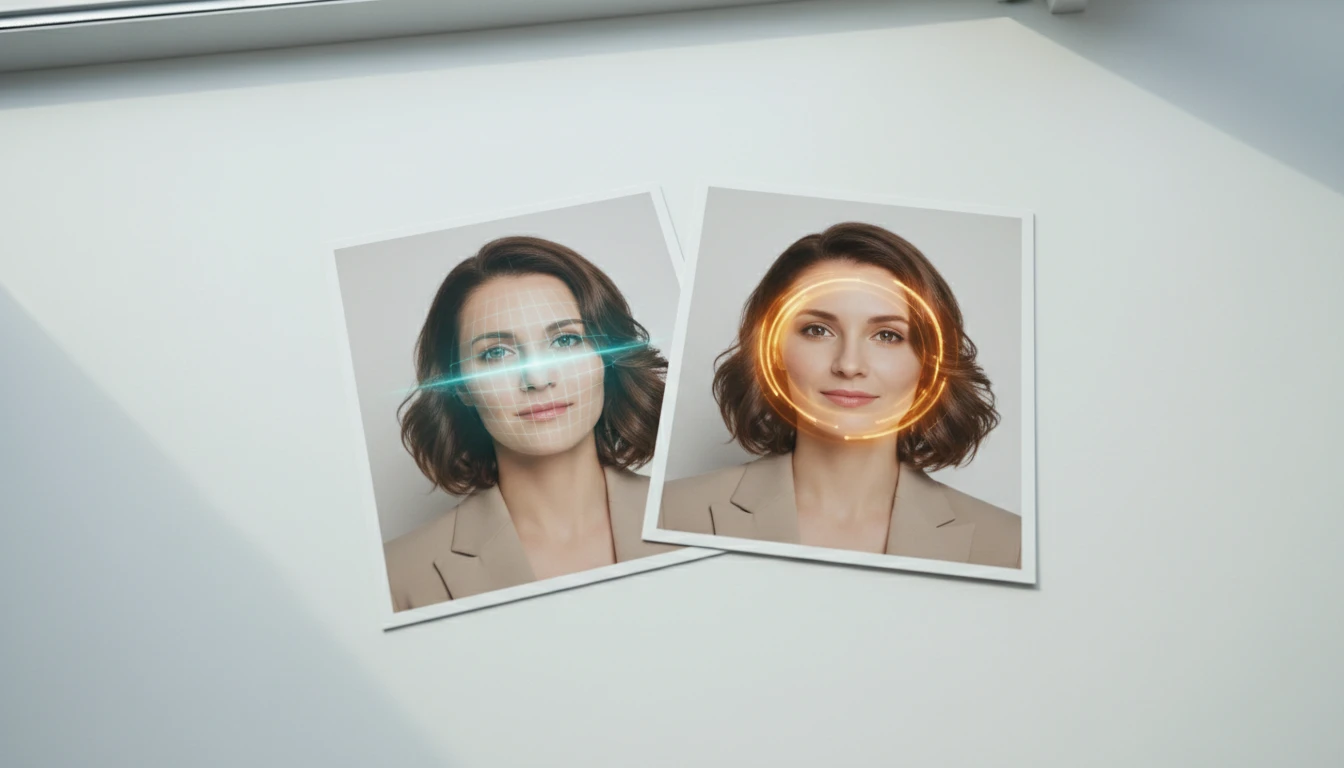
Two Photos Sent Separately. No Combining.
Many face comparison tools stitch your two photos into one combined image before sending to an AI. This distorts both faces, reduces image quality, and forces the model to reason about an unnatural side-by-side layout. This tool sends each photo as a separate image directly to the AI, exactly as the model is designed to receive them. The AI sees each face at full resolution and full context, then performs the comparison with access to both images simultaneously. The result is more accurate facial analysis with no quality loss from canvas merging.
Compare Faces Now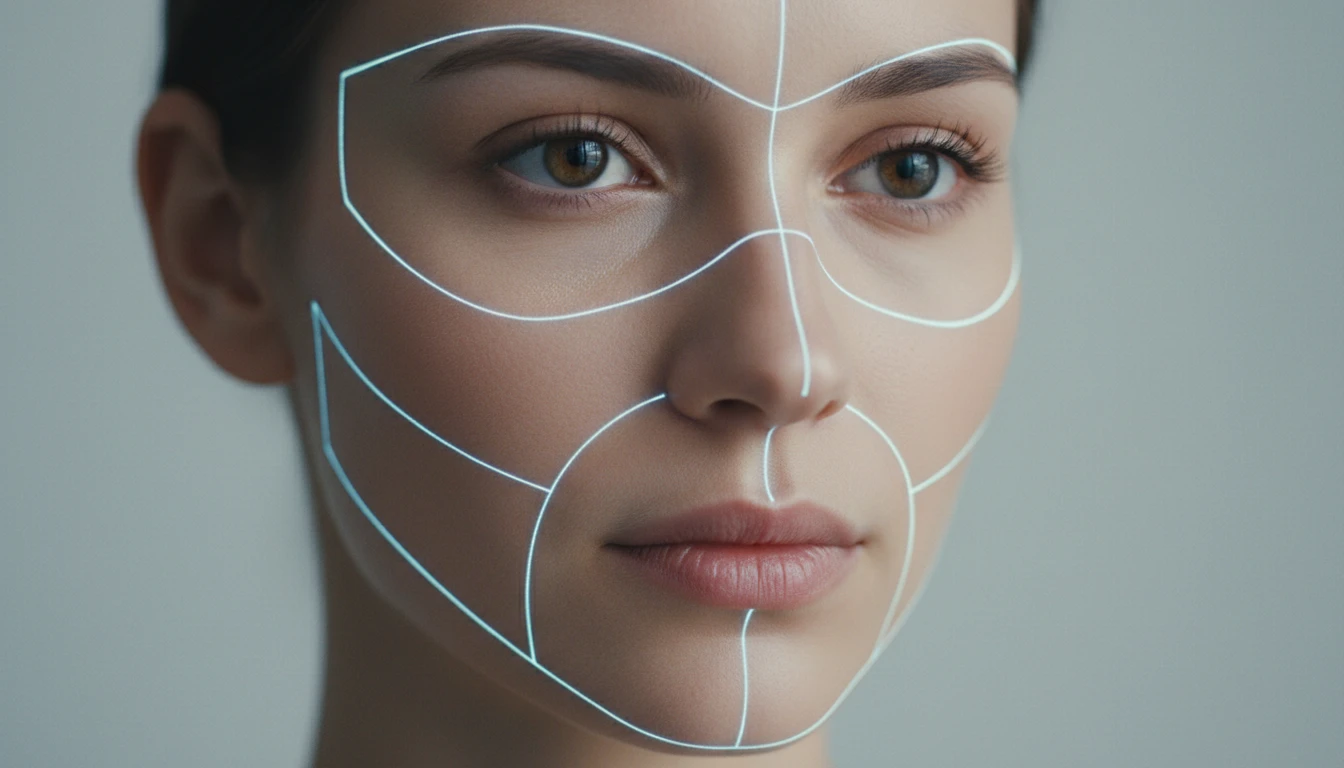
Six Facial Dimensions Analyzed
The comparison covers every major facial region: face shape (oval, round, square, heart, diamond, oblong, or triangle), eyes (shape, spacing, and distinctive features), nose (bridge shape, width, tip), mouth (lip shape, width, fullness), chin (rounded, square, pointed, or cleft), and cheekbones (high, moderate, or low prominence). Each dimension is analyzed independently for both people, then compared directly. You see both where the faces converge and where they diverge, with specific language rather than generic similarity ratings.
See the Analysis
Similarity Score with Written Reasoning
Beyond a single percentage number, the tool explains what drives the similarity assessment. The relationship likelihood section gives both a related percentage and an unrelated percentage, then provides a written explanation identifying the specific shared traits that suggest family connection or the divergent traits that work against it. Eye shape and spacing, nose bridge, and lower jaw structure are the strongest genetic markers in facial similarity. The reasoning section names which of these are aligned and which are not for the two specific faces in your photos.
Get Your ScoreHow to Compare Two Faces
Upload the First Face Photo
Click the Person 1 upload zone and select a clear, front-facing photo. The face should be well-lit and visible without sunglasses, heavy shadows, or significant obstructions. A portrait or selfie works well.
Upload the Second Face Photo
Click the Person 2 upload zone and upload the second photo. The same photo quality guidelines apply. The two photos do not need to match in lighting, background, or framing style.
Get Your Full Comparison Report
The AI analyzes each face independently then compares them across all six facial dimensions. Receive the similarity score, feature-by-feature breakdown, specific similarities and differences, and the relationship likelihood assessment with written reasoning.
Who Uses It

Family Resemblance Curiosity
Compare yourself to a parent, grandparent, sibling, or child to see which features you share most strongly. Use old family photos or recent ones. The tool works with any clear face photo and will identify the specific features that run through your family line alongside those that are distinctly your own.
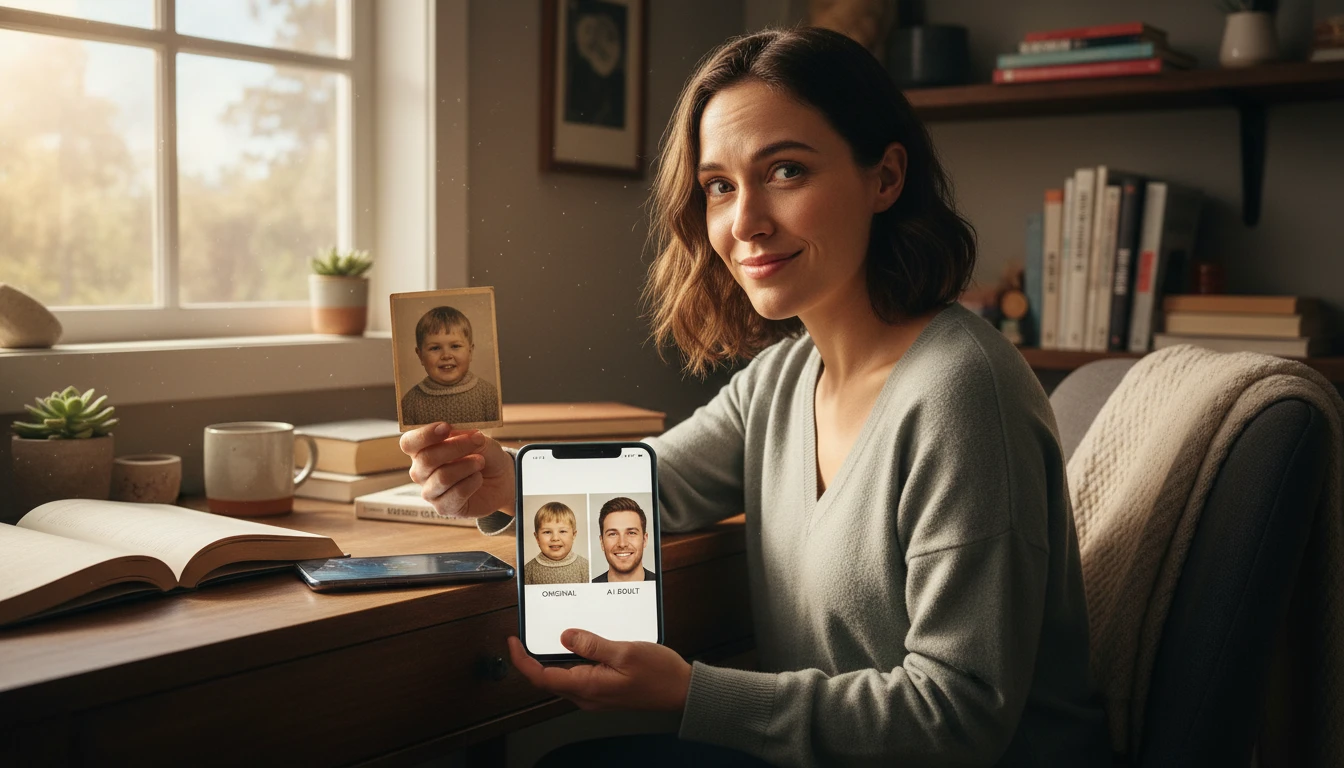
Childhood and Current Photos
Compare a childhood photo of yourself to a current photo to see how much your facial structure has changed and what has stayed the same. Face shape and nose bridge are among the most stable features across age. Eye spacing and bone structure also persist. See which childhood features carried forward.
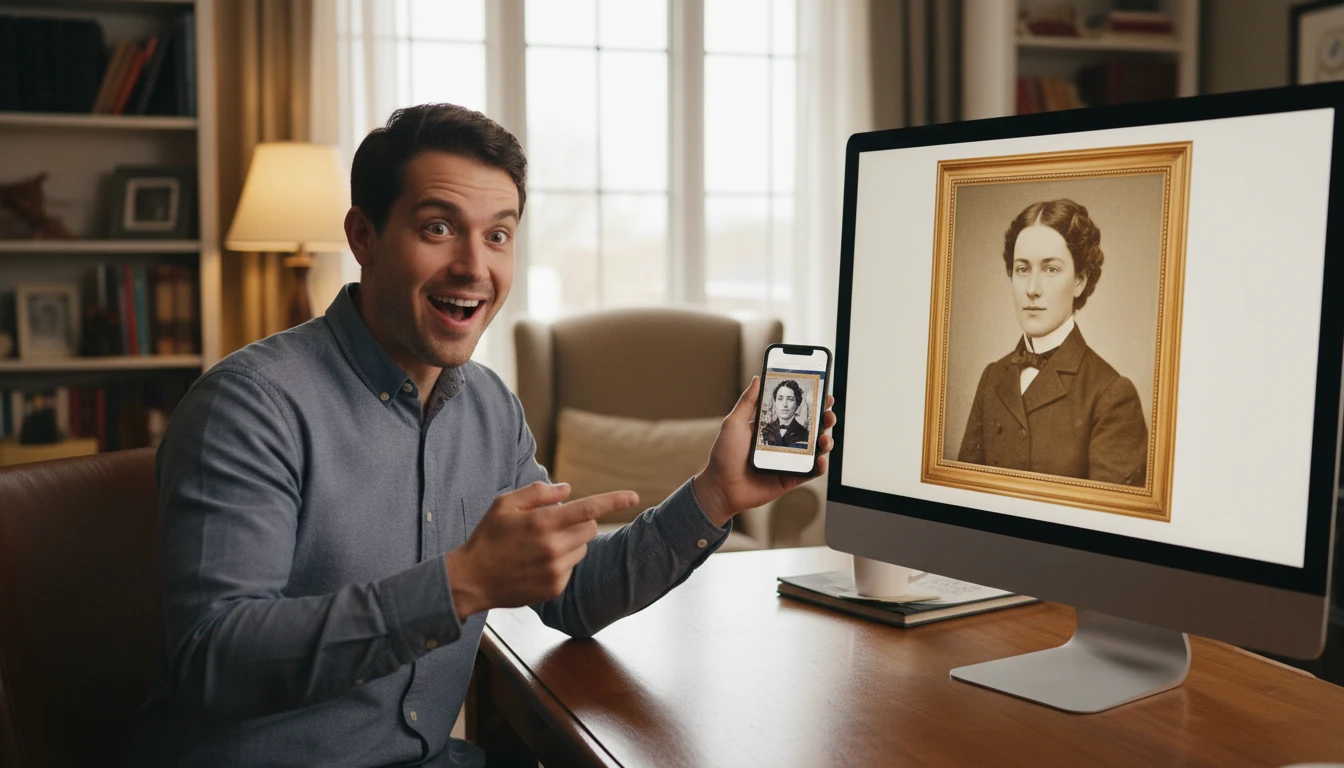
Celebrity or Historical Figure Comparison
Compare your face to a celebrity, a historical figure in a painting or photograph, or any other well-known face. Find out which features you share and get a detailed breakdown of how similar your overall facial structure is. For historical figures, the tool works with portrait paintings and older photographs.

Fun and Social Sharing
Compare faces with friends, partners, or coworkers to see who you look most similar to. The results are specific enough to generate real conversation: not just a number but specific features and a written explanation. Share the result directly from the results panel.
Deep Dive
How Facial Similarity Works
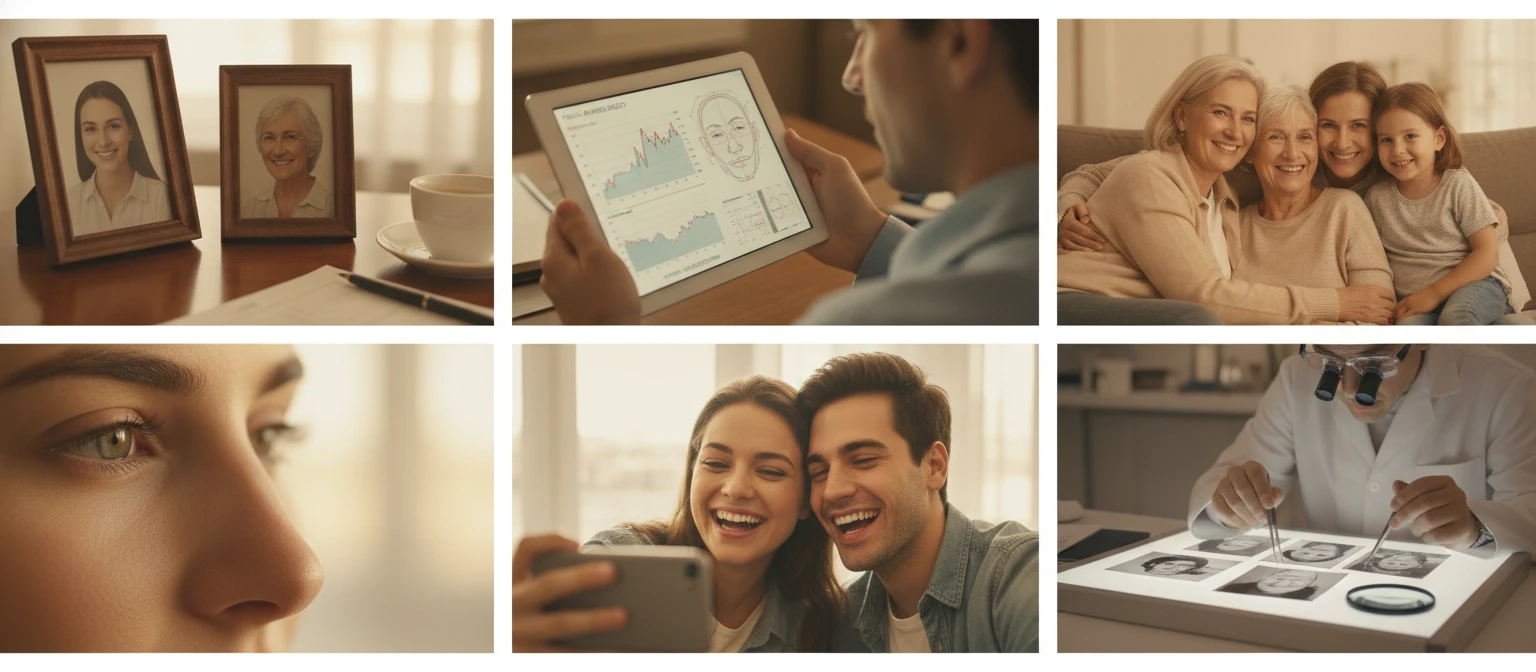
Understanding which facial features carry the strongest genetic signal helps you interpret the comparison results and understand what a high or low similarity score actually means.
Note: All face comparison results are for entertainment purposes only. The AI analyzes visual features from photographs and cannot determine actual biological relationships. No photos are stored after analysis.
Why Use It
Two Separate Images, No Combining
Each photo is sent to the AI independently at full quality. No stitching, no canvas merging, no quality loss from combining images before analysis.
Six Facial Dimensions
Face shape, eyes, nose, mouth, chin, and cheekbones all analyzed individually for both people and compared directly.
Score Plus Written Reasoning
Not just a percentage. The relationship assessment explains which specific features drive the similarity score, in plain language.
Privacy First
Photos are processed for analysis only and not stored after the session. No images are retained, shared, or used for any other purpose.
Frequently Asked Questions
How does the AI Face Comparison tool work?
You upload two separate face photos, one for Person 1 and one for Person 2. The AI analyzes each photo independently, then compares them across six facial dimensions: face shape, eyes, nose, mouth, chin, and cheekbones. You receive an overall similarity score, a feature-by-feature breakdown, a list of specific similarities and differences, and a relationship likelihood assessment with written reasoning.
Are the two photos combined into one image before being sent to the AI?
No. Each photo is sent to the AI as a separate image. Many comparison tools stitch two photos together on a canvas before sending, which reduces image quality and forces the AI to reason about an unnatural side-by-side layout. This tool passes each photo individually so the AI sees each face at full resolution and in its proper context.
What makes a good photo for face comparison?
Clear, front-facing photos where the face fills most of the frame work best. Even, diffuse lighting without harsh shadows is important. Avoid sunglasses, hats that shadow the face, or hair covering major facial features. Both photos do not need to match in background, framing, or lighting style, but each should individually show the face clearly.
What does the similarity score actually mean?
The similarity score reflects how closely the two facial profiles align across the features analyzed. Scores above 70% suggest substantial shared features consistent with close family relationships. Scores between 50% and 70% reflect moderate similarity. Scores below 50% suggest largely distinct facial profiles. Because all human faces share a similar basic structure, scores in the 40-60% range can occur between completely unrelated people. The feature-level breakdown and written reasoning provide more useful information than the single percentage alone.
Can this tool determine if two people are actually related?
No. The tool analyzes visual facial features from photographs and provides a likelihood assessment based on how closely those features align with known patterns of biological similarity. It cannot access genetic data or make definitive claims about actual biological relationships. The results are for entertainment and exploration purposes only.
Are my photos stored after the analysis?
No. Photos are processed for the analysis only and are not stored after the session ends. No images are retained, shared with third parties, or used for any purpose other than generating your comparison result.
Compare Two Faces Instantly
Sign up free and get 100 credits instantly. Upload two photos and get a complete AI face comparison with similarity score, feature analysis, and relationship likelihood.
Disclaimer: This tool uses generative AI technology which may produce content that resembles copyrighted materials or that is inaccurate, incomplete, or out-of-date. It is provided for general information and educational purposes only and is not intended for illegal activities or to replace professional advice, diagnosis, or treatment. Users are solely responsible for how they use the generated content. If you plan to use AI-generated content commercially or publicly, we strongly recommend reviewing it for potential copyright issues and obtaining proper permissions where necessary. We accept no liability for copyright infringement or any other consequences resulting from the use of content generated by this tool.