Convert STL Models to OBJ for DCC Editing, Texturing, and Rendering
Convert STL models into the universal Wavefront OBJ format for editing in Blender, Maya, ZBrush, Cinema 4D, Houdini, and virtually any other DCC application. OBJ unlocks UV mapping, material assignment, sculpting, and rendering workflows that STL cannot support.
Convert Now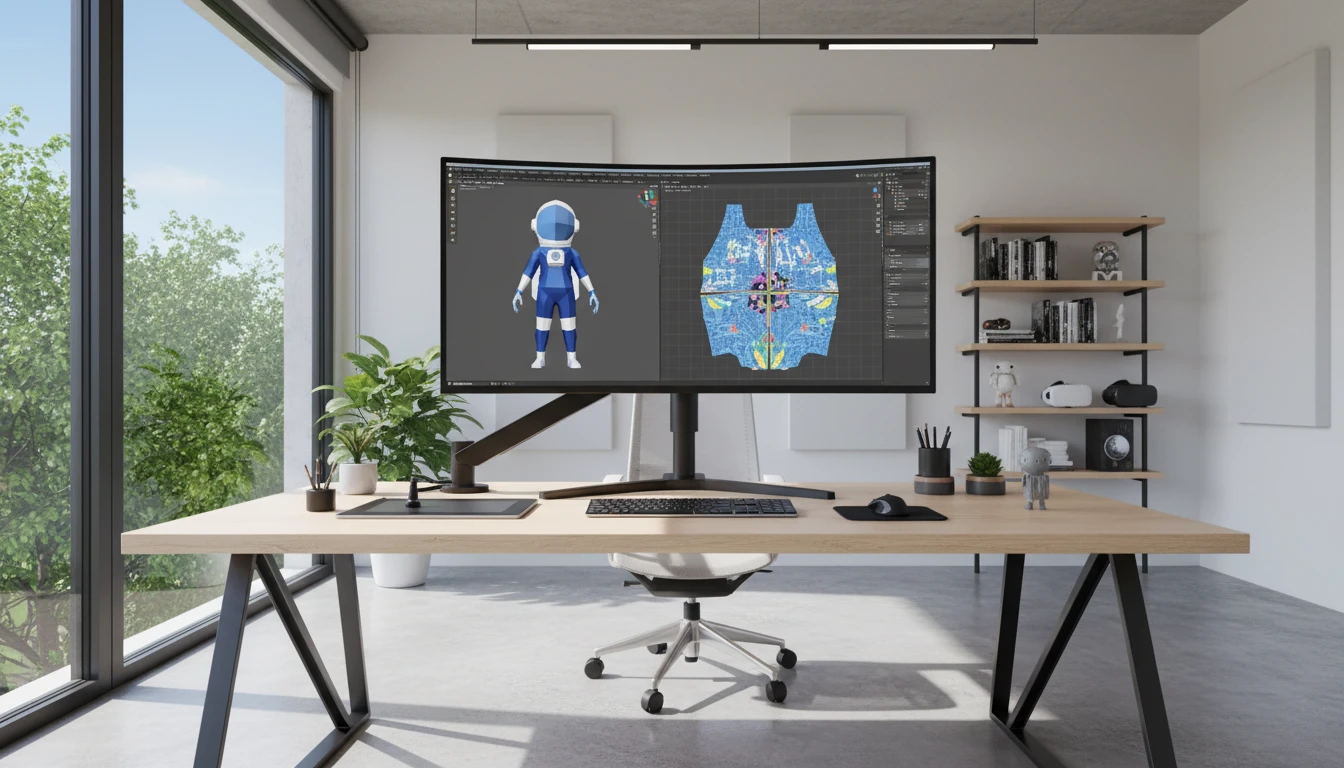
Convert STL to OBJ
Upload a STL file and download the converted OBJ — all processing happens on the server.
Drop your STL file here
or click to browse
Accepts .stl files
From Print Format to Universal DCC Mesh
STL encodes only triangle geometry with no material, UV, or metadata support, limiting what you can do with a model after exporting from a CAD tool or slicer. OBJ is the most universally compatible DCC mesh format, supported by Blender, Maya, ZBrush, Cinema 4D, Houdini, and hundreds of other tools without plugins. Converting STL to OBJ opens the model to the full DCC toolchain.
Convert Now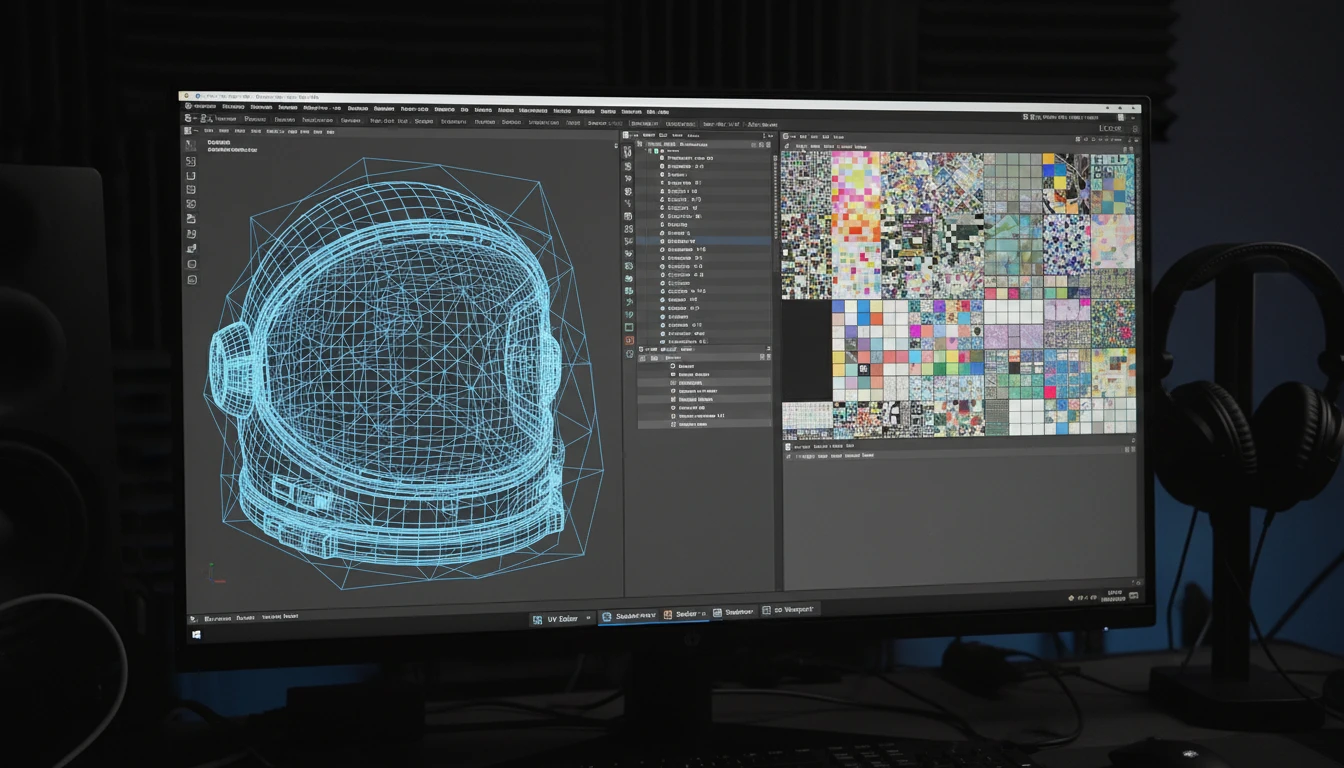
UV Mapping, Texturing, and Material Slots
OBJ supports UV texture coordinates and material definitions via a companion MTL file, enabling texture painting, UV unwrapping, and PBR material assignment workflows that are impossible with bare STL geometry. Converting STL to OBJ is the first step toward a fully textured and rendered version of a 3D print model.
Convert Now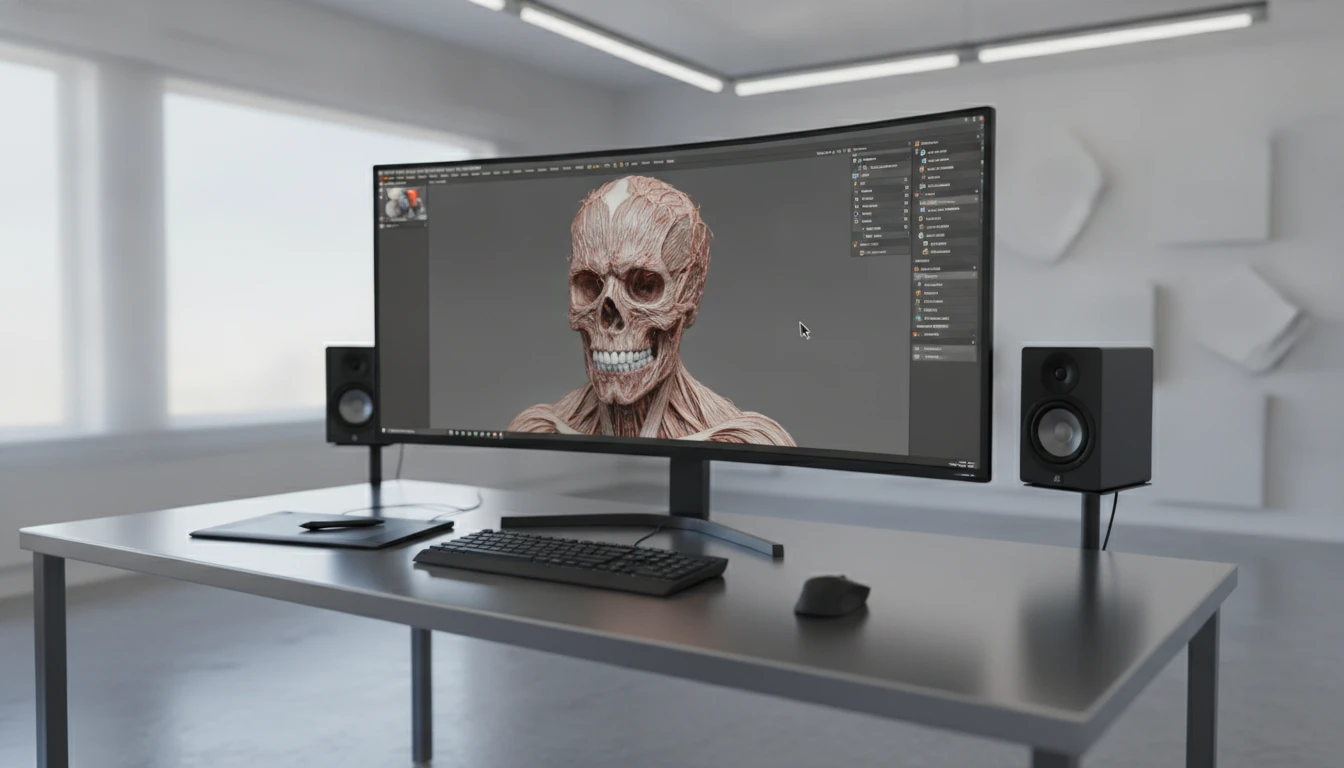
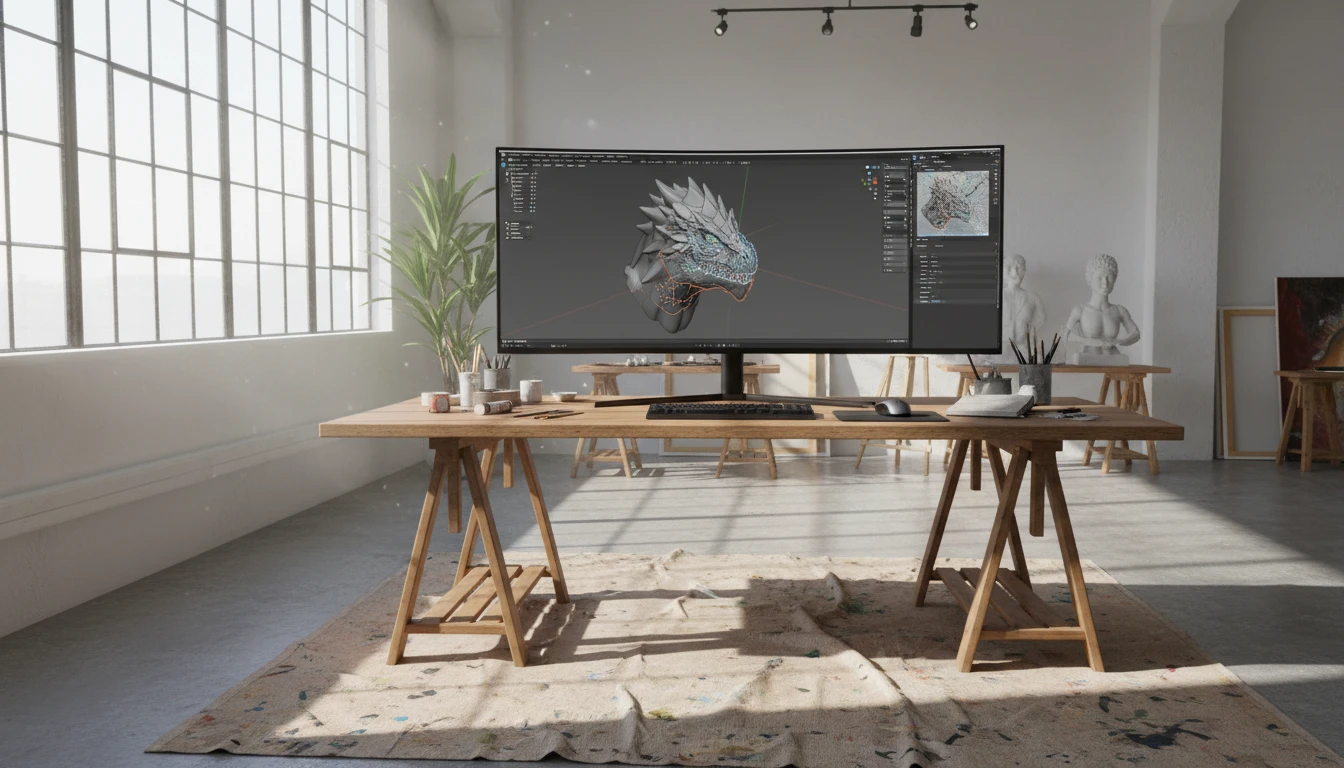
Sculpting and Retopology in ZBrush and Blender
ZBrush imports OBJ directly for high-resolution sculpting and uses OBJ as the standard export format for sculpted meshes. Blender's retopology and sculpt modes work natively with OBJ geometry. Converting STL to OBJ gives CAD and print models a direct path into sculpting and retopology workflows for adding surface detail or rebuilding topology for production use.
Convert NowHow to Convert STL to OBJ
Upload Your STL File
Drag and drop an STL file into the upload zone or click to browse. Both ASCII and binary STL files up to 100 MB are supported.
Sign In and Convert
Sign in to start the conversion. The server reads the STL triangle geometry and writes it as a Wavefront OBJ file ready for DCC import.
Download the OBJ
Once ready, click Download. The OBJ file is immediately importable into Blender, Maya, ZBrush, Cinema 4D, Houdini, and any other DCC tool or pipeline.
Deep Dive
STL and OBJ: Print Triangle Format vs. Universal DCC Mesh
Why Use It
No Software to Install
The conversion runs on the server. No Blender Python import-export scripts, MeshLab batch processing, or local Assimp CLI tools needed. Upload and download directly from your browser.
Universally Compatible
OBJ is accepted by every DCC application without plugins or special import settings. The converted file slots directly into Blender, Maya, ZBrush, Cinema 4D, and hundreds of other tools.
UV and Material Ready
OBJ supports UV texture coordinates and MTL material definitions, opening the model to UV unwrapping, texture painting, and PBR material assignment workflows that bare STL geometry cannot support.
Print to DCC Pipeline
STL is the 3D printing standard. OBJ is the DCC portability standard. Converting STL to OBJ bridges print-ready models into full DCC production pipelines for texturing, sculpting, rendering, and scene integration.
Who Uses It
Who Converts STL to OBJ
Frequently Asked Questions
Are both ASCII and binary STL files supported?
Yes. The converter handles both ASCII and binary STL input. Binary STL is more compact and the standard output of most CAD tools, but ASCII STL is also fully supported.
Does the OBJ output include normals from the STL?
Yes. The face normals from the STL file are written as OBJ vn (vertex normal) entries, preserving the surface normal information for DCC tools that use normals for rendering and shading.
Does the OBJ output include UV texture coordinates?
Standard STL does not carry UV texture coordinates. The converted OBJ will contain geometry and normals but no UV data. UV unwrapping can be performed after import in Blender, Maya, or ZBrush.
Is there a companion MTL file?
A basic MTL file with a default material is included with the OBJ output. Since STL does not carry material information, the MTL defines a default material that can be customized after import in your DCC application.
What is the maximum STL file size?
The converter supports STL files up to 100 MB. OBJ is an ASCII format, so the output may be larger than a binary STL source for the same geometry.
Convert Your STL File to OBJ Now
Upload your STL model and get a universal OBJ in seconds. No install, no manual steps.