Bring Your WMA Library into iTunes and Apple Music
iTunes and Apple Music do not support WMA. M4A is their native audio format. Upload your WMA file and get an M4A that imports directly into Apple Music, syncs to every iPhone, iPad, and Mac, and carries full metadata including album art.
Convert Now
Audio Format Converter
Upload any audio file, choose an output format, and download the converted result. Supports MP3, WAV, FLAC, AAC, OGG, ALAC, WMA, Opus and M4A.
Drop your audio file here
or click to browse

Import Directly into iTunes and Apple Music
iTunes and Apple Music only accept audio in their supported format list: AAC, MP3, WAV, AIFF, and Apple Lossless. WMA is not on that list, and attempting to drag a WMA file into Apple Music produces an error. M4A is the container format Apple Music uses for every track in its own library. Converting WMA to M4A produces a file that drops straight into Apple Music with full metadata, album art, and the lossless badge if applicable.
Convert Now
Sync Your Converted Library to Every Apple Device
Once an M4A file is in Apple Music or iTunes, it syncs to every connected iPhone, iPad, Apple Watch, HomePod, and Apple TV over USB or iCloud. No third-party apps, no workarounds. The M4A container is what Apple hardware expects, so every sync operation, metadata edit, and playlist feature works as designed.
Try It Now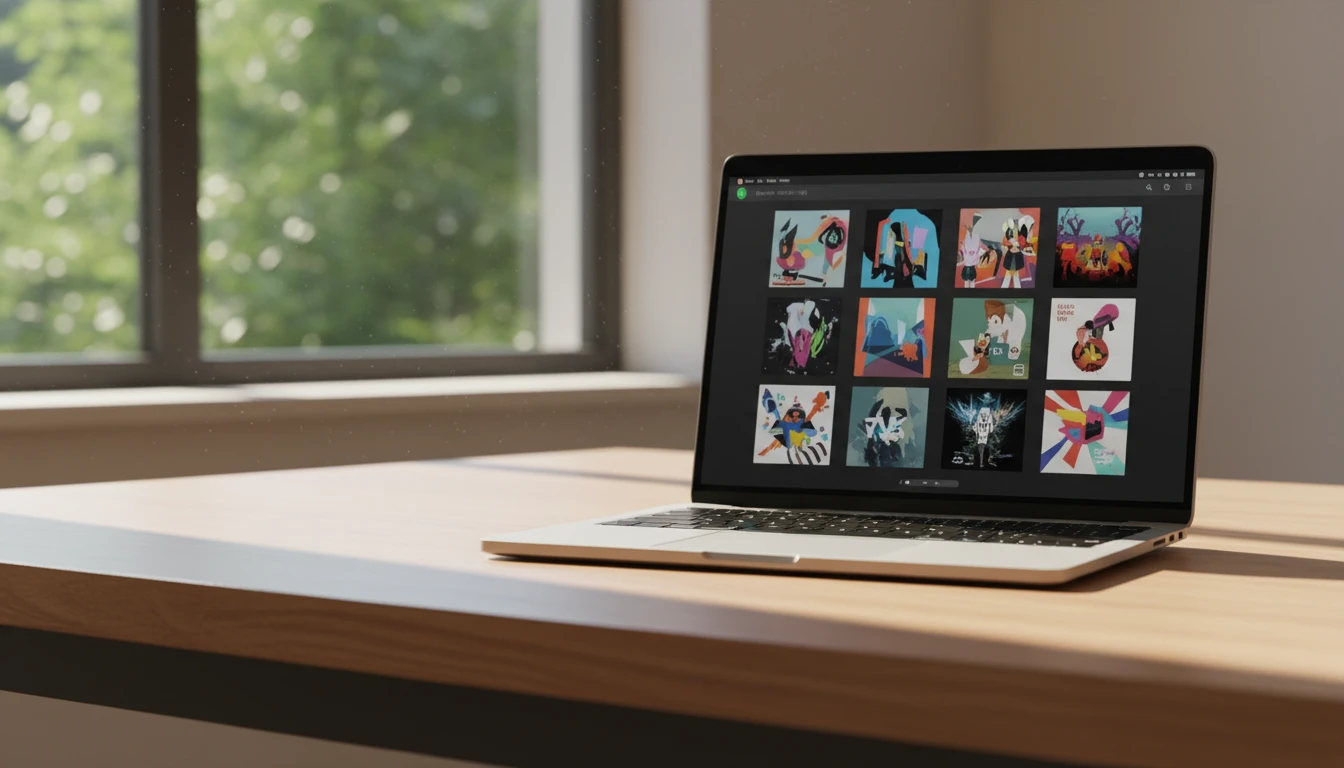
Preserve Album Art, Track Numbers, and Full Metadata
The M4A container (MPEG-4 Part 14) supports a rich metadata standard including track title, artist, album, genre, year, track number, disc number, and embedded album art. FFmpeg transfers all available metadata from the WMA source into the M4A output. Your converted library arrives in Apple Music fully tagged and ready to browse without manual metadata cleanup.
See It in ActionThree steps from WMA to an Apple-ready M4A
Upload your WMA file
Drop any WMA file onto the tool or click to browse. Files from Windows Media Player, Zune, Windows Media Center, or any WMA-producing application are accepted.
Convert to M4A
Click "Convert". FFmpeg decodes the WMA audio stream to PCM and re-encodes it as AAC inside an M4A container. Metadata including album art is carried across from the source.
Download and import your M4A
Download your .m4a file. Drag it into iTunes or Apple Music, AirDrop it to an iPhone, or open it in any Apple app that reads M4A.
Deep Dive
WMA vs M4A: Windows Native Codec vs Apple Native Container
WMA is Microsoft's audio format, built for Windows Media Player and the Windows audio stack. M4A is Apple's audio container, used for every track in iTunes, Apple Music, and the iOS Music app. Converting between them is a platform migration.

Our converter uses FFmpeg to decode WMA and re-encode as AAC inside an M4A container, with metadata transferred from the WMA source file.
Why Convert WMA to M4A
Imports Directly into Apple Music
M4A is Apple's native audio format. Converted files drop into iTunes and Apple Music with no errors, full metadata, and album art.
Syncs to Every Apple Device
Once in Apple Music, the M4A file syncs to any connected iPhone, iPad, Apple Watch, HomePod, or Apple TV automatically.
Full Metadata Preserved
Artist, album, track title, genre, year, track number, and embedded album art all transfer from WMA into the M4A container.
Fast Conversion
Most WMA files convert to M4A in under 30 seconds on dedicated FFmpeg servers.
Who Uses It
Who Converts WMA to M4A
Windows-to-Mac switchers, Zune library owners, Windows Media Center recording holders, and anyone who has built an audio library on Windows and wants to migrate it fully into Apple Music.

Converts using FFmpeg on dedicated servers.
Frequently Asked Questions
Why can't I import WMA files into Apple Music or iTunes?
iTunes and Apple Music only support formats in Apple's accepted list: AAC (.m4a), MP3, WAV, AIFF, and Apple Lossless (ALAC). WMA is a Microsoft proprietary format not included in Apple's audio stack. Converting to M4A produces a file that Apple Music and iTunes accept natively, with full metadata and album art support.
What is the difference between M4A and AAC?
Both contain the same AAC audio. M4A is an MPEG-4 container that wraps the AAC stream and supports full metadata including embedded album art, lyrics, track numbers, and genre. A bare AAC file (.aac) has limited metadata support. Apple Music and iTunes prefer M4A for library imports because the container handles all the metadata fields the library uses.
Does converting WMA to M4A reduce audio quality?
Yes, slightly. Both WMA and AAC are lossy codecs, so the conversion applies a second round of lossy compression on top of the original WMA encoding. At a high AAC output bitrate (256 kbps), the additional quality penalty is minimal and typically inaudible to most listeners. Keep the original WMA files as a backup since no quality information can be recovered from the M4A output.
Will my album art and metadata transfer to the M4A file?
Yes. FFmpeg reads the metadata from the WMA source and writes it into the M4A container. Artist, album, track title, genre, year, track number, and embedded album art all transfer automatically. After importing the M4A into Apple Music, all tags are immediately available and editable within the app.
Can I AirDrop the converted M4A to my iPhone?
Yes. AirDrop transfers .m4a files to iPhone. The recipient can save the file to the Files app or add it directly to Apple Music. This is the fastest way to move a converted track to an iPhone without a cable connection.
Is there a file size limit?
The upload limit is 100 MB per file. Most WMA audio files are well within this limit.
Ready to Convert Your WMA to M4A?
Upload your WMA file above and get an Apple-ready M4A with full metadata in seconds.