Turn WMA Files into MP3s That Play Everywhere
WMA only works reliably on Windows. MP3 works on every car stereo, Android phone, Bluetooth speaker, podcast platform, and USB device ever made. Upload your WMA and get a universally compatible MP3 in seconds.
Convert Now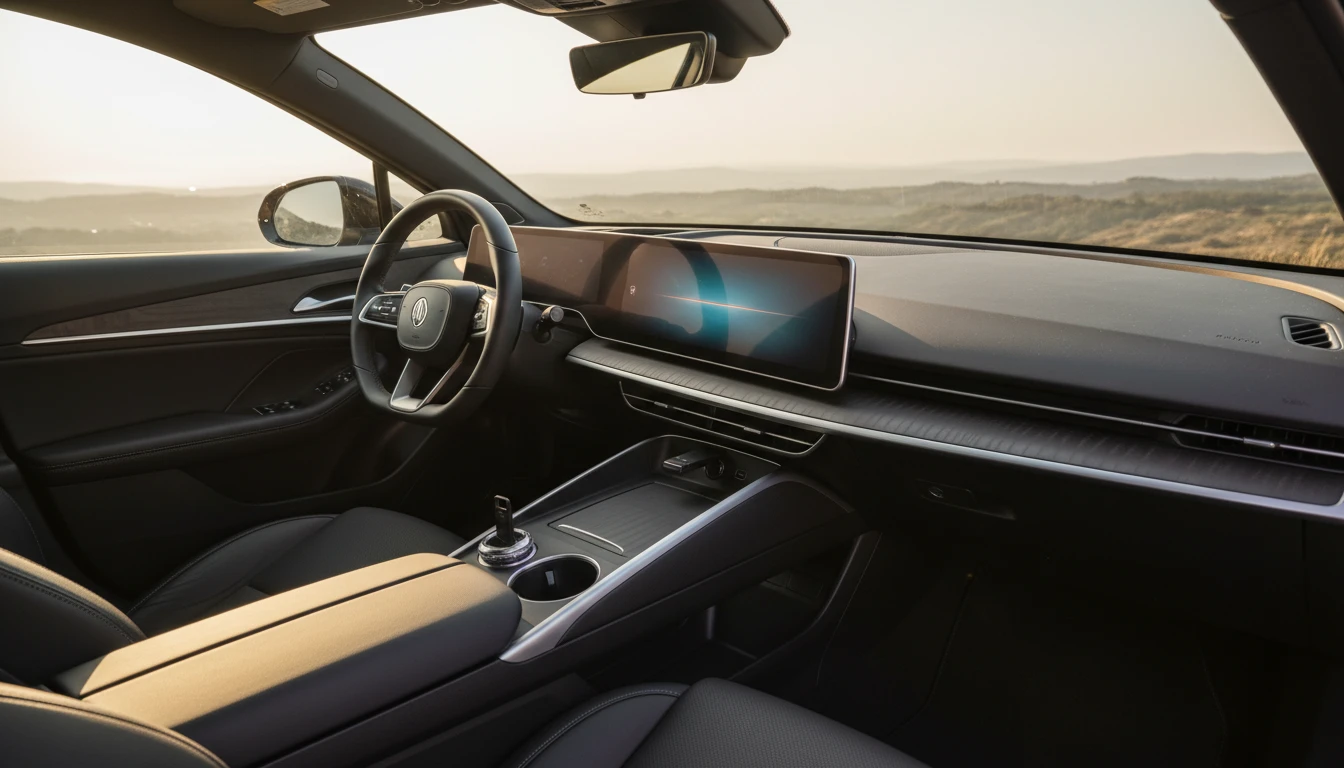
Audio Format Converter
Upload any audio file, choose an output format, and download the converted result. Supports MP3, WAV, FLAC, AAC, OGG, ALAC, WMA, Opus and M4A.
Drop your audio file here
or click to browse
Play Your WMA Music in Any Car Stereo
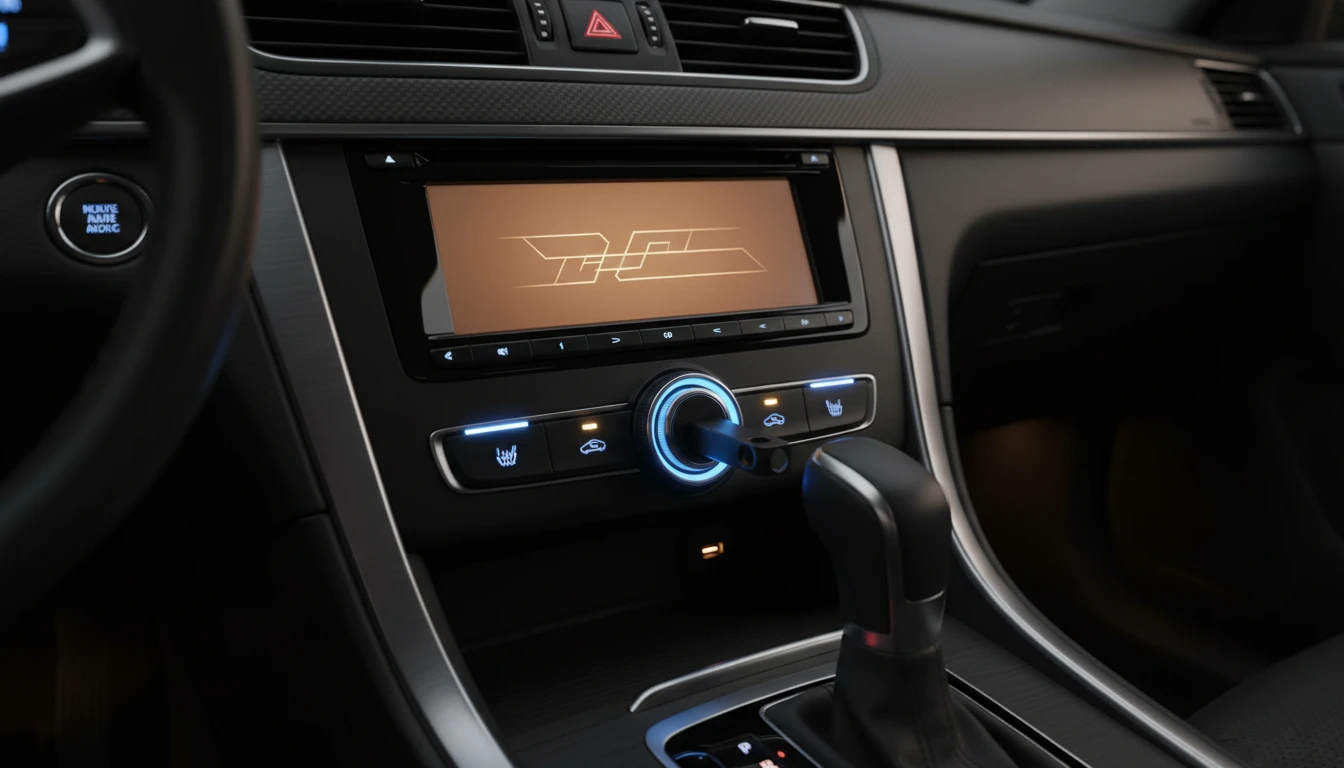
MP3 is built into the audio decoder of virtually every car head unit manufactured in the past 25 years. WMA support varies widely and is absent from most aftermarket and OEM radios. Converting your WMA library to MP3 before putting it on a USB drive means every track plays, every time, in any car, without format errors or skipped files.
Convert Now
Share Audio with Anyone on Android or Windows
Android's built-in media player handles MP3 without any additional app or codec. WMA files sent to an Android device often fail to play or require a third-party codec download. Converting to MP3 before sharing via messaging apps, email, or Bluetooth ensures the recipient can play the file immediately, regardless of their device or operating system.
Try It Now
Upload to Any Podcast Platform or DJ Pool
Spotify for Podcasters, Buzzsprout, Podbean, and virtually every podcast hosting platform require MP3 or AAC as their upload format. WMA is rejected on submission. DJ pools, royalty-free music stores, and online content platforms all specify MP3 as their accepted format. Converting WMA to MP3 removes the barrier between your audio and any platform you need to reach.
See It in ActionThree steps from WMA to a universally playable MP3
Upload your WMA file
Drop any WMA file onto the tool or click to browse. Files from Windows Media Player, Zune, Windows Media Center, or any WMA-producing application are accepted.
Convert to MP3
Click "Convert". FFmpeg decodes the WMA audio stream to PCM and re-encodes it as MP3 at a high bitrate to minimize quality loss from the lossy-to-lossy conversion.
Download your MP3 file
Preview the output in the browser player, then download your .mp3 file ready to copy to a USB drive, share on any platform, or play on any device.
Deep Dive
WMA vs MP3: Windows-Only Codec vs the Universal Standard
WMA was designed for the Windows ecosystem and has never achieved broad support outside it. MP3 is the most widely supported audio format ever created, with hardware decoders built into practically every device made since the late 1990s.

Our converter uses FFmpeg to decode WMA and re-encode as MP3 at a high bitrate, minimizing the quality impact of the lossy-to-lossy conversion.
Why Convert WMA to MP3
Works in Every Car Stereo
MP3 is built into the audio hardware of virtually every car head unit. Copy converted files to a USB drive and they play in any car without format errors.
Universal Device Compatibility
Android, Windows, Linux, Bluetooth speakers, smart TVs, and every media player support MP3 natively. WMA is rejected by most of them.
Accepted by Every Podcast Platform
Spotify for Podcasters, Buzzsprout, Podbean, and virtually every podcast host require MP3. WMA files are rejected on upload.
Fast Server-Side Conversion
Conversion runs on dedicated FFmpeg servers. Most WMA files are ready to download as MP3 in under 30 seconds.
Who Uses It
Who Converts WMA to MP3
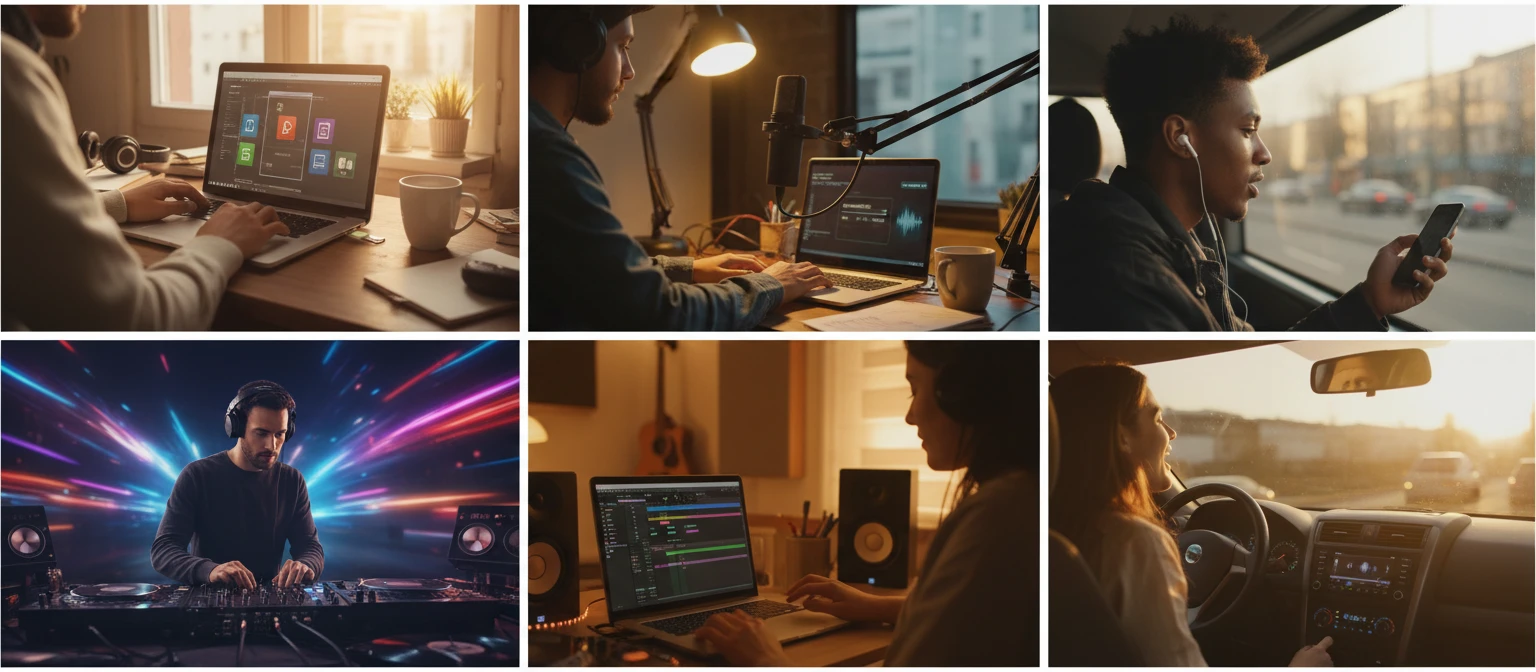
Windows Media Player library holders copying music to USB drives, Zune owners moving to Android, podcasters preparing WMA recordings for submission, DJs building cross-platform libraries, and anyone whose WMA file needs to reach a device or platform that does not support the format.
Converts using FFmpeg on dedicated servers.
Frequently Asked Questions
Does converting WMA to MP3 reduce audio quality?
Yes. Both WMA and MP3 are lossy formats, so converting between them applies a second round of perceptual compression on top of the original WMA encoding. At a high MP3 output bitrate (192 kbps or above), the additional quality loss is minimal and typically not noticeable to most listeners. At lower bitrates (128 kbps), some artefacts may appear on complex musical content. Keep the original WMA files since the quality lost in the original encoding cannot be recovered from the MP3 output.
Why does WMA not play in my car stereo?
Car head units, including most OEM and aftermarket models, do not include a WMA decoder. MP3, on the other hand, has been a required format for car audio since the early 2000s and is built into the hardware of virtually every head unit. Converting your WMA files to MP3 before copying them to a USB drive resolves car stereo compatibility issues.
Will WMA files play on Android?
Android does not guarantee native WMA support. Some Android devices and third-party apps handle WMA, but many do not. MP3 is natively supported on all Android versions by the built-in media player and every third-party music app. Converting WMA to MP3 ensures reliable playback on any Android device without requiring additional software.
Can I upload MP3 files converted from WMA to podcast platforms?
Yes. Podcast platforms including Spotify for Podcasters, Buzzsprout, Podbean, and Anchor all accept MP3 as a standard upload format. WMA is not accepted by any major podcast host. Converting your WMA recording to MP3 before uploading removes the format rejection error.
What is the difference between WMA and MP3?
Both are lossy audio codecs that compress audio by discarding data the ear cannot easily perceive. WMA is a Microsoft proprietary format supported primarily on Windows and Xbox. MP3 is an open standard supported on every device, platform, and operating system without exception. At equivalent bitrates, WMA and MP3 produce similar quality, but MP3's near-universal hardware support makes it the better choice for any use case involving sharing or cross-platform playback.
Is there a file size limit?
The upload limit is 100 MB per file. Most WMA audio files are well within this limit.
Ready to Convert Your WMA to MP3?
Upload your WMA file above and get a universally compatible MP3 in seconds.