Turn Your WAV Into an iTunes-Native File iPhone Loves
M4A is the container Apple built for AAC audio — the format behind every iTunes purchase, Apple Music track, and GarageBand export. Upload your WAV and get an M4A that drops straight into your Apple library, syncs to your iPhone, and plays on every Apple device with full metadata support.
Convert Now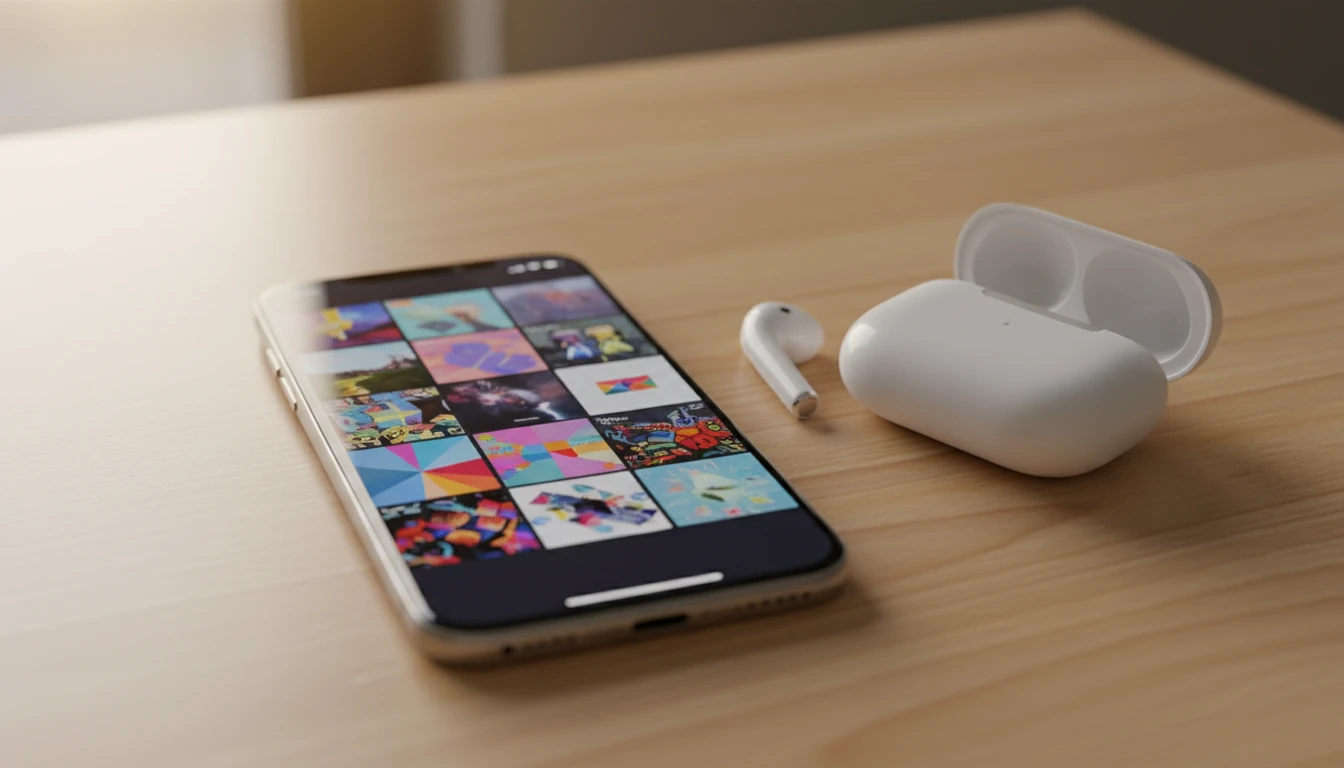
Audio Format Converter
Upload any audio file, choose an output format, and download the converted result. Supports MP3, WAV, FLAC, AAC, OGG, ALAC, WMA, Opus and M4A.
Drop your audio file here
or click to browse
Drop Straight Into iTunes and Apple Music Without Re-Encoding
iTunes and Apple Music accept WAV files but immediately re-encode them to AAC internally when you add them to your library. Importing an M4A skips that re-encode step — the file is already in the format Apple Music uses natively, so the track goes straight into your library at the quality level you chose, with no silent background transcoding.
Convert Now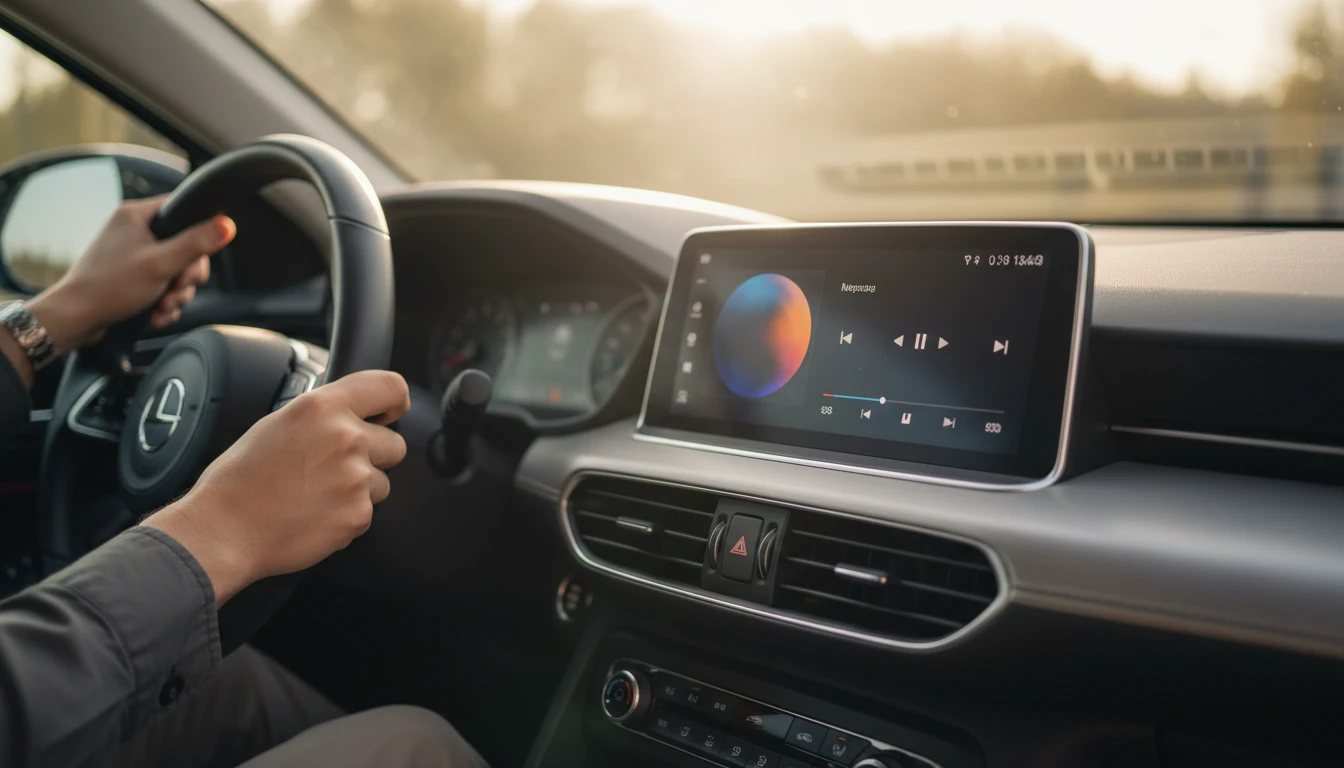
Full iTunes Metadata: Album Art, BPM, Lyrics, and More
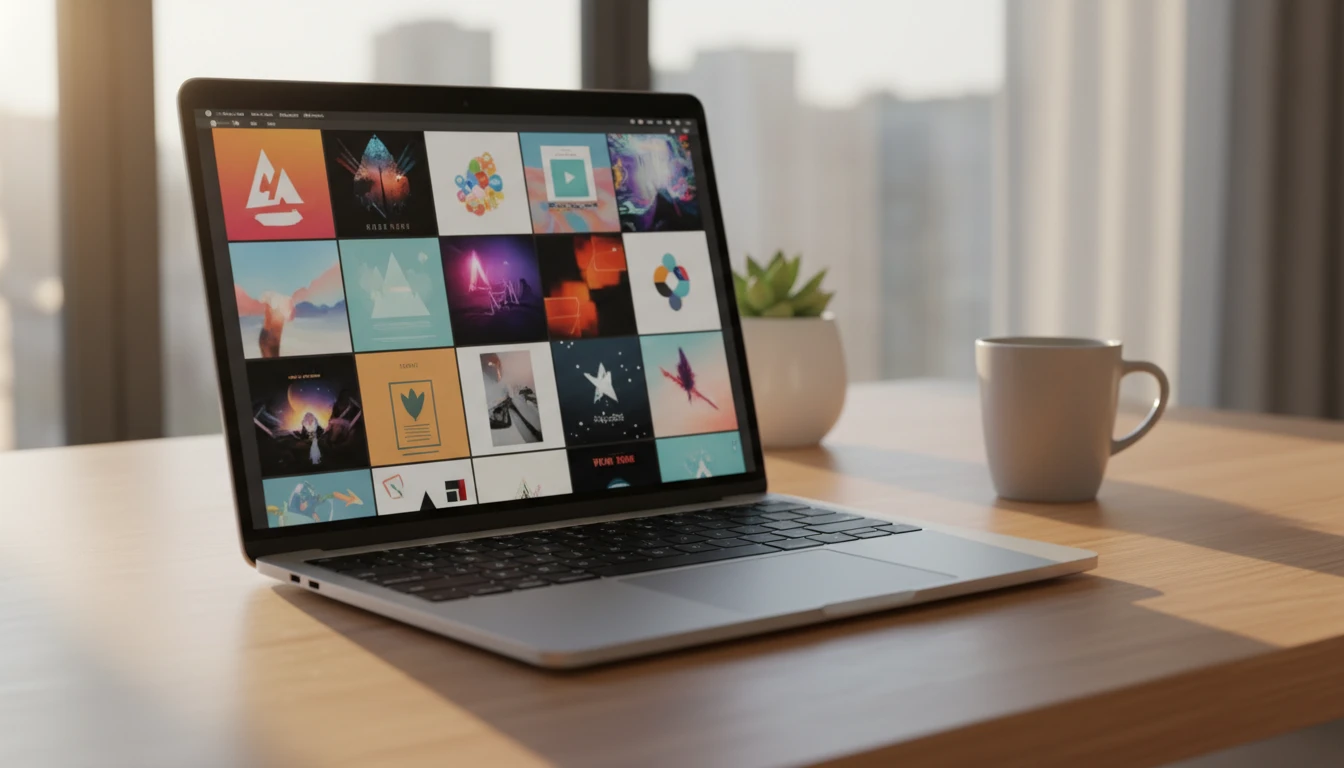
WAV has extremely limited and unreliable metadata support. M4A uses the MPEG-4 container's metadata atoms — the same system iTunes uses for all its purchases. Album art, track number, disc number, BPM, composer, grouping, lyrics, and genre all embed cleanly and display correctly in iTunes, Apple Music, iPhone, iPad, CarPlay, and Apple TV without any tagging workarounds.
Try It Now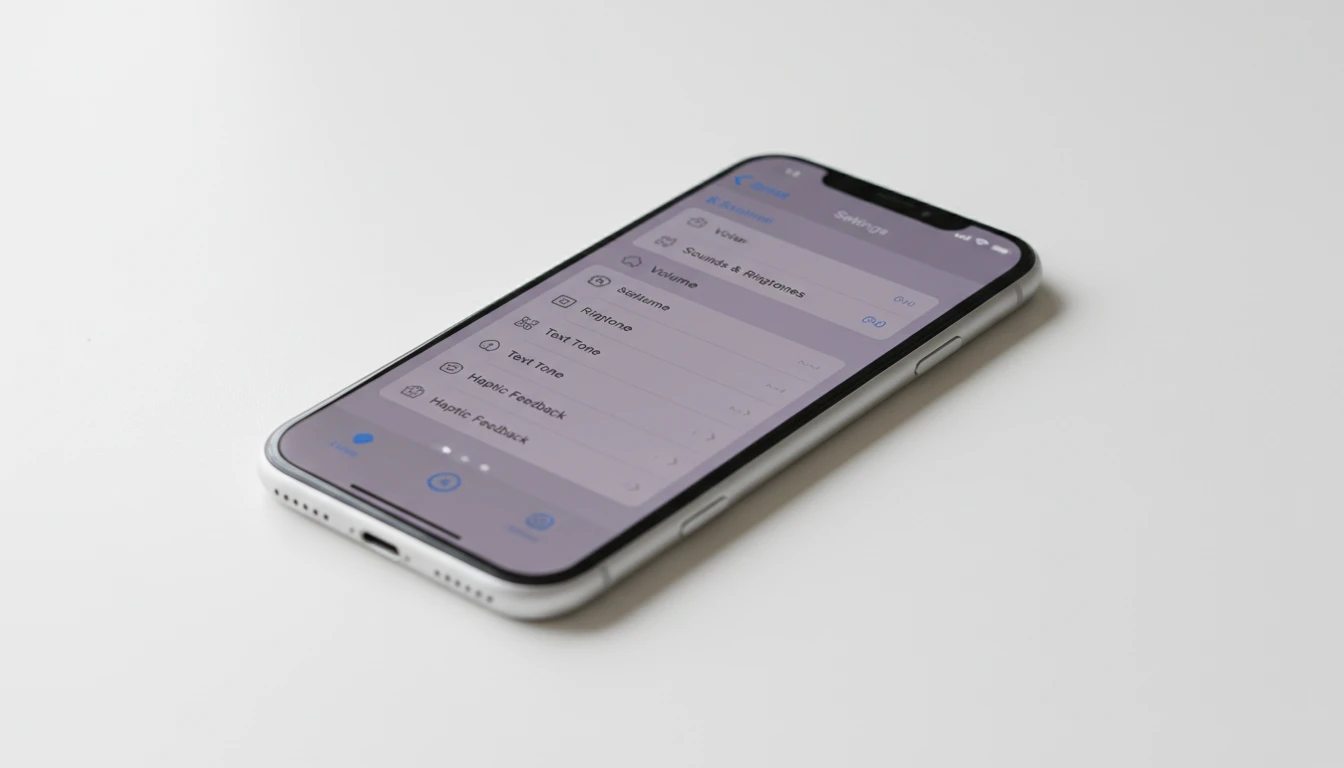
Create iPhone Ringtones by Renaming to M4R
iPhone ringtones are M4A files with the extension renamed to .m4r — nothing more. Converting a WAV clip to M4A and renaming the file to .m4r gives you a custom ringtone ready to sync through iTunes or Finder. The format and the codec are identical; only the extension changes for iTunes to recognise it as a ringtone rather than a music track.
See It in ActionThree steps from WAV to an Apple-ready M4A
Upload your WAV file
Drop any WAV file onto the tool or click to browse. Studio recordings, voice memos, DAW exports, and CD rips are all accepted.
Convert to M4A
Click "Convert". FFmpeg encodes the PCM data as AAC and wraps it in an MPEG-4 container, producing a proper .m4a file with full metadata support.
Download your M4A file
Preview the output, then download your .m4a file ready to add to iTunes, sync to iPhone, import into GarageBand, or rename to .m4r for use as a ringtone.
Deep Dive
WAV vs M4A: Raw PCM vs the Apple Ecosystem Container
WAV stores uncompressed PCM audio with almost no metadata support. M4A is an MPEG-4 container carrying AAC audio — the format Apple built its entire music ecosystem around.
Our converter uses FFmpeg to encode WAV as AAC and wrap it in a proper MPEG-4 container, producing a standard .m4a file compatible with iTunes, Apple Music, and all Apple devices.
Why Convert WAV to M4A
Native in the Apple Ecosystem
M4A is the default audio format for iTunes, Apple Music, iPhone, iPad, Mac, Apple Watch, CarPlay, and Apple TV — plays everywhere Apple without any conversion.
Full iTunes Metadata
Album art, BPM, lyrics, composer, disc number, and grouping all embed reliably in M4A using the same iTunes atom system Apple uses for its own purchases.
Compact File Size
M4A with AAC is typically 80-90% smaller than an equivalent WAV, making it practical for large music libraries and phone storage.
Ringtone-Ready
Rename .m4a to .m4r and you have an iPhone ringtone ready to sync — no additional tools or re-encoding needed.
Who Uses It
Who Converts WAV to M4A
iPhone users building music libraries, musicians exporting from GarageBand, content creators making ringtones, and podcasters preparing episodes for Apple Podcasts.

Converts using FFmpeg on dedicated servers.
Frequently Asked Questions
What is the difference between M4A and AAC?
AAC is the audio codec — the compression algorithm. M4A is a file container (MPEG-4) that holds AAC-encoded audio alongside full metadata like album art, BPM, and lyrics. A bare .aac file contains only the compressed audio stream with minimal metadata support. An .m4a file wraps the same audio in a proper container that iTunes, Apple Music, and Apple devices handle natively.
Will the M4A play on my iPhone and in Apple Music?
Yes. M4A is the native audio format for the entire Apple ecosystem. iPhone, iPad, Mac, Apple Watch, Apple TV, CarPlay, and HomePod all play M4A files natively. Apple Music and iTunes import M4A directly without any background re-encoding.
Can I use the converted M4A as an iPhone ringtone?
Yes. Rename the .m4a file to .m4r and sync it to your iPhone via Finder (on macOS Catalina and later) or iTunes (on older macOS and Windows). The audio must be 30 seconds or shorter for iTunes to recognise it as a valid ringtone.
Does converting WAV to M4A reduce quality?
Yes — M4A uses AAC, which is a lossy codec. The conversion discards audio data the ear typically cannot perceive. At high bitrates the quality loss is considered transparent by most listeners in blind tests. Keep the original WAV as your master archive file.
Will M4A play on Android or Windows?
Yes. M4A plays on Android natively, and on Windows through Windows Media Player, VLC, foobar2000, and most other media players. It is not exclusive to Apple devices, though it is most deeply integrated in the Apple ecosystem.
Is there a file size limit?
The upload limit is 100 MB per file. Most WAV files are within this range, though very long high-resolution recordings may exceed it.
Ready to Convert Your WAV to M4A?
Upload your WAV above and get an iTunes-native M4A file in seconds.