Keep Every Bit of Your WAV Quality in Half the File Size
WAV and FLAC are both lossless — the audio data is identical after decompression. FLAC simply stores it more efficiently, cutting file size by 40-60%. No quality trade-off. No lossy compression. Just a smaller file.
Convert Now
Audio Format Converter
Upload any audio file, choose an output format, and download the converted result. Supports MP3, WAV, FLAC, AAC, OGG, ALAC, WMA, Opus and M4A.
Drop your audio file here
or click to browse
40-60% Smaller Files With Zero Quality Loss
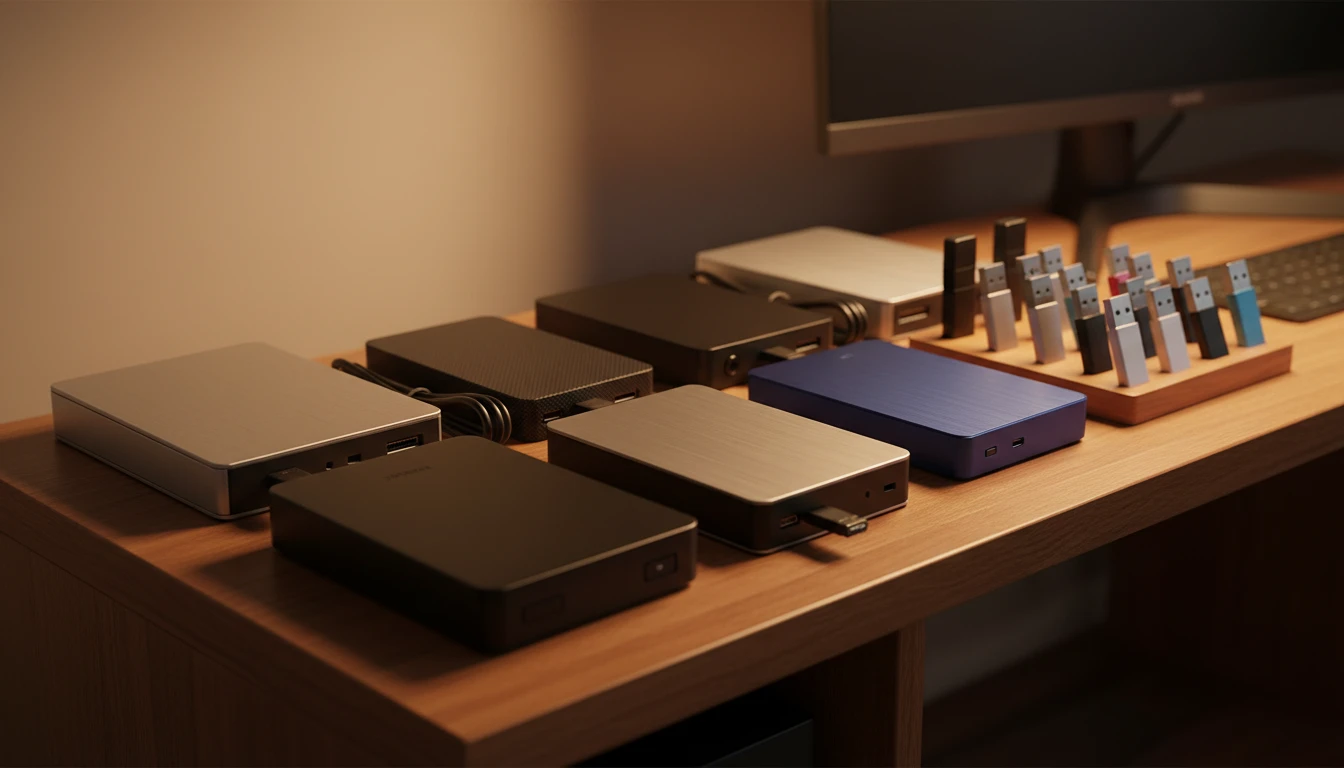
FLAC uses lossless compression — the same mathematical principle as a ZIP file but optimised for audio PCM data. When you decompress a FLAC file, you get back bit-for-bit identical audio to the original WAV. A 100 MB WAV typically becomes a 40-60 MB FLAC with no audible or measurable difference.
Convert Now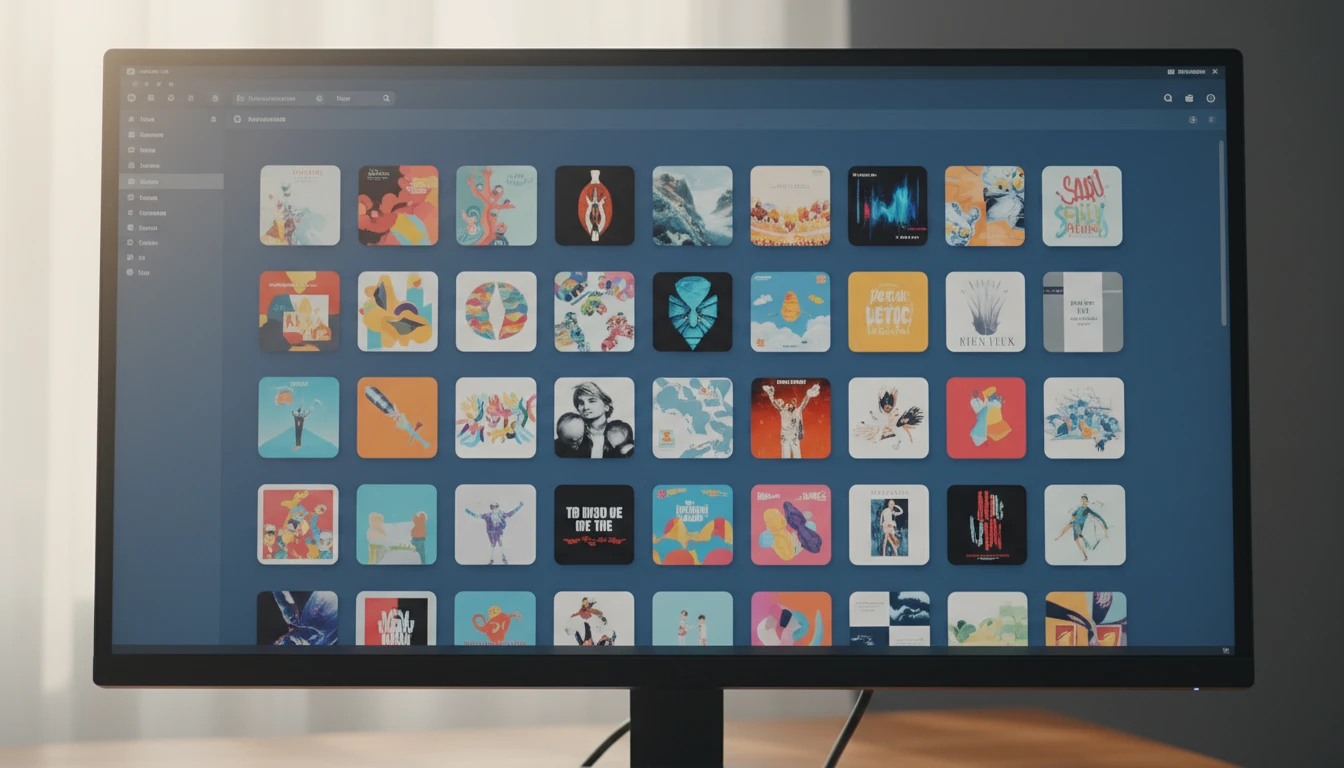
Rich Metadata and Tags That WAV Cannot Store
WAV has extremely limited metadata support — storing album art, track numbers, lyrics, and composer fields is unreliable and player-dependent. FLAC uses Vorbis comment tags, a standardised metadata system that every music player and library app understands. Converting to FLAC makes your audio collection properly taggable and searchable.
Try It Now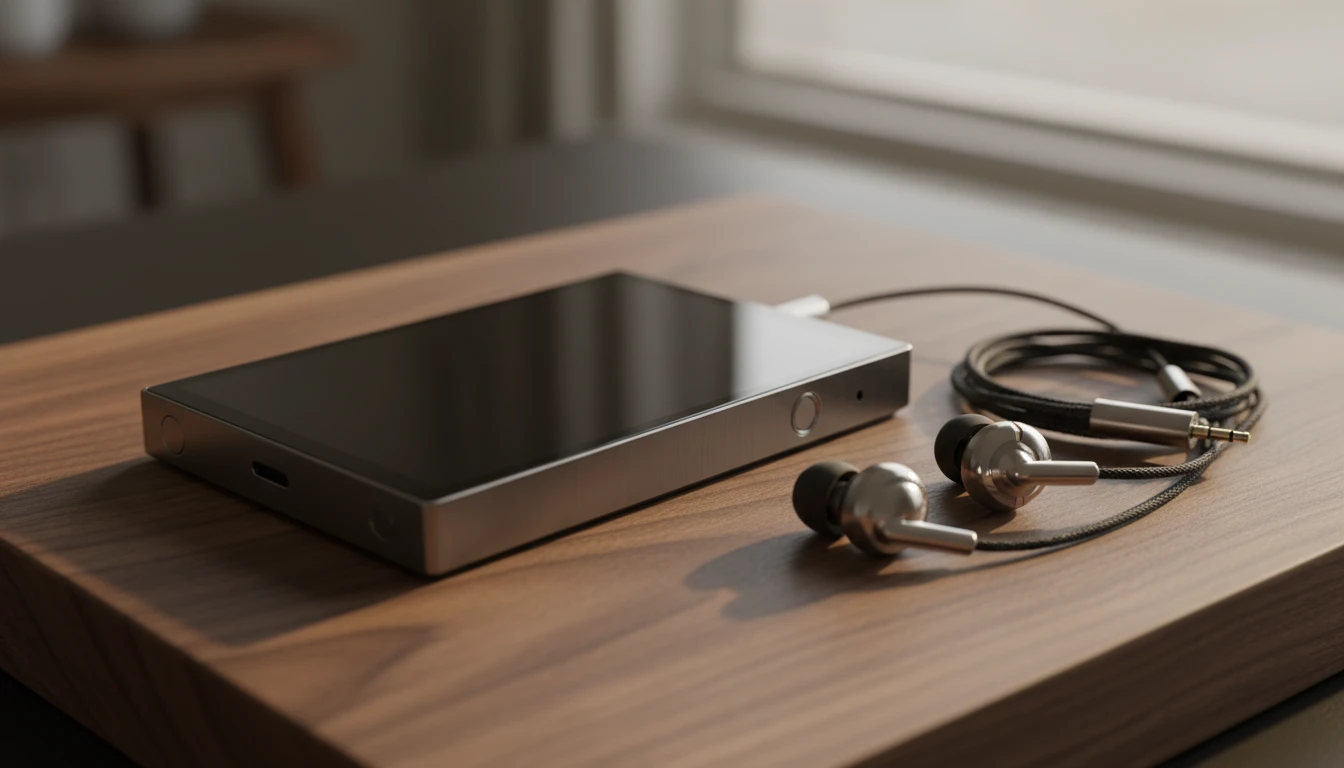
The Gold Standard for Audiophile Archives
FLAC has become the de facto standard for audiophile digital music archives. High-resolution audio stores like HDtracks, Bandcamp, and Qobuz distribute music in FLAC. Hi-fi streamers, network-attached storage players, and high-end DAPs (digital audio players) from Sony, Astell&Kern, and FiiO all prioritise FLAC as their primary lossless format.
See It in ActionThree steps to a smaller lossless file
Upload your WAV file
Drop any WAV file onto the tool or click to browse. Studio recordings, DAW exports, CD rips, and field recordings are all accepted.
Convert to FLAC
Click "Convert". FFmpeg applies FLAC lossless compression to the PCM data. No audio data is discarded — only the redundancy in the raw PCM stream is removed.
Download your FLAC file
Preview the output, then download your .flac file. The audio is bit-for-bit identical to the original WAV, now stored in 40-60% less space.
Deep Dive
WAV vs FLAC: Two Lossless Formats, One Clear Winner for Storage
WAV and FLAC both store audio with zero quality loss. The difference is entirely in how they store it — and FLAC is far more efficient.
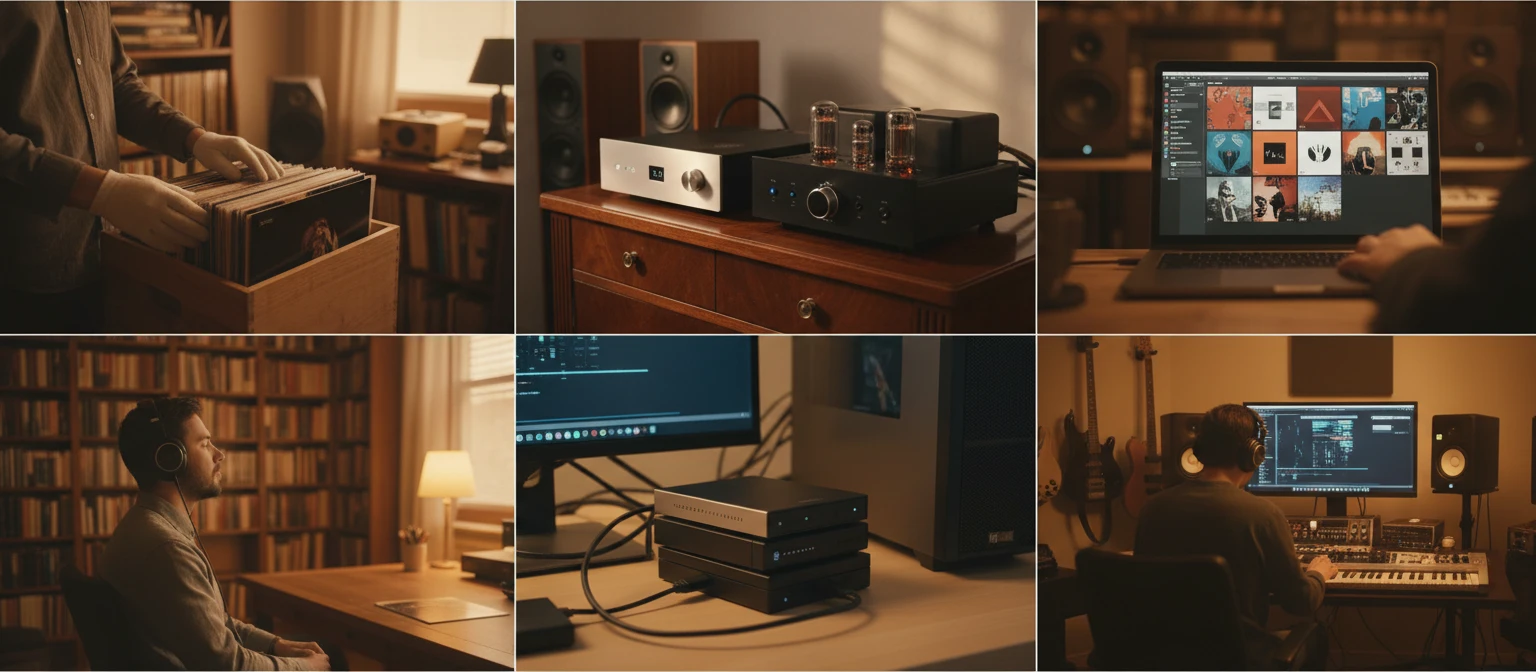
Our converter uses FFmpeg's FLAC encoder at compression level 8 (maximum lossless compression) to produce the smallest possible file.
Why Convert WAV to FLAC
40-60% Smaller Files
FLAC lossless compression reduces WAV file size by nearly half on average, with no audio data discarded.
Zero Quality Loss
WAV and FLAC are both lossless. Decoding a FLAC gives back bit-for-bit identical PCM to the original WAV.
Proper Metadata Support
FLAC supports Vorbis comment tags — album art, track numbers, lyrics, composer, and more — reliably across every player.
Audiophile and Hi-Fi Ready
FLAC is the standard format for high-resolution audio stores, hi-fi streamers, and premium digital audio players.
Who Uses It
Who Converts WAV to FLAC
Audiophiles archiving their collections, musicians distributing masters, home studio owners managing storage, and developers building music apps.

Converts using FFmpeg on dedicated servers.
Frequently Asked Questions
Does converting WAV to FLAC reduce audio quality?
No. Both WAV and FLAC are lossless formats. When you convert a WAV to FLAC, the FLAC encoder compresses the audio data in a way that is fully reversible. Decoding the FLAC back to PCM produces bit-for-bit identical audio to the original WAV. There is no quality loss at any step.
How much smaller will the FLAC file be compared to the WAV?
Typically 40-60% smaller, depending on the content. Music with lots of silence, sparse instrumentation, or speech compresses more than dense, complex material like full orchestral recordings or heavily layered electronic music.
Can I convert the FLAC back to WAV without any loss?
Yes. FLAC compression is fully reversible. Converting FLAC back to WAV produces identical PCM data to the original WAV file. You can convert back and forth between WAV and FLAC as many times as needed without any degradation.
Will FLAC play on my device or music player?
FLAC is supported natively on Windows, macOS, Linux, Android, and most modern media players including VLC, foobar2000, Winamp, and every major hi-fi streamer and DAP. The notable exception is iOS and Apple hardware, which do not include native FLAC decoding — use ALAC (Apple Lossless) for Apple devices instead.
Does FLAC support high-resolution audio like 24-bit / 96 kHz WAV?
Yes. FLAC supports bit depths up to 32-bit and sample rates up to 655,350 Hz, covering all high-resolution audio formats in common use (24-bit / 96 kHz, 24-bit / 192 kHz, and DXD at 352.8 kHz). All resolution metadata is preserved in the FLAC file.
Is there a file size limit?
The upload limit is 100 MB per file. Most WAV files at standard CD resolution are well within this limit. Very long high-resolution recordings may exceed it.
Ready to Shrink Your WAV Without Losing a Single Bit?
Upload your WAV above and get a compact, lossless FLAC file in seconds.