Make Your iPhone and iTunes Audio Play on Any Windows Device
Upload your M4A file and get a WMA that opens natively in Windows Media Player, Xbox, and every Windows application — without installing Apple software, codec packs, or third-party players on the Windows machine.
Convert Now
Audio Format Converter
Upload any audio file, choose an output format, and download the converted result. Supports MP3, WAV, FLAC, AAC, OGG, ALAC, WMA, Opus and M4A.
Drop your audio file here
or click to browse
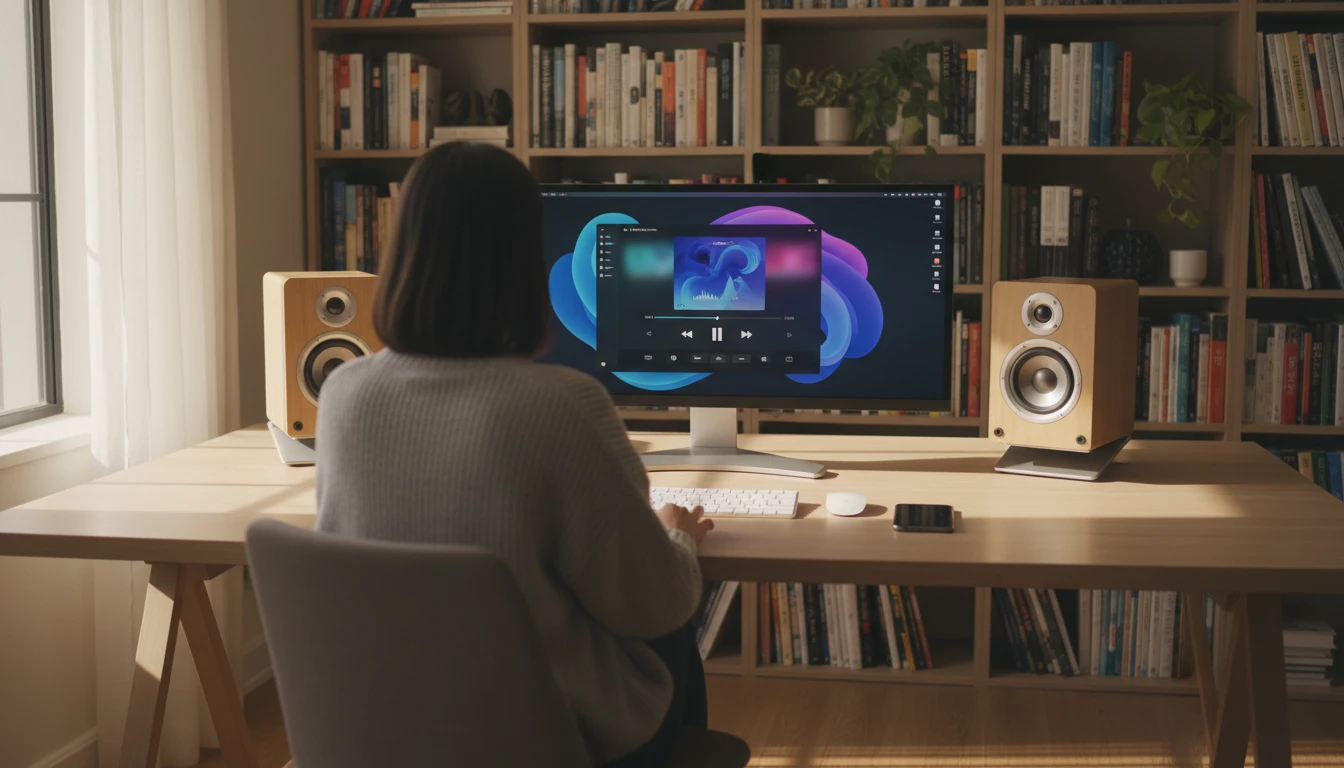
Play iPhone Voice Memos and iTunes Purchases on a Windows PC Without Apple Software
M4A files from an iPhone or iTunes require either Apple software or a third-party codec to play on Windows. Windows Media Player does not open M4A natively. Converting to WMA produces a file that plays in Windows Media Player and every Windows application that uses the Windows Media Foundation audio pipeline — with no iTunes installation, no codec pack, and no third-party app required.
Convert Now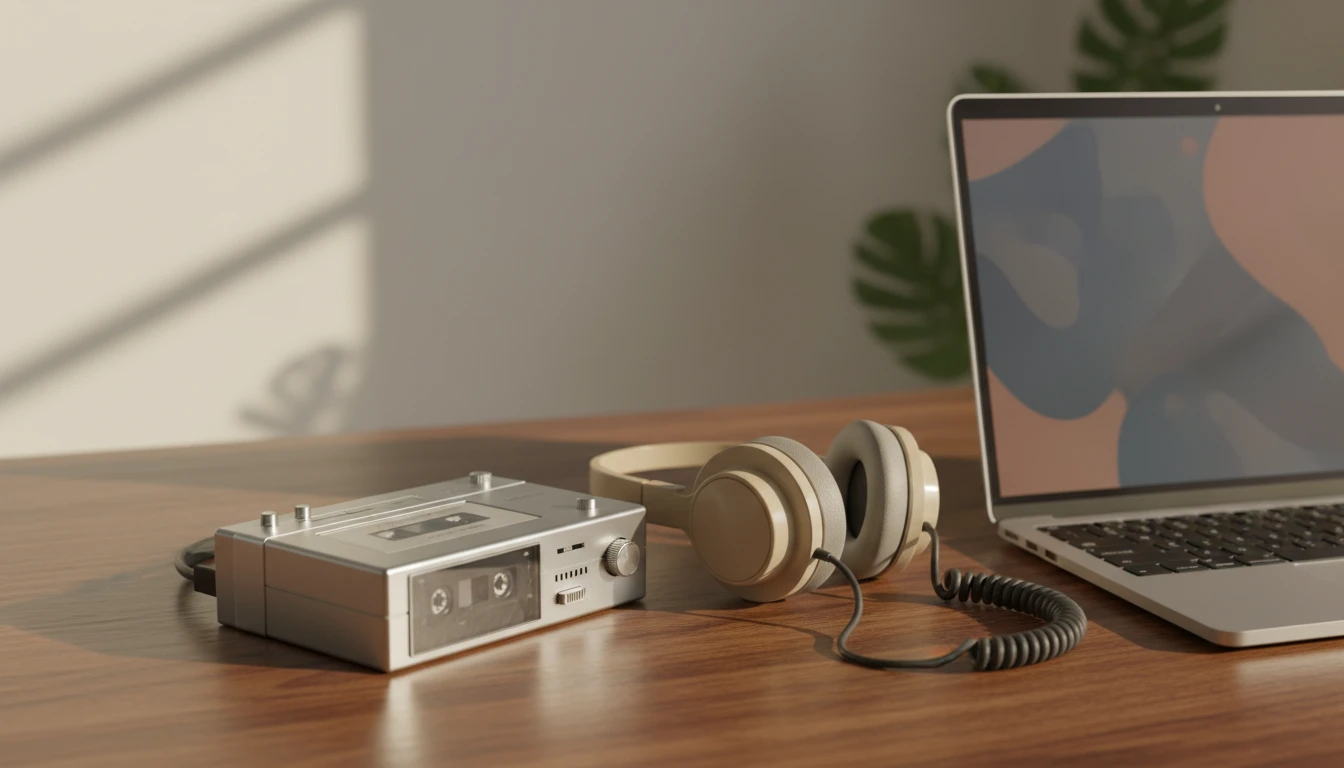
Sync Apple Audio to Legacy Portable Players That Support WMA
Portable music players including the Microsoft Zune, Creative Zen, and many mid-2000s devices read WMA natively but do not support M4A or AAC. Users with an Apple-sourced audio library who still use these devices can convert M4A files to WMA for direct sync — no firmware update or replacement hardware required.
Try It Now
Deliver Apple-Sourced Audio to Windows-Only Enterprise and Education Systems
Corporate e-learning platforms, kiosk systems, and intranet media pipelines built on Windows infrastructure often specify WMA as the supported audio format. Content creators who record narration on iPhone or export from Apple tools as M4A can convert to WMA for upload — encoding from the M4A source in a single pass without re-recording.
See It in ActionThree steps to a Windows-native WMA from your M4A
Upload your M4A file
Drop your .m4a file onto the tool or click to browse. iPhone voice memos, GarageBand exports, iTunes downloads, and any M4A audio file are all accepted.
Convert to WMA
Click "Convert". FFmpeg decodes the AAC audio from inside the M4A container and re-encodes it as WMA in a single pass.
Download your WMA file
Download your .wma file ready to play in Windows Media Player, sync to a portable device, or upload to a Windows-native audio pipeline.
Deep Dive
M4A to WMA: From Apple Ecosystem to Windows-Native Audio
M4A is Apple's audio container. WMA is Microsoft's native audio codec. Converting between them crosses the Apple-Windows boundary — producing a file the Windows audio stack plays without any Apple software on the receiving machine.

Our converter uses FFmpeg to decode the AAC from the M4A container and re-encode as WMA in a single pass.
Why Convert M4A to WMA
Plays on Windows Without Apple Software
WMA is built into Windows. No iTunes, no codec packs, no third-party apps — Windows Media Player and every Windows audio application open the converted file directly.
Bridges Apple Recordings to Windows Devices
iPhone voice memos, GarageBand exports, and iTunes audio become Windows-native files in one step, without any Apple software on the Windows machine.
Works on Legacy Portable Players
Microsoft Zune, Creative Zen, and WMA-compatible portable players from the 2000s sync directly with WMA files that M4A-only devices cannot read.
Fast Conversion
Most M4A files convert to WMA in under 30 seconds on dedicated FFmpeg servers.
Who Uses It
Who Converts M4A to WMA
Windows users who receive M4A files from iPhone or Apple device owners, legacy portable player users who sync WMA libraries, corporate content producers delivering to Windows systems, and users on older Windows machines without Apple codecs installed.

Converts using FFmpeg on dedicated servers.
Frequently Asked Questions
Why does Windows Media Player not play my M4A file?
Windows Media Player does not include a built-in AAC or M4A decoder on Windows 7 and Windows 8. Opening an M4A file triggers a codec error or the file is simply not recognized. On Windows 10 and 11, Groove Music and the Films and TV app can play M4A natively, but Windows Media Player still requires a codec installation. Converting to WMA bypasses the codec requirement entirely — WMA is built into every Windows version and plays without any additional software.
Will converting M4A to WMA reduce audio quality?
Yes, slightly. Both M4A and WMA are lossy formats. Converting requires decoding the AAC audio from the M4A and re-encoding it as WMA — two lossy passes. At 128 kbps WMA the quality reduction is small and inaudible for most listeners during everyday playback. At 192 kbps the loss is negligible for most content. If preserving the highest possible quality matters, converting to WAV or keeping the original M4A for a system that supports it are better options.
Can I play the WMA file on an iPhone or Mac?
Not natively. iPhone and macOS do not include a WMA decoder. iTunes and the Finder do not open WMA files without a third-party app. If you need the audio to play on both Windows and Apple devices, convert to MP3 instead — MP3 is supported on every platform without exception.
Does the WMA file keep the metadata from the M4A?
Yes. FFmpeg transfers metadata from the M4A container to WMA ASF tags during conversion, including track title, artist, album, genre, year, and album art. The WMA file displays correctly in Windows Media Player, Groove Music, and other WMA-compatible players that read ASF metadata.
Does Xbox support WMA from USB?
Xbox 360 supports WMA and MP3 playback from USB drives and does not support M4A natively. Xbox One and later consoles added AAC support in updates, so M4A may play on newer Xbox hardware depending on the region and system update version. For guaranteed compatibility across Xbox 360 and Xbox One, WMA or MP3 are the safer format choices.
Is there a file size limit?
The upload limit is 100 MB per file. Most M4A audio recordings are well within this limit.
Ready to Convert Your M4A to WMA?
Upload your M4A above and get a Windows-native WMA in seconds.