Archive Your Opus Recordings Without Any Further Quality Loss
Upload your Opus file and get a FLAC that stores the decoded audio with no additional compression. Use it as a stable archive of Discord recordings, WebRTC captures, or streaming exports — a master copy that can be re-processed, re-converted, or played in any audiophile player without accumulating further quality loss.
Convert Now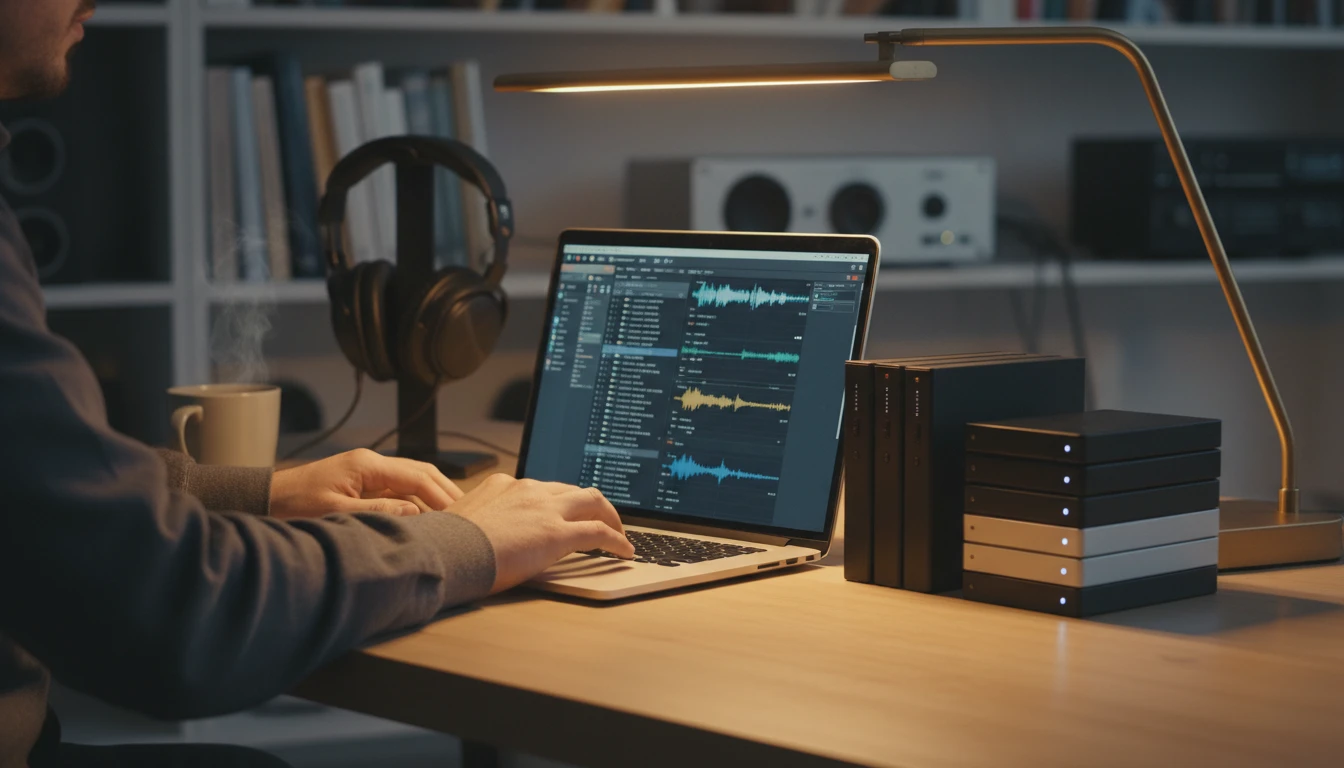
Audio Format Converter
Upload any audio file, choose an output format, and download the converted result. Supports MP3, WAV, FLAC, AAC, OGG, ALAC, WMA, Opus and M4A.
Drop your audio file here
or click to browse
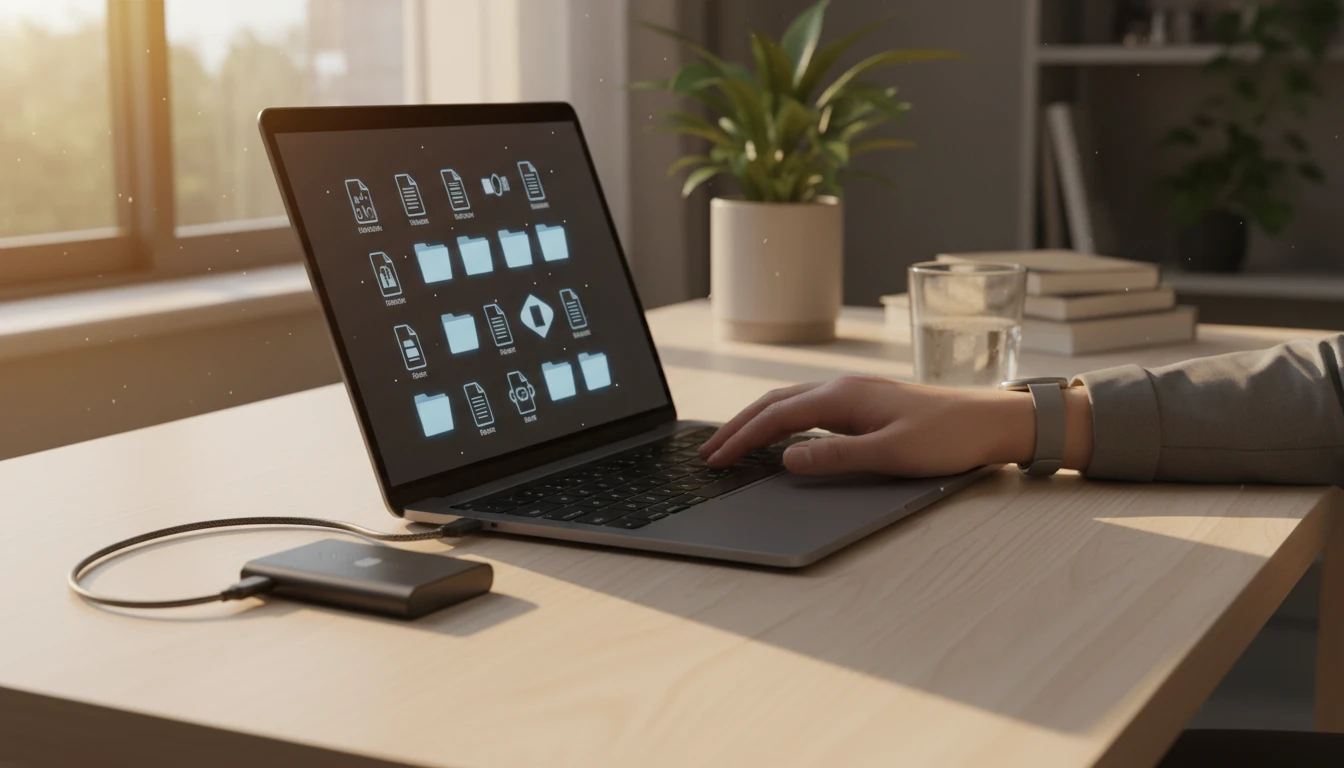
Preserve Discord Recordings as a Stable Long-Term Archive
Discord exports voice channel recordings as Opus files. Opus is excellent for streaming but not for archiving — if you need to re-convert the file later, each generation compounds quality loss. Converting to FLAC once produces a lossless working copy that can be re-encoded to any format at any future point without any further degradation.
Convert Now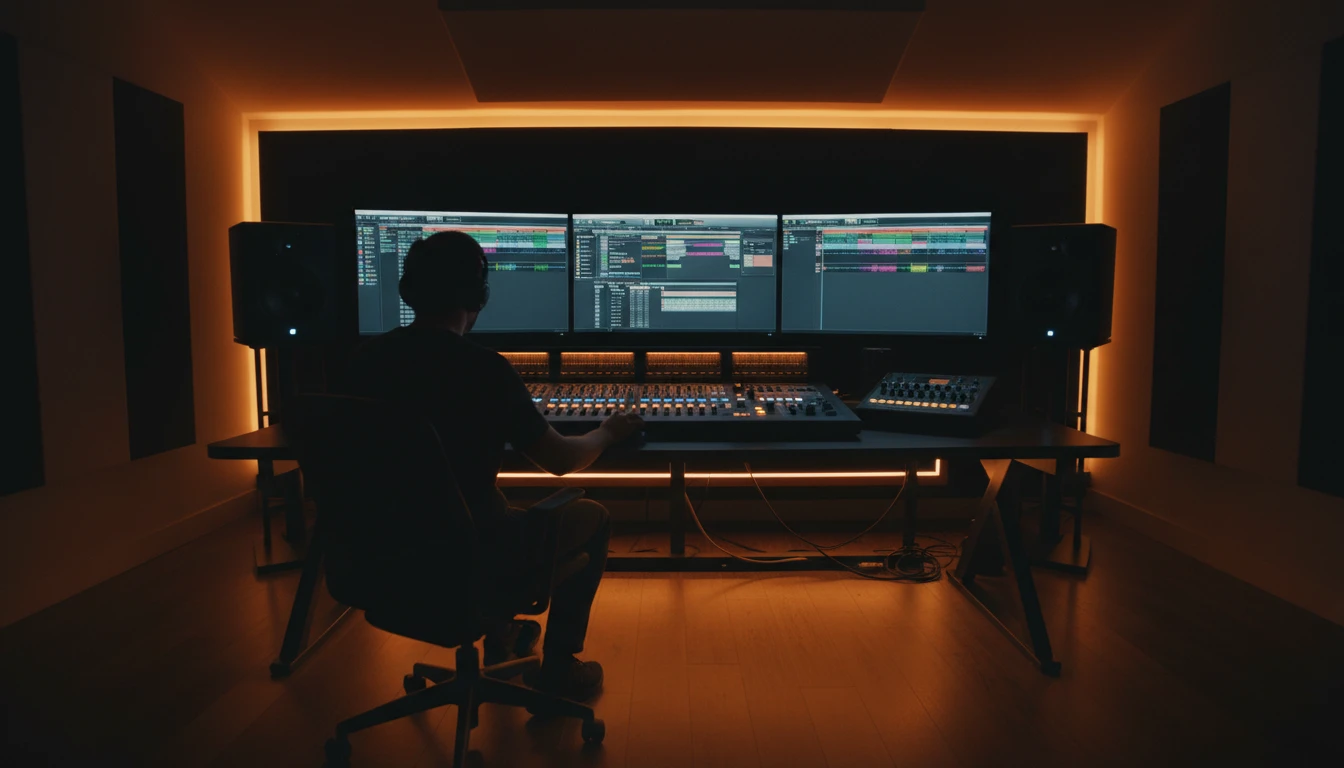
Process Opus Audio in a DAW Without Stacking Quality Loss
Audio editors who receive Opus recordings from VoIP systems, streaming servers, or Discord need to apply noise reduction, EQ, compression, and normalization before delivery. Working from a FLAC source means every plugin pass and re-export starts from the cleanest available copy, rather than degrading an already-compressed Opus file with each processing step.
Try It Now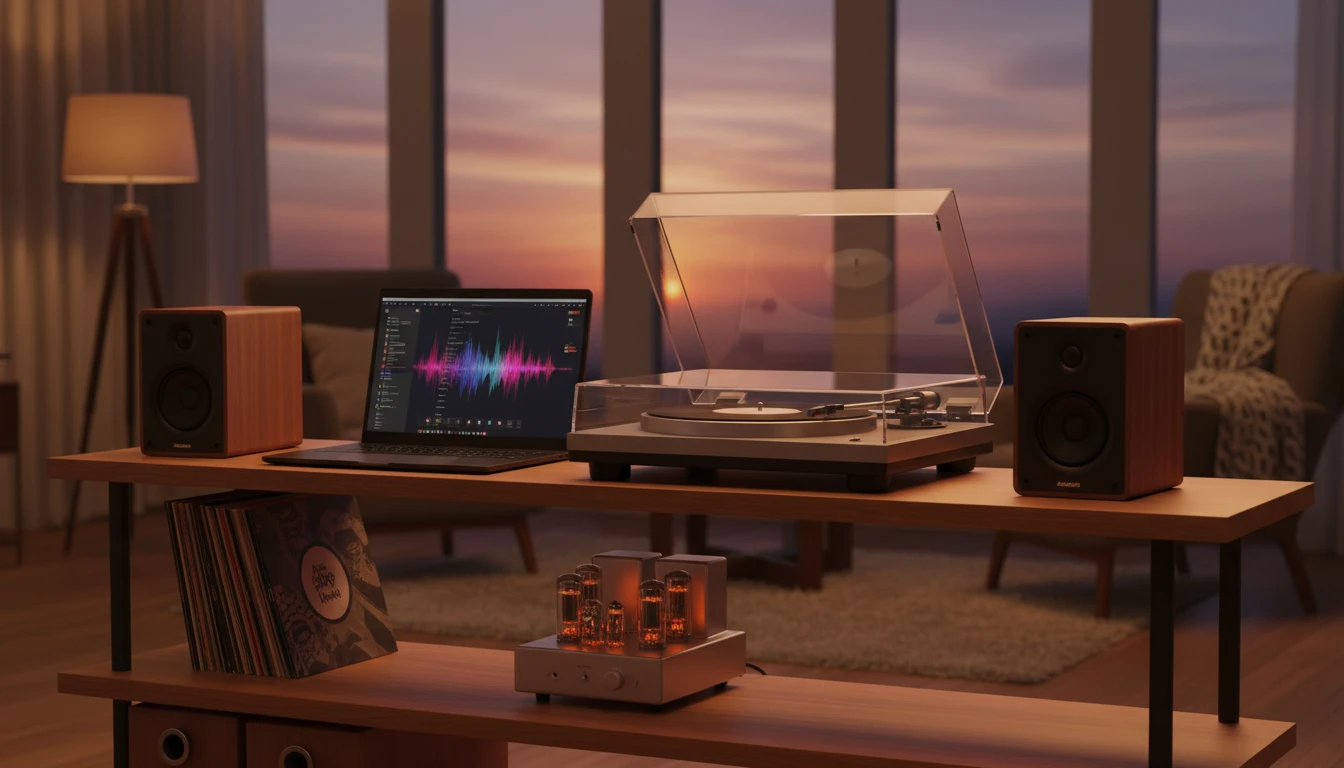
Build an Audiophile Collection from Streaming or Voice Exports
Music enthusiasts and audio archivists who receive or export audio as Opus from self-hosted streaming servers, radio archives, or recordings platforms can convert to FLAC for storage in audiophile collection managers like Beets, Roon, or Plex Music. FLAC is the universal lossless format recognized by every serious music management tool.
See It in ActionThree steps to a lossless FLAC archive
Upload your Opus file
Drop your .opus file onto the tool or click to browse. Files from Discord exports, WebRTC recordings, streaming archives, and Opus-based tools are all accepted.
Convert to FLAC
Click "Convert". FFmpeg decodes the Opus stream to uncompressed PCM, then compresses it losslessly as FLAC. No further quality loss is introduced beyond what Opus encoding originally applied.
Download your FLAC file
Download your .flac file for long-term storage, DAW import, audiophile playback, or as a master copy for future format conversions.
Deep Dive
Opus vs FLAC: Streaming Codec vs Lossless Archive
Opus is engineered for efficient real-time delivery. FLAC is engineered for lossless storage. Understanding the difference explains when and why converting from one to the other makes sense.
Our converter uses FFmpeg to decode Opus to PCM and compress losslessly as FLAC, preserving the original sample rate and channel layout.
Why Convert Opus to FLAC
Stops Further Quality Loss
Once in FLAC, the audio can be re-encoded to any format in the future with only one compression pass — no more compounding degradation from repeated lossy conversions.
DAW and Audiophile Player Ready
FLAC imports natively into every DAW and plays in Foobar2000, Roon, Plex, Jellyfin, VLC, and every audiophile media player without a codec.
Universal Archive Format
FLAC is the standard lossless format for music collection managers, broadcast archives, and media servers. A FLAC master is accepted everywhere.
Fast Conversion
Most Opus files convert to FLAC in under 30 seconds on dedicated FFmpeg servers.
Who Uses It
Who Converts Opus to FLAC
Audio archivists preserving voice recordings, podcast producers building masters, DAW editors processing VoIP audio, audiophile collectors, and developers building media libraries from streaming exports.
Converts using FFmpeg on dedicated servers.
Frequently Asked Questions
Does converting Opus to FLAC improve audio quality?
No. Converting Opus to FLAC does not restore quality lost during the original Opus encoding. FLAC losslessly stores the PCM data decoded from the Opus file — it contains exactly the same audio, just without any further compression. The value of FLAC is that it stops further degradation: any future re-conversion from FLAC to another format introduces only one new compression pass, not an additional one on top of the existing Opus encoding.
Why convert Opus to FLAC instead of just keeping the Opus file?
Opus is a delivery codec, not an archive format. If you ever need to re-process the audio in a DAW, convert it to a different format for a client, or play it in a media server that does not support Opus, starting from a FLAC means the audio degrades at most once more. Starting from Opus and re-encoding to a lossy format again compounds the degradation. FLAC is also recognized universally by archival tools, DAWs, and collection managers.
Will the FLAC file play in Foobar2000, Roon, or Plex?
Yes. FLAC is natively supported by Foobar2000, Roon, Plex Music, Jellyfin, Navidrome, VLC, and every other serious music player and media server. The converted FLAC file will import into any of these tools without codec installation.
Can I import the FLAC into a DAW for editing?
Yes. Pro Tools, Logic Pro, Ableton Live, Reaper, Audacity, and Adobe Audition all import FLAC natively. Use the FLAC as your editing source to minimize quality loss during post-production — all plugin processing and export operations will start from the cleanest available version of the audio.
Why is the FLAC file so much larger than the Opus?
Opus uses aggressive lossy compression, producing very small files. FLAC stores losslessly compressed PCM data, which is significantly larger. A 4-minute stereo track might be 2 to 4 MB as Opus at typical bitrates, compared to 25 to 30 MB as FLAC. This size difference is expected and reflects the absence of lossy compression in the FLAC.
Is there a file size limit?
The upload limit is 100 MB per file. Most Opus audio files are well within this limit.
Ready to Archive Your Opus Audio as FLAC?
Upload your file above and get a lossless FLAC archive in seconds.