Share Your Opus Audio on Every Device, Platform, and Car Stereo
Upload your Opus file and get an MP3 that plays on any car stereo, Bluetooth speaker, legacy MP3 player, podcast platform, and every device made in the last 25 years — no modern codec required, no app needed, no compatibility surprises.
Convert Now
Audio Format Converter
Upload any audio file, choose an output format, and download the converted result. Supports MP3, WAV, FLAC, AAC, OGG, ALAC, WMA, Opus and M4A.
Drop your audio file here
or click to browse
Put Opus Recordings on a USB Drive and Play in Any Car
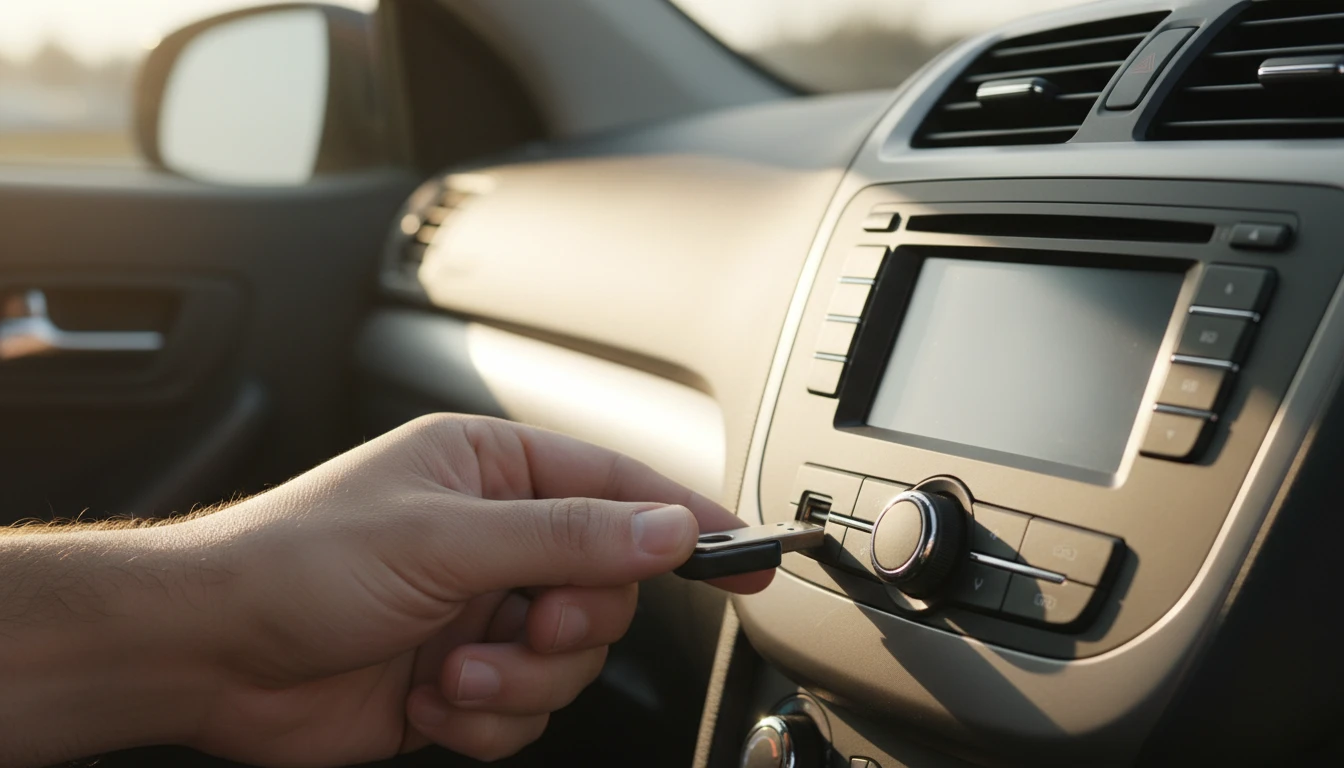
Car head units read MP3 from USB drives and SD cards natively. Opus is not in the supported format list of any OEM or aftermarket car stereo. Whether the car audio system is from this year or fifteen years ago, MP3 will play. Convert your Discord recordings, podcast drafts, or Opus music exports to MP3, copy to a USB drive, and your audio plays immediately.
Convert Now
Submit Opus Recordings to Any Podcast Platform
Podcast hosting platforms including Spotify for Podcasters, Buzzsprout, Podbean, Libsyn, and Anchor all require or strongly prefer MP3 for episode uploads. Creators who record via Discord stage channels, WebRTC tools, or self-hosted Opus streams need to convert before submitting. MP3 is the one format every podcast platform accepts without a format error.
Try It Now
Share Opus Recordings via Email or Any File Transfer
Email attachments, Dropbox links, Google Drive shares, and messaging apps all handle MP3 without any additional context. Recipients on any device — old Nokia handsets, company-issue Windows laptops, borrowed Android phones — can play MP3 without installing anything. Opus requires a modern app or browser on the recipient's end.
See It in ActionThree steps to a universally compatible MP3
Upload your Opus file
Drop your .opus file onto the tool or click to browse. Files from Discord exports, WebRTC recordings, VoIP tools, and streaming archives are all accepted.
Convert to MP3
Click "Convert". FFmpeg decodes the Opus stream and re-encodes it as MP3 at a high bitrate to minimize the quality cost of transcoding between two lossy codecs.
Download your MP3 file
Download your .mp3 file ready to copy to a USB drive, upload to a podcast platform, share via email, or play on any device.
Deep Dive
Opus vs MP3: Modern Efficiency vs Universal Reach
Opus is the technically superior codec for streaming and voice. MP3 is the format every device on the planet understands. When compatibility matters more than efficiency, MP3 is the answer.
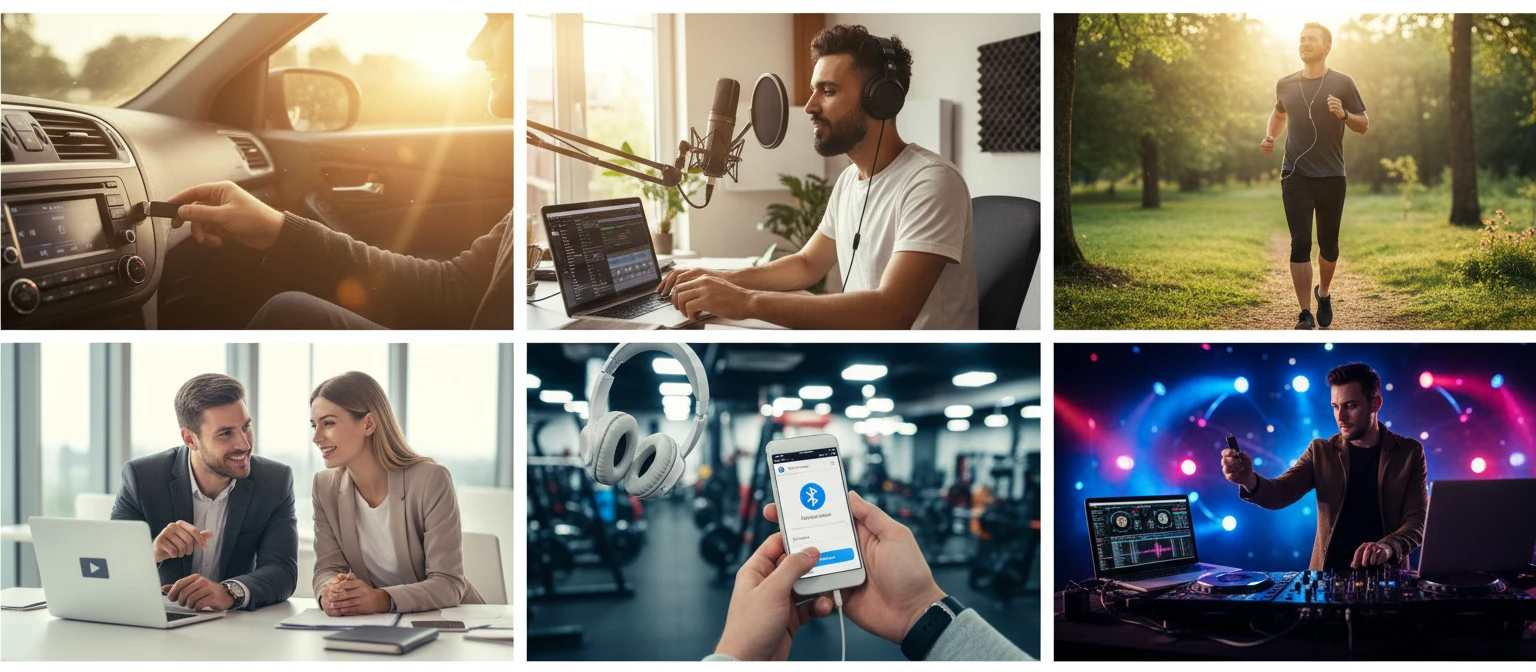
Our converter uses FFmpeg to decode Opus and re-encode as MP3 at a high bitrate, minimizing transcoding quality loss.
Why Convert Opus to MP3
Plays on Every Device
MP3 is recognized by every car stereo, Bluetooth speaker, legacy MP3 player, Android phone, iPhone, Windows PC, and smart TV — without exception.
Accepted by Every Podcast Platform
Spotify for Podcasters, Buzzsprout, Libsyn, Podbean, Anchor, and every other podcast host accept MP3 without format errors.
Shares via Any Channel
Email, Dropbox, Google Drive, messaging apps, and file transfer services all handle MP3 — and recipients can play it without installing anything.
Fast Conversion
Most Opus files convert to MP3 in under 30 seconds on dedicated FFmpeg servers.
Who Uses It
Who Converts Opus to MP3
Podcasters submitting to hosting platforms, musicians sharing tracks via USB or email, Discord users who need recordings on a car stereo, and anyone whose audience may not have a modern Opus-capable device.
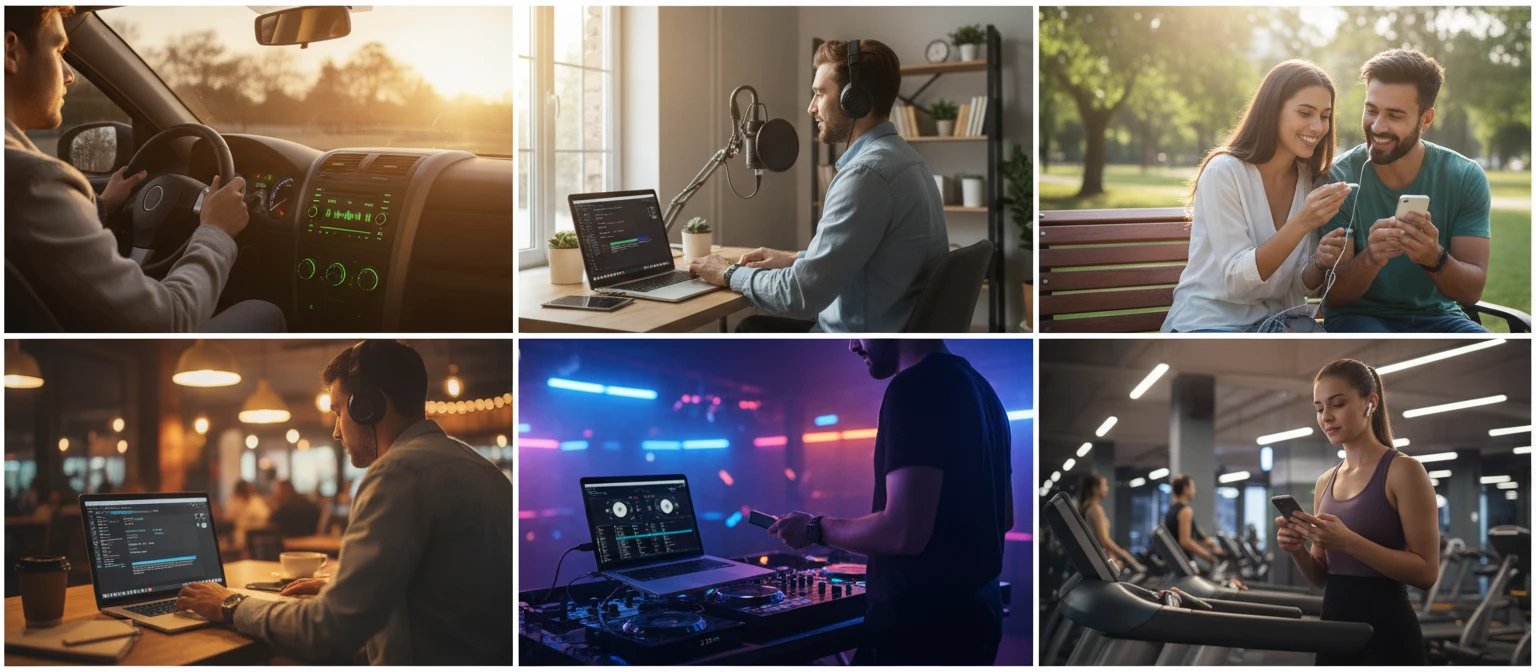
Converts using FFmpeg on dedicated servers.
Frequently Asked Questions
Why convert Opus to MP3 if Opus has better quality?
Opus is technically superior in quality per bitrate, but MP3 wins on compatibility. Car stereos, legacy devices, podcast platforms, and email recipients cannot play Opus without a modern application. MP3 plays everywhere without exception. The quality difference between high-bitrate MP3 and Opus is not audible to most listeners, making the compatibility trade-off worthwhile for distribution.
Which podcast platforms require MP3?
Spotify for Podcasters, Buzzsprout, Libsyn, Podbean, Anchor, Captivate, Transistor, and most other podcast hosting platforms require or strongly recommend MP3 for episode uploads. Opus is not listed as a supported format by any major podcast host. Converting before upload prevents format rejection errors.
Will converting Opus to MP3 cause quality loss?
A small quality penalty occurs because both Opus and MP3 are lossy codecs. Decoding Opus and re-encoding as MP3 introduces a second compression pass. Using a high MP3 output bitrate (192 kbps or above) keeps this additional penalty minimal and undetectable in most listening scenarios.
Will the converted MP3 play in my car stereo?
Yes. MP3 is supported by every car head unit, OEM or aftermarket, that reads audio from USB drives or SD cards. Copy the .mp3 file to a FAT32-formatted USB drive and plug it into the car stereo — it will appear in the file list and play normally.
Does the MP3 keep metadata like artist and title from the Opus file?
Yes. FFmpeg transfers available metadata from the Opus container to ID3 tags in the MP3 output. Artist, title, album, track number, and other fields are preserved in the converted file.
Is there a file size limit?
The upload limit is 100 MB per file. Most Opus audio files are well within this limit.
Ready to Convert Your Opus to MP3?
Upload your file above and get a universally compatible MP3 in seconds.