Free Online Chromatic Tuner
A precise chromatic tuner that listens to your instrument through your device's microphone and shows the detected note, its deviation in cents, and whether you are flat, sharp, or perfectly in tune — all in real time. Covers all 12 notes across every octave. Works with guitar, bass, violin, cello, ukulele, mandolin, and any other pitched instrument.
Open Tuner
RAUGEN
CT-2 CHROMATIC TUNER
NOTE
440.0Hz
Mic off
INPUT
Guitar AUTO
INSTRUMENT
GUITAR STRINGS
TAP TO LOCK

Real-Time Pitch Detection
Click the microphone button to grant access once. As you play any note on your instrument the tuner instantly identifies it — name, octave number, exact frequency in Hz, and how many cents it is from the ideal pitch.
Try It Now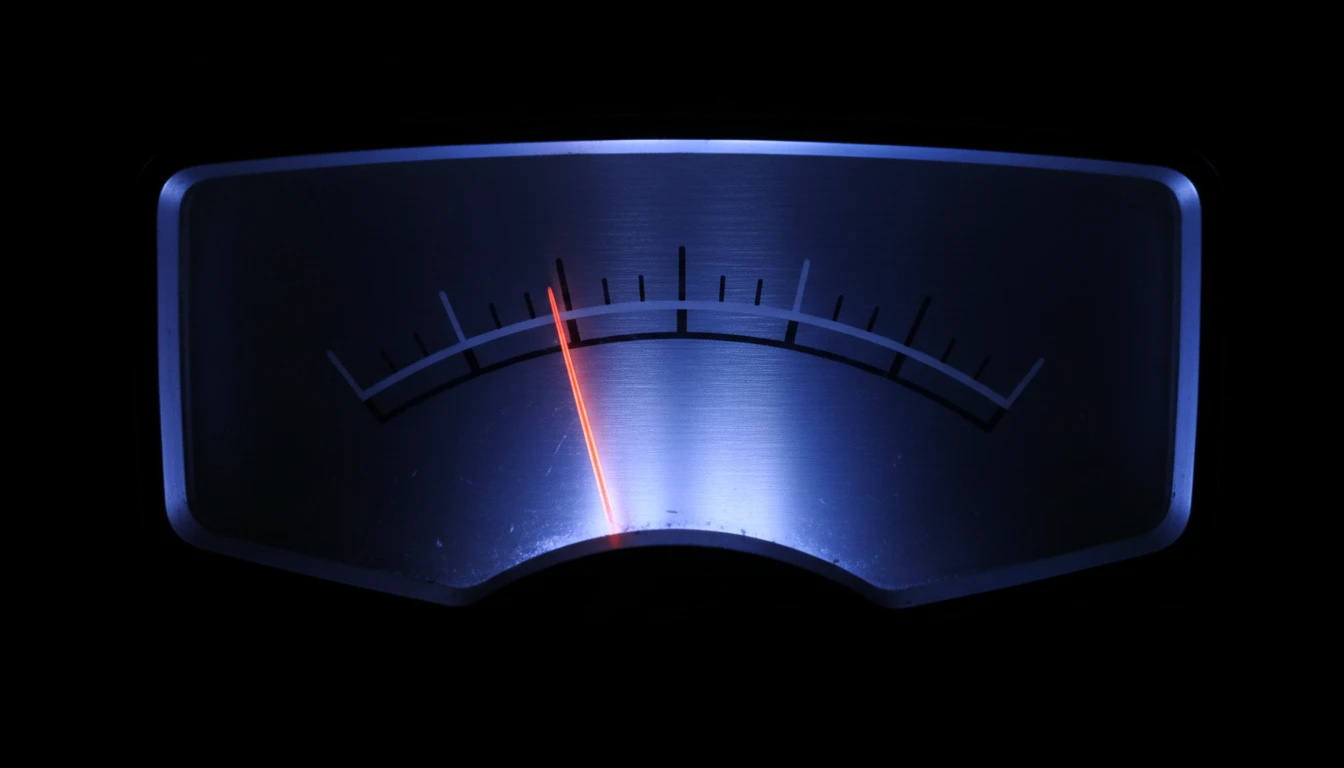
Cents Deviation Meter
A colour-coded needle meter shows exactly how far off your note is. Green means you're within 5 cents — effectively in tune. Amber warns you're close but not quite. Red means the string needs a larger adjustment. Tighten the tuning peg to raise the pitch; loosen it to lower.
See the Meter
Reference Tunings for Every Instrument
Select your instrument from the list — guitar, bass, ukulele, violin, viola, cello, and more — to see its standard open-string notes. Tune each string one by one using the displayed reference.
Select Your InstrumentHow to tune your instrument
Click "Start" to enable the microphone
Your browser will ask for microphone permission once. Approve it, and the tuner begins listening immediately. No account or sign-in is required.
Play a single note on your instrument
Pluck a string or blow a note — the tuner detects the pitch within milliseconds and displays the note name, octave, frequency, and cents deviation.
Adjust until the meter turns green
Tighten the tuning peg to raise the pitch (remove flat) or loosen it to lower (remove sharp). Repeat for each string. Green and "In tune" means you're done.
Deep Dive
How the Online Tuner Works
Pitch detection in a browser requires real-time audio processing. This tuner uses the Web Audio API and an autocorrelation algorithm to identify the fundamental frequency of what you play.
All audio analysis happens locally in your browser. No audio data is ever sent to a server.
Why Use This Tuner
Works with Any Instrument
Chromatic detection covers all 12 notes — guitar, violin, brass, woodwinds, voice, anything pitched.
Precise to the Cent
Parabolic interpolation gives sub-sample accuracy. Deviation is shown to one decimal cent.
Fully Private
Audio never leaves your device. The microphone stream is analysed locally and released the moment you click Stop.
Real-Time Response
Pitch is detected on every animation frame (~60 fps) so the meter reacts the instant you play.
Instrument Reference
Built-in open-string reference for guitar, bass, ukulele, violin, viola, cello, mandolin, banjo, and double bass.
No Install, No Sign-In
Open the page, click the mic button, and tune. Nothing to download or create an account for.
Who Uses It
Who Uses an Online Tuner
From beginners tuning their first guitar to performers doing a quick check before going on stage.

Free to use. No account, no download, no time limit.
Frequently Asked Questions
What instruments can I tune with this?
This is a chromatic tuner, so it detects all 12 notes across every octave. It works with guitar, bass guitar, ukulele, banjo, mandolin, violin, viola, cello, double bass, and any other pitched instrument — including voice, brass, and woodwinds. The reference panel provides open-string notes for the most common string instruments.
How accurate is the tuner?
The tuner uses an autocorrelation algorithm with parabolic interpolation, giving sub-sample accuracy. Deviation is displayed to one decimal cent. "In tune" is defined as within ±5 cents, which is indistinguishable to most listeners.
Does the tuner record my microphone audio?
No. The audio stream is connected directly to a Web Audio AnalyserNode for pitch analysis only. It is never recorded, stored, or sent to any server. Clicking Stop releases the microphone immediately — you can see the browser's microphone indicator go off.
Why does the needle jump around?
The needle reflects the instantaneous detected pitch. When you first pluck a string the attack transient can contain inharmonic content that briefly shifts the reading. Let the note sustain for half a second and the needle will settle onto the correct pitch. A silence gate also prevents noise from triggering readings when no note is playing.
I play bass — can it detect the low E string?
Yes. The tuner detects frequencies down to 60 Hz, which covers the low E on a 4-string bass (E1 ≈ 41 Hz would need extended range — standard bass low E is E1 ≈ 41 Hz, but practical detection starts around 60 Hz, so ensure you pluck firmly and let the note sustain. For best results, use a quality microphone and play in a quiet room.
What does "flat" and "sharp" mean?
"Flat" means the note is lower in pitch than it should be — tighten the tuning peg to raise it. "Sharp" means the note is higher than it should be — loosen the tuning peg to lower it. The number of cents shown tells you how far off you are: 100 cents is one full semitone.
Why is A4 = 440 Hz?
440 Hz is the international standard concert pitch (ISO 16:1975). Some orchestras and early music ensembles tune to 415 Hz or 442 Hz, but 440 Hz is the universal default used by electronic tuners, digital audio workstations, and this tuner.
Ready to Tune?
Click the mic button, play a note, and let the meter guide you to perfect pitch.