Identify the Architectural Style of Any House or Building
Upload any building photo and get the architectural style with defining features, historical context, materials, and notable examples worldwide.
Identify a Building
Upload a Building Photo
We'll open AI Home Studio next so you can identify the architectural style from the facade.
Drag & drop your house photo here
A clear shot of the full facade works best — JPG, PNG or WebP, up to 15MB
Your photo is used only to identify the style for you.

Style Identification with Historical Context
The AI identifies the architectural style from your photo and provides a full historical profile: style name, historical period, date range, peak popularity, geographic origin, and the cultural and social forces that created it. Learn why Victorian houses look so different from Mid-Century Modern ones, and what each choice of roofline, window, and material tells you about the era it came from.
Identify a Building
Defining Features and Materials Analysis
Every style report breaks down the defining architectural features visible in your photo: roof form, facade composition, window styles, entry and door characteristics, decorative elements, porches, and overall massing. Materials are identified and explained — why brick was preferred for Colonial Revival, why steel and glass define Modernism, why Craftsman bungalows used exposed wood beams — with context for each choice.
Analyze Features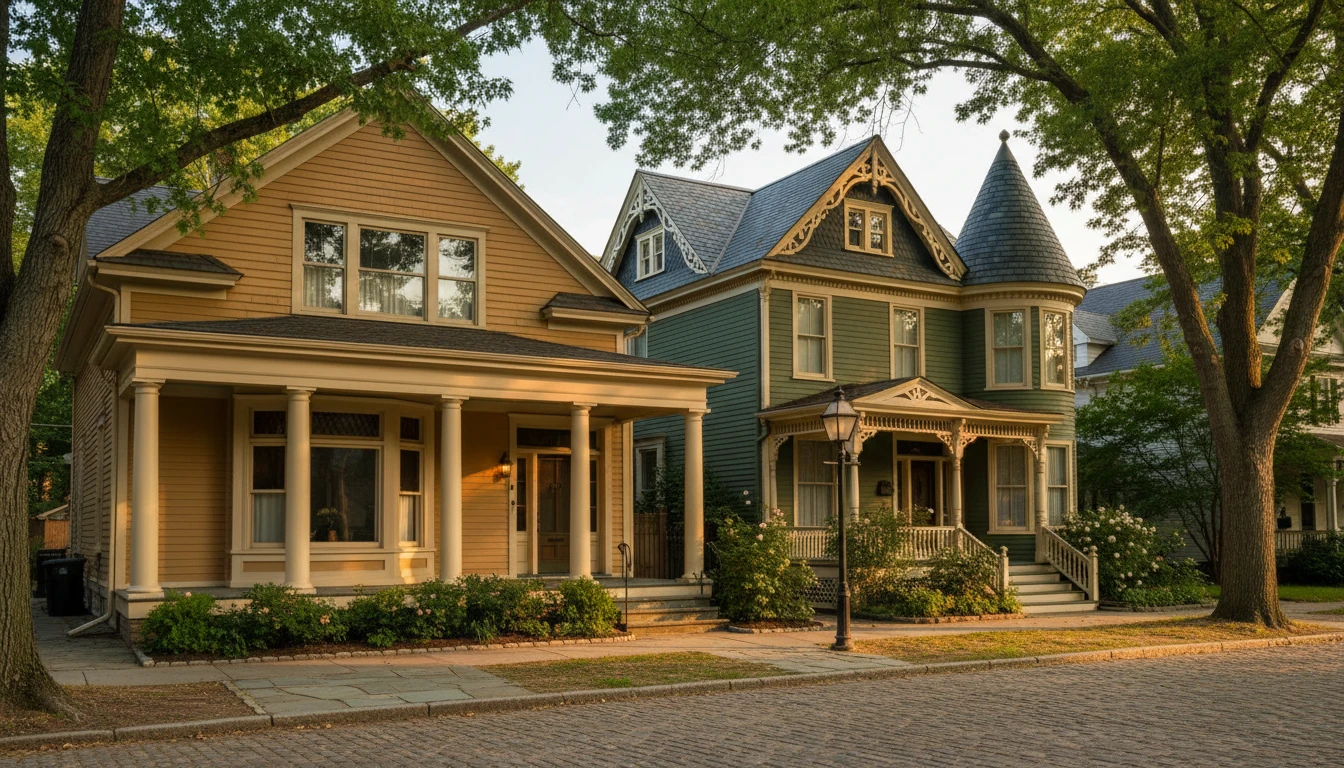
Similar Styles and How to Tell Them Apart
Many architectural styles share superficial similarities that make them easy to confuse. The report includes a comparison table of styles frequently mistaken for the identified one, with the specific features that differentiate them. Learn how to tell a Craftsman from a Prairie Style bungalow, or a Georgian Colonial from a Federal Revival, so you can identify buildings with confidence.
Compare StylesHow to Identify an Architectural Style with AI
Upload a Building Photo
Upload a clear photo of the full exterior facade. Capture the roofline, windows, doors, and decorative elements. Straight-on angles in good light give the most accurate results.
AI Analyzes the Architecture
The AI examines roofline, facade composition, window and door styles, decorative elements, massing, and materials to identify the dominant architectural style and any substyle or regional variant.
Get the Full Style Report
Receive a complete architectural style report: style name and period, defining features, materials, historical context, notable examples worldwide, similar styles, and key identification tips.
Who Uses It
Homeowners and Renovators
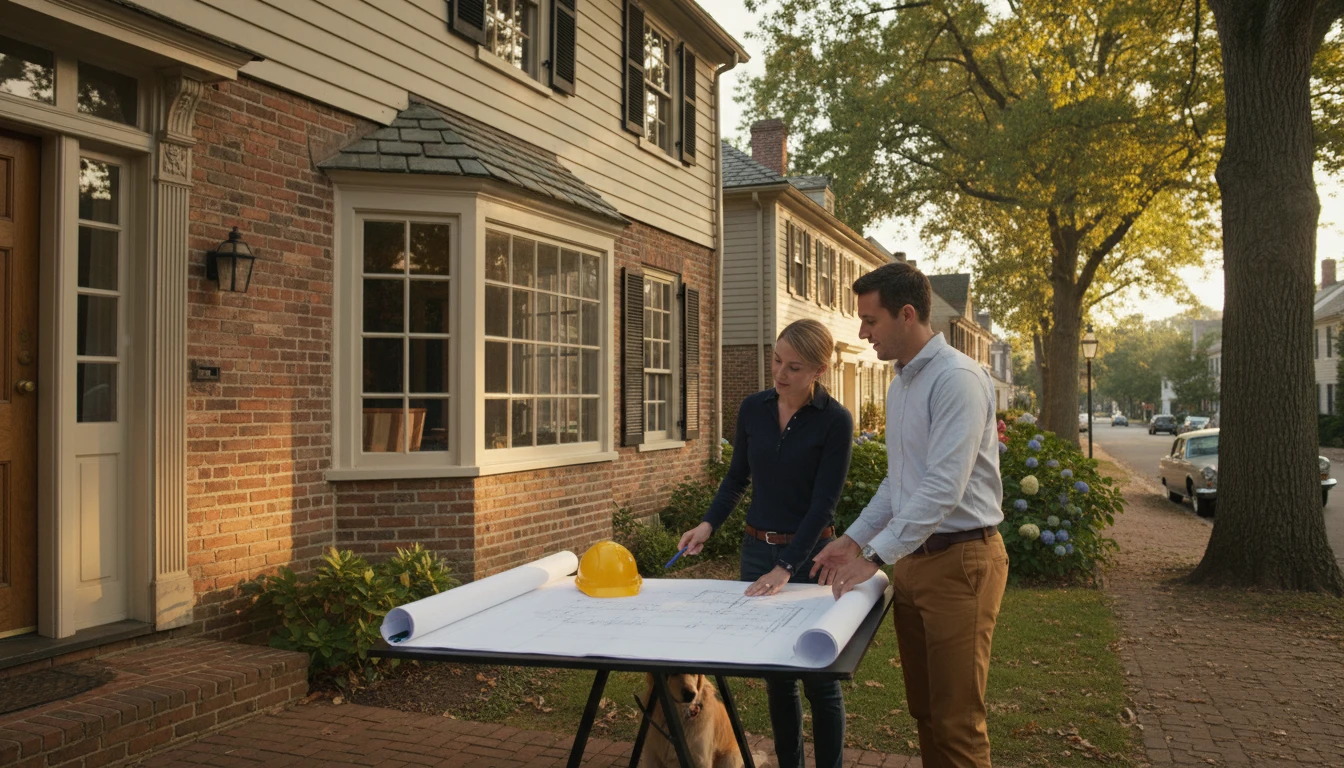
Know your home's architectural style before renovating so every addition, color choice, and material selection complements the original design. Avoid the common mistake of mismatching modern elements with historic facades.

Real Estate Professionals
Accurately describe and market a property's architectural heritage. Buyers who appreciate Victorian, Craftsman, or Mid-Century Modern homes search by style — the right terminology attracts the right buyers.

Architecture Students and Educators
Study real-world examples of architectural styles from any city or neighborhood. Instantly identify styles, compare defining features, and explore historical context for coursework, research, or field study.

Travelers and Heritage Tourists
Identify the styles of buildings you encounter while traveling and understand what makes them historically significant. Connect what you see on the street with the broader story of architecture and urban history.
Deep Dive
The Major Architectural Styles
Residential architecture spans centuries and continents, with each major style reflecting the technology, culture, and aesthetic values of its era. Understanding the key periods helps you place any building in its historical and cultural context.
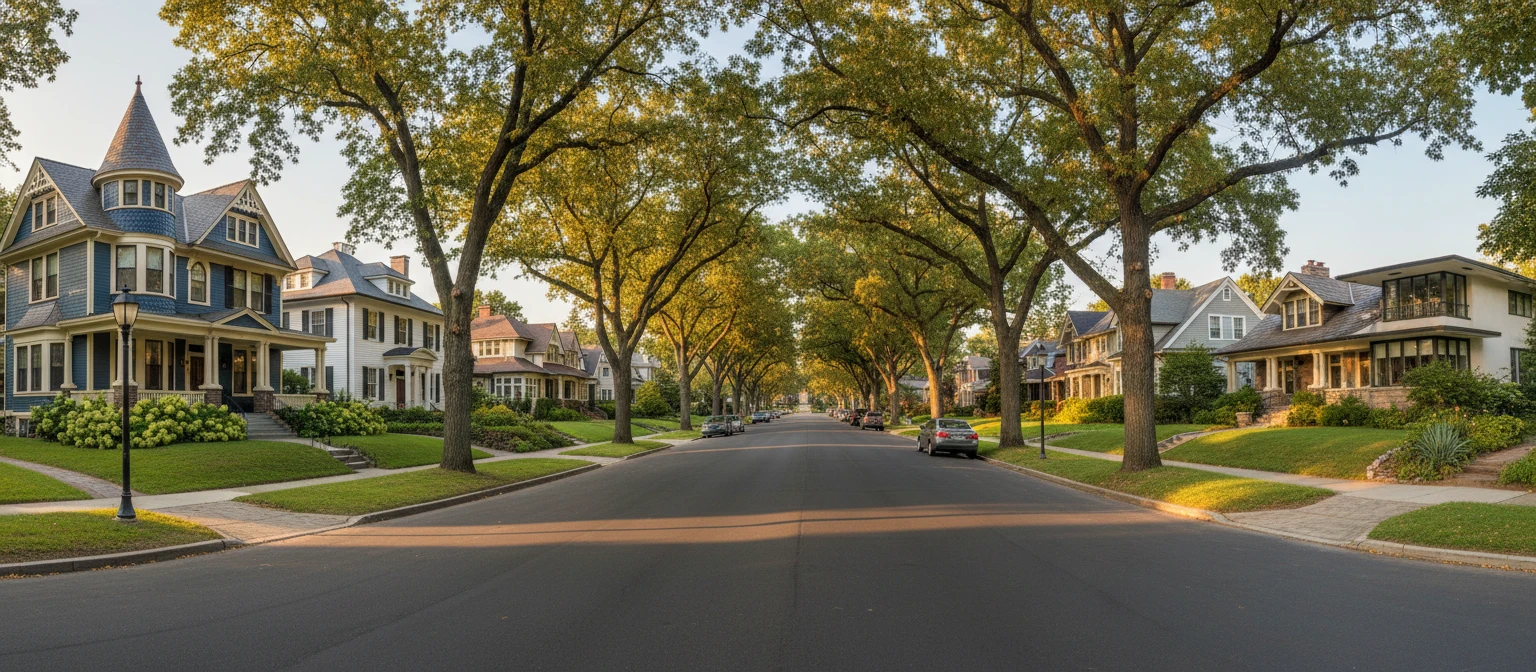
Note: Many buildings combine elements from multiple styles or represent regional variations. The AI identifies the dominant style and notes significant secondary influences or substyles.
Why Use It
Instant Recognition
Identify architectural styles in seconds without formal architecture training. Works with Victorian, Colonial, Craftsman, Mid-Century Modern, Art Deco, and dozens more.
Deep Historical Context
Learn the social, cultural, and technological forces that shaped each style — not just what it looks like but why it looks that way.
Renovation Guidance
Make informed decisions about materials, colors, and design choices for your home so additions and updates complement rather than clash with the original architecture.
Similar Styles Comparison
Know exactly how to tell apart styles that are frequently confused — Colonial from Federal, Craftsman from Prairie, Tudor from French Eclectic.
Frequently Asked Questions
How does the AI House Architectural Style Identifier work?
Upload a photo of any house or building and the AI analyzes the roofline, facade composition, window and door styles, decorative elements, massing, and materials to identify the dominant architectural style. It then generates a full report covering historical context, defining features, materials, notable examples, and similar styles.
Which architectural styles can it identify?
The tool recognizes a wide range of styles including Victorian, Queen Anne, Italianate, Second Empire, Colonial Revival, Georgian, Federal, Greek Revival, Tudor Revival, Craftsman, Prairie Style, Bungalow, Art Deco, International Style, Mid-Century Modern, Ranch, Cape Cod, Spanish Colonial Revival, Mediterranean Revival, Brutalist, Postmodern, and many more including regional substyles.
How accurate is the identification?
Accuracy is highest for buildings with clearly visible and distinctive stylistic features photographed from the full facade in good light. Mixed-style or transitional buildings are identified with notes on the multiple influences present. The Advanced AI model improves accuracy for ambiguous or uncommon styles.
What makes a good photo for identification?
Capture the full exterior facade including the roofline, foundation, windows, doors, and decorative elements. Shoot straight-on rather than at extreme diagonal angles. Good even lighting (overcast or soft afternoon light) reveals surface texture and color better than harsh direct sun. Step back far enough to include the complete building.
Can it identify buildings outside the United States?
Yes. The AI has knowledge of architectural styles from Europe, Asia, Latin America, Australia, and elsewhere including Georgian terraces in the UK, Haussmann-era Paris apartments, Spanish colonial architecture, Japanese machiya townhouses, and many more. It identifies the regional style and notes geographic context.
Can this help me with a home renovation?
Absolutely. Knowing your home's architectural style helps you choose materials, colors, window replacements, door styles, and landscaping that complement the original design. The report's materials section explains what was traditionally used for the identified style, which helps you find period-appropriate replacements and avoid stylistic mismatches.
What if my building is a mix of two styles?
Many buildings combine elements from multiple styles, especially those built during transitional periods or renovated over multiple decades. The report identifies the dominant style and notes secondary influences or substyle characteristics, so you get an accurate picture of the building's architectural heritage even when it doesn't fit neatly into a single category.
Identify Any Building's Style Instantly
Sign up free and get 100 credits instantly. Upload any building photo and get a complete architectural style report in seconds.
Disclaimer: This tool uses generative AI technology which may produce content that resembles copyrighted materials or that is inaccurate, incomplete, or out-of-date. It is provided for general information and educational purposes only and is not intended for illegal activities or to replace professional advice, diagnosis, or treatment. Users are solely responsible for how they use the generated content. If you plan to use AI-generated content commercially or publicly, we strongly recommend reviewing it for potential copyright issues and obtaining proper permissions where necessary. We accept no liability for copyright infringement or any other consequences resulting from the use of content generated by this tool.