Turn Any Story Idea Into a Complete Original Story
Describe any idea, character, setting, or mood and get a complete story with compelling characters, vivid settings, natural dialogue, and a satisfying arc.
Generate a Story
Story Generator
Describe your story idea and get a complete, original story with compelling characters, vivid details, and a satisfying narrative arc. Choose your genre, tone, audience, and length.
Results
Story Generator
Story Generator
Paste your text on the left and click the button to see the results.
- Complete original story — no truncation
- Compelling characters with clear motivations
- Vivid settings and sensory detail
- Natural dialogue and scene breaks
- Story summary and character overview
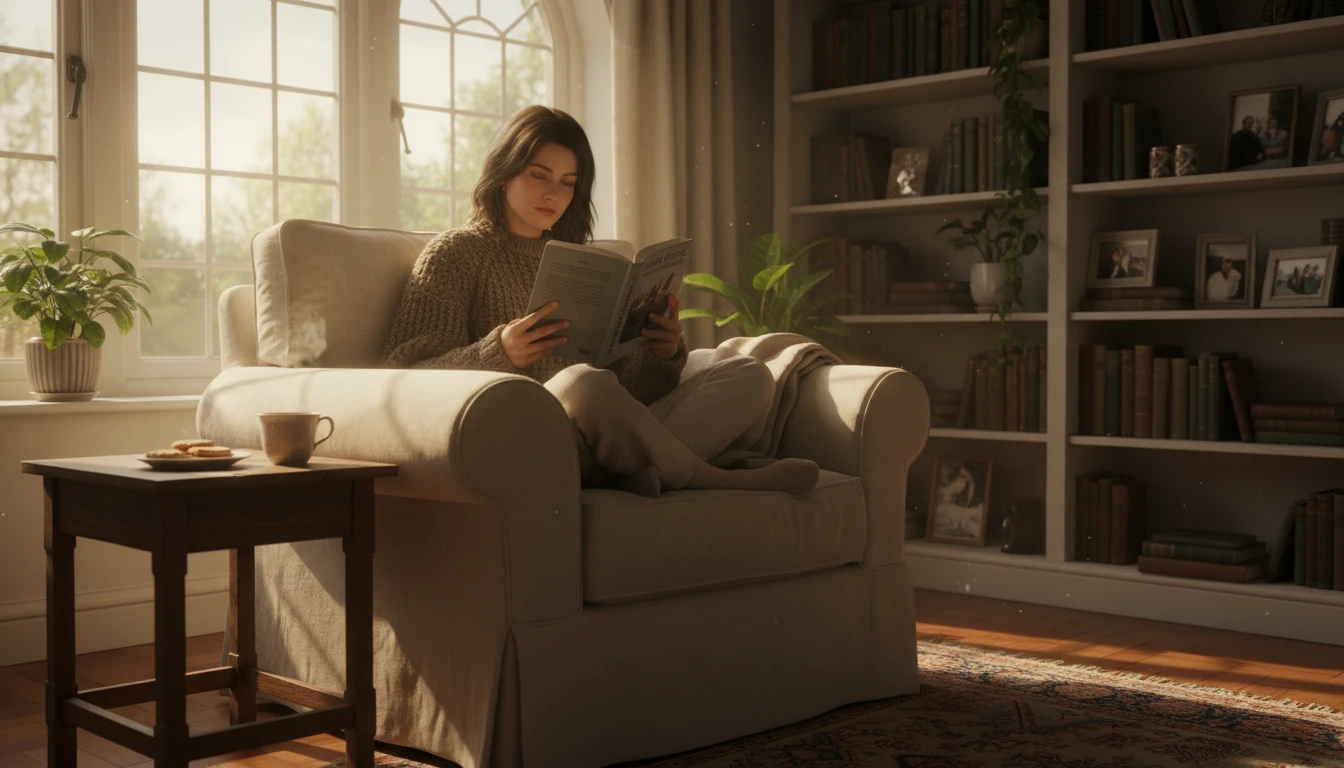
Complete Stories, Not Summaries
Every generation produces a full, complete story — not a plot outline, not a synopsis, not a truncated excerpt. The AI writes from the opening hook through to the final sentence, with a clear narrative arc, character development, scene-by-scene progression, and a satisfying conclusion. Flash fiction, short stories, and longer pieces all receive the same complete treatment.
Generate a Story
Genre, Tone, Audience, and Length Control
Choose from 11 genres including Fantasy, Sci-Fi, Mystery, Romance, Horror, Thriller, Adventure, Historical Fiction, Contemporary, Fairy Tale, and Fable. Set the tone — dramatic, humorous, suspenseful, whimsical, dark, heartwarming, mysterious, or action-packed. Target young children, middle grade, young adults, or adults. Select flash fiction (under 200 words), short story (500–800 words), or a longer story (1,000–1,500 words).
Choose Your Genre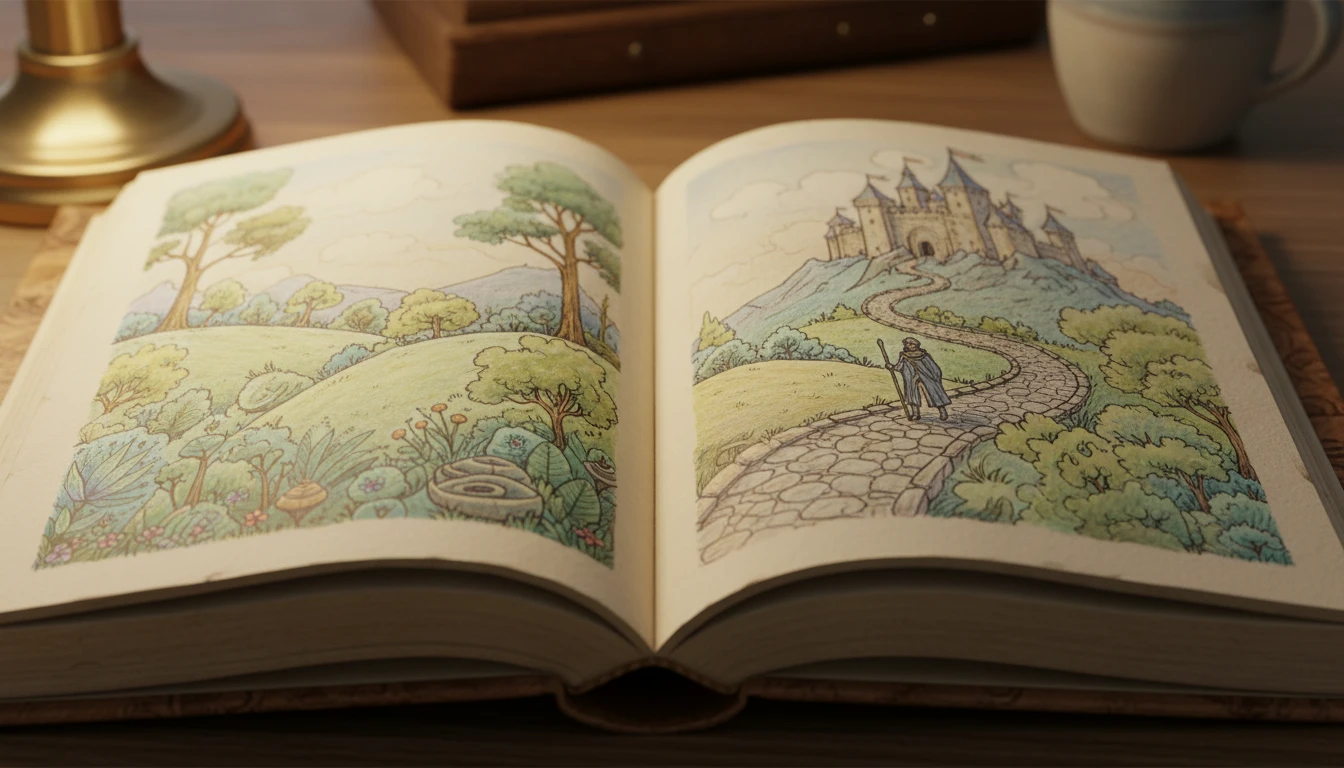
Vivid Characters and Settings
The AI writes with genuine craft: distinct character voices, sensory detail that puts you in the scene, natural dialogue that reveals character, and descriptive language that builds atmosphere. Settings are grounded and specific. Characters have motivations and contradictions. Dialogue moves the story forward rather than just filling space. The result reads like a real story, not a template.
Read a Sample StoryHow to Generate a Story with AI
Describe Your Story Idea
Write a prompt: a character, a setting, a conflict, a first line, a mood, or any idea you want turned into a story. The more specific your prompt, the more tailored the result.
Choose Your Preferences
Select genre, tone, target audience, and length. The AI adjusts vocabulary, pacing, complexity, and style to match your choices.
Read Your Complete Story
Get a fully written, original story with title, complete narrative, and a story summary. Copy it, share it, or use it as a starting point for your own writing.
Who Uses It

Writers Overcoming Block
Use the AI-generated story as a starting point, a structural template, or inspiration when you are stuck. Generate multiple versions of the same prompt to explore different narrative directions.

Parents and Educators
Generate age-appropriate stories for children on demand. Create bedtime stories, classroom reading exercises, or custom tales featuring a child's name, interests, or a specific moral lesson.
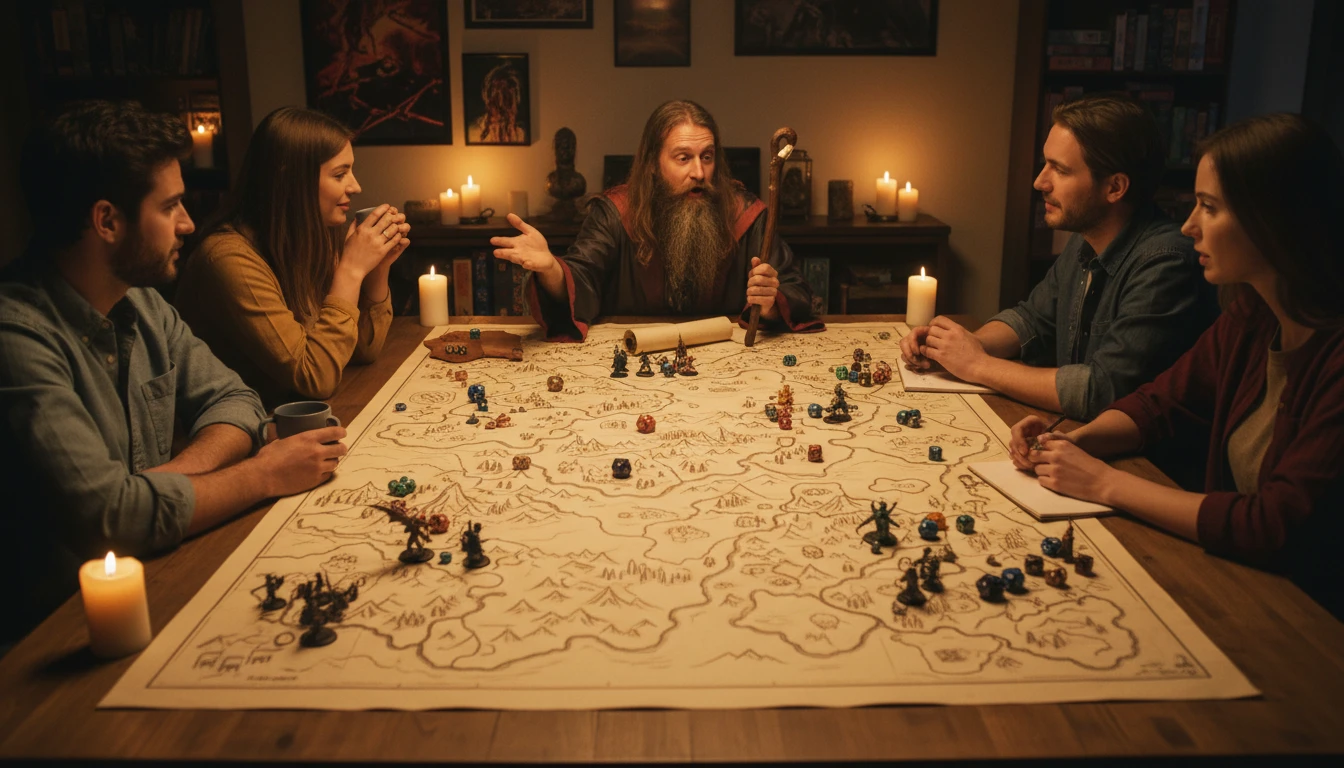
Game Masters and World Builders
Generate lore, backstory, NPC histories, and in-world fiction for tabletop RPGs and video game worldbuilding. Create stories that flesh out the narrative texture of a setting.

Content Creators and Marketers
Generate short narrative content for brand storytelling, social media, email campaigns, or product pages. A compelling micro-story can communicate a brand value better than a bullet list.
Deep Dive
What Makes a Great AI Story
A well-crafted story is more than words on a page. It is a series of deliberate choices about structure, character, pacing, and language that work together to create an experience for the reader. Understanding these elements helps you write better prompts and get better results.

Note: AI-generated stories are original creative works generated for your prompt. Always review before sharing or publishing.
Why Use It
Complete Stories
Full stories from first line to last — no truncation, no outlines, no summaries passed off as narratives.
Genre and Tone Control
11 genres, 8 tones, 4 audience levels, and 3 length options give you precise control over the type of story you get.
Genuine Craft
Vivid sensory detail, distinct character voice, natural dialogue, and deliberate pacing — not just a plot synopsis dressed up as prose.
Instant Generation
A complete story in seconds. Regenerate as many times as you like with the same prompt to explore different narrative directions.
Frequently Asked Questions
How does the AI Story Generator work?
Describe your story idea in the prompt field — a character, setting, conflict, or any concept. Choose your genre, tone, target audience, and desired length. The AI writes a complete, original story from first line to last, with a clear narrative arc, vivid characters, and a satisfying ending.
Does it write the full story or just a summary?
It writes the complete story — no truncation, no outlines, no plot summaries. Every generation produces a fully written narrative from the opening hook to the final sentence.
Which genres are available?
Fantasy, Science Fiction, Mystery, Romance, Horror, Thriller, Adventure, Historical Fiction, Contemporary Fiction, Fairy Tale, and Fable. Each genre has specific conventions that the AI applies to character types, world-building, plot structure, and language.
How long are the generated stories?
Three length options: Flash Fiction (under 200 words), Short Story (500–800 words), and Long Short Story (1,000–1,500 words). Choose based on your need — flash fiction for quick reads, longer options for more developed narratives.
Can I generate stories for children?
Yes. Choose "Young Children (ages 4–7)" or "Middle Grade (ages 8–12)" from the audience selector. The AI adjusts vocabulary complexity, sentence length, themes, and content appropriateness accordingly.
Can I use the generated story for commercial purposes?
The generated story is original content created for your prompt. As with all AI-generated content, we recommend reviewing it before commercial or public use. Users are responsible for how generated content is used.
What makes a good story prompt?
Specific prompts produce better stories than generic ones. Include a character with a clear situation, a setting that creates atmosphere, and a conflict or complication. You can also add style directives like "bittersweet ending," "told from the antagonist's perspective," or "twist in the final paragraph" to control the narrative shape.
Generate Your First Story Today
Sign up free and get 100 credits instantly. Describe any story idea and get a complete original story in seconds.
Disclaimer: This tool uses generative AI technology which may produce content that resembles copyrighted materials or that is inaccurate, incomplete, or out-of-date. It is provided for general information and educational purposes only and is not intended for illegal activities or to replace professional advice, diagnosis, or treatment. Users are solely responsible for how they use the generated content. If you plan to use AI-generated content commercially or publicly, we strongly recommend reviewing it for potential copyright issues and obtaining proper permissions where necessary. We accept no liability for copyright infringement or any other consequences resulting from the use of content generated by this tool.