Identify Any Plant and Get a Full Health Assessment
Upload any plant photo and get the species ID, health assessment, issue detection such as pests or nutrient deficiencies, and a tailored care guide with action steps.
Scan a Plant
AI Plant Scanner
Upload any plant photo and get a complete scan: species identification, visual health assessment, potential issue detection, full care guide, and prioritised action steps. Works for houseplants, garden plants, vegetables, herbs, succulents, and more.
Upload a plant photo
Works best with a clear well-lit photo showing the full plant including leaves, stems, and any areas of concern. Include close-ups of damaged or unusual areas for the most accurate health assessment.
or drag and drop an image here
Results
AI Plant Scanner
AI Plant Scanner
Upload a photo on the left and click analyse to see the results.
- Plant species identification: common name, scientific name, family, and native region
- Visual health assessment: leaf colour, texture, stem condition, growth pattern, and overall vigour
- Potential issues detected: overwatering, pests, disease, nutrient deficiencies, and light stress
- Complete care guide: light, watering, soil, humidity, temperature, fertilising, and repotting
- Prioritised action steps: specific things to do right now based on what the scan finds
- Toxicity, propagation methods, popular cultivars, and an interesting plant fact
Identify Any Plant with Species-Level Detail
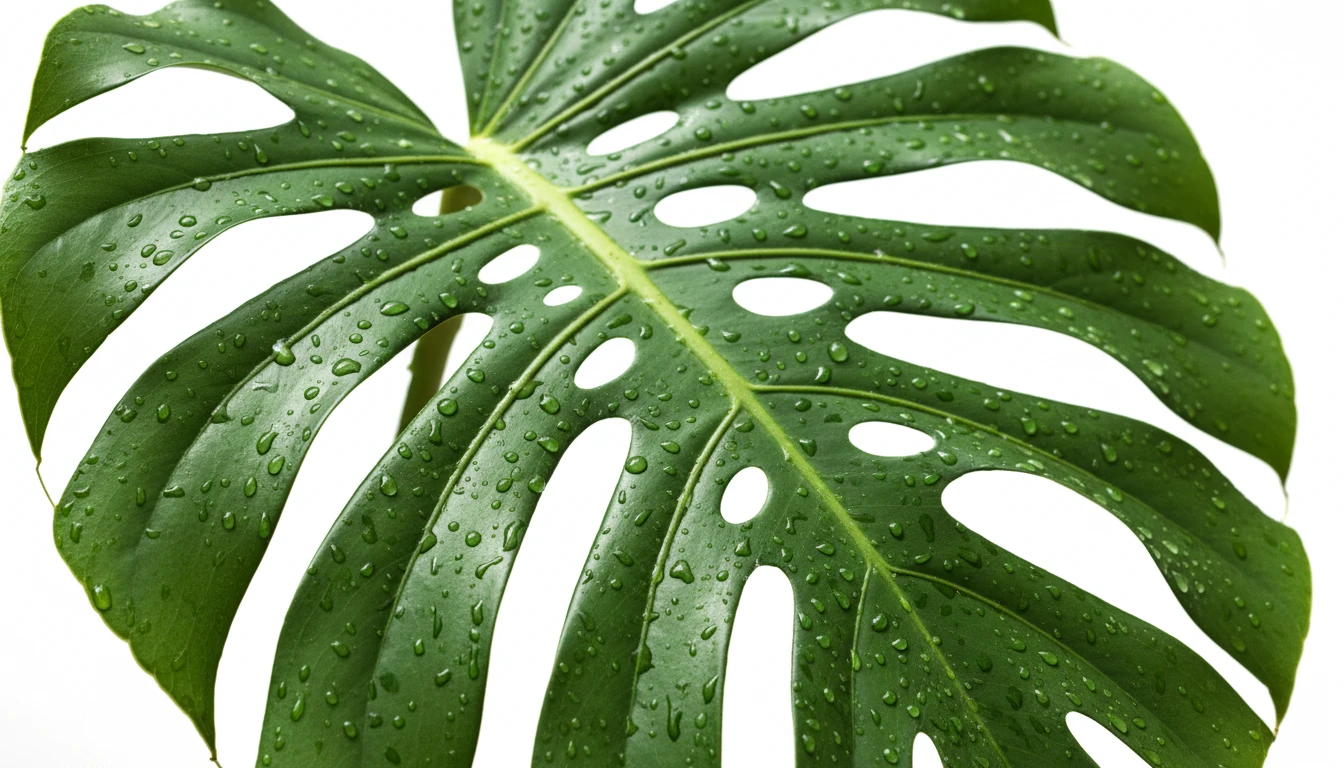
Upload any clear photo of a plant and the AI identifies the species by common name and scientific name, places it in its botanical family, notes its native region, and classifies it by type (houseplant, succulent, tropical, herb, vegetable, tree, vine, etc.). Every result includes an identification confidence rating with a note on the specific visible features used, and badge tags for key traits like pet-safe, air-purifying, edible, flowering, or drought-tolerant.
Identify a Plant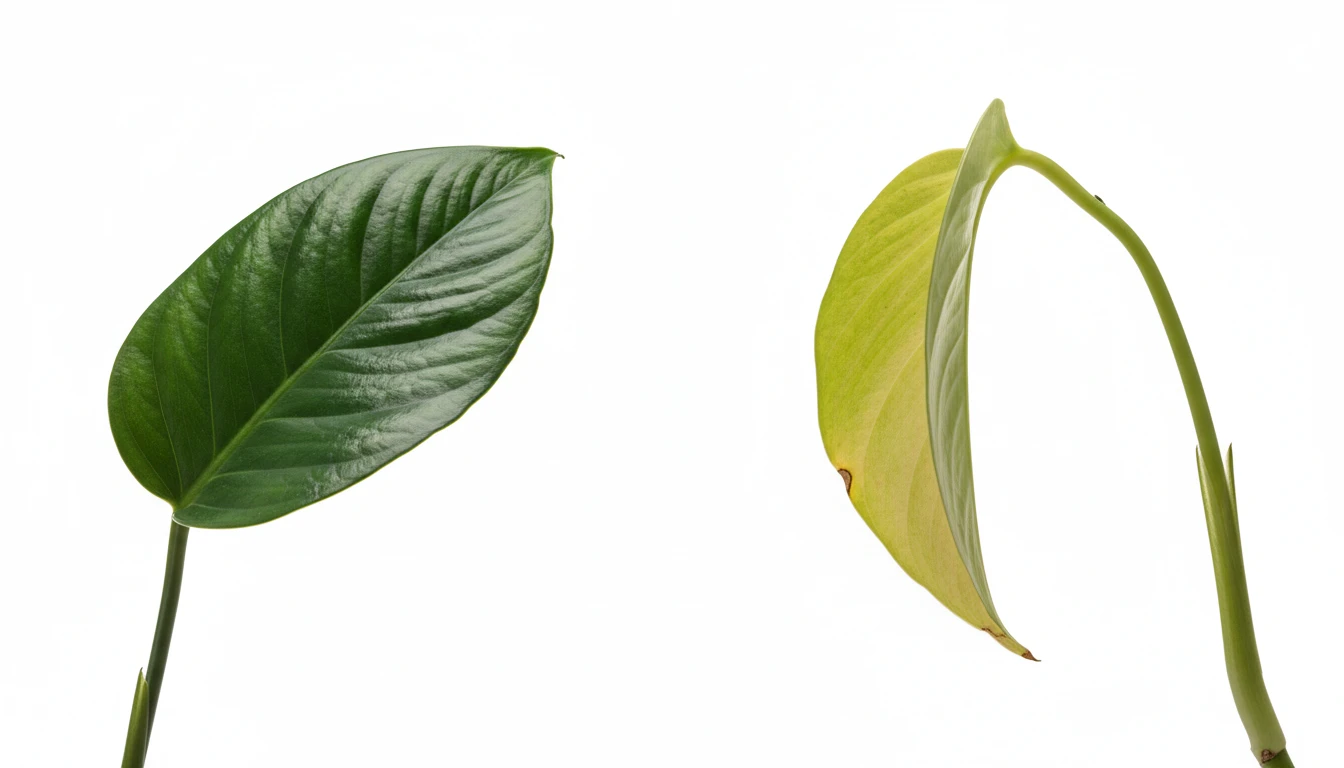
Visual Health Assessment Across Every Indicator
Every scan includes a thorough visual health assessment covering leaf colour (detecting yellowing, browning, pale green, purple tints, or spots that signal specific problems), leaf texture and surface (spotting powdery residue, sticky deposits, webbing, or unusual markings), stem condition, root signs, growth pattern (leggy, stunted, lopsided, or vigorous), and an overall vigour rating. Each indicator is colour-coded healthy, needs attention, or struggling so you can see at a glance what needs addressing.
See Health Assessment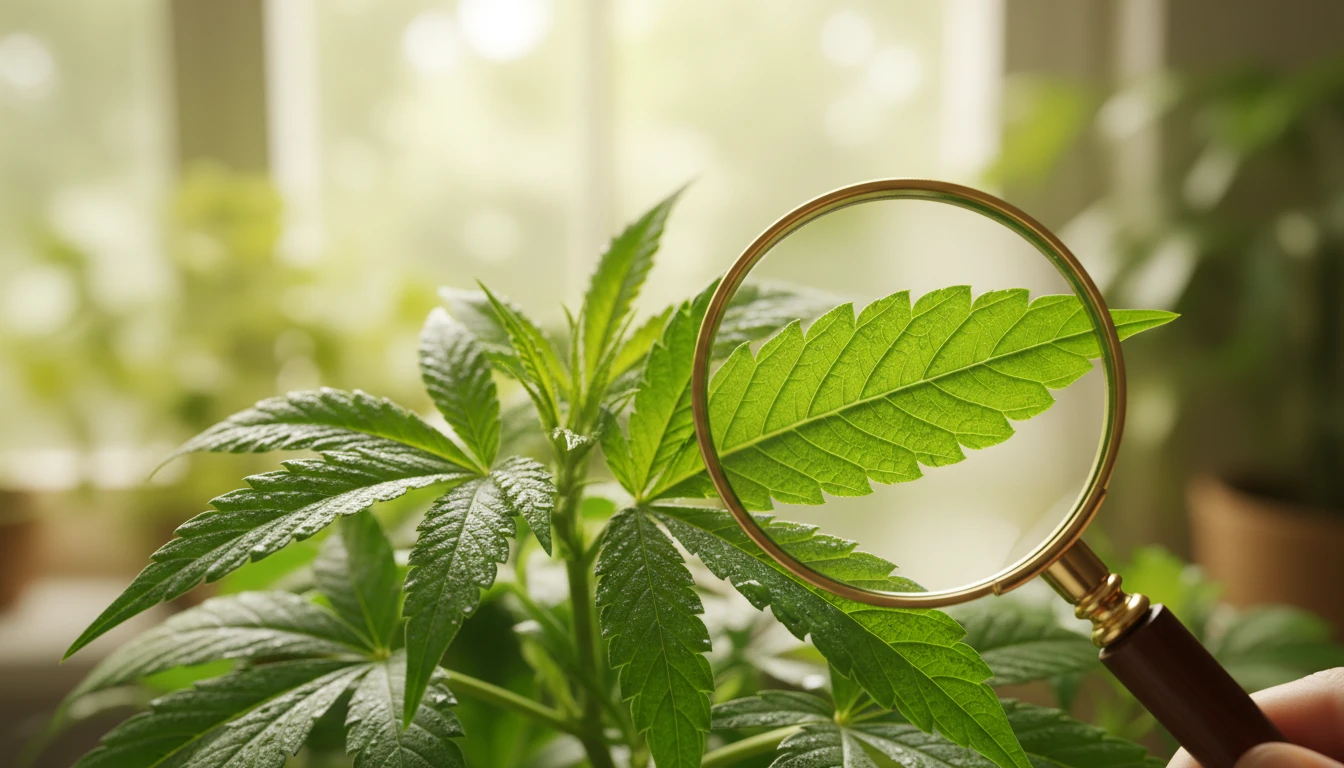
Issue Detection, Care Guide, and Prioritised Action Steps
When issues are detected, each one is named, explained with the visible symptoms, the likely cause, and a specific recommended action. The care guide section then covers all seven key care parameters for the identified species: light requirements, watering frequency and the specific test to use, ideal soil mix, humidity range, temperature tolerance, fertilising schedule, and repotting timing. The recommended actions section closes with a prioritised list of 3 to 6 specific things to do right now, ordered from most urgent to least.
See Issue DetectionHow to Scan a Plant with AI
Upload a Plant Photo
Upload any clear well-lit photo of your plant. Include the full plant plus close-ups of any areas of concern: discoloured leaves, spots, wilting stems, or unusual growth. More visual information gives a more accurate health assessment.
AI Identifies and Scans
The AI identifies the species and then reads every visible health indicator: leaf colour, texture, spotting, stem condition, growth pattern, and overall vigour, colour-coding each as healthy, needs attention, or struggling.
Get the Full Report and Action Steps
Receive the complete scan: species ID, visual health assessment, detected issues with causes and fixes, tailored care guide, and a prioritised list of specific actions to take right now.
Who Uses It

Houseplant Owners
Your plant is looking off but you cannot figure out why. Is it overwatered? Under-lit? Has something been eating it? Upload a photo and get a visual health assessment that reads every visible indicator across leaves, stems, and growth pattern, names any issues it finds, explains the likely cause, and tells you exactly what to do. No more guessing whether to water more or less, move it to a different window, or treat for pests.
Gardeners and Growers
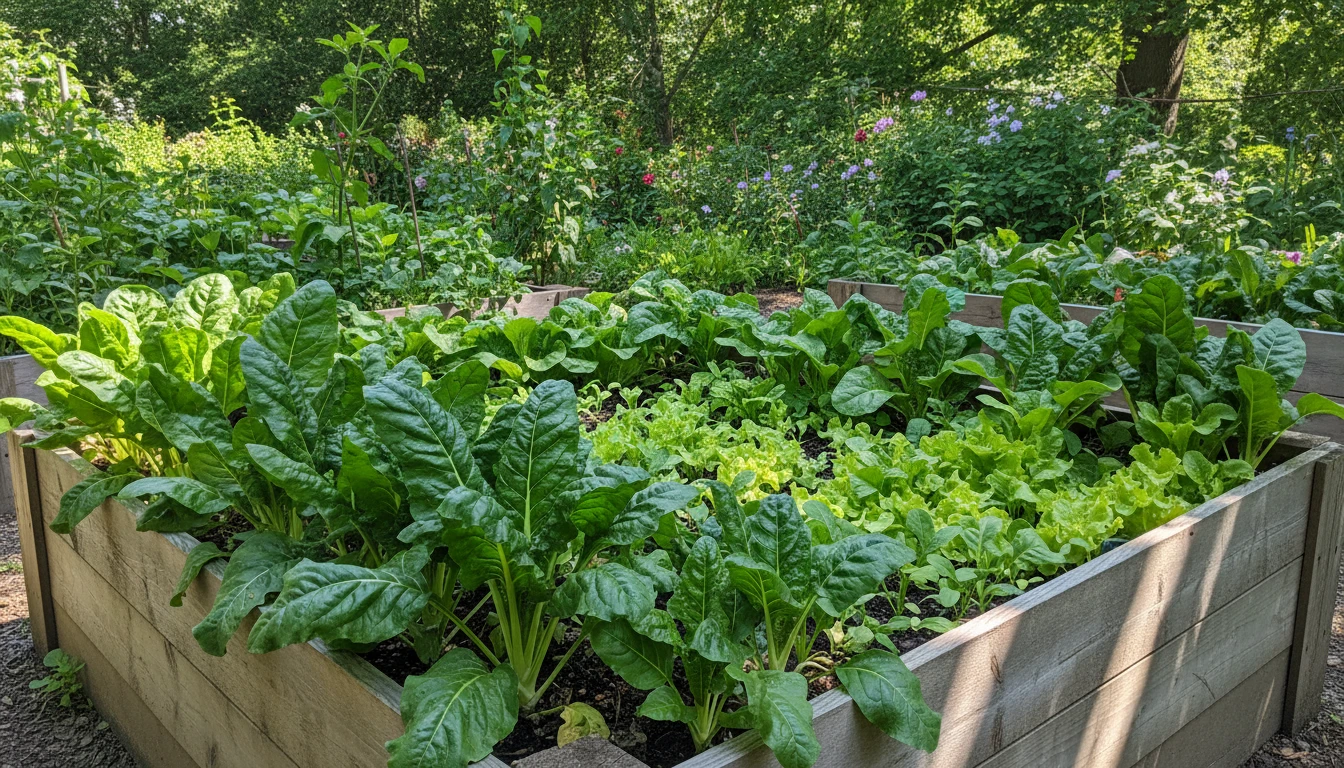
Found an unfamiliar plant in the garden, or noticing your vegetable patch or flower bed showing signs of stress? Upload a photo and get the species identification alongside the full health assessment. The care guide is tailored to what you have planted and the recommended actions are prioritised by urgency, so you know exactly what to address first when you have a row of plants showing different levels of distress.

New Plant Parents
Just got your first plant and not sure what it is or how to care for it? Upload a photo and get the complete care guide for the exact species you have: how much light it needs, how often to water it and the specific test to use, what soil it likes, whether it needs humidity, when to fertilise it, and when to repot. The toxicity section tells you whether it is safe for your pets or children, and the propagation section tells you how to make more plants when you are ready.
Plant Nursery Staff and Retailers
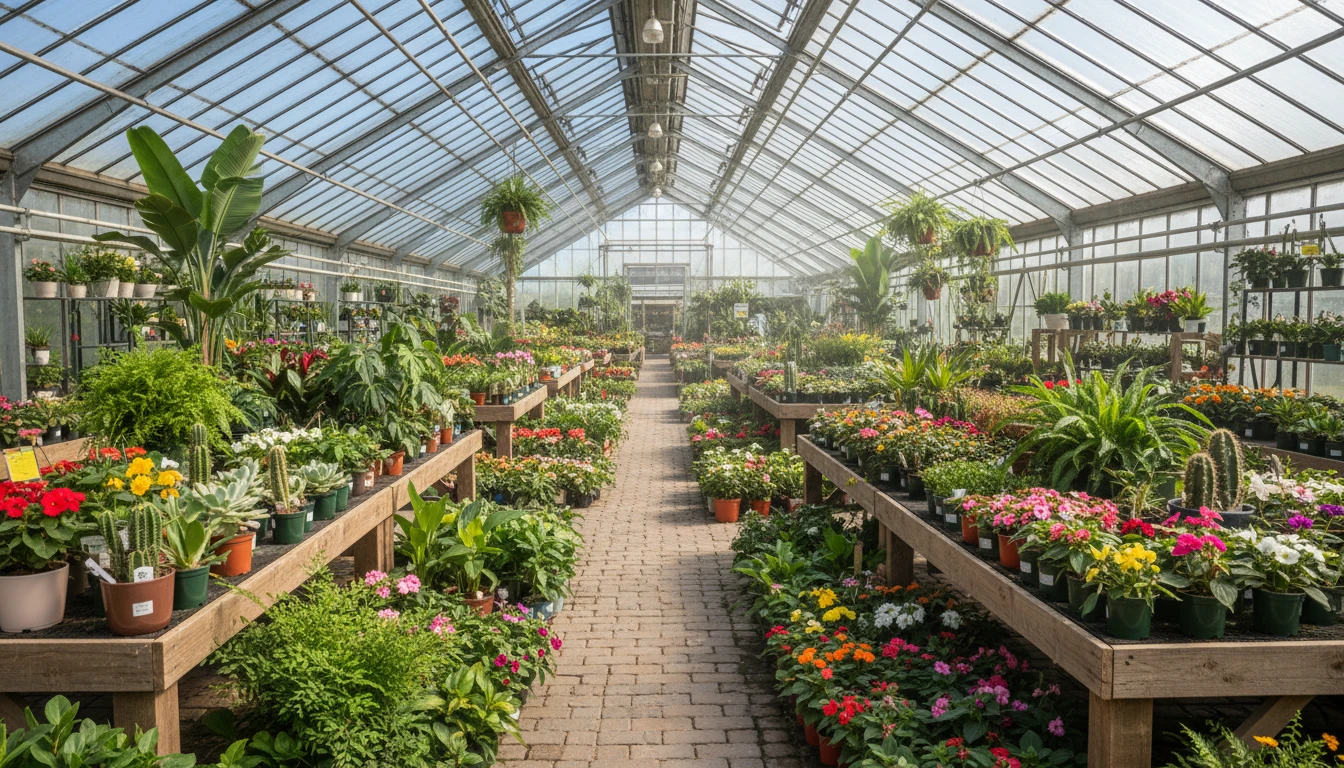
Received a delivery of unlabelled plants, or a customer brings in a struggling specimen for advice? Upload a photo and get a quick species identification and health scan. The identification gives you the common and scientific name, the plant family, and key care traits to communicate to customers. The health assessment gives you a structured report to share with a customer bringing in a sick plant, covering what you can see and what they should do.
Deep Dive
Common Plant Problems and What They Look Like
Plants communicate their health through visible changes in their leaves, stems, and growth. Learning to read these visual signals is the foundation of good plant care, and every AI Plant Scanner result colour-codes each indicator so you can see at a glance what is healthy, what needs attention, and what is struggling.
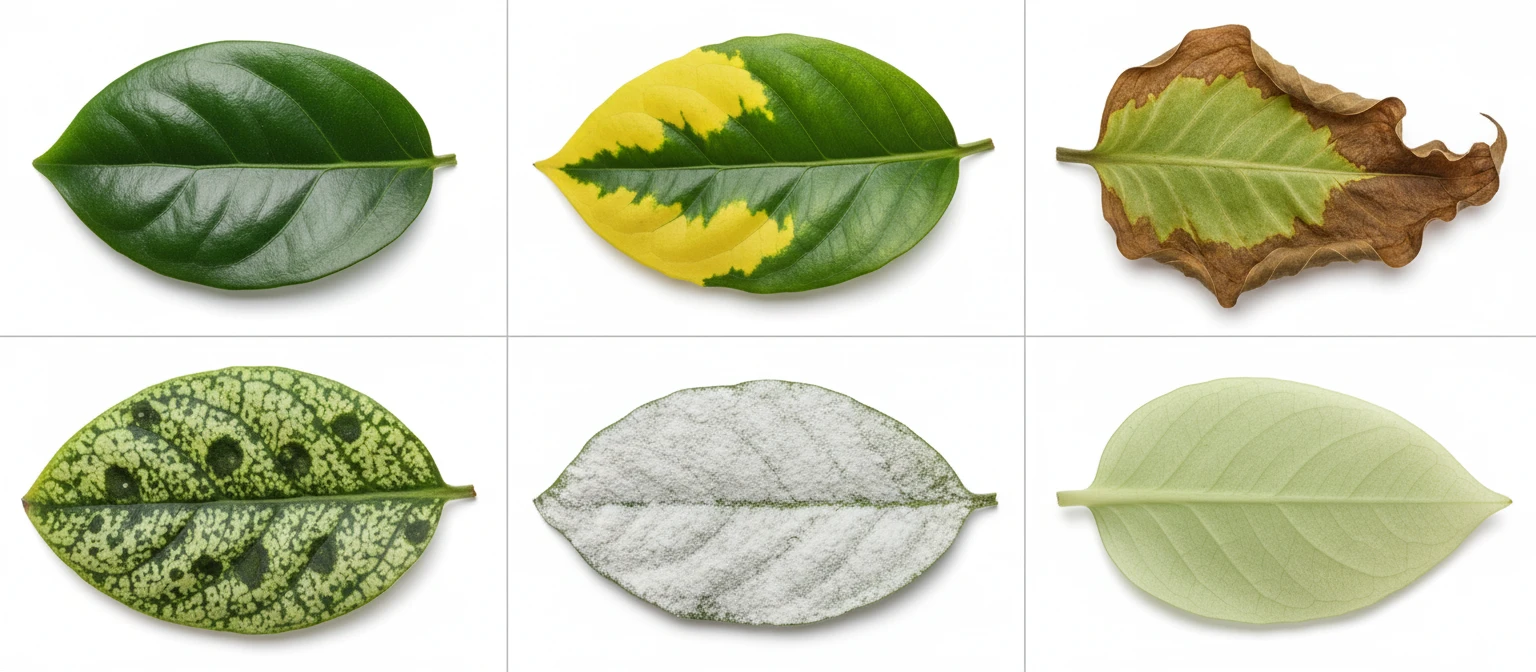
Note: plant health issues often appear together. Overwatered plants develop root rot, which reduces nutrient uptake, which then shows as nutrient deficiency symptoms even though the soil has adequate nutrients. The AI Plant Scanner reads the full picture and identifies the most likely primary cause rather than treating each symptom in isolation.
Why Use It
Species Identification
Identify any plant by common and scientific name, botanical family, native region, and plant type, with confidence rating and key trait badges (pet-safe, air-purifying, edible, drought-tolerant).
Visual Health Assessment
Every visible health indicator is assessed and colour-coded: leaf colour, texture, spotting, stem condition, root signs, growth pattern, and overall vigour. See at a glance what is healthy and what needs attention.
Issue Detection
Overwatering, underwatering, pests, fungal disease, nutrient deficiencies, sunscorch, and low humidity are all detected from visual evidence, with the likely cause and specific recommended action for each.
Tailored Care Guide and Actions
Get the full care guide for the identified species (light, watering, soil, humidity, temperature, fertilising, repotting) plus a prioritised list of specific action steps based on exactly what the scan finds.
Frequently Asked Questions
How does the AI Plant Scanner work?
You upload any photo of a plant and the AI analyses every visible health indicator: leaf colour and pattern, texture and surface condition, stem firmness and colour, growth pattern, and overall vigour. It identifies the species, assesses the health of each indicator (colour-coded as healthy, needs attention, or struggling), detects potential issues, and provides a tailored care guide with prioritised action steps. Results are based on visual analysis of the photograph.
What types of plants can it scan?
The scanner covers all major plant categories: houseplants (tropical, succulent, cacti, ferns, orchids), garden plants (flowering perennials, annuals, shrubs, climbers), vegetables and edibles (tomatoes, peppers, herbs, leafy greens), fruit trees and bushes, indoor herbs, and outdoor trees. It works for both common species and many rarer or exotic varieties.
Can it detect pests and diseases?
Yes. The scanner identifies visible signs of common pest infestations (spider mites, mealybugs, scale, aphids, fungus gnats) and fungal or bacterial diseases (powdery mildew, leaf spot, rust, root rot, Botrytis) where they are visible in the image. For pest and disease detection, close-up photos of the affected areas alongside the full plant photo give the most accurate results. The assessment is visual and qualitative, not a laboratory analysis.
What photo gives the best scan result?
A clear well-lit photo showing the full plant is the starting point. For health issues, add close-up photos of any affected leaves, stems, or areas of concern: discolouration, spots, wilting, unusual growth, or anything that looks different from how the plant normally looks. Natural daylight or bright indoor light gives more accurate colour readings than yellow artificial light, which can make yellowing leaves look more severe than they are.
Can it tell if my plant is overwatered or underwatered?
Yes. Overwatering and underwatering produce different visual patterns that the AI reads to distinguish between them: overwatering causes soft yellowing from older leaves upward, mushy stems, and soil that looks wet and compacted; underwatering causes dry crispy edges, drooping, pulling-away-from-pot-edges soil, and a lightweight pot. When the visual signals are present, the scanner identifies the most likely cause and gives you the specific corrective action.
Is this a replacement for professional plant care advice?
The scanner is a powerful visual diagnostic tool for everyday plant care decisions and is accurate for the vast majority of common plant health issues. For serious disease outbreaks, suspected toxic plant exposure, or commercial crop health management, the results should be used as a starting point and supplemented with advice from a qualified horticulturist, plant pathologist, or plant specialist.
Does it provide care guides even for healthy plants?
Yes. If the plant appears healthy, the recommended actions section provides optimisation steps rather than fixes: moving to ideal light conditions, adjusting a watering schedule to the most appropriate frequency, fertilising at the right time of year, and when to repot. Every scan includes the full species care guide regardless of health status.
Scan Any Plant Instantly
Sign up free and get 100 credits instantly. Upload any plant photo and get the full identification and health scan in seconds.
Disclaimer: This tool uses generative AI technology which may produce content that resembles copyrighted materials or that is inaccurate, incomplete, or out-of-date. It is provided for general information and educational purposes only and is not intended for illegal activities or to replace professional advice, diagnosis, or treatment. Users are solely responsible for how they use the generated content. If you plan to use AI-generated content commercially or publicly, we strongly recommend reviewing it for potential copyright issues and obtaining proper permissions where necessary. We accept no liability for copyright infringement or any other consequences resulting from the use of content generated by this tool.