Identify Any Flower and Get Its Full Botanical Profile
Upload any flower photo and get the species name, plant family, habitat, growing requirements, ecological role, pollinators, and conservation status.
Identify a Flower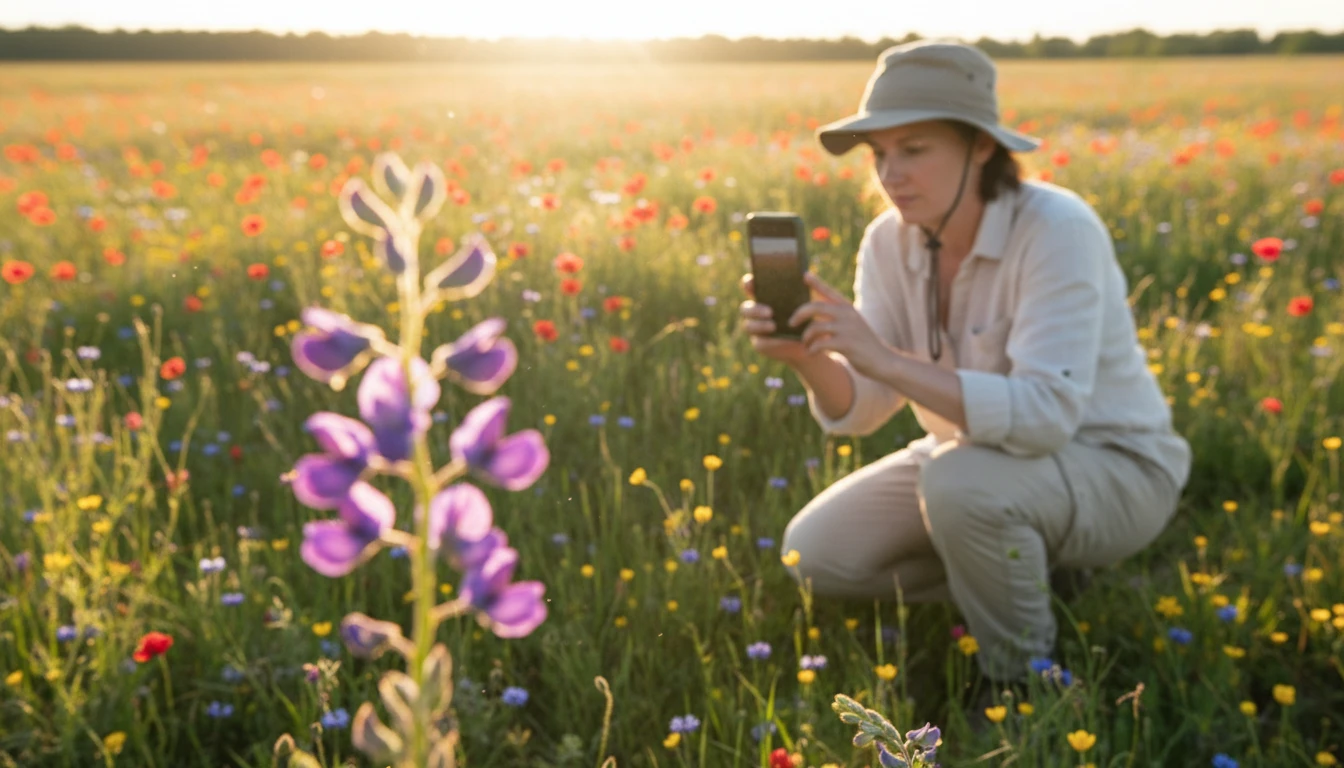
AI Flower Species Identifier
Upload any photo of a flower and instantly identify the species. Get a full botanical profile: common and scientific name, physical characteristics, habitat, growing requirements, ecological role, conservation status, and fascinating facts.
Upload a flower photo
Works best with clear photos showing the full bloom from the front. Include the stem, leaves, and flower centre for higher accuracy. Good natural lighting gives the best results.
or drag and drop an image here
Results
AI Flower Species Identifier
AI Flower Species Identifier
Upload a photo on the left and click analyse to see the results.
- Common name, scientific name, and plant family
- Physical characteristics: petals, colour, form, and size
- Native habitat, geographic distribution, and invasive status
- Growing requirements: sunlight, water, soil, and hardiness
- Pollinators, wildlife value, toxicity, and uses
- Conservation status and interesting botanical facts
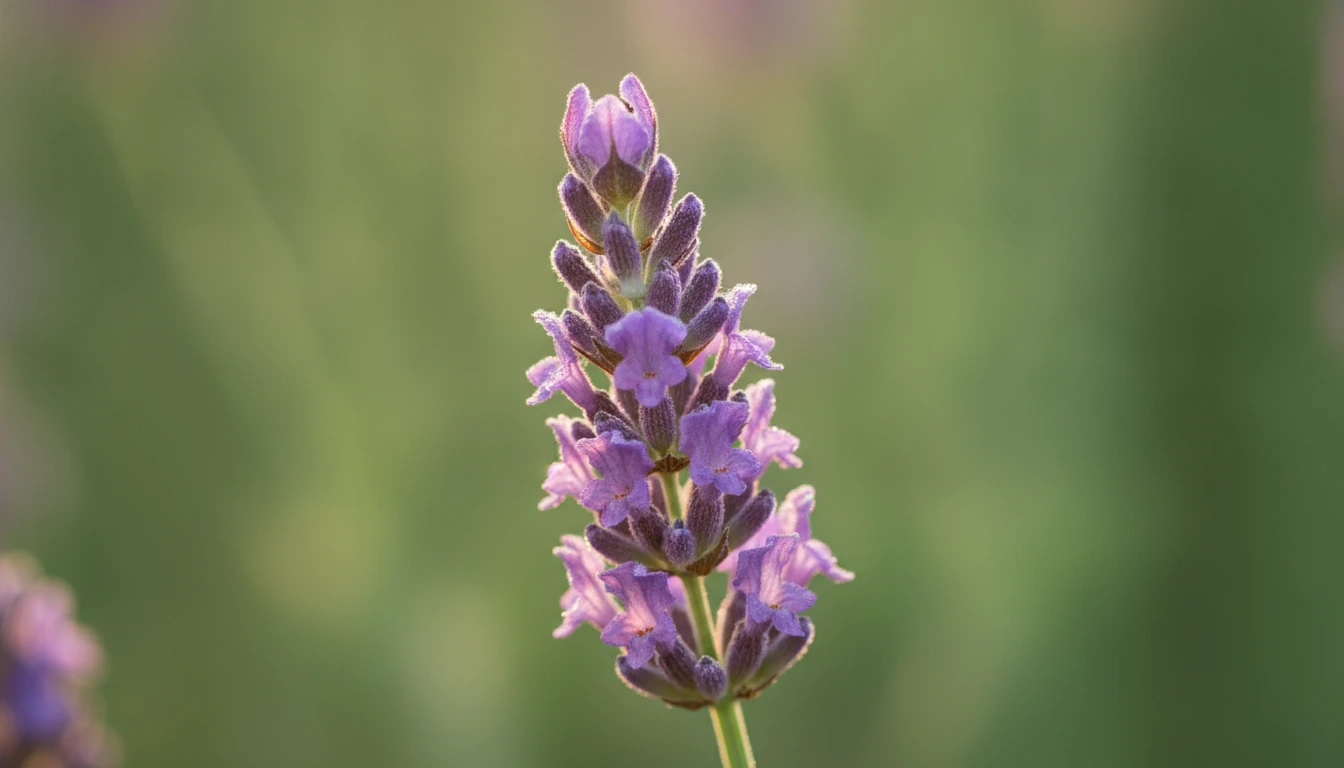
Precise Species Identification
Upload any flower photo and the AI identifies the species by common name and scientific name, places it in its botanical plant family, notes the native origin and range, and classifies the plant type as annual, perennial, bulb, shrub, or climber. A confidence rating is provided with a brief reason, and where the species cannot be identified with certainty the most probable genus or family is given with a clear explanation.
Identify a Flower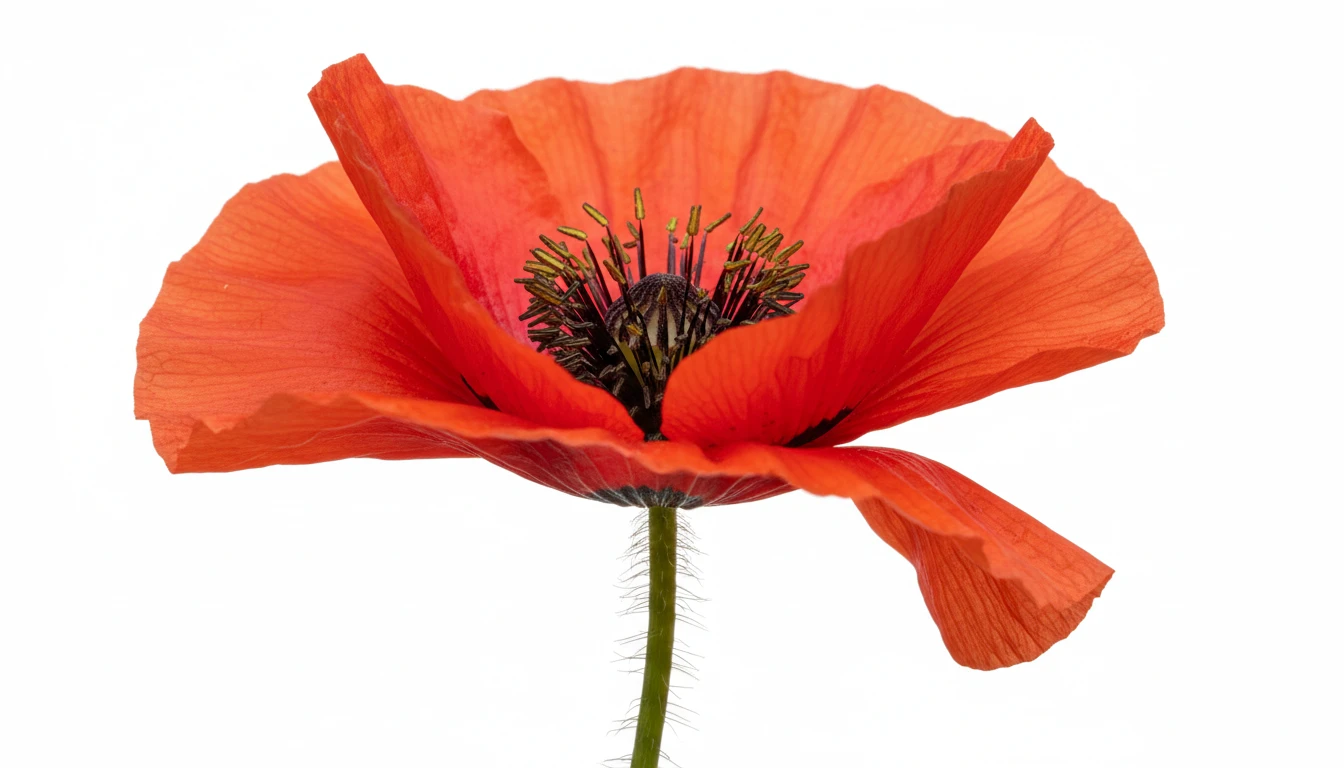
Full Physical and Botanical Characteristics
Every result includes a detailed physical breakdown of all visible features: petal count, colour and any markings, petal shape and margin, overall flower form (single, double, daisy-like, tubular, spike, umbel, etc.), the flower centre and its structures, stem and leaf appearance where visible, fragrance notes, and approximate flower head diameter and plant height range.
See Botanical Detail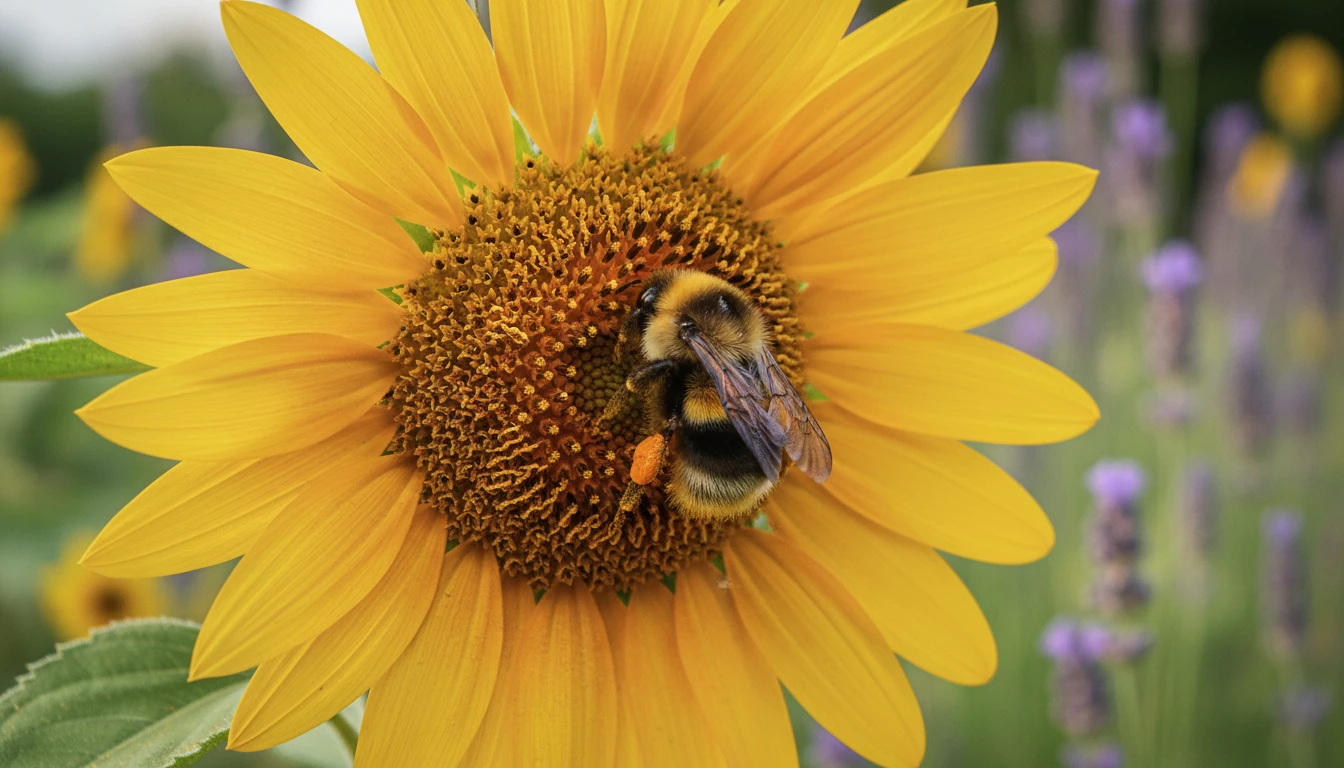
Habitat, Ecology, and Conservation
Each profile covers the natural habitat and geographic distribution, including invasive status where relevant. The ecological role section identifies which pollinators the flower attracts, what wildlife it supports, any toxicity to humans, pets, or livestock, and any known traditional, medicinal, or culinary uses. The conservation section reports IUCN status and any legal protection in specific regions.
See Ecology and ConservationHow to Identify a Flower Species with AI
Upload a Flower Photo
Upload any clear photo of a flower. A front-facing shot that shows the full bloom, including the petals, centre, and ideally the stem and leaves, gives the most accurate identification.
AI Identifies the Species
The AI analyses the petal count, colour, shape, flower form, centre structure, and any visible stem and leaf features to identify the species and plant family.
Get the Full Botanical Profile
Receive a complete profile covering species identification, physical characteristics, habitat and distribution, growing requirements, ecological role, conservation status, and fascinating facts.
Who Uses It
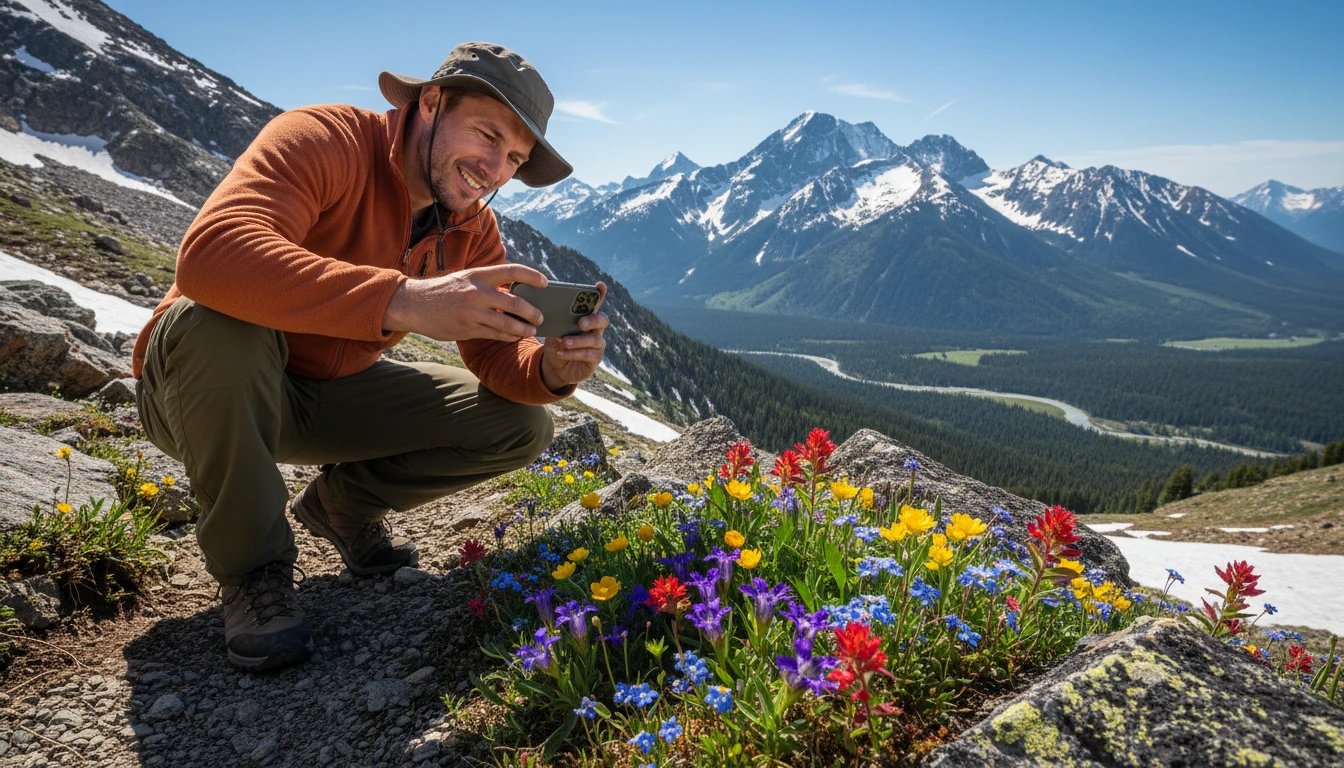
Nature Walkers and Hikers
Encountered a flower on a trail or in the countryside and want to know what it is? Upload a photo and get the species name, habitat information, and interesting facts instantly. The toxicity note in the ecological role section is particularly useful when foraging or when children or pets have come into contact with an unfamiliar plant.
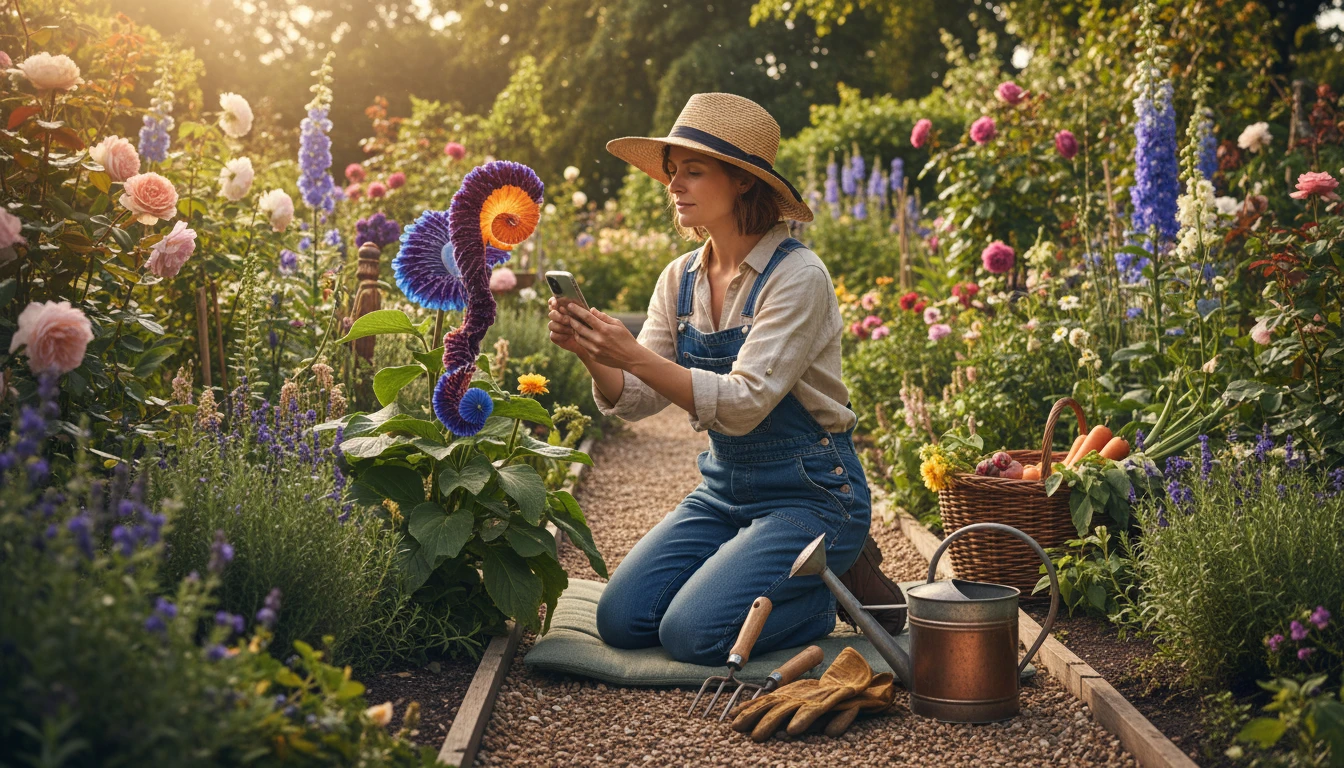
Gardeners and Horticulturalists
Inherited a garden with unknown plants, or spotted a flower in a neighbour's garden you want to grow? The growing requirements section provides sunlight, water, soil, hardiness zone, propagation methods, and maintenance level so you know exactly how to care for it or whether it will suit your garden.
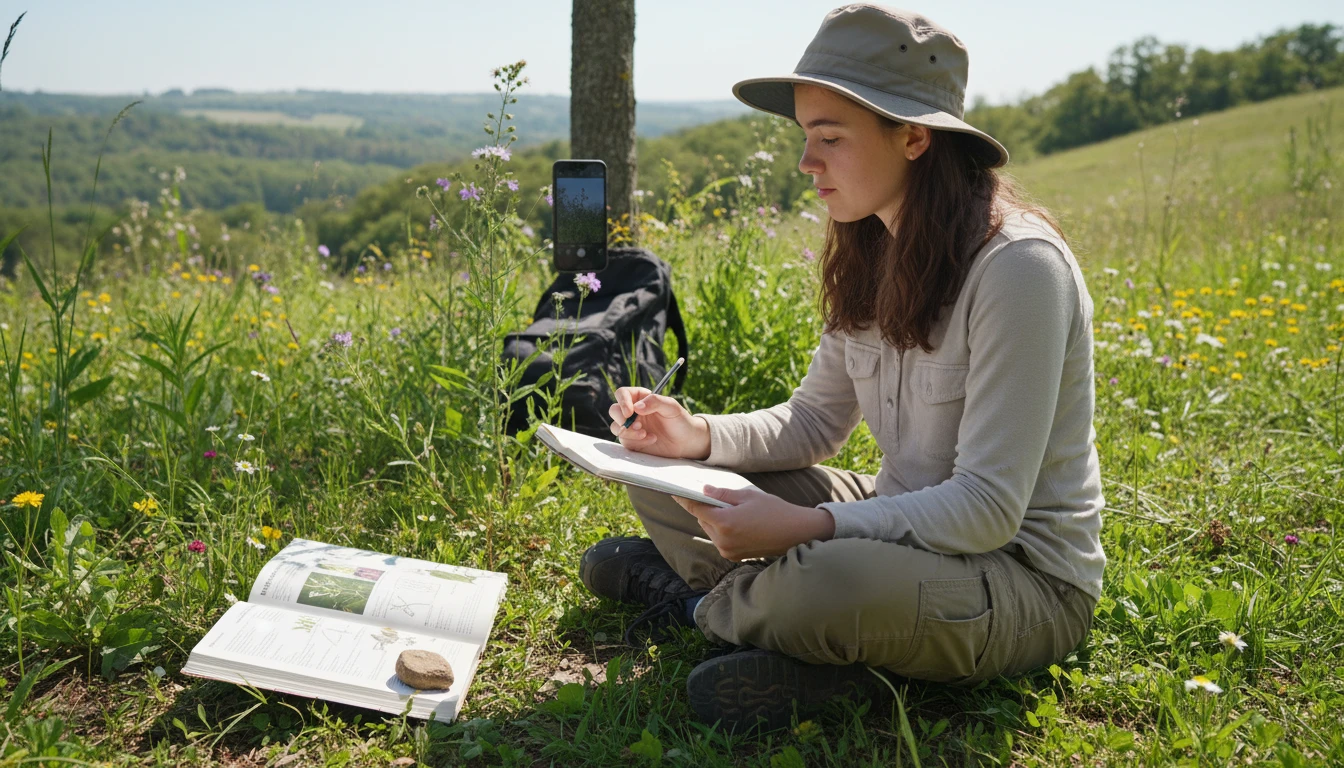
Botany Students and Educators
Learning plant taxonomy, teaching a field botany class, or completing a herbarium project? The identifier provides the scientific name, plant family, physical characteristic breakdown, habitat notes, and ecological role in a structured format that maps directly to the information needed for botanical study and field notes.
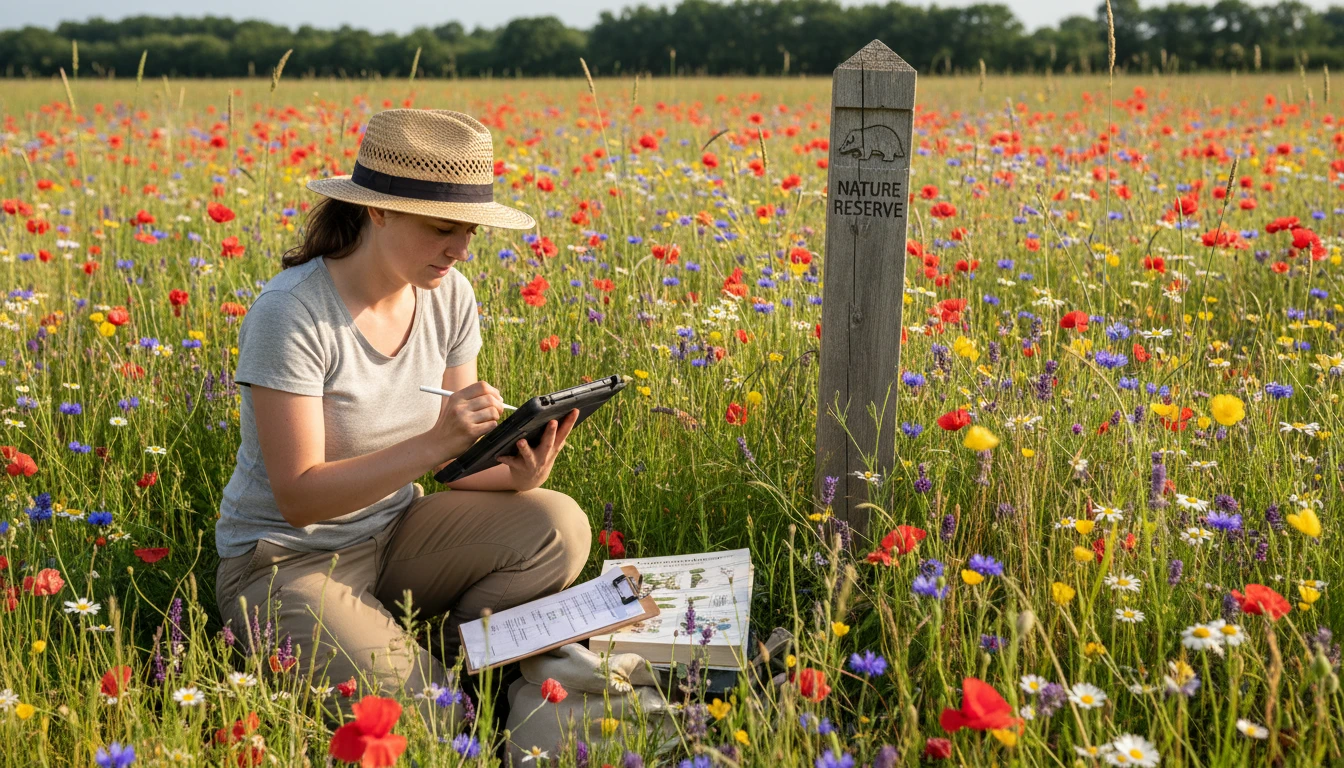
Conservation Volunteers and Citizen Scientists
Recording plant biodiversity for a conservation project, wildlife survey, or citizen science platform? The identifier gives you the species name, conservation status, IUCN rating, and any legal protection notes in one result, making field recording faster and more accurate when species need to be logged.
Deep Dive
Flower Species Categories
With over 400,000 species of flowering plants on Earth, flowers are classified by their habitat, growth form, and botanical characteristics. Understanding the main categories helps you know where to look, how to grow them, and what ecological role they play.
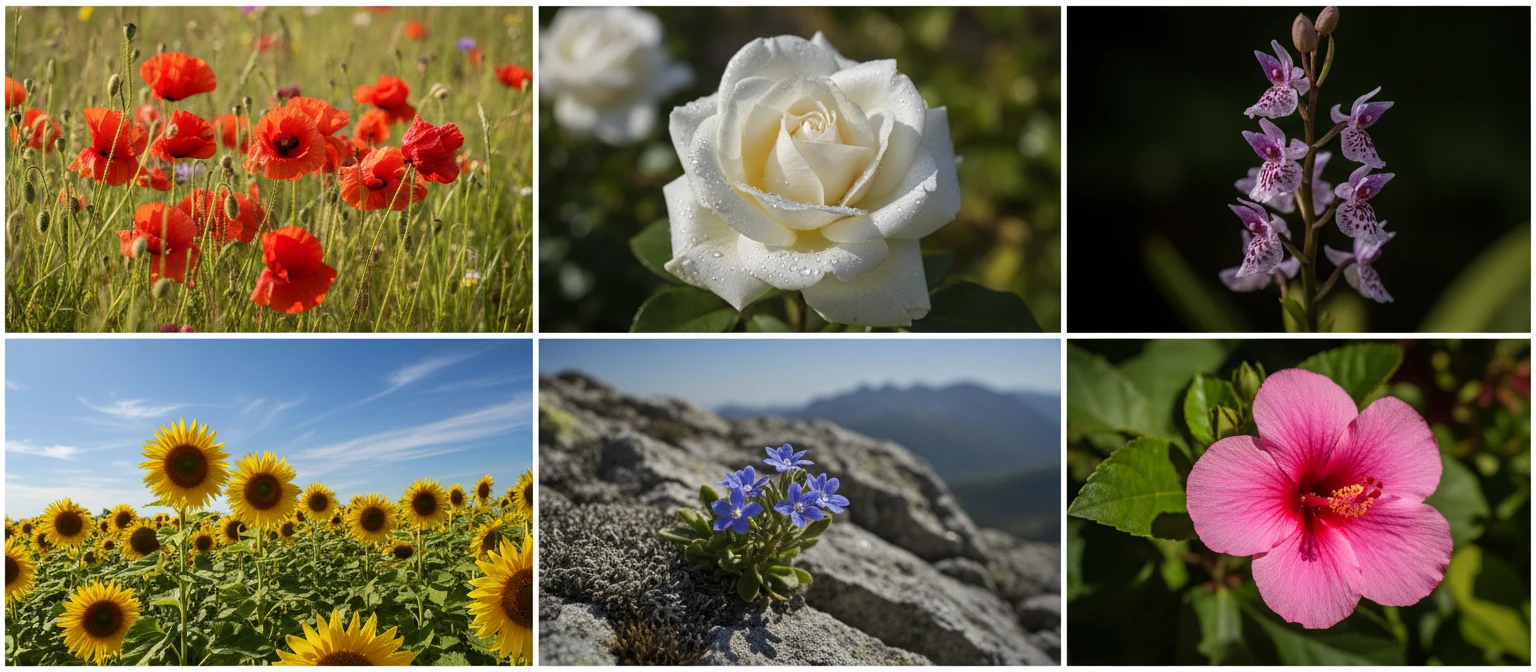
Note: AI flower species identification works best with clear, well-lit photos showing the full bloom from the front. Hybrid cultivars and unusual colour variations may reduce identification confidence. Always verify before ingesting any plant based on identification alone.
Why Use It
Instant Species Identification
Identify any flower by common name, scientific name, and plant family from a single photo, whether you are in a garden, on a hike, or at a flower market.
Growing Requirements Included
Every result includes sunlight, water, soil, hardiness zone, propagation methods, and maintenance level so you know exactly how to care for the identified species.
Ecological Role and Pollinators
Learn which pollinators each flower attracts, what wildlife it supports, toxicity notes for humans and pets, and any traditional or medicinal uses.
Conservation Status
Each profile includes the IUCN conservation status and any legal protection, making the tool useful for citizen science, conservation recording, and field surveys.
Frequently Asked Questions
How does the AI Flower Species Identifier work?
You upload a photo of a flower and the AI analyses the petal count, colour, shape, margin, overall flower form, centre structure, and any visible stem and leaf features. It identifies the species by common and scientific name, places it in its botanical family, and generates a full profile covering physical characteristics, habitat, growing requirements, ecological role, conservation status, and interesting facts.
How accurate is the species identification?
Accuracy is highest for clear, well-lit photos showing the full bloom from the front, including petals, centre, and ideally some stem and leaf. The result includes a confidence rating: High, Moderate, or Low. Hybrid cultivars, unusual colour variations, or very rare species may yield lower confidence results, and where the specific species cannot be confirmed the most probable genus or family is given.
Can it identify wild flowers as well as garden cultivars?
Yes. The tool identifies a wide range of species including wild and meadow flowers, garden cultivars, tropical flowers, alpine species, and aquatic plants. It recognises both species in their natural forms and common cultivated varieties.
Is the toxicity information reliable for safety decisions?
The toxicity section provides general information based on the identified species. Always verify toxicity information from authoritative botanical sources before making any decisions based on it. Never ingest any plant based solely on an AI identification result.
Can I use it for conservation recording?
Yes. The identifier provides the scientific name, IUCN conservation status, and any legal protection notes, which are useful for logging species in field surveys and citizen science projects. Always verify identifications before submitting to formal species recording schemes.
What photo gives the best result?
A clear, well-lit front-facing photo that shows the full bloom, including the petals, centre, and ideally some stem and leaf, gives the most accurate identification. Natural daylight is preferable to flash. Try to photograph the flower in focus without motion blur, and avoid heavily shadowed or backlit conditions.
Can it help me decide if a flower is safe to grow near pets?
Yes. The ecological role section includes a toxicity note indicating whether any part of the plant is known to be toxic to humans, dogs, cats, or livestock. Use this as a general reference and confirm with a veterinarian or poison control service if there is any concern.
Identify Any Flower Species Instantly
Sign up free and get 100 credits instantly. Upload any flower photo and get a complete botanical profile in seconds.
Disclaimer: This tool uses generative AI technology which may produce content that resembles copyrighted materials or that is inaccurate, incomplete, or out-of-date. It is provided for general information and educational purposes only and is not intended for illegal activities or to replace professional advice, diagnosis, or treatment. Users are solely responsible for how they use the generated content. If you plan to use AI-generated content commercially or publicly, we strongly recommend reviewing it for potential copyright issues and obtaining proper permissions where necessary. We accept no liability for copyright infringement or any other consequences resulting from the use of content generated by this tool.