Turn a Pet Food Label Photo Into a Clear Reading
Photograph the guaranteed analysis and ingredients panel on a bag, can, or treat pack. We transcribe printed facts — product name, pet type, protein, fat, fiber, moisture, calories when visible, and the first ingredients — plus general notes about what pet labels typically show. This is not a diet plan, a completeness check, or a recall search.
Read a Label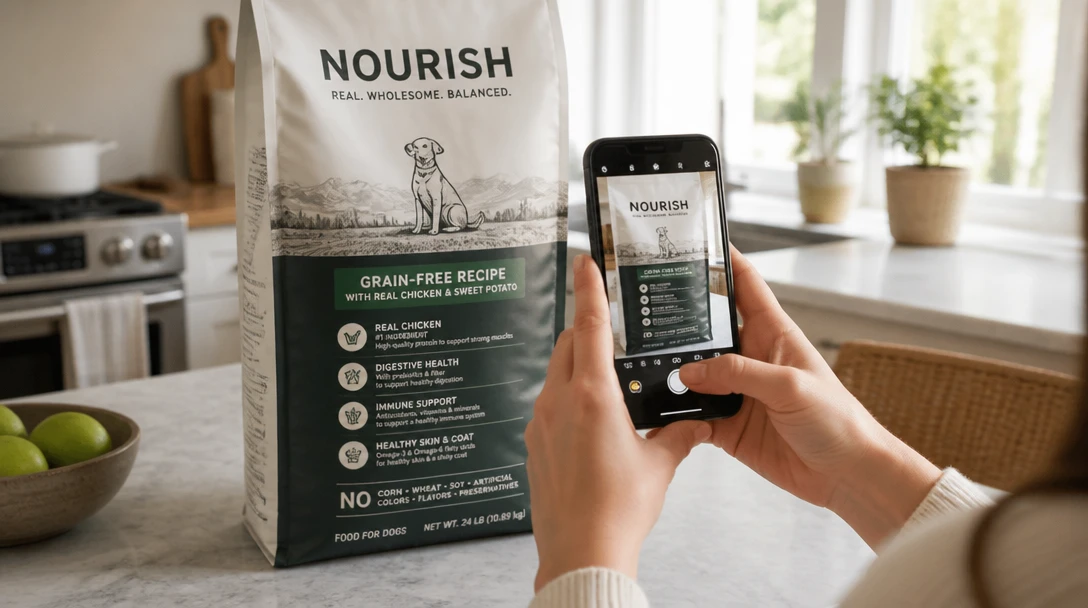
Upload a Clear Label Photo
Photograph the guaranteed analysis and ingredients. We'll open AI Pet Studio to transcribe printed protein, fat, fiber, moisture, calories, and the ingredient list. Not a diet recommendation or recall check.
Drag & drop the label photo here
A sharp photo of the guaranteed analysis and ingredients works best. JPG, PNG or WebP, up to 15MB
Your photo is used only to read printed label text. This is not feeding or veterinary advice.
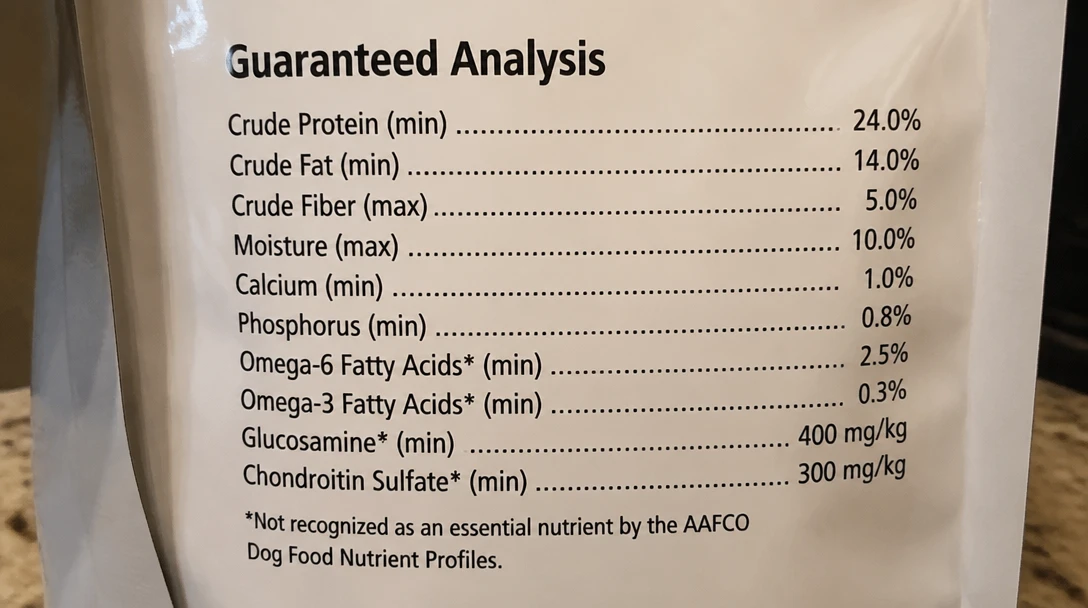
Printed Facts, Transcribed
Product name, intended pet type, and the guaranteed analysis numbers that are actually readable in the photo: crude protein, fat, fiber, moisture, and calories when the package prints them.
Read a Label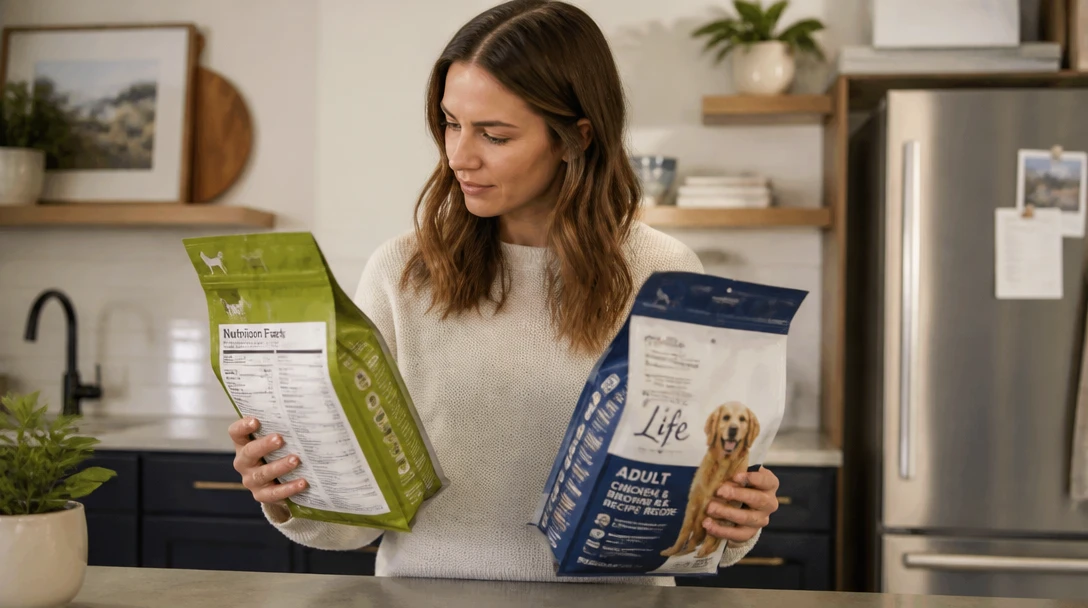
Ingredients You Can See
The first ingredients and any allergen or "contains" mentions that are printed. If a line is cut off or glare-covered, the report marks it not visible instead of inventing a recipe.
Read Ingredients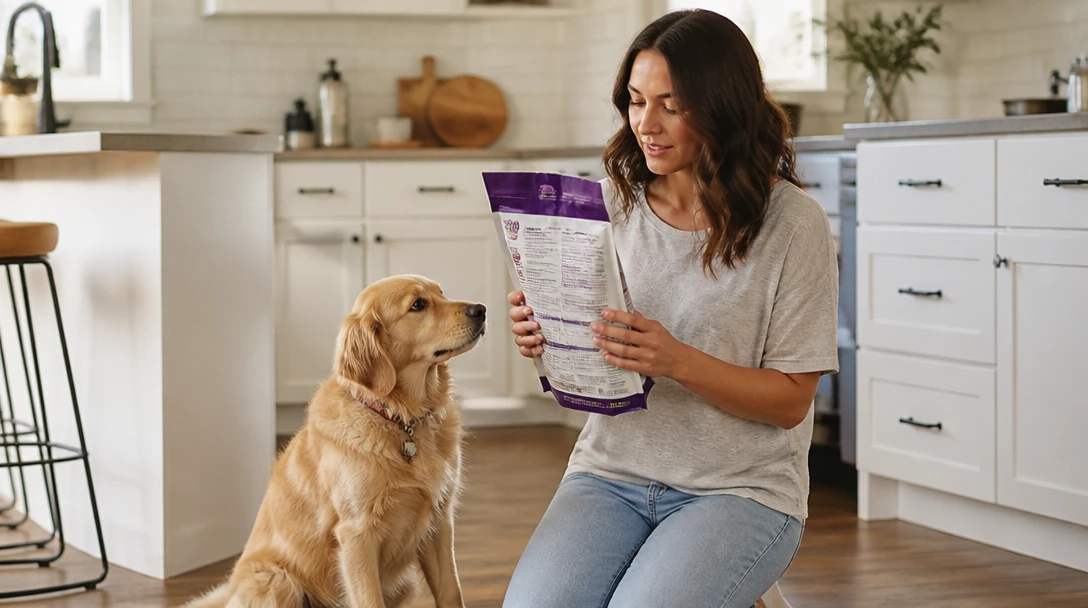
Not a Diet Recommendation
The report says what the photo shows and adds general educational context. A veterinarian still advises what a specific pet should eat, how much, and whether a food is appropriate for age, weight, or a medical condition.
Open Pet StudioHow It Works
Photograph the Analysis and Ingredients
Fill the frame with the guaranteed analysis and the ingredients list. Use daylight or bright indoor light. Tilt the bag to kill glare. If the panel wraps around the bag, take a second photo of the rest of the list.
Open Pet Studio
Upload the photo on this page. We open AI Pet Studio so you can run the educational label reading on the same image.
Read Printed Facts Only
Check the transcription against the bag. Fields that were blurry or cropped are marked not visible. Ask a veterinarian before any diet change.
Who Uses a Label Reading
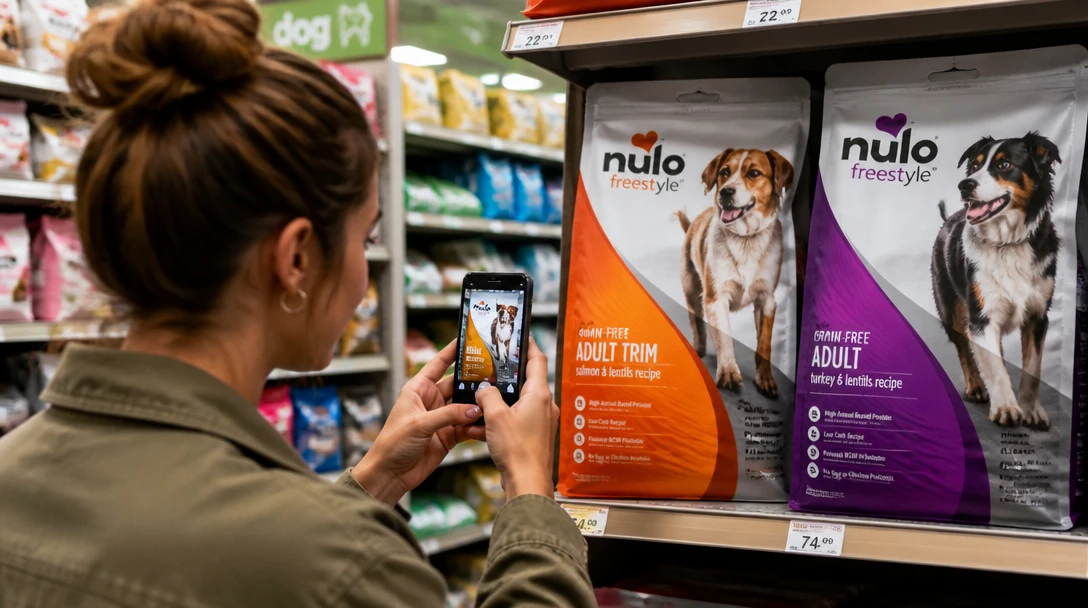
Comparing Two Bags in the Aisle
Photograph each guaranteed analysis and read protein, fat, and the first ingredients side by side later. Still not a verdict on which food is "better" for your pet.
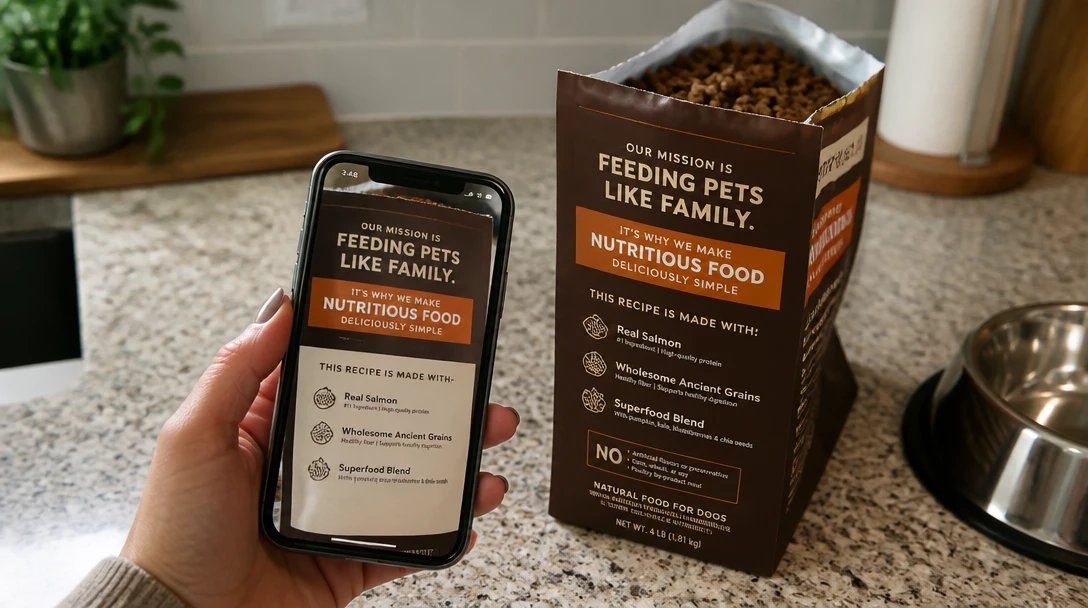
Saving a Label Before the Bag Is Gone
Snap the panel while the bag is full so you still have the printed analysis after the food is used up. Useful when a veterinarian asks what you have been feeding.
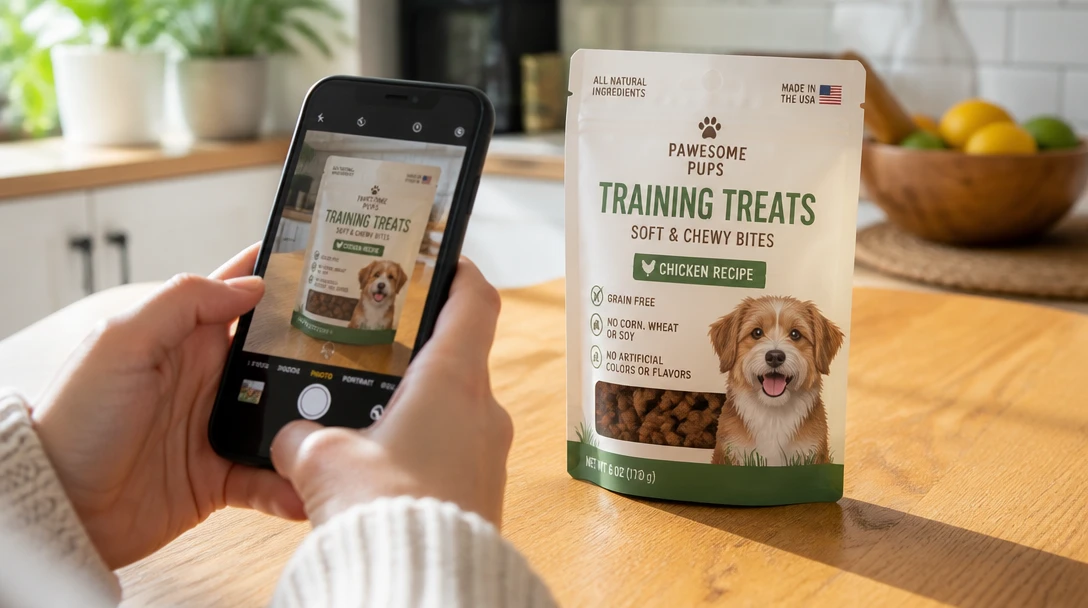
Treat Packs and Cans
Small treat bags and cans are easy to skip. A close photo of the tiny print can still yield a structured reading when the type is sharp enough.
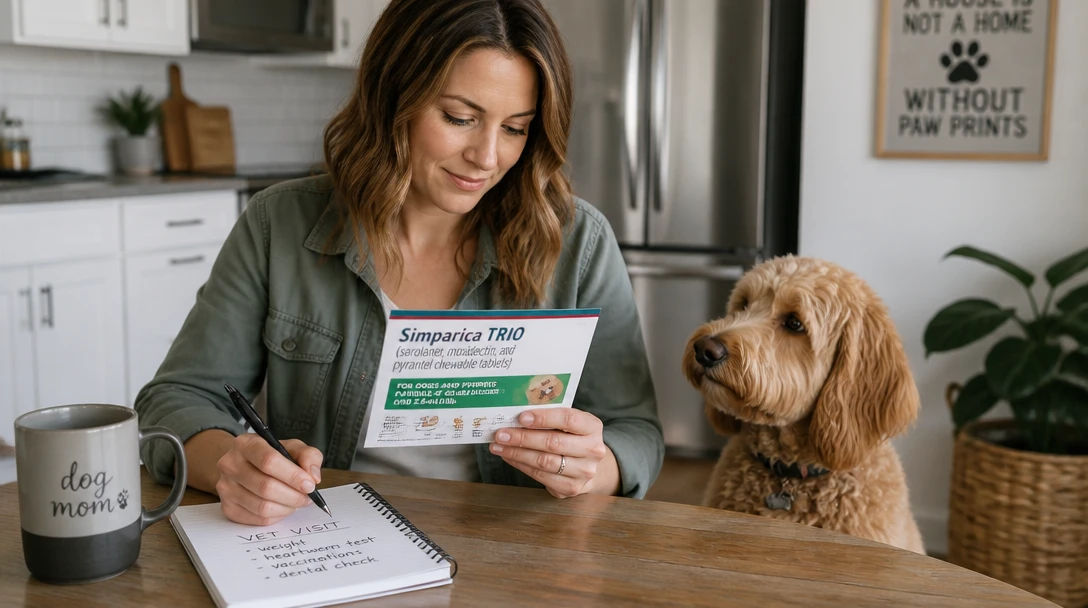
Preparing Questions for a Vet Visit
Bring the transcription plus the original photo. Your veterinarian can interpret amounts, life stage, and medical diet needs. This tool will not do that for you.
Deep Dive
What the Reading Covers
Each reading is a structured transcription of what is visible on the package, plus general notes about typical pet-food labels.
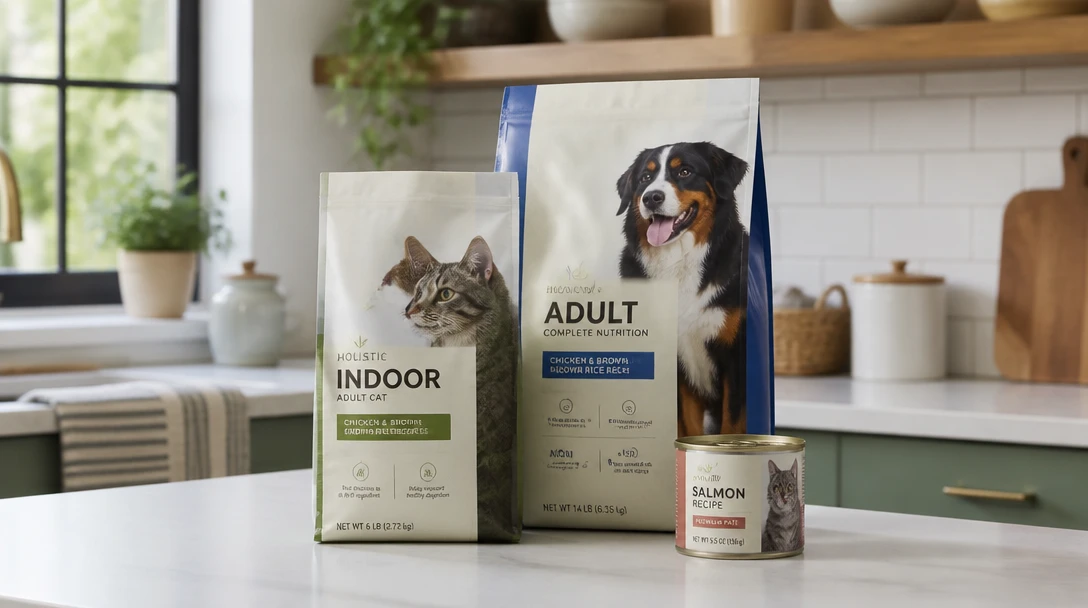
This tool is for general educational and informational purposes only. It transcribes what is visible on a label photo. It does not recommend a food, calculate portions, or confirm that a diet is complete, balanced, or safe for a specific pet. Always consult a licensed veterinarian before changing what your pet eats.
Why Use It
Tiny Print, Structured
Guaranteed analysis panels are easy to skip. A transcription is easier to reread and share than a glare-filled phone photo.
Facts, Not a Ranking
The report does not crown a "best food." It repeats what the bag printed so you can compare or ask a veterinarian.
Honest Gaps
Unreadable lines are marked not visible. That is better than a guessed protein number.
Diet Decisions Stay With a Vet
Every reading states that feeding changes, medical diets, and allergies need a licensed veterinarian.
Frequently Asked Questions
Is this feeding advice?
No. The tool transcribes what is printed and gives general educational context. It does not say a food is right for your pet, how much to feed, or whether it is complete and balanced for a life stage. Ask a veterinarian before changing a diet.
What should I photograph?
The guaranteed analysis panel and the ingredients list, as large and sharp as you can. Avoid glare, shadows across the type, and photos taken from so far away that the numbers blur. If the list wraps around the bag, include the rest of the panel.
What if the photo is blurry or cropped?
Fields that are not readable are marked not visible. A sharper, fuller label photo gives a more complete reading. Do not assume a blank field means the food has no protein or calories — it means the photo did not show that line.
Can it detect a bad or recalled food?
No. It cannot check recalls, contamination, manufacturing dates, or whether a food is safe. Use official manufacturer and government recall sources, and ask a veterinarian if your pet is unwell after eating.
Does a high protein number mean the food is better?
No. This tool will not rank foods. Protein, fat, and ingredient order are just what the bag printed. What is appropriate depends on the pet, life stage, and medical needs — that is a veterinary conversation.
Does this work for treats, toppers, and canned food?
Yes, if the analysis and ingredients are visible and in focus. Very small treat packs are harder. Human food, restaurant menus, and handwritten recipes are out of scope — use a human nutrition tool for those.
Read a Pet Food Label
Upload a bag, can, or treat photo. Educational transcription of printed facts only — not a diet recommendation.
Disclaimer: This tool uses generative AI technology which may produce content that resembles copyrighted materials or that is inaccurate, incomplete, or out-of-date. It is provided for general information and educational purposes only and is not intended for illegal activities or to replace professional advice, diagnosis, or treatment. Users are solely responsible for how they use the generated content. If you plan to use AI-generated content commercially or publicly, we strongly recommend reviewing it for potential copyright issues and obtaining proper permissions where necessary. We accept no liability for copyright infringement or any other consequences resulting from the use of content generated by this tool.