Identify Any Dog Breed from a Photo
Upload any dog photo and get a complete breed report covering physical traits, personality, grooming needs, health considerations, and fun facts.
Identify a Dog
Upload a Clear Dog Photo
We'll open AI Pet Studio next so you can identify the breed and get a care profile.
Drag & drop your dog photo here
A clear photo showing the face and body works best. JPG, PNG or WebP, up to 15MB
Your photo is used only to identify the breed for you.

Breed Identification with Confidence
The AI identifies the breed from your photo and provides a confidence assessment along with full breed identity details: origin country, breed group, AKC and UKC recognition status, and any common nicknames. Works with all recognized domestic dog breeds across herding, sporting, working, terrier, hound, toy, and non-sporting groups.
Identify a Dog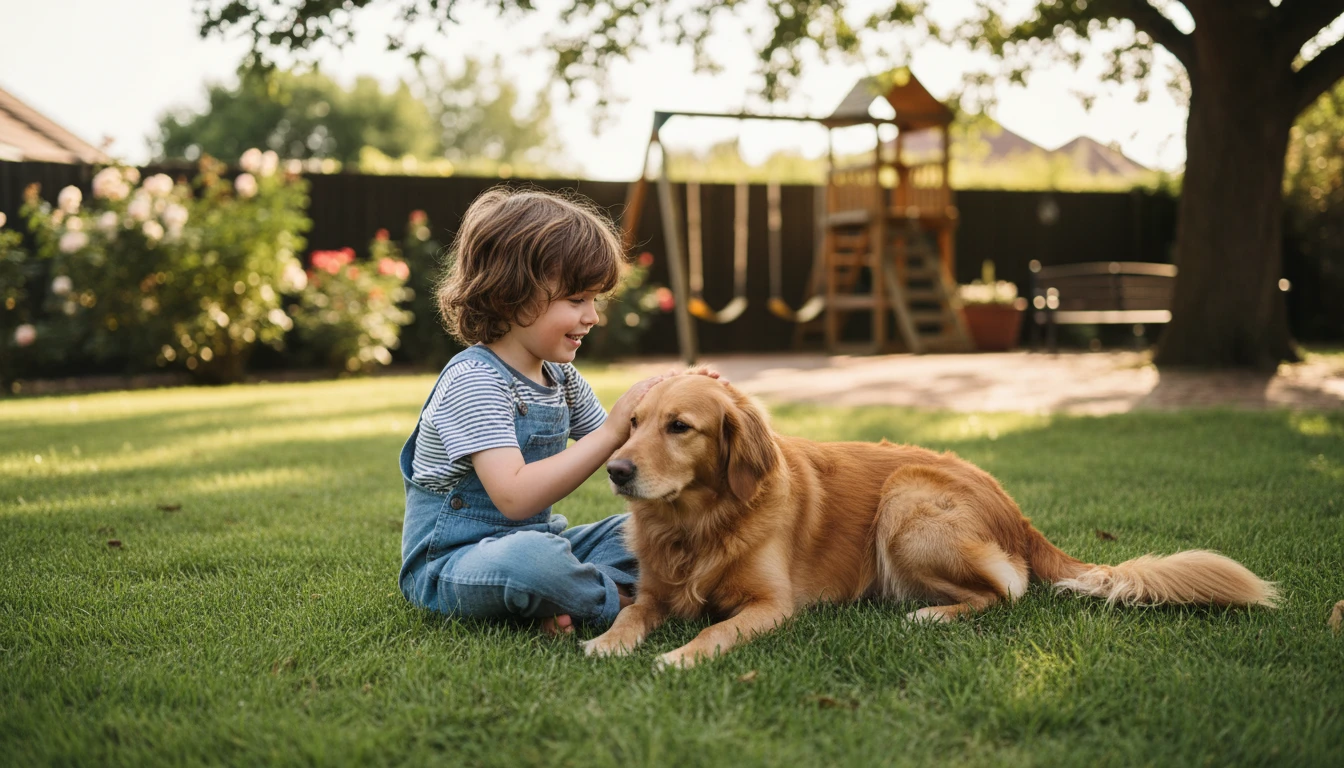
Temperament and Personality Profile
Every breed report includes a detailed personality profile covering energy level, affection level, compatibility with children and other pets, barking tendency, and trainability rating. Understand your dog's natural instincts and behavioral tendencies before adopting or to learn more about a dog you already have.
Learn About Your Dog
Care, Grooming, and Health Profile
Get breed-specific care recommendations covering grooming frequency, exercise needs, shedding level, and diet notes. The health section covers typical lifespan and breed-specific conditions to watch for, giving you the knowledge to keep your dog healthy long term.
Get Care GuidanceHow to Identify a Dog Breed with AI
Upload a Dog Photo
Upload any clear photo of a dog. Front-facing or side profile shots showing the face and body work best. Good lighting improves accuracy.
AI Identifies the Breed
The AI analyzes coat type, color patterns, facial structure, body shape, ear set, and distinctive physical features to identify the breed.
Get the Full Breed Report
Receive a complete report covering breed identity, physical characteristics, temperament, care needs, health profile, and fun facts.
Who Uses It

New Dog Owners
Just adopted a dog and not sure of the breed? Upload a photo and get a complete profile of what to expect in terms of personality, energy level, grooming needs, and health considerations so you can prepare properly from day one.
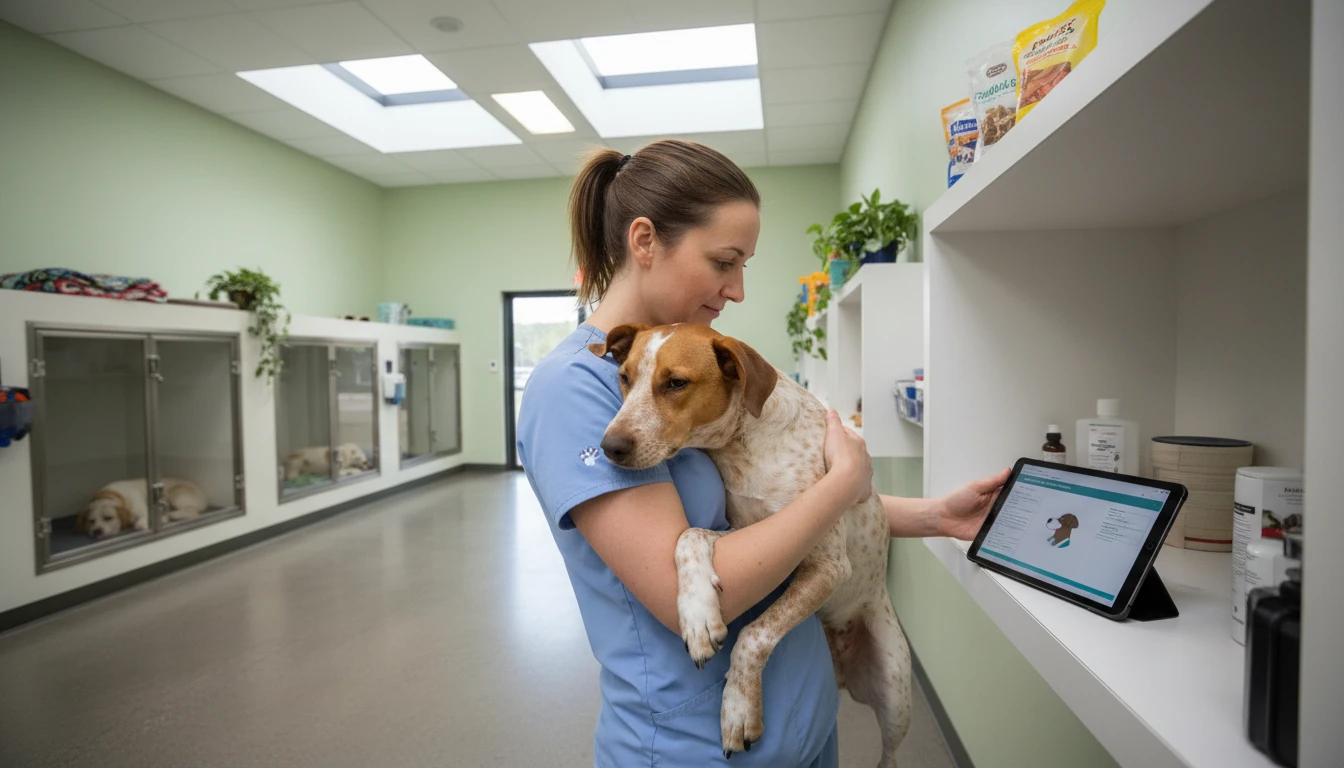
Rescue and Shelter Workers
Identify the breed of incoming dogs quickly to provide accurate information to potential adopters. Understanding breed tendencies helps match dogs to the right homes and improve adoption outcomes for both dogs and families.
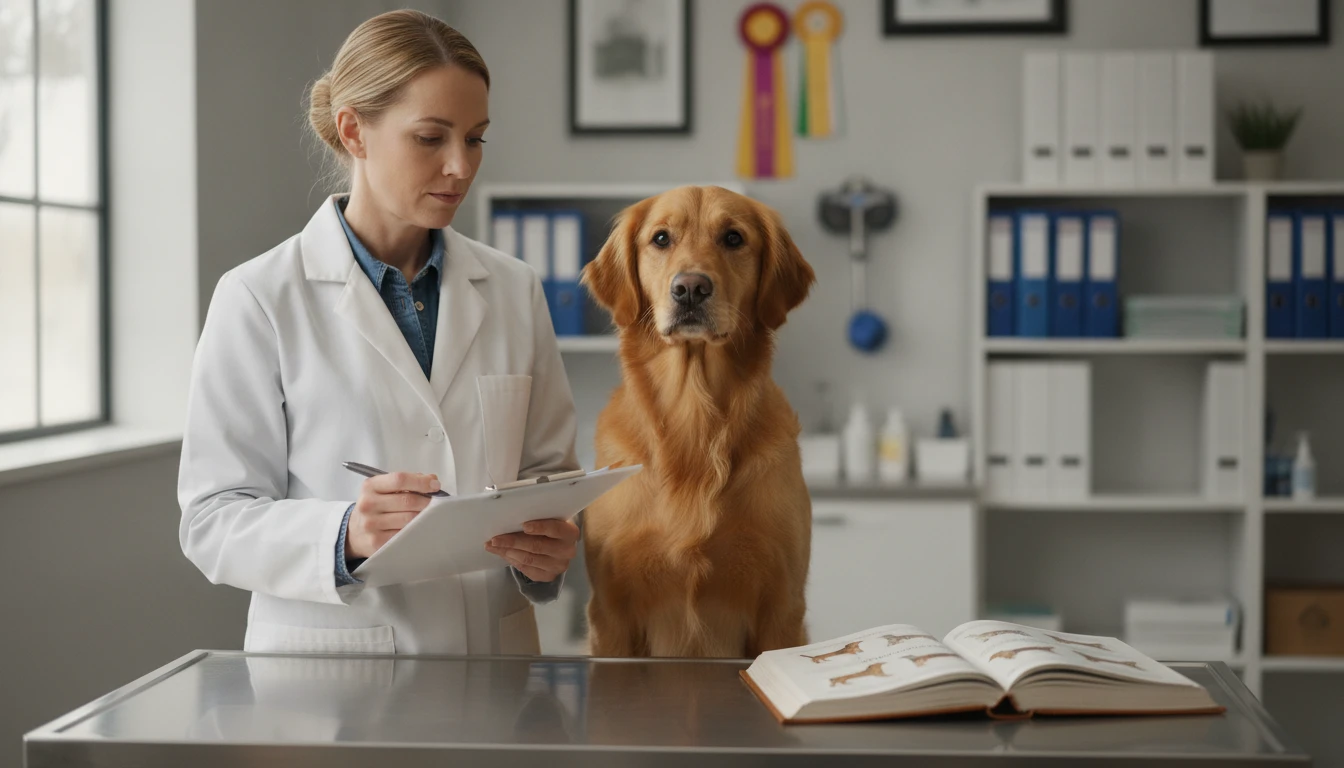
Dog Enthusiasts and Breeders
Verify breed characteristics, compare physical traits against breed standards, and learn about similar breeds to expand your knowledge. Useful for identifying mixed-breed dogs and tracing dominant breed traits from a photo.
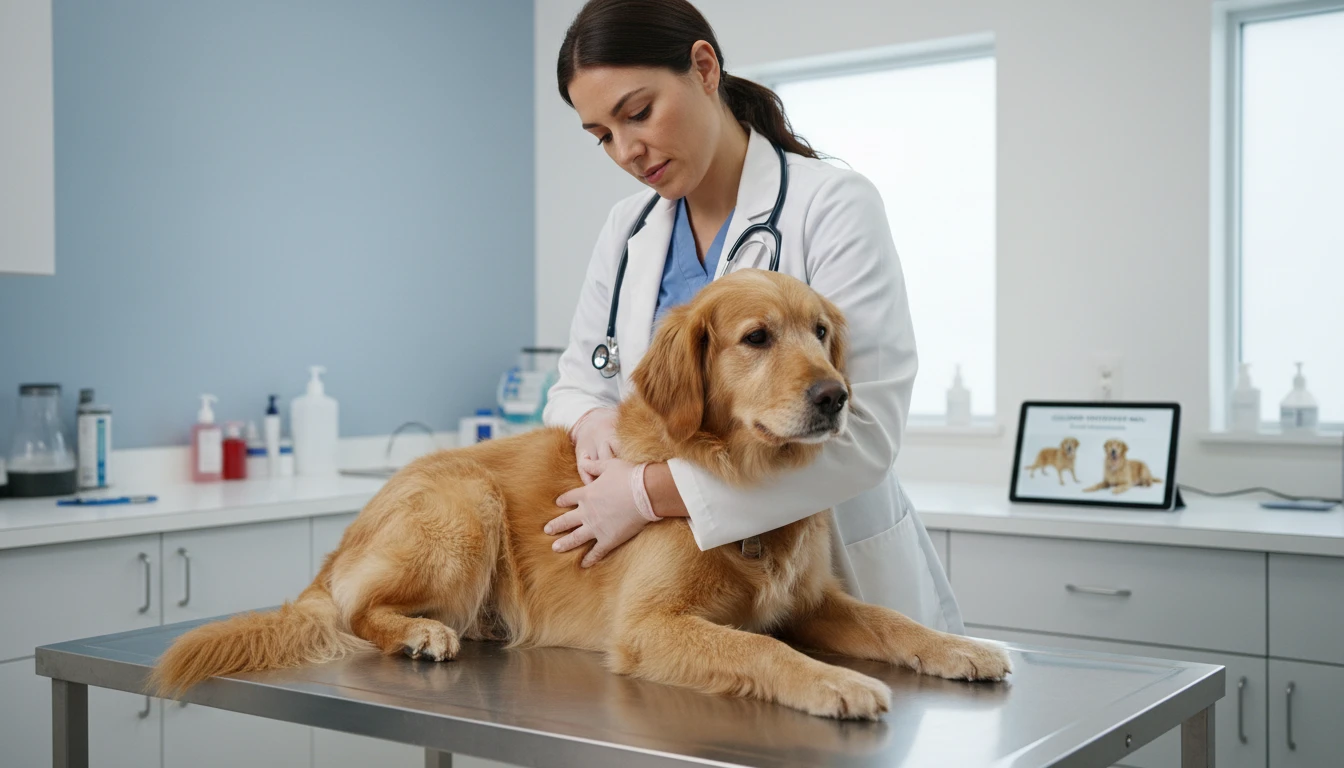
Veterinary Teams
Quickly look up breed-specific health predispositions for dogs that arrive without known history. Breed knowledge supports better triage, preventive care planning, and owner education during routine consultations.
Deep Dive
Understanding Dog Breed Groups
The AKC organizes recognized dog breeds into seven major groups based on the purpose they were originally bred for. Understanding which group a breed belongs to gives useful context for its natural instincts, energy level, and care requirements.
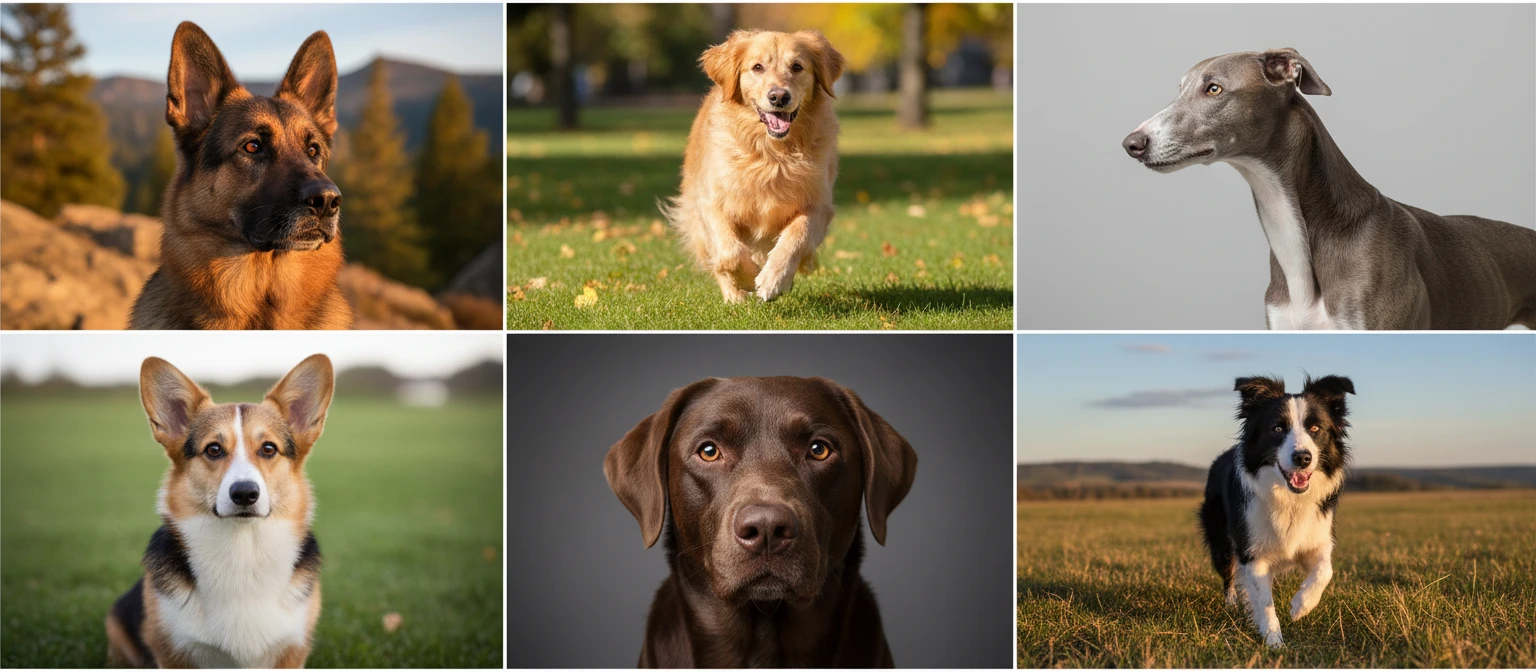
Note: AI breed identification is highly accurate for purebred dogs with clear photos. Mixed-breed dogs will show the most visually dominant breed characteristics.
Why Use It
Instant Breed Recognition
Identify any dog breed from a photo in seconds without needing expert knowledge or specialized reference books.
Personality and Temperament
Understand your dog's natural instincts, energy level, and compatibility with kids, other pets, and different living environments.
Breed-Specific Care Guidance
Get grooming frequency, exercise needs, shedding levels, and diet notes tailored specifically to the identified breed.
Health Awareness
Learn about breed-specific health conditions and typical lifespan so you can plan preventive care and know what to watch for.
Frequently Asked Questions
How does the AI Dog Breed Identifier work?
You upload a photo of a dog and the AI analyzes its coat type, color patterns, facial structure, body shape, ear set, and other distinctive physical features to identify the breed. It then generates a complete report covering breed identity, temperament, care requirements, health profile, and fun facts.
How accurate is the breed identification?
Accuracy is high for purebred dogs with clear, well-lit photos. Mixed-breed dogs will show the most visually dominant breed characteristics. The report includes a confidence assessment. For best results, use a clear front-facing or side profile photo with good lighting that shows the dog's full face and body.
Can it identify mixed-breed dogs?
Yes. For mixed-breed dogs, the AI identifies the most dominant breed characteristics visible in the photo and notes that the dog appears to be a mixed breed. It describes the traits associated with the most prominent breed present in the image.
What dog breeds can it identify?
The tool recognizes all major AKC-recognized and internationally recognized dog breeds across all groups: herding breeds (Border Collie, German Shepherd), sporting breeds (Labrador Retriever, Golden Retriever), working breeds (Siberian Husky, Rottweiler), terriers, hounds, toy breeds, and non-sporting breeds, as well as many regional and rare breeds.
How can I get the most accurate results?
Use a clear, well-lit photo showing the dog's full face and body. Front-facing and side profile shots work best. Avoid blurry images, heavy shadows, or extreme angles. Natural daylight or bright indoor lighting produces the most accurate analysis.
Can I use this to understand my rescue dog's needs?
Yes. Upload a photo of your rescue dog to identify the likely dominant breed or breed mix. The resulting temperament and care profile gives you practical guidance on energy level, grooming needs, and behavior to expect, helping you provide appropriate care from day one.
Is this useful for veterinary purposes?
The tool provides a useful reference for breed-specific health predispositions and care considerations, but it is not a diagnostic tool. Always consult a licensed veterinarian for medical advice, diagnosis, and treatment decisions.
Identify Your Dog's Breed Instantly
Sign up free and get 100 credits instantly. Upload any dog photo and get a complete breed report in seconds.
Disclaimer: This tool uses generative AI technology which may produce content that resembles copyrighted materials or that is inaccurate, incomplete, or out-of-date. It is provided for general information and educational purposes only and is not intended for illegal activities or to replace professional advice, diagnosis, or treatment. Users are solely responsible for how they use the generated content. If you plan to use AI-generated content commercially or publicly, we strongly recommend reviewing it for potential copyright issues and obtaining proper permissions where necessary. We accept no liability for copyright infringement or any other consequences resulting from the use of content generated by this tool.