Copy Any Text from Any Image Instantly
Upload any image with text and extract all of it, from screenshots and documents to signs, receipts, and handwritten notes, with layout structure preserved.
Extract Text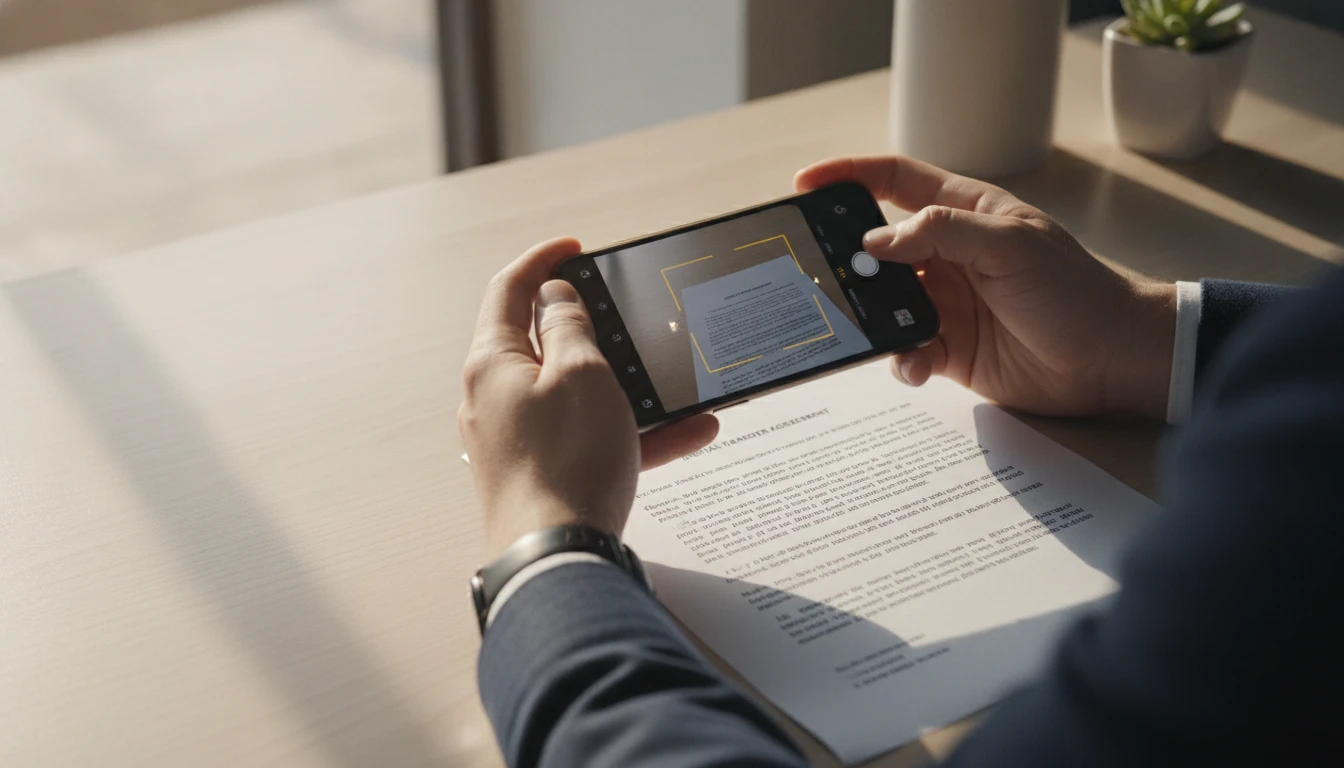
Image Text Extractor
Upload any image containing text and extract all readable content instantly. Works with photos, screenshots, scanned documents, signs, handwriting, and more.
Upload an image with text
Works with photos, screenshots, scanned documents, signs, labels, handwritten notes, and any image containing readable text.
or drag and drop an image here
Results
Image Text Extractor
Image Text Extractor
Upload a photo on the left and click analyse to see the results.
- Full text extracted and ready to copy
- Line breaks and structure preserved
- Text organized by section or region
- Language and confidence detected
- Works with printed, digital, and handwritten text
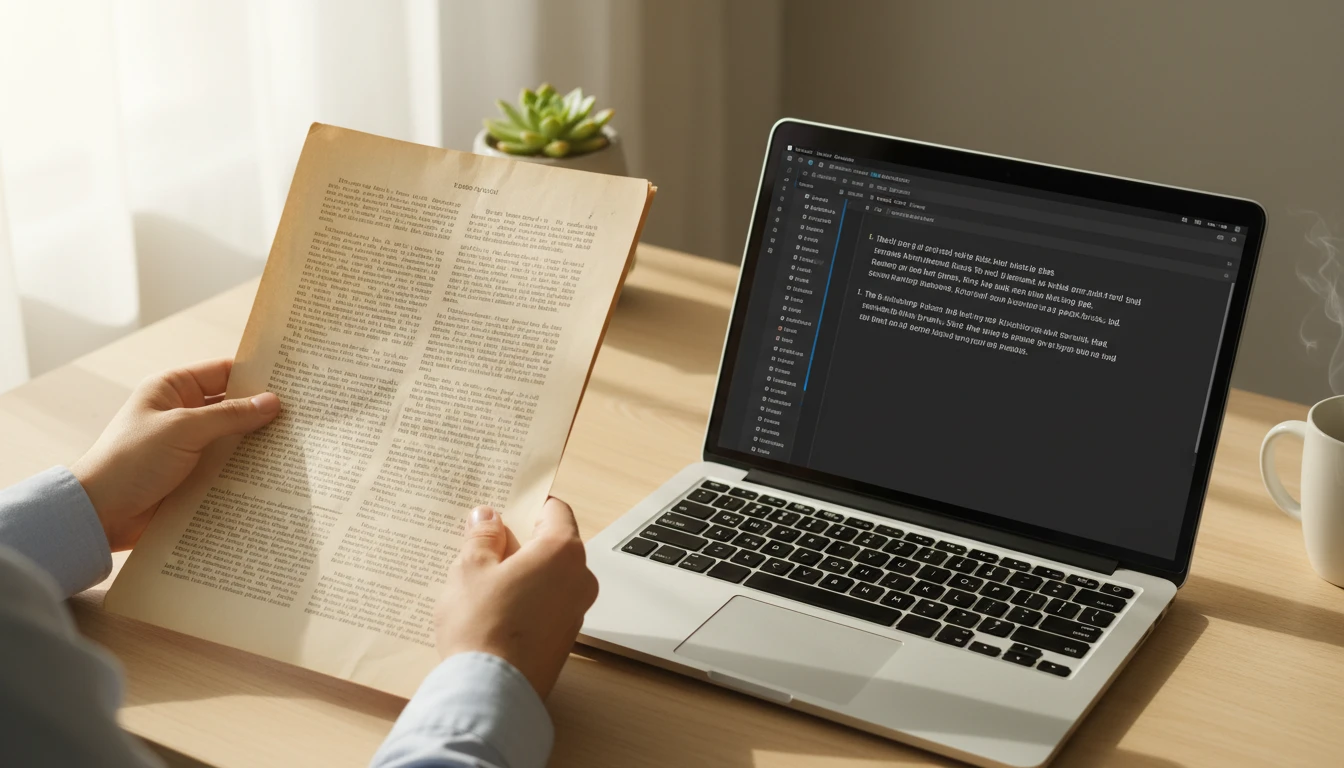
Every Word Extracted and Preserved
The AI reads every piece of text in your image and extracts it with line breaks, paragraph structure, and layout preserved as faithfully as possible. Whether the image is a single-column article, a multi-column newspaper page, a structured form, or a screenshot of a webpage, the extracted text mirrors the original layout so you can use it immediately without reformatting.
Extract Text Now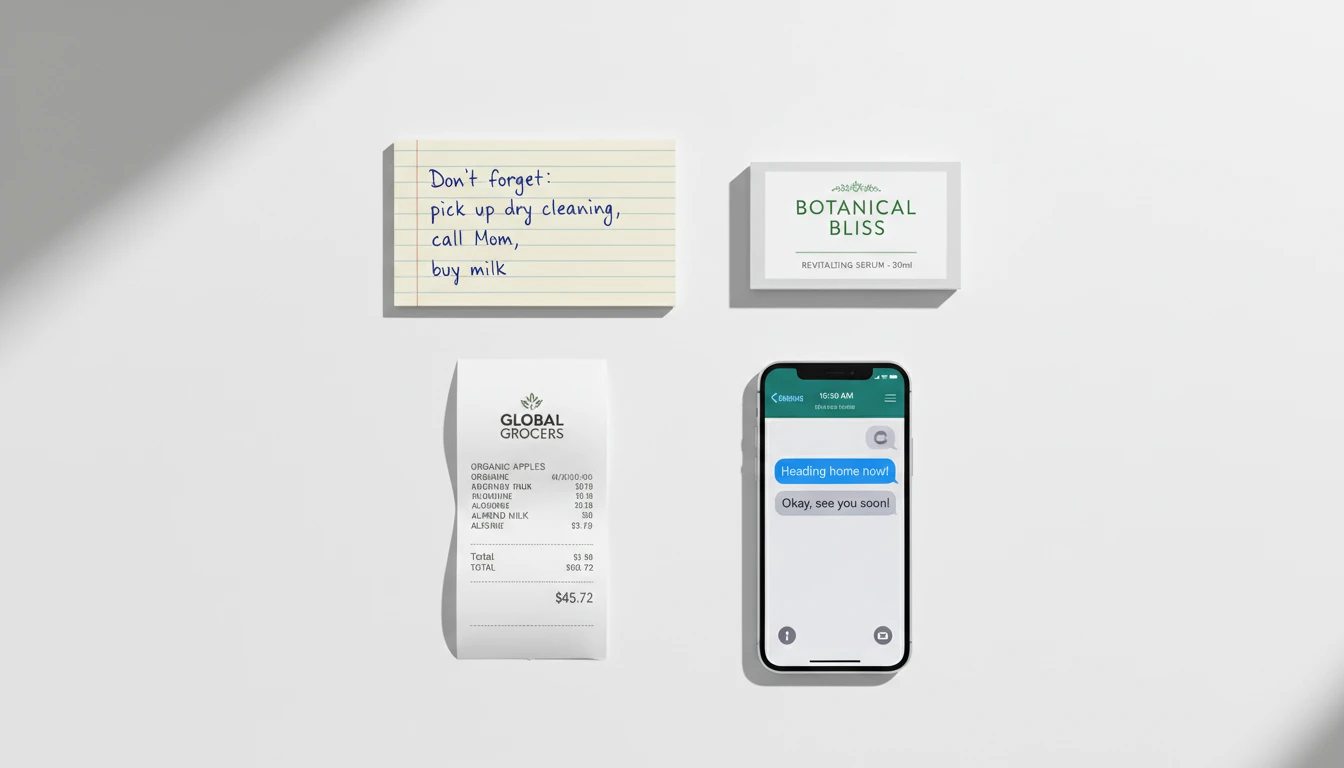
Works with Any Type of Text Image
The extractor handles the full range of text image types: printed documents and books, screenshots of any application or website, photos of signs, menus, labels, and packaging, scanned PDF pages, whiteboard and blackboard photos, handwritten notes and letters, and mixed-content images with both text and graphics. The AI identifies where text appears and extracts it regardless of font, size, or color.
Try Any Image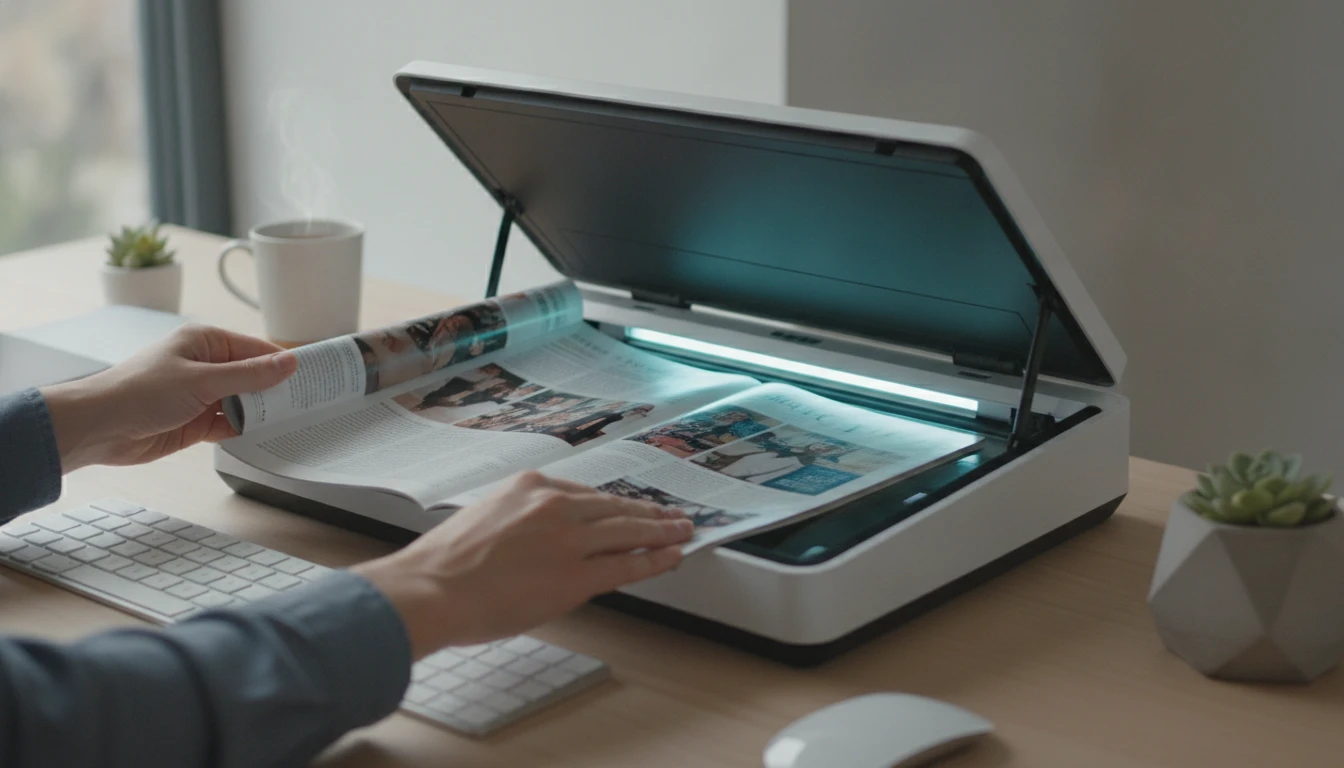
Multi-Section and Multi-Language Text
When an image contains multiple clearly separate text regions — a heading, a body, a caption, a sidebar, a footer — the report organizes extracted text by section so you can identify and use each region independently. The AI also detects the language of the text and can extract content from non-English images including European, Asian, and other scripts where supported.
Extract Multi-Section TextHow to Extract Text from an Image
Upload Any Image with Text
Upload a photo, screenshot, scan, or any image containing text. Works with JPG, PNG, and WebP. Clear, well-lit images give the most accurate results.
AI Reads and Extracts the Text
The AI scans the entire image, identifies all text regions, reads every word, and preserves the line breaks and structure of the original layout.
Copy and Use the Extracted Text
Get a clean, organized report with the full extracted text and a section-by-section breakdown. Copy any part of it into your document, editor, or application.
Who Uses It

Students and Researchers
Extract text from textbook photos, research paper screenshots, lecture slide images, and handwritten notes. Get the content into a digital format for editing, citing, and studying.

Content Creators and Writers
Extract quotes, captions, and copy from screenshots, photos of printed materials, and other visual sources without retyping every word. Speed up research and content production.
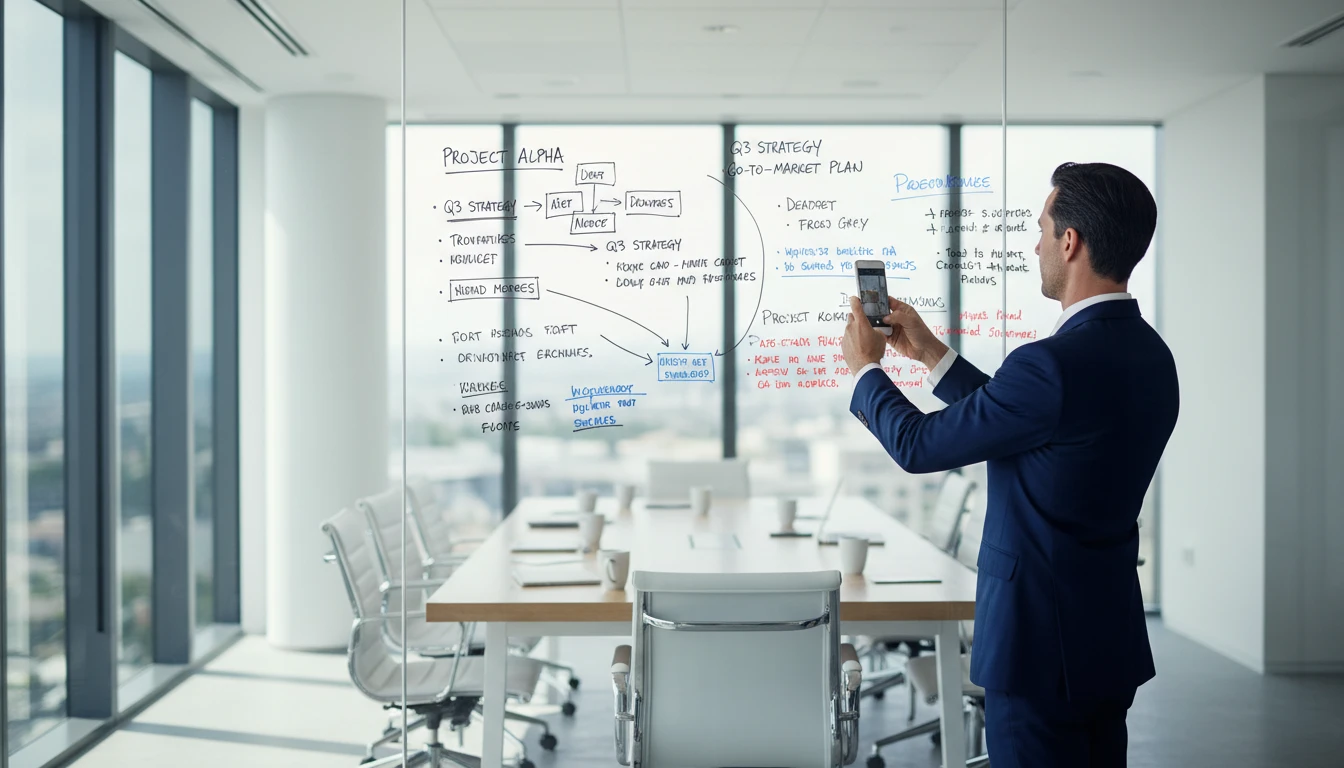
Business Professionals
Extract text from business card photos, meeting whiteboard snapshots, document screenshots, and printed reports. Convert any visual text source into editable, searchable content.
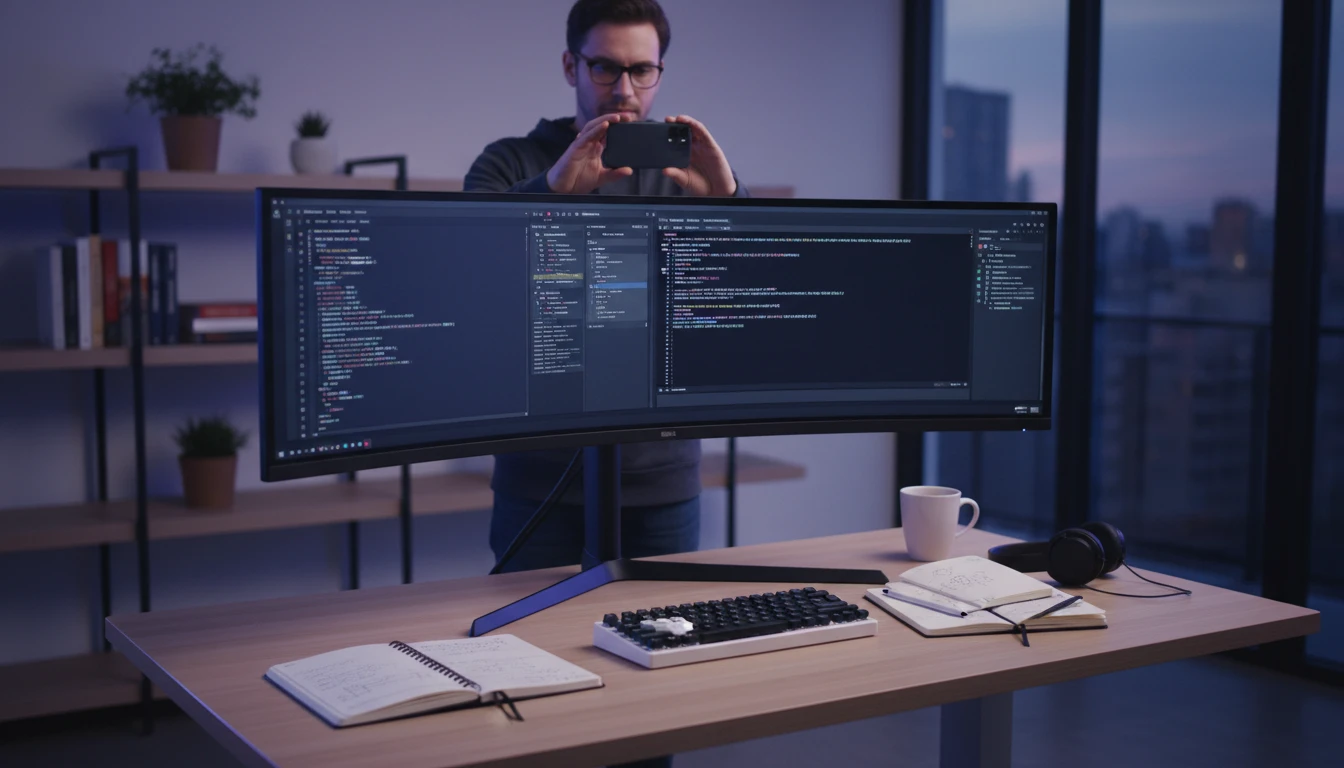
Developers and Data Teams
Extract text from error screenshots, log file images, UI mockups, and data visualizations. Get raw text content from any image source for analysis, debugging, or documentation.
Deep Dive
What You Can Extract Text From
Any image that contains readable text can be processed. The AI adapts to different text types, layouts, and quality levels — from crisp digital screenshots to faded handwritten notes.
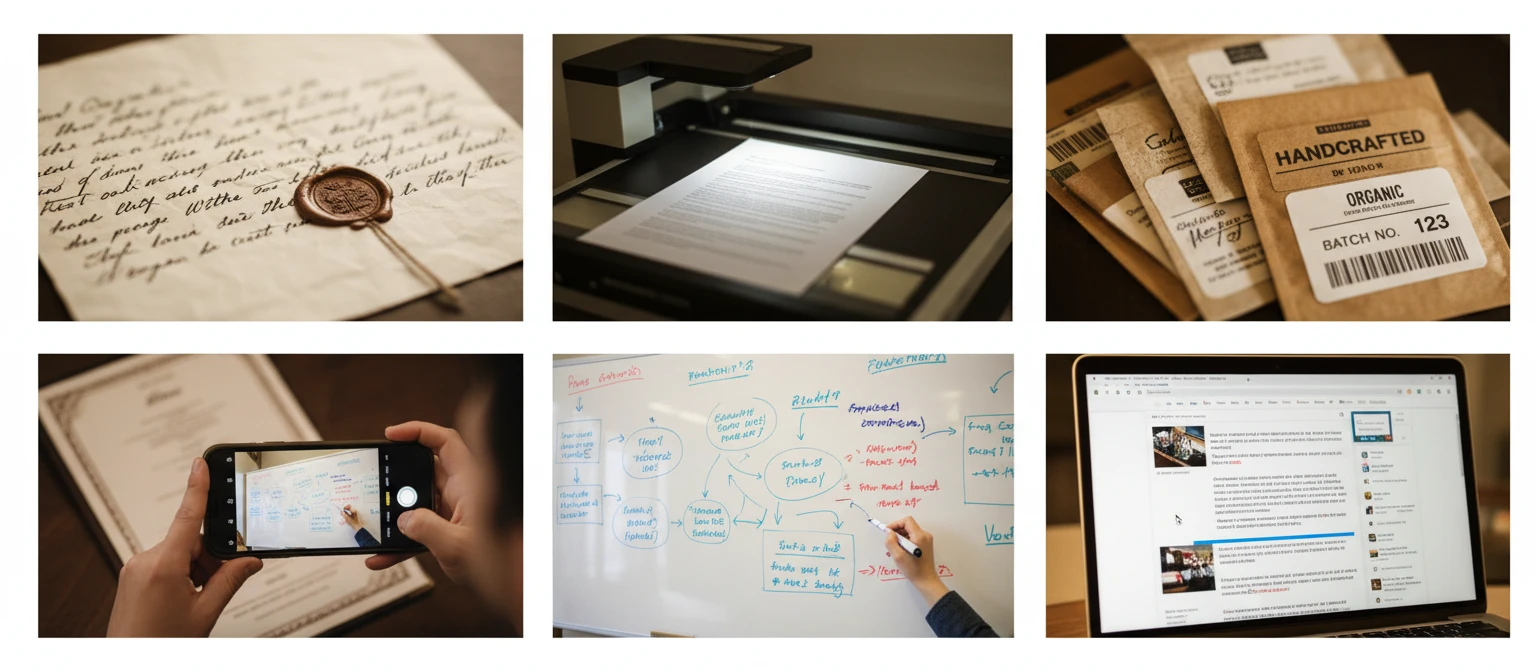
Note: Extraction accuracy depends on image quality, text clarity, and contrast. Unclear or illegible words are marked with [unclear] in the output.
Why Use It
Any Image, Any Text
Works with printed documents, screenshots, photos of signs, handwritten notes, whiteboards, labels, and any other image containing readable text.
Layout Preserved
Line breaks, paragraph structure, and multi-section layouts are preserved so extracted text reflects the original formatting.
Multi-Language
Detects and extracts text in English and many other languages. Language is identified automatically and included in the extraction report.
Instant Results
All text extracted in seconds. No plugins, no desktop software, no account setup beyond signing in.
Frequently Asked Questions
How does the AI Image Text Extractor work?
Upload any image containing text. The AI scans the image, identifies all regions containing text, reads every word, and extracts the full content with line breaks and structure preserved. The output shows the full extracted text, a section-by-section breakdown if multiple regions are present, and an extraction summary.
What types of images does it work with?
It works with printed documents, screenshots of websites and apps, photos of signs, menus, labels, and packaging, scanned PDF pages, whiteboard and blackboard photos, handwritten notes and letters, and any other image containing readable text. JPG, PNG, and WebP formats are supported.
How accurate is the text extraction?
Accuracy is very high (95%+) for clear, well-lit printed text and digital screenshots. Handwritten text, stylized fonts, and low-quality images produce lower accuracy. Words that cannot be read clearly are marked with [unclear] in the output. The Advanced model improves accuracy for challenging images.
What makes a good image for text extraction?
The image should be in focus, well-lit without shadows across the text, and include the full text area in frame. High contrast between the text and background improves accuracy. For documents, photograph flat on a surface overhead rather than at an angle. For signs and labels, zoom in close enough that text fills most of the frame.
Does it preserve line breaks and formatting?
Yes. The extracted text is presented in a <pre> block that preserves line breaks, paragraph structure, and spacing as they appear in the original image. For images with multiple separate text regions, each region is extracted and labeled independently.
Can it extract text in languages other than English?
Yes. The AI can extract text in many languages including European languages, and can detect the language automatically. It reports the detected language in the extraction summary.
Can it extract text from handwritten images?
Yes, but accuracy depends on the clarity and consistency of the handwriting. Neat, printed-style handwriting in high contrast on a clean background gives good results. Very stylized or small handwriting will produce more [unclear] markers. The Advanced model handles difficult handwriting better.
Extract Text from Any Image Instantly
Sign up free and get 100 credits instantly. Upload any image and copy the extracted text in seconds.
Disclaimer: This tool uses generative AI technology which may produce content that resembles copyrighted materials or that is inaccurate, incomplete, or out-of-date. It is provided for general information and educational purposes only and is not intended for illegal activities or to replace professional advice, diagnosis, or treatment. Users are solely responsible for how they use the generated content. If you plan to use AI-generated content commercially or publicly, we strongly recommend reviewing it for potential copyright issues and obtaining proper permissions where necessary. We accept no liability for copyright infringement or any other consequences resulting from the use of content generated by this tool.