Find Your Hair Type and a Care Guide That Fits It
See your likely 1A–4C pattern, density, and porosity signals from one photo, plus wash, heat, and cut notes written for that type — not a medical diagnosis.
Get My Hair Type
Upload a Clear Hair Photo
We'll open AI Hair Studio next so you can get your 1A–4C type, density, and a wash, heat, and cut guide.
Drag & drop your photo here
or click to browse — JPG, PNG or WebP, up to 15MB
Your photo is used only to create this hair type report for you. This is not a medical diagnosis.
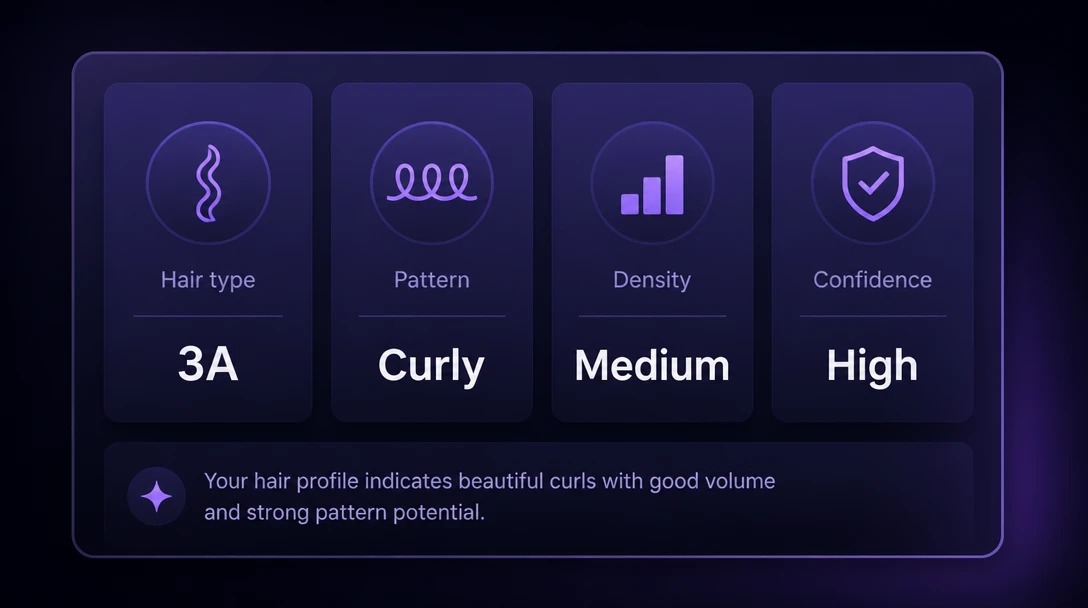
1A–4C Type, Not Just “Wavy”
The report starts with a letter on the André Walker chart — 1A pin-straight through 4C tight coils — or Mixed when two patterns are clearly visible. You also get density and a confidence rating so you know how much of the natural pattern the photo actually shows.
Get My Hair Type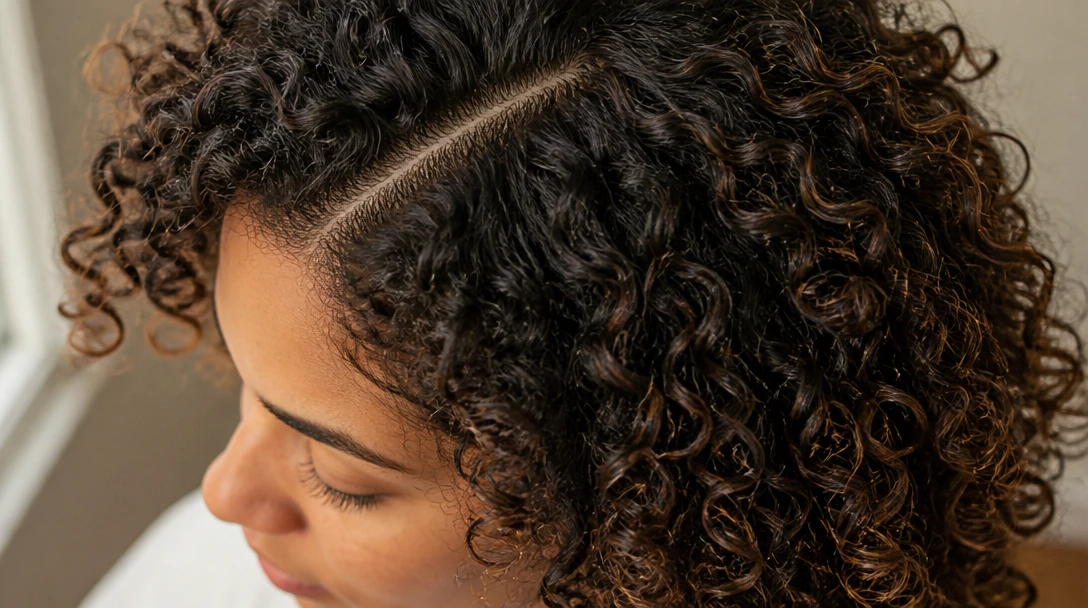
Porosity Signals and What the Photo Hides
Shine, frizz, and how dry the lengths look are described as signals, not a lab test. If hair is wet, tightly pulled, or heat-straightened, the report lowers confidence and says the natural pattern may be hidden.
See What the Photo Shows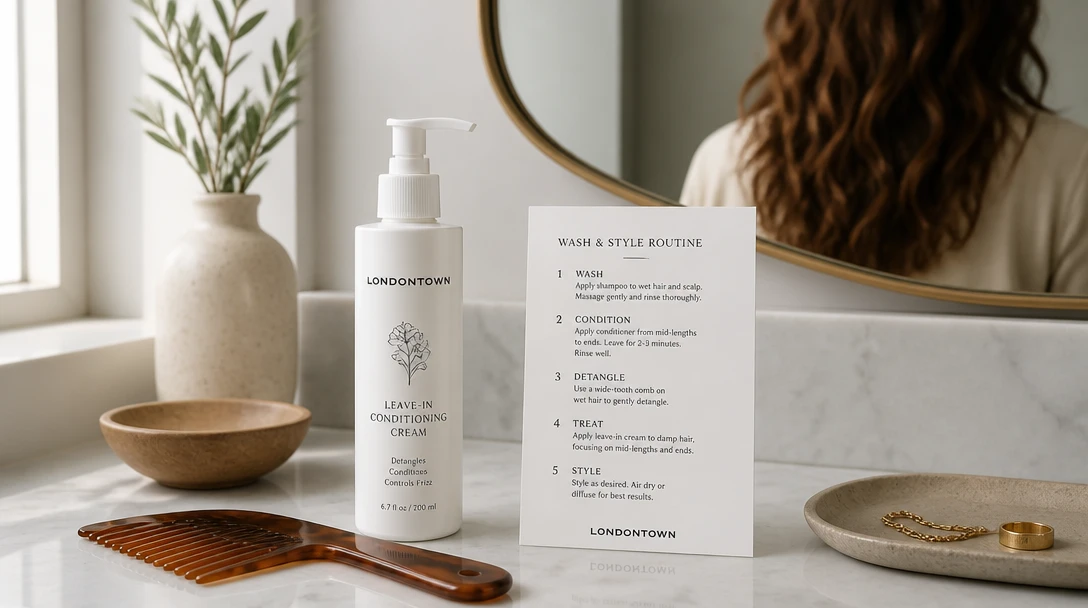
Wash, Heat, and Cut Notes You Can Use
Care stays specific to the type in the photo: how often to wash, what kind of conditioner usually helps, when heat fights the pattern, and one sentence to tell a stylist. Product direction lists types to look for and types to go easy on — not a brand dump.
See My Care GuideHow the Hair Type Report Works
Upload a dry hair photo
Daylight, mid-lengths visible, a part if you can. Wet, tightly pulled, or freshly straightened hair hides the natural pattern.
AI reads the pattern it can see
The model assigns a 1A–4C letter (or Mixed), density, and porosity signals — and lowers confidence if product, heat, or lighting is covering the hair.
Get your type and care guide
You get a readable report in Hair Studio: summary cards, care do/don’ts, product direction, and try-on ideas that fit this type.
Who Uses It
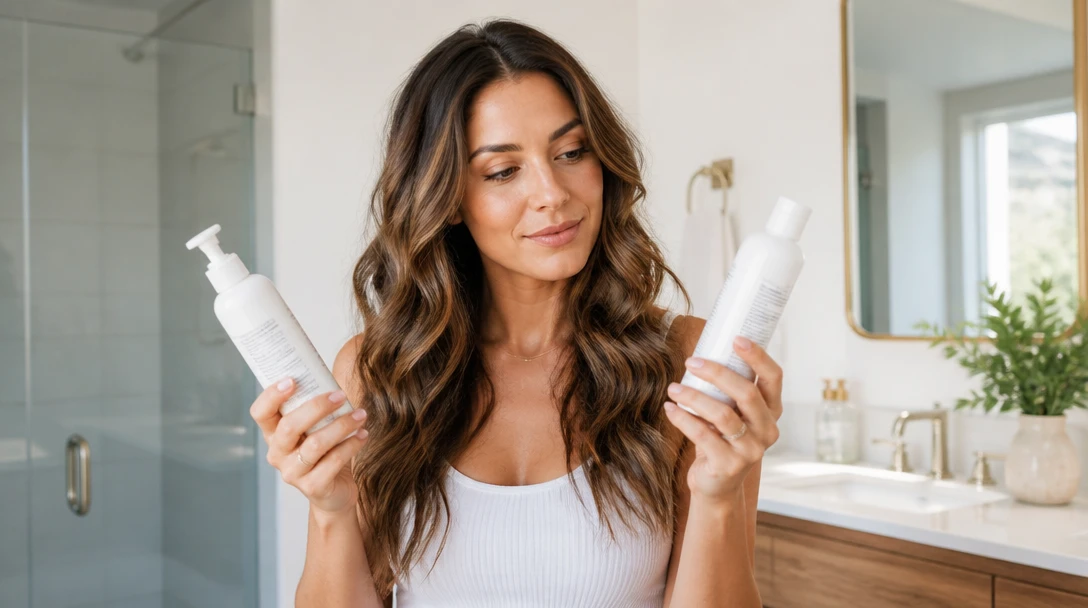
Anyone Buying the Wrong Products
If every shampoo either dries you out or weighs you down, start with type. One photo gives a letter and a short look-for / go-easy list you can take to the shop.

People Booking a Cut or Color
Stylists work faster when you can say 3A with medium density instead of “kind of curly.” Use the report before Hair Studio try-on or a salon visit.

Parents Reading Kids’ Texture
Kids’ hair often looks different wet vs dry. A dry, daylight photo of the mid-lengths is the best input. The report will say so if the pattern is still growing in or mixed.
Deep Dive
The 1A–4C Hair Type Chart
The André Walker system groups hair by the shape the strand takes when it dries on its own. Letters get tighter as you move from 1 (straight) to 4 (coily). A photo can only read the pattern it can see — heat, product, and wet hair often hide the true letter.
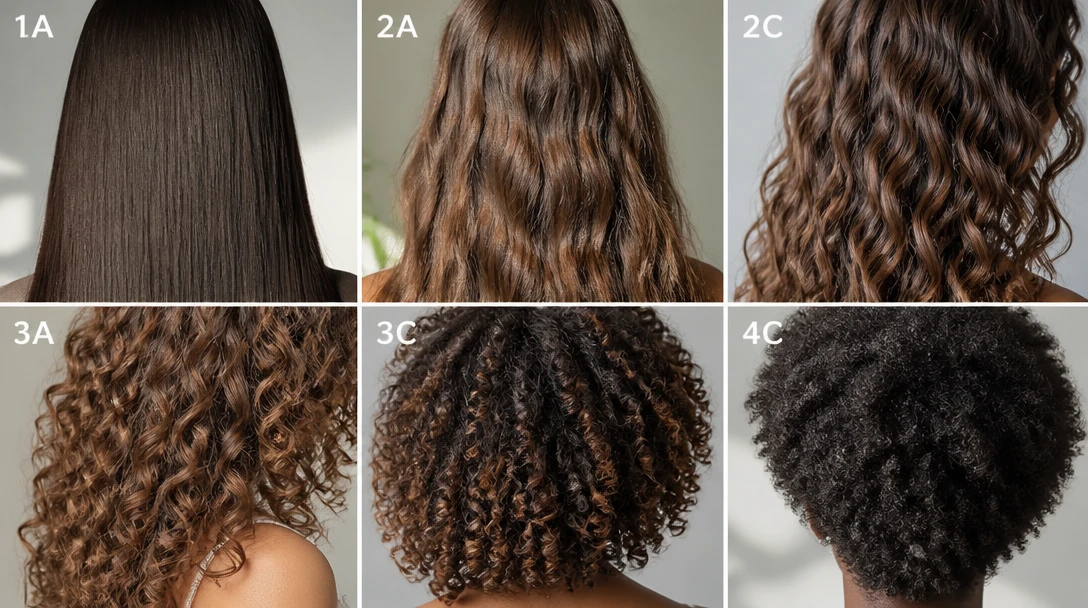
Note: This is an observational read from one photo, not a lab porosity or elasticity test. Mixed patterns are common. Persistent scalp, shedding, or pain concerns belong with a stylist or clinician.
Why Use It
A Letter You Can Act On
Stop guessing “wavy or curly.” Get a 1A–4C type (or Mixed) and a one-line plain-English note.
Care Without the Noise
Wash, heat, and cut notes written for this pattern — plus product types to look for and to skip.
Better Salon Language
Take a type and density line to your stylist, or open Hair Studio and try a cut that fits this hair.
Honest About Limits
This is inspiration, not a diagnosis. Wet, heat-styled, or tightly pulled hair will lower confidence.
Frequently Asked Questions
How does the AI Hair Type Report work?
You upload a photo of hair and the AI describes the pattern it can see using the 1A–4C chart, plus density and porosity signals. It then suggests wash, heat, and cut notes and product types that usually fit that pattern. It does not diagnose scalp or hair-loss conditions.
Is this a medical diagnosis?
No. The report is for entertainment and general hair-care inspiration only. It cannot replace a stylist or trichologist. See a clinician for persistent shedding, scalp pain, or sudden changes.
What photo works best?
Dry hair in daylight, showing the mid-lengths and a part if you can. Wet hair, tight ponytails, hats, and freshly heat-straightened styles hide the natural pattern and will lower confidence.
What do the 1A–4C letters mean?
They are the André Walker hair typing system. 1 is straight, 2 is wavy, 3 is curly, and 4 is coily, with A–C getting tighter or denser inside each family. Mixed is used when two patterns are clearly different in the same photo.
Can it tell my porosity for sure?
No. Porosity is a lab-style test. The report only describes signals in the photo — shine, dryness, how the light sits on the strand — and labels them as signals.
How is this different from the Hairstyle Identifier?
Hairstyle Identifier names the cut or style in the photo (bob, pixie, fade). Hair Type Report names the hair itself — the pattern you were born with or grow now — so products and cuts can match the strand, not just the look.
How much does it cost?
Each report uses 25 credits, the same as Haircut Identifier and Skin Report. Sign up free to get starter credits.
Get Your Hair Type Report
Sign up free and get 100 credits instantly. Upload a photo and get an observational type read in seconds.
Disclaimer: This tool uses generative AI technology which may produce content that resembles copyrighted materials or that is inaccurate, incomplete, or out-of-date. It is provided for general information and educational purposes only and is not intended for illegal activities or to replace professional advice, diagnosis, or treatment. Users are solely responsible for how they use the generated content. If you plan to use AI-generated content commercially or publicly, we strongly recommend reviewing it for potential copyright issues and obtaining proper permissions where necessary. We accept no liability for copyright infringement or any other consequences resulting from the use of content generated by this tool.