Check Dryness, Frizz, and What to Do This Week
See what the photo shows — dry ends, halo frizz, dull lengths — plus a wash-day and between-wash list. Written to be useful and kind. Not a medical diagnosis.
Check My Hair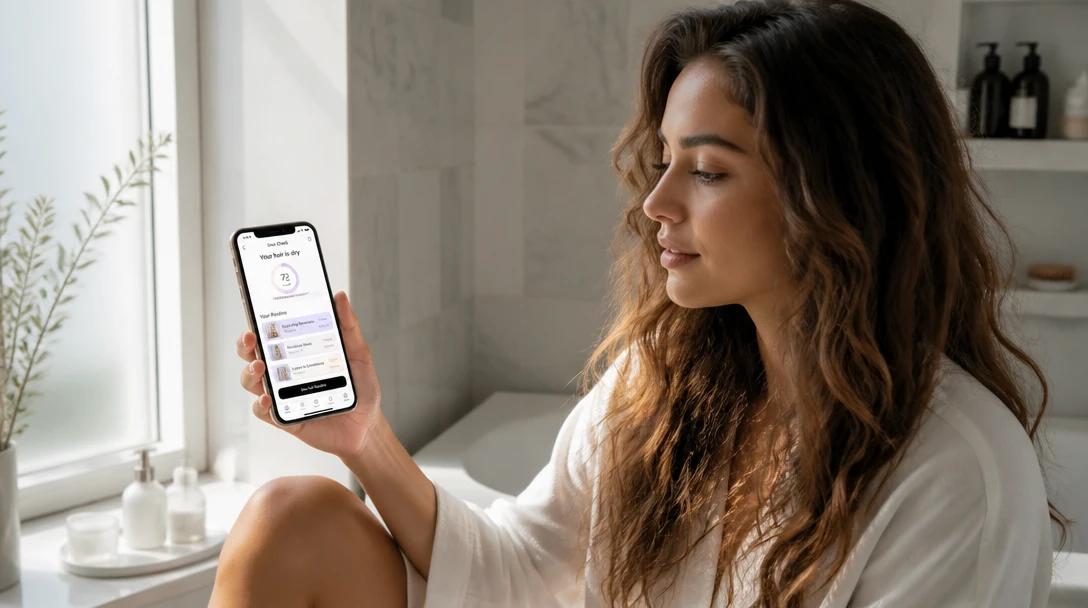
Upload a Clear Hair Photo
We'll open AI Hair Studio next so you can get an observational care read: dryness, frizz, and a short routine.
Drag & drop your photo here
or click to browse — JPG, PNG or WebP, up to 15MB
Your photo is used only to create this hair care check for you. This is not a medical diagnosis.
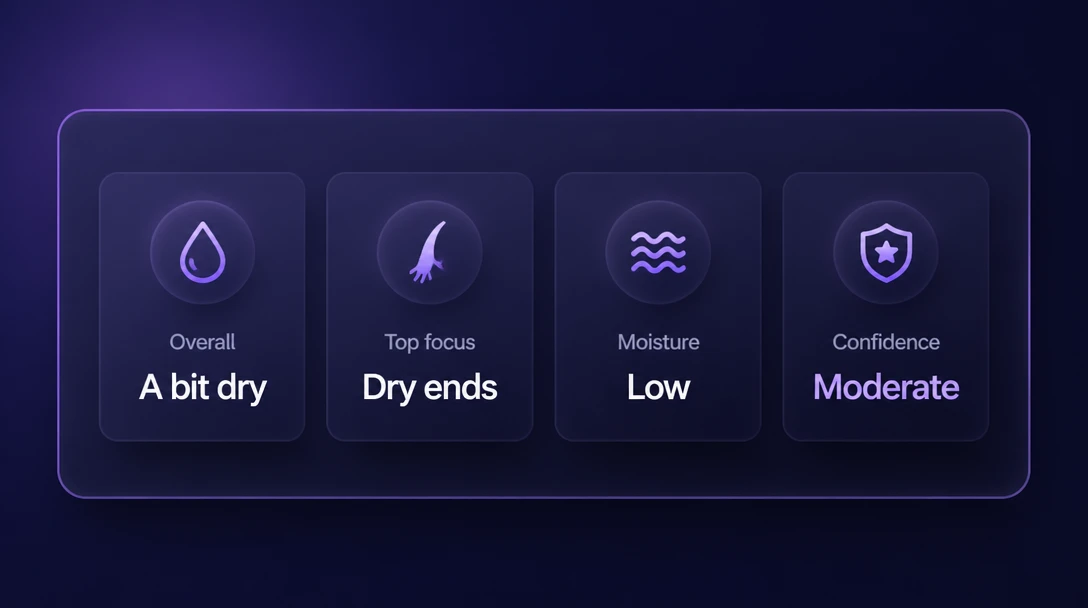
A Top Focus, Not a Scare
The check starts with an overall look and one everyday label — dry ends, halo frizz, dull lengths — plus moisture signals and confidence. It will not invent a disease name from a selfie.
Check My Hair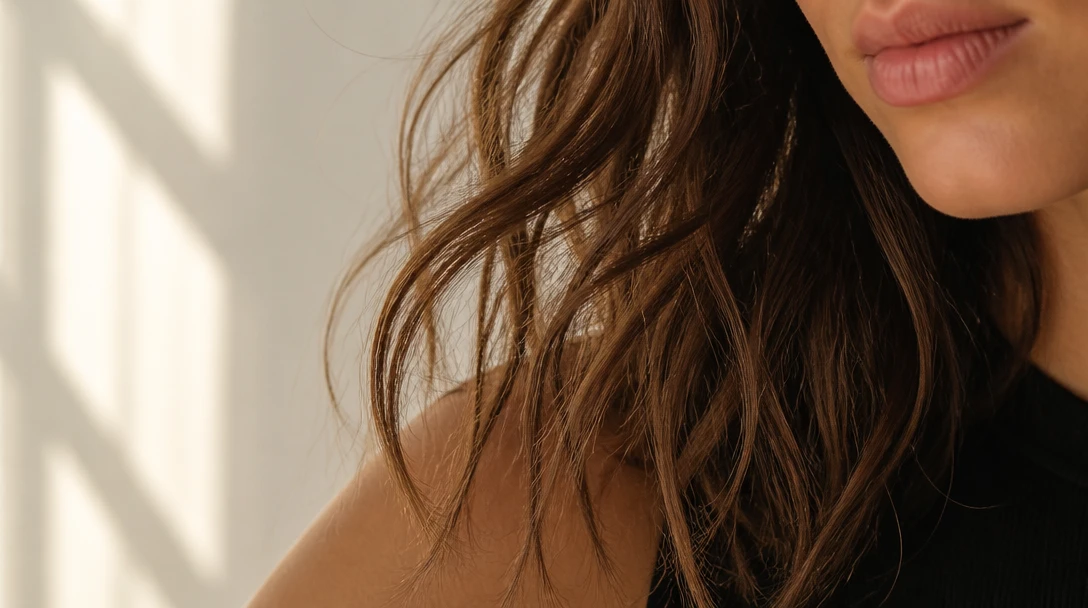
Ends, Mid-lengths, and What Is Hidden
Ends, mid-lengths, and the scalp area each get a short observational note when they are in frame. Wet hair, tight styles, and filters lower confidence instead of guessing.
See What the Photo Shows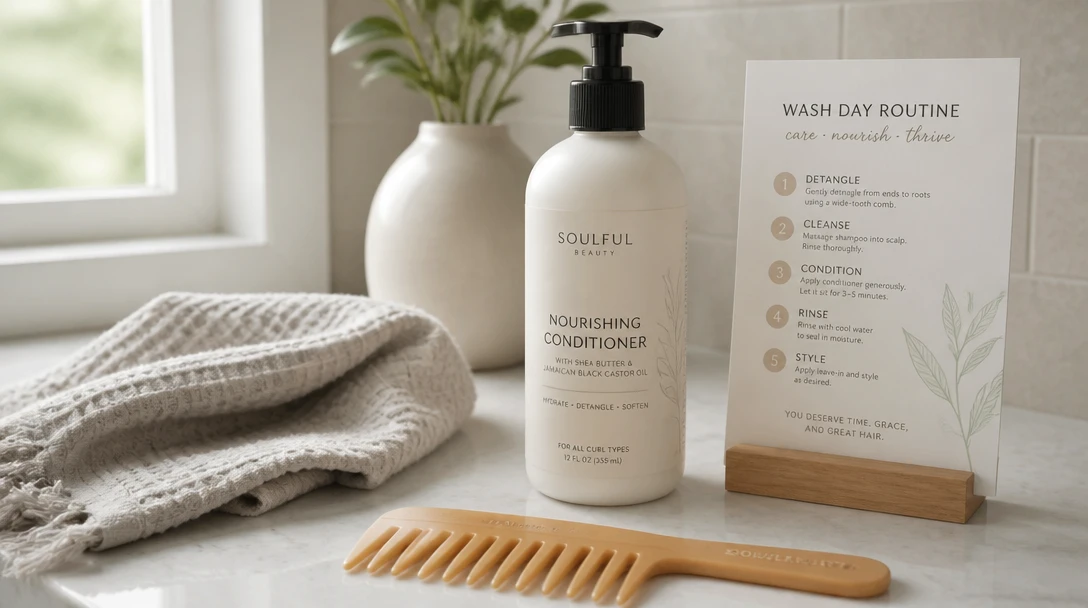
A Routine You Can Do This Week
Wash day, between washes, and one weekly extra. Product direction lists types to look for and types to go easy on. If the photo looks like ordinary dryness, it will not send you to a clinician.
See This Week’s CareHow the Hair Care Check Works
Upload a dry hair photo
Daylight, mid-lengths and ends in frame. Wet, tightly pulled, or filtered hair hides condition.
AI reads what the photo shows
You get an overall look, a top focus, and notes on ends and frizz — plus lower confidence if the photo is hiding the hair.
Leave with this week’s care
Wash-day steps, product types, and when a stylist (or, only if red flags, a clinician) is the next step.
Who Uses It

Anyone in a Product Fog
If the cabinet is full and the ends still feel dry, start with what the photo shows. One check gives a top focus and a short look-for / go-easy list.
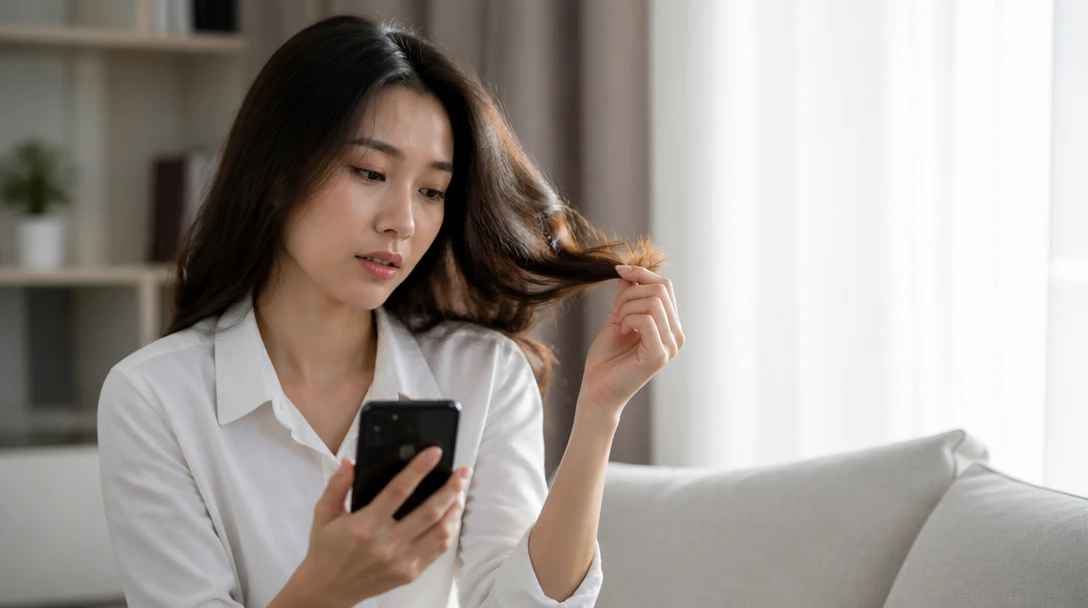
People Deciding on a Trim
Split-looking ends and uneven length are a stylist conversation, not a panic. The check says when a trim would likely help — and when the photo is not enough to tell.
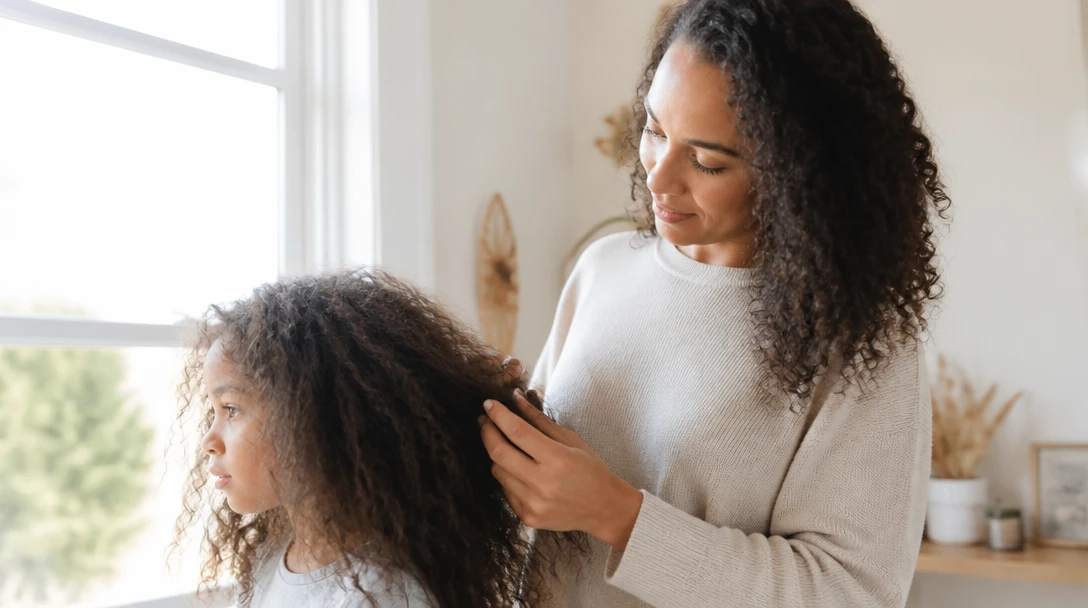
Parents Checking Kids’ Hair
Kids’ hair looks different wet vs dry. A dry, daylight photo of the mid-lengths and ends is the best input. The check stays observational and will not diagnose.
Deep Dive
What a Photo Can and Cannot Show
A camera can suggest dryness, frizz, dullness, and wispy ends. It cannot measure porosity in a lab, count hairs lost in the shower, or diagnose a scalp condition. A good check stays inside what the photo shows.
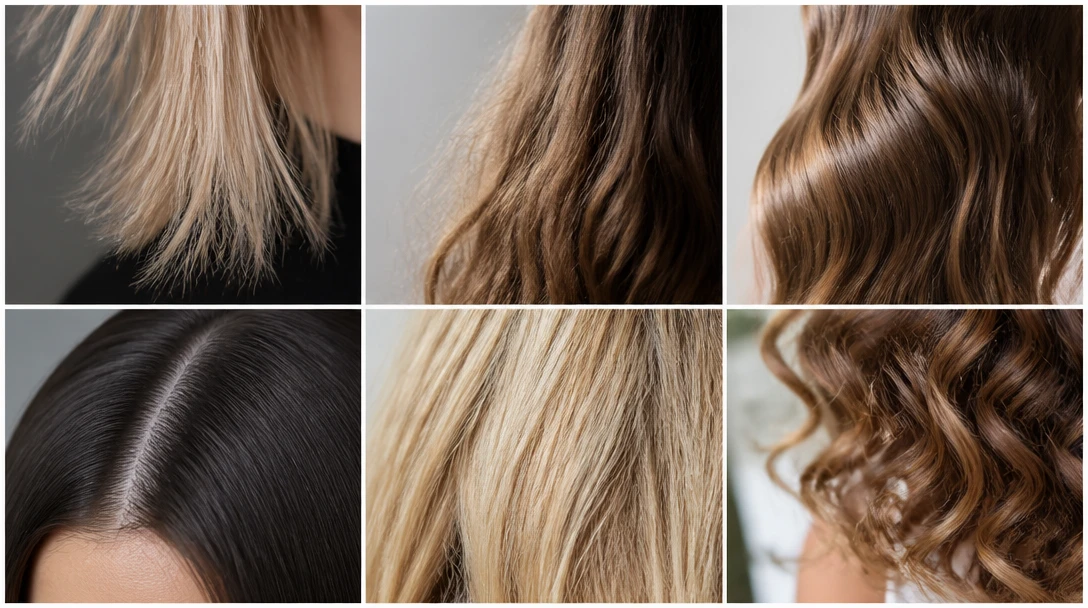
Note: This is an observational read from one photo, not a trichology exam. Persistent shedding, scalp pain, or sudden changes belong with a clinician.
Why Use It
A Clear Starting Point
Stop guessing “damaged” vs “just dry.” Get a top focus and moisture signals from one photo.
A Week You Can Follow
Wash day, between washes, and one weekly extra — written as ideas, not a shopping dump.
Honest Next Steps
Know when a trim would likely help, and when the photo is not enough to tell.
Clear About Limits
Inspiration, not a diagnosis. Sudden shedding or scalp pain belongs with a clinician.
Frequently Asked Questions
How does the AI Hair Care Check work?
You upload a photo of hair. The AI describes everyday condition it can see — dryness, frizz, dullness, split-looking ends — then suggests a short routine and product types. It does not diagnose medical conditions.
Is this a medical diagnosis?
No. The check is for entertainment and general hair-care inspiration only. It cannot replace a stylist or dermatologist. See a clinician for persistent shedding, scalp pain, or sudden bald patches.
What photo works best?
Dry hair in daylight, with mid-lengths and ends in the frame. Wet hair, tight ponytails, hats, and heavy filters hide condition and will lower confidence.
Can it tell if I have hair loss?
No. A selfie is the wrong tool for that. The check may mention that ends look wispy or that the scalp area is not clear. Sudden shedding in handfuls or bald patches should go to a clinician, not an app.
How is this different from the Hair Type Report?
Hair Type Report names the pattern (1A–4C) so products and cuts can match the strand. Hair Care Check names the condition in this photo — dry, frizzy, dull — and what to do this week. Use type first if you do not know your letter.
How much does it cost?
Each check uses 25 credits, the same as Hair Type Report and Skin Report. Sign up free to get starter credits.
Get Your Hair Care Check
Sign up free and get 100 credits instantly. Upload a photo and get an observational care read in seconds.
Disclaimer: This tool uses generative AI technology which may produce content that resembles copyrighted materials or that is inaccurate, incomplete, or out-of-date. It is provided for general information and educational purposes only and is not intended for illegal activities or to replace professional advice, diagnosis, or treatment. Users are solely responsible for how they use the generated content. If you plan to use AI-generated content commercially or publicly, we strongly recommend reviewing it for potential copyright issues and obtaining proper permissions where necessary. We accept no liability for copyright infringement or any other consequences resulting from the use of content generated by this tool.