Understand Your Cat's Stool Appearance with Educational Context
Upload a photo and get a structured observation of visual characteristics with general educational context about diet, digestion, and when to contact a vet.
Scan a Sample
Upload a Clear Stool Photo
We'll open AI Pet Studio next so you can get educational observations about visual appearance. Not a veterinary diagnosis.
Drag & drop your photo here
A clear, well-lit photo works best. JPG, PNG or WebP, up to 15MB
Your photo is used only to create this educational report for you. This is not a veterinary diagnosis.
Visual Appearance Observations
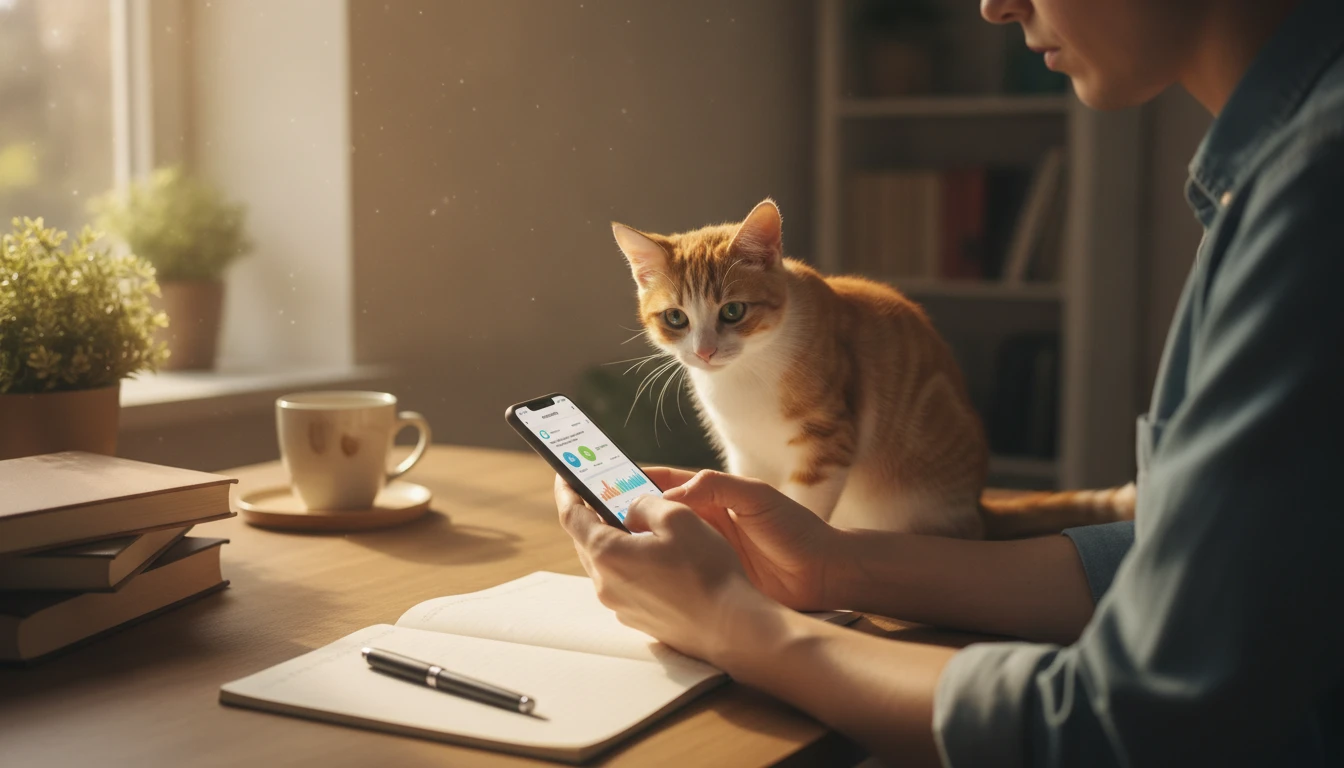
The appearance section describes every directly observable characteristic from the photograph: the overall consistency (formed, soft, loose, watery, or hard), the primary colour and any secondary colour variations, the shape and whether it holds its form, the surface texture, the approximate size, and any notable visible features such as unusual coatings or foreign matter. These observations are factual descriptions of what is visible, not diagnoses.
Scan a Sample
General Educational Context
Alongside the visual description, the tool provides general educational information about what each observed characteristic is commonly associated with in terms of diet and digestion. For example, what dietary factors are typically associated with softer consistency, which foods can cause harmless colour variation, and what surface texture differences are generally linked to. This is factual background information for informed cat owners, not a diagnosis.
Learn More
Care Reminders and Vet Guidance
Every scan includes a set of general digestive health care reminders relevant to the observed characteristics: hydration, dietary consistency, litter box monitoring, and regular veterinary check-ups. Cats are often prone to low water intake, so hydration reminders are especially important. The output always includes clear guidance on specific observable changes that warrant a veterinary visit. The tool is designed to support informed cat owners, not replace professional veterinary care.
Start TrackingHow It Works
Photograph the Sample
Take a clear, well-lit photo of the stool sample. Natural daylight or bright indoor lighting gives the best colour accuracy. Aim for a close-up that shows the full sample clearly.
AI Describes the Appearance
The AI analyses the visual characteristics and produces a structured description covering consistency, colour, shape, texture, and notable features.
Get Educational Context
Receive general educational information about what the observed characteristics are commonly associated with, plus care reminders and guidance on when to consult a veterinarian.
Who Uses It
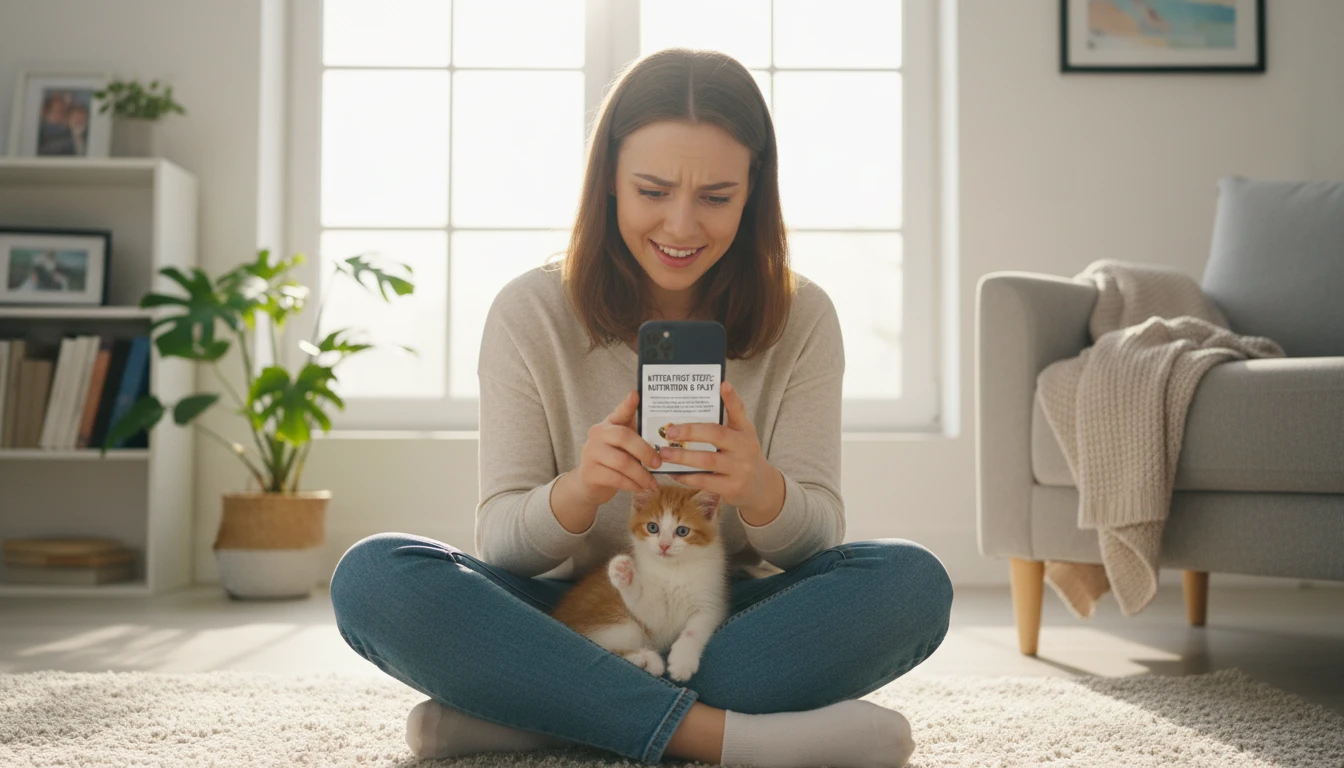
New Cat Owners
Not sure what normal cat stool looks like? The educational context section explains what typical characteristics look like and what common harmless variations are caused by. Understanding what is typical helps new owners recognise when something looks different and warrants a call to the vet.
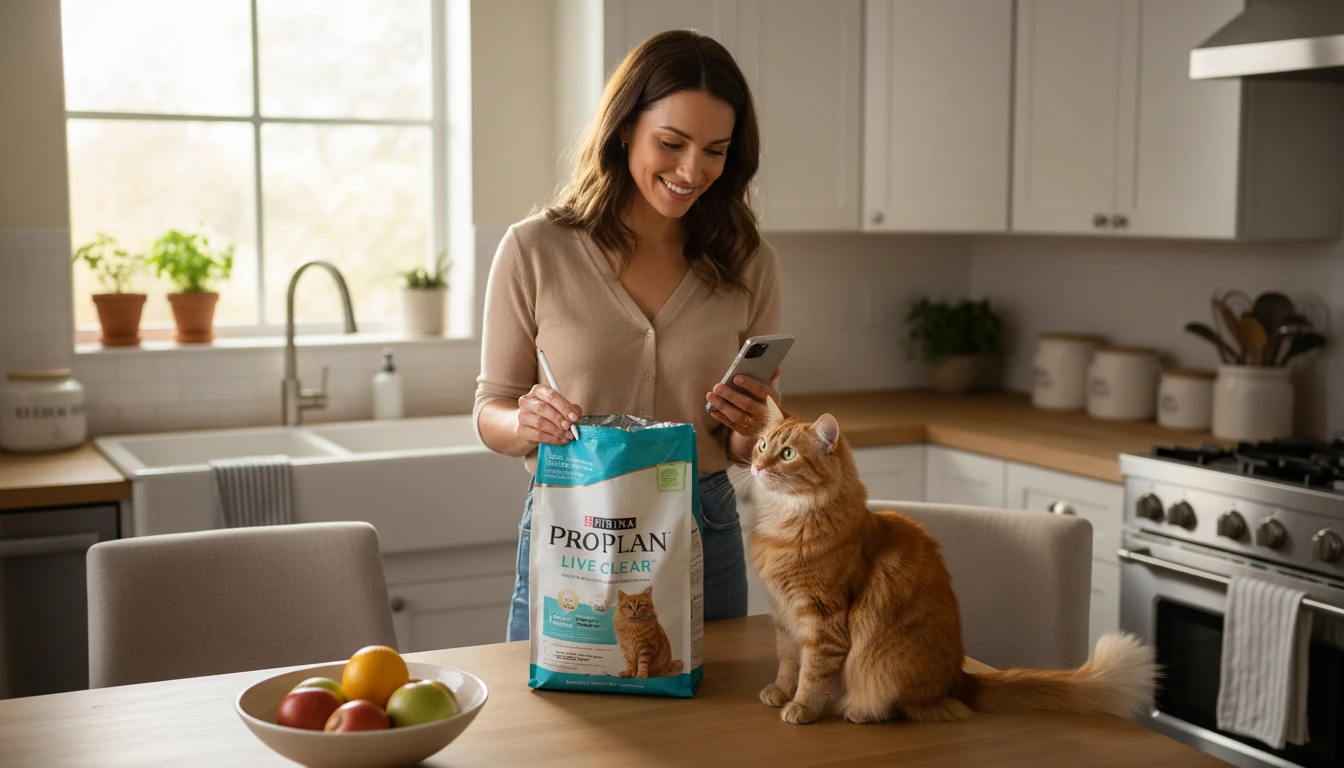
Cat Owners Tracking Diet Changes
Switching your cat to a new food or adding supplements? Stool appearance often changes during dietary transitions. Using the scanner to log observations before, during, and after a diet change gives you a factual record of what changed visually and when, which can be useful context to share with your vet if needed.
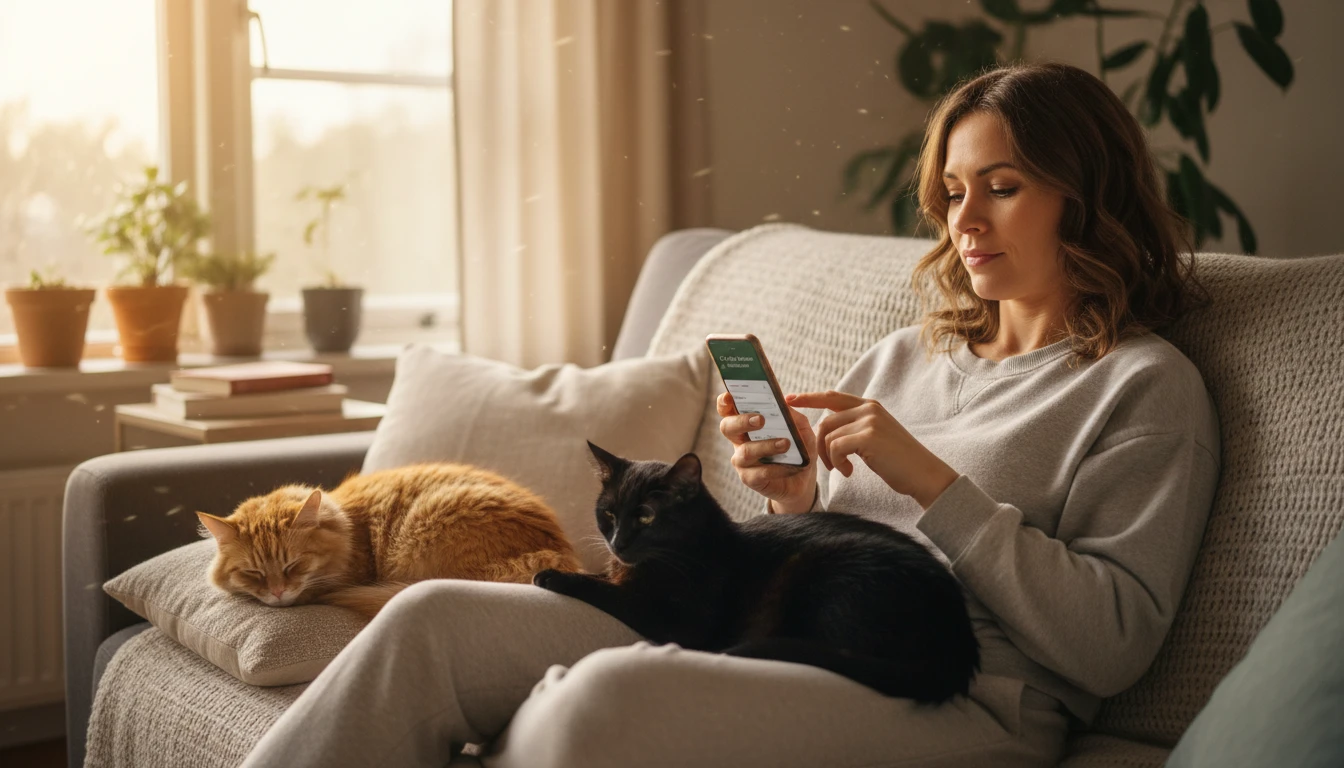
Multi-Cat Households
Managing the digestive health of multiple cats with different ages, breeds, and diets can be complex. The scanner helps keep observations organised per cat over time, providing a structured record that supplements routine veterinary check-ups.
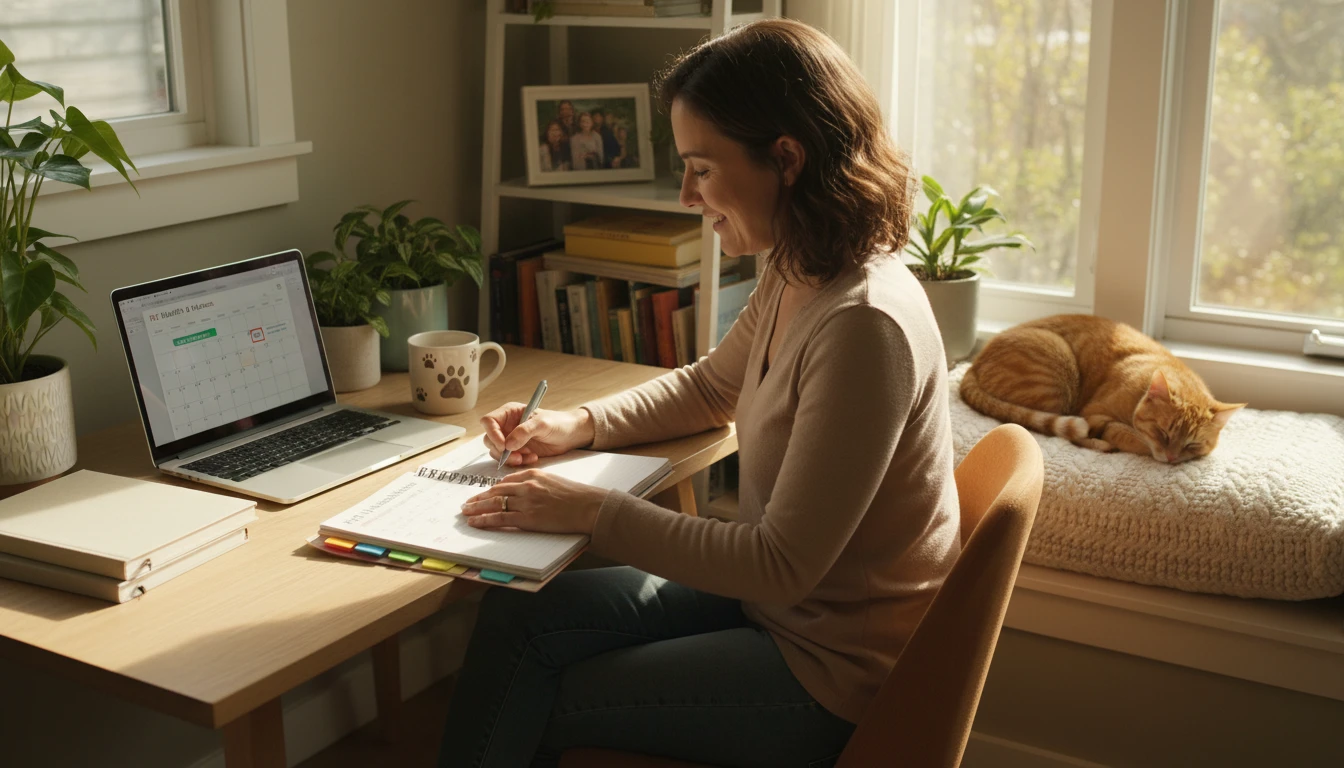
Responsible Pet Record Keepers
Good pet health records support better veterinary care. Logging stool observations over time gives your vet useful context when you visit, particularly if changes have been gradual. The structured output makes it easy to note what was observed and when, building a useful history without requiring clinical expertise.
Deep Dive
What the Scan Covers
Each scan produces a structured observation covering the key visual characteristics of the stool sample along with general educational context.
This tool is for general educational and informational purposes only. It cannot detect parasites, pathogens, blood, mucus confirmed at a microscopic level, or any internal health condition. Photograph analysis has significant limitations for health-related observations. Always consult a licensed veterinarian for any health concerns about your cat.
Why Use It
Structured Observations
A consistent format covering consistency, colour, shape, and texture makes it easy to compare observations over time.
Educational Context
Plain-language background information about what each characteristic is generally associated with, without diagnostic claims.
Record Keeping
Build a structured observation history over time to share as supplementary context during veterinary check-ups.
Vet Guidance Built In
Every scan includes clear guidance on which observable changes warrant contacting a veterinarian.
Frequently Asked Questions
What does this tool actually analyse?
The tool analyses the visual appearance of the stool in the uploaded photograph: consistency, colour, shape, surface texture, size, and any notable visible features. It then provides general educational information about what those visual characteristics are commonly associated with in terms of diet and digestion. It does not perform any laboratory or microscopic analysis.
Can it detect parasites or health conditions?
No. This tool cannot detect parasites, bacteria, viruses, blood at a microscopic level, or any internal health conditions. Visual photograph analysis has significant limitations. The tool describes what is visually observable in the image and provides general educational context only. If you have any health concerns about your cat, consult a veterinarian who can perform proper clinical examination and testing.
What does healthy cat stool typically look like?
Healthy cat stool is typically dark brown in colour, firm enough to hold its shape without being hard, and log-shaped. Cats typically defecate once to twice a day depending on diet. Some variation in colour is normal depending on diet: foods with high protein content can produce darker stools, and certain ingredients can cause minor harmless colour variation. Significant or persistent changes in colour, consistency, or appearance are worth discussing with a veterinarian.
How can I get the most accurate observations from the scan?
Clear, well-lit photos produce the most useful visual observations. Natural daylight gives the most accurate colour representation. A close-up photo that shows the full sample against a neutral background helps the AI observe consistency and surface texture accurately. Avoid very dark or overexposed photos where colour and texture are difficult to assess.
When should I contact a veterinarian?
Contact a veterinarian if your cat's stool is consistently very loose or watery for more than 24 hours, if there is visible blood or a very dark tarry appearance, if your cat appears unwell or is straining in the litter box, if there is a sudden significant change in stool appearance alongside other symptoms, or if you have any concerns at all about your cat's digestive health. This tool is not a substitute for veterinary assessment.
Can I use this to track changes over time?
Yes. Running regular scans creates a structured observation record that documents what was observed and when. This can be useful context to share with your veterinarian, particularly if changes have been gradual. The consistent format makes it straightforward to compare observations across different dates.
Start Tracking
Sign up free and get 100 credits instantly. Upload a photo and get a structured observation with educational context in seconds.
Disclaimer: This tool uses generative AI technology which may produce content that resembles copyrighted materials or that is inaccurate, incomplete, or out-of-date. It is provided for general information and educational purposes only and is not intended for illegal activities or to replace professional advice, diagnosis, or treatment. Users are solely responsible for how they use the generated content. If you plan to use AI-generated content commercially or publicly, we strongly recommend reviewing it for potential copyright issues and obtaining proper permissions where necessary. We accept no liability for copyright infringement or any other consequences resulting from the use of content generated by this tool.