Discover the Style, Movement, and Artists Behind Any Artwork
Upload any artwork, from oil paintings and digital art to anime and street art, and get the movement, medium, comparable artists, and cultural context.
Identify Art Style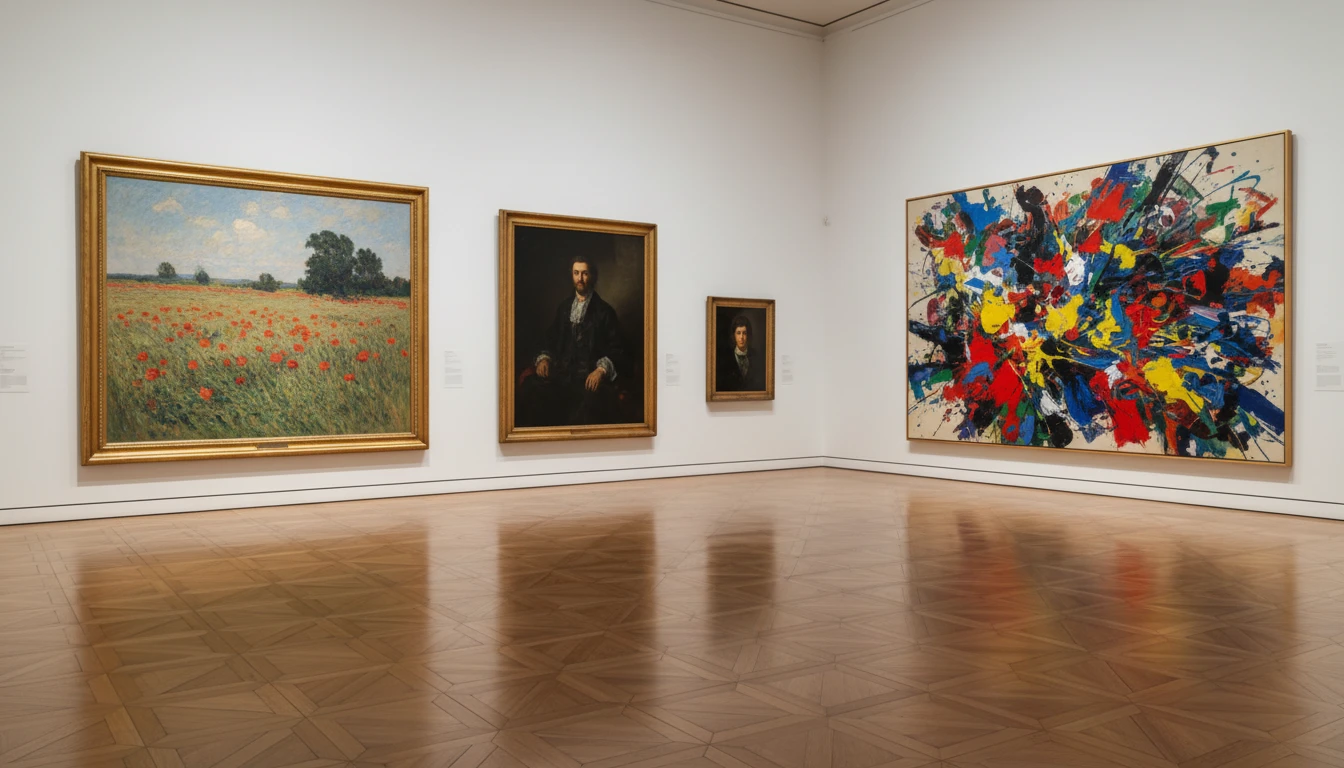
AI Art Style Identifier
Upload any artwork image and instantly discover the artistic style, movement, medium, and cultural tradition. Works for paintings, illustrations, digital art, AI-generated imagery, concept art, anime, and more. Get similar artists and a full art historical context.
Upload an artwork image
Works for any artwork: paintings, illustrations, digital art, AI-generated images, concept art, anime, manga, pixel art, and more. A clear image showing the full composition gives the best style analysis.
or drag and drop an image here
Results
AI Art Style Identifier
AI Art Style Identifier
Upload a photo on the left and click analyse to see the results.
- Dominant style and movement, medium, period, and overall mood
- Brushwork, colour palette, light handling, composition, and level of finish
- Iconographic content, symbolic elements, figure treatment, and emotional register
- 5 to 7 comparable real-world artists and works sharing the same aesthetic
- Art historical and cultural context: movement origin, core principles, key figures, and legacy
- Suggestions to explore further: museums, books, related styles, and contemporary artists
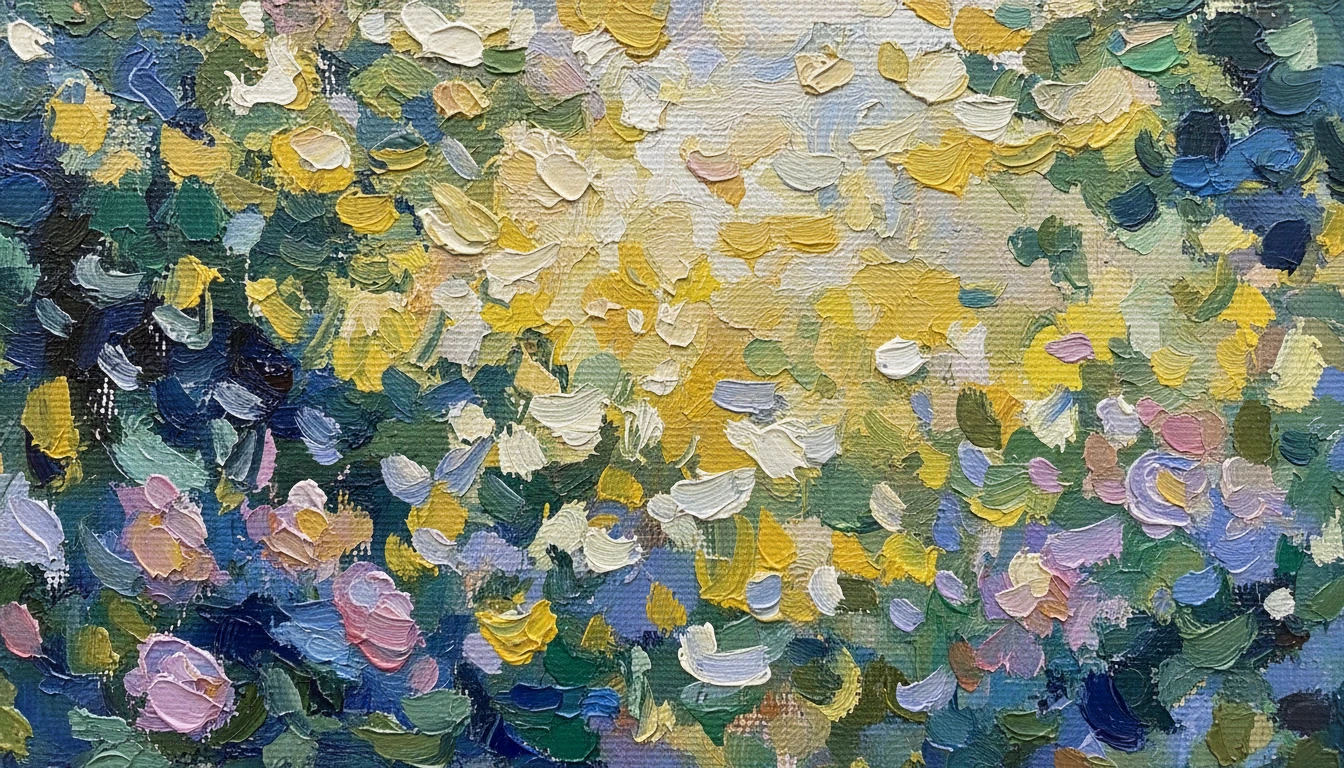
Instant Style Recognition Across Every Visual Art Form
Upload any image that carries an artistic style and the AI will identify the dominant movement and tradition, the apparent medium and technique, the period, and the overall aesthetic mood. The tool works across the full spectrum of visual art: old master oil paintings, Impressionist landscapes, Japanese woodblock prints, Mid-Century Modern illustration, contemporary digital painting, AI-generated imagery in any aesthetic, anime and manga illustration, pixel art, street art and graffiti, concept art and fantasy illustration, and decorative and folk art traditions from around the world.
Identify an Art Style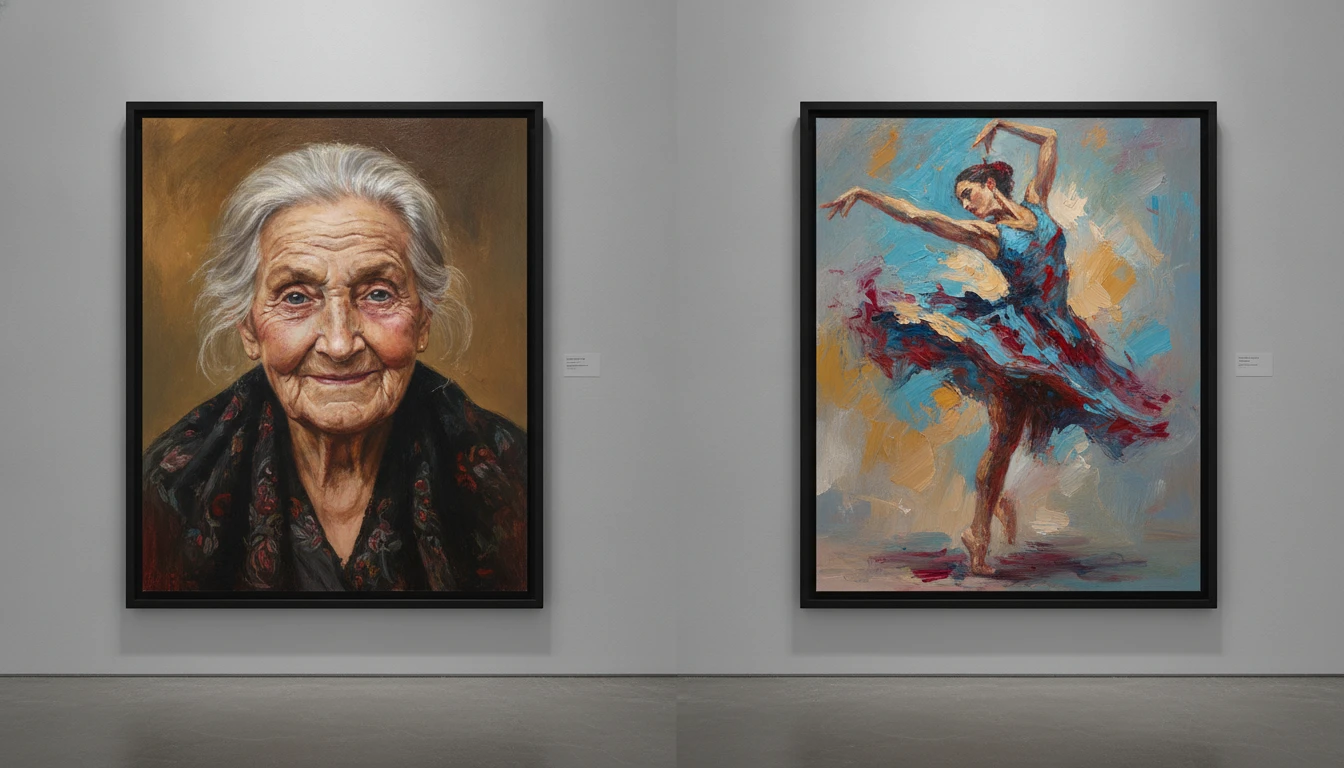
Deep Technique and Composition Analysis
Every result includes a thorough technical analysis of how the artwork is made: the apparent medium (oil, watercolour, digital, ink, etc.), the character of the brushwork or mark-making (loose and gestural, tight and controlled, hatched, impasto, flat, blended), the colour palette and how colour is used, how light and shadow are handled, the compositional organisation, how depth and space are expressed, and the overall level of finish and detail. This is the kind of structured visual reading that art students spend years learning to do, delivered in seconds.
See Technique Analysis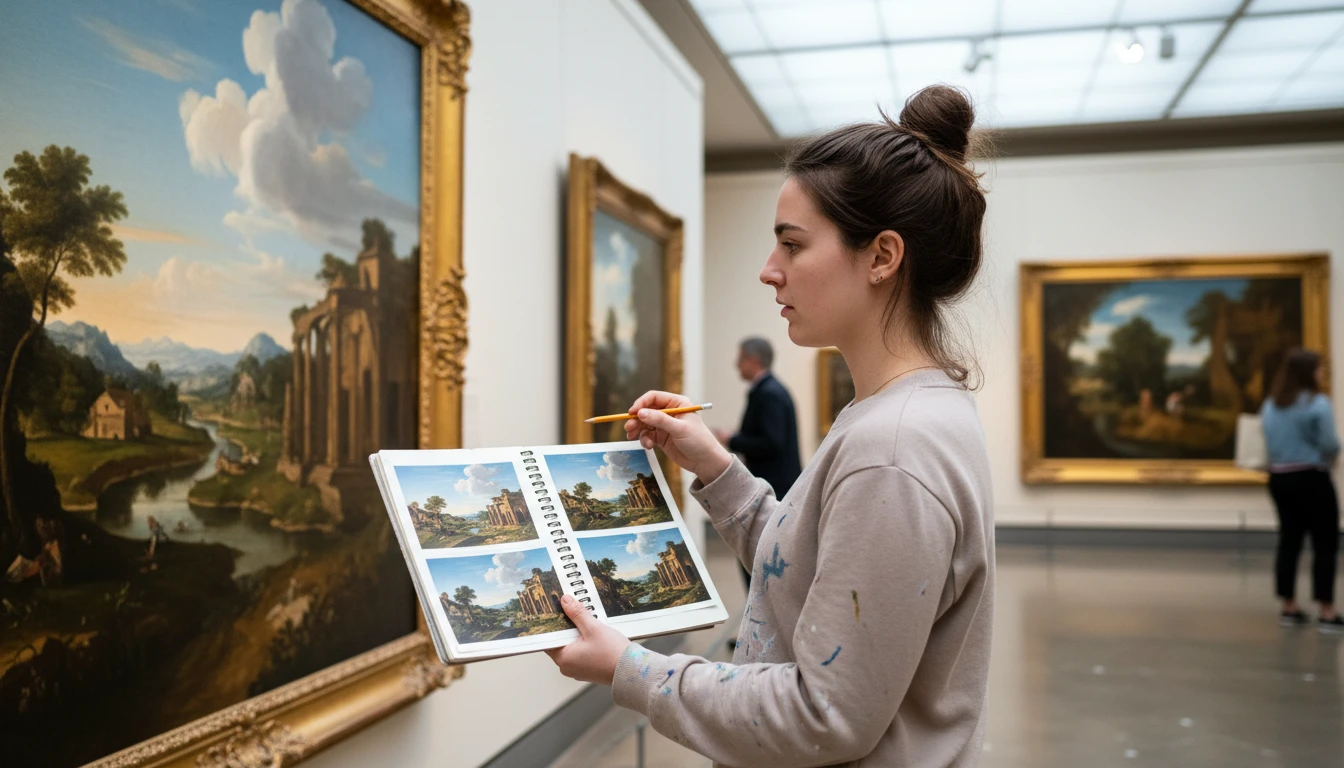
Comparable Artists and Art Historical Context
The most useful part of every result: a curated list of 5 to 7 real-world artists or titled works that share the same aesthetic as the image you uploaded, with a clear explanation of exactly what they share. Follow with a full art historical context section covering the movement origin, core artistic principles, key figures, legacy, and why this style continues to resonate today. Use it to build a visual reference library, discover new artists to follow, understand the tradition behind an aesthetic you love, or find direction for your own creative practice.
Discover Similar ArtistsHow to Identify an Art Style with AI
Upload Any Artwork Image
Upload any image with an identifiable artistic style: a painting, illustration, digital artwork, AI-generated image, anime art, concept art, or any other visual art form. Any clear image works.
AI Analyses the Artistic Style
The AI reads the visual language: dominant movement and style, apparent medium and technique, colour palette, compositional approach, iconographic content, and overall mood.
Get the Full Style Profile
Receive a complete profile covering the style overview, technique and composition analysis, comparable artists and works, art historical context, and suggestions for exploring the style further.
Who Uses It

Artists and Illustrators
Found an image with an aesthetic you love and want to understand what tradition it comes from so you can study it more deliberately? Upload it and get the movement, the key technique breakdown, and a curated list of real artists working in the same vein. Whether you are a traditional painter, digital illustrator, or concept artist, understanding the art historical roots of the aesthetics that inspire you is one of the most efficient paths to developing your own visual language.

AI Art Creators
Generated an image with an interesting aesthetic and want to understand what art historical tradition it landed in? Or exploring style references to craft better prompts? Upload any AI-generated artwork and get the full style breakdown: the dominant movement and visual language, the comparable real artists the AI was likely drawing from, and the cultural and historical tradition behind the aesthetic. Use the insights to refine your prompt vocabulary and develop a deeper understanding of the styles you are working with.

Art Students and Educators
Need to analyse an artwork's style for a class assignment, identify the movement for an essay, or prepare a structured visual analysis? Upload any artwork and get a complete style profile with the technical vocabulary you need: movement, medium, brushwork character, colour strategy, compositional approach, and art historical context. Every result is structured like a professional visual analysis and provides the academic vocabulary needed for art history coursework and studio practice.
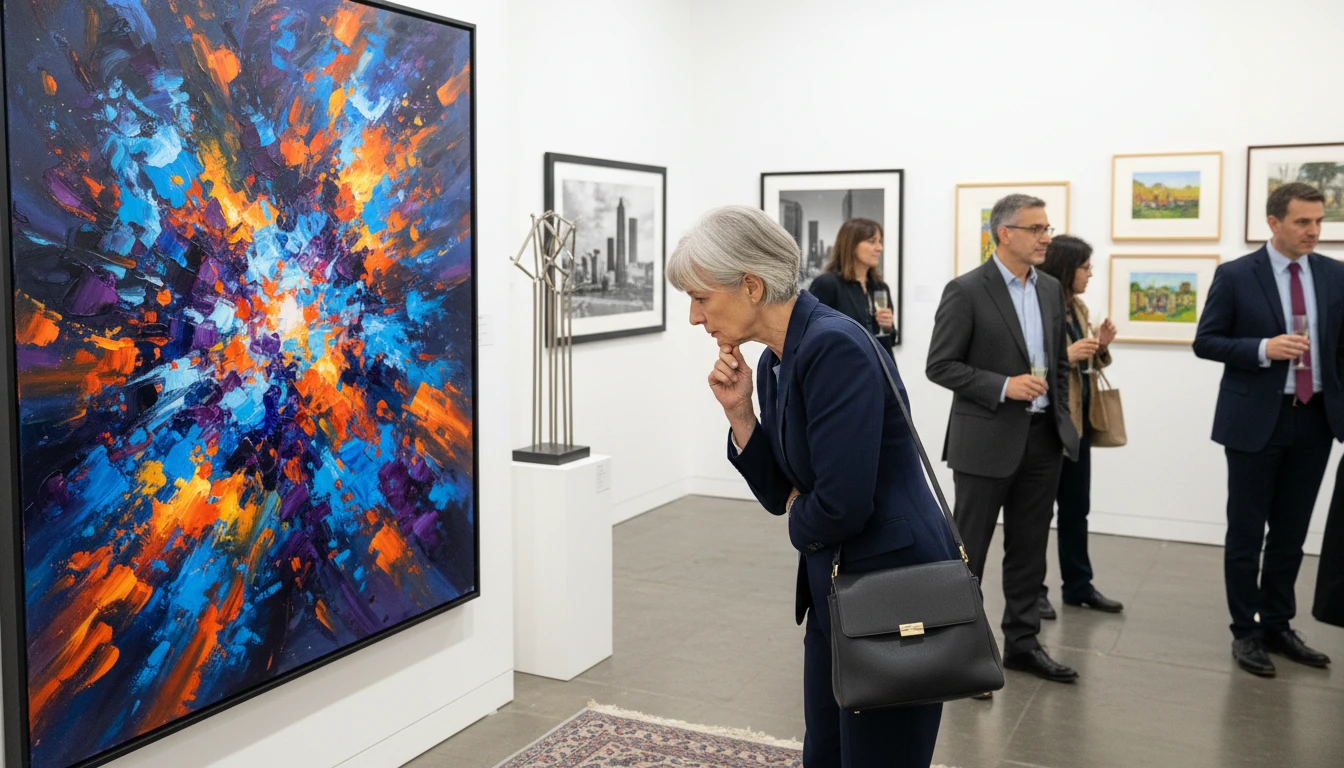
Collectors and Art Enthusiasts
Found an artwork at a fair, in a gallery, or online and want to understand what tradition it belongs to, what movement it is working in, and who the comparable artists are before making a purchase decision? Upload a photo and get the full style profile. Understanding which movement a work belongs to, what comparable works exist, and what defines the aesthetic quality of the tradition helps you assess any artwork more confidently and develop a more informed collecting practice over time.
Deep Dive
Major Art Styles and Movements
Every image carries a visual language shaped by the artistic traditions it draws from. Understanding the major art movements and styles helps you recognise and appreciate visual art more deeply, whether you are looking at a museum masterpiece, a digital illustration, or an AI-generated image.
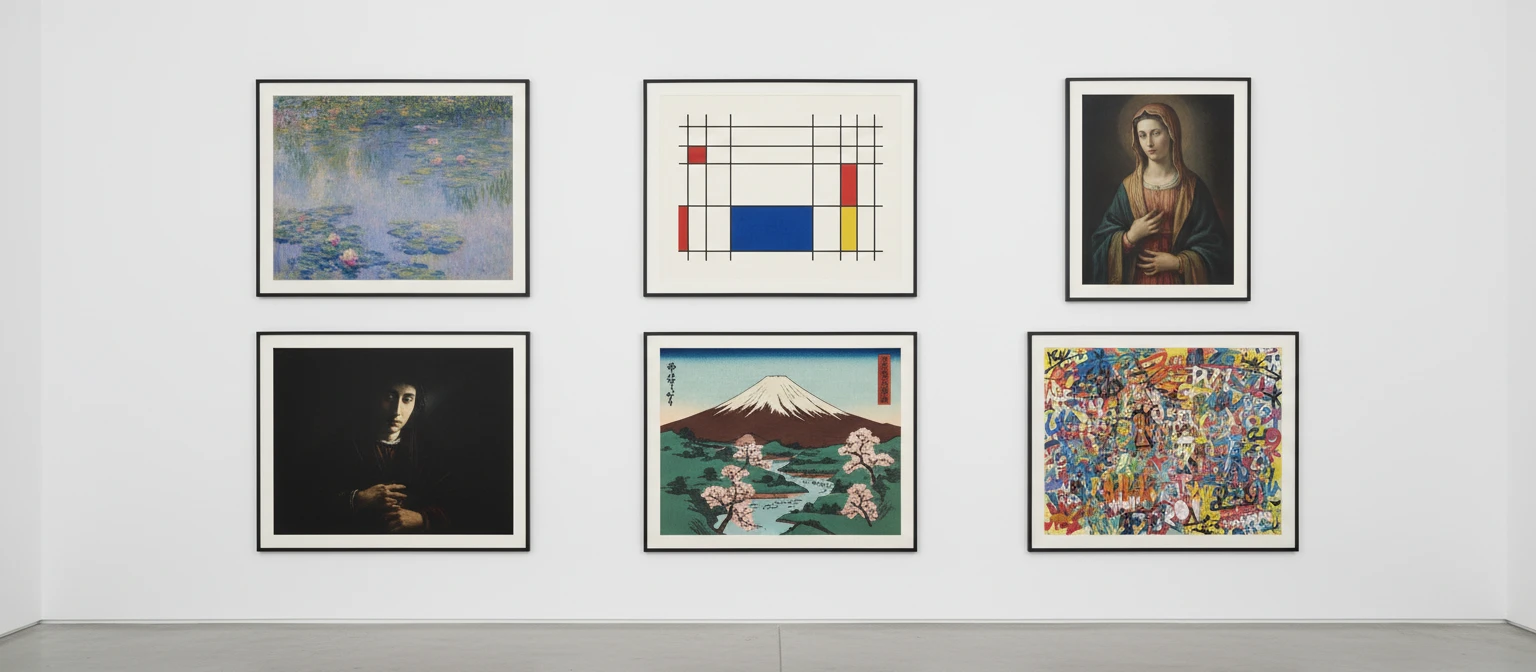
Artistic styles are never pure or isolated. Most artworks blend influences from multiple traditions, periods, and cultural sources. Style analysis identifies the dominant visual language and its most significant references, while acknowledging the rich complexity that makes art endlessly interesting.
Why Use It
Works for Any Artwork
Paintings, watercolours, illustrations, digital art, AI-generated imagery, anime and manga, concept art, pixel art, street art, and more. Any image with an identifiable artistic style gets a full analysis.
Technique Breakdown
Understand how any artwork is made: the apparent medium, brushwork character, colour palette strategy, light and shadow handling, compositional organisation, and level of finish in clear plain language.
Curated Similar Artists
Get a curated list of 5 to 7 real-world artists and works sharing the same aesthetic, with a clear explanation of what they share: medium, colour approach, mark-making, iconographic tradition, or emotional register.
Art Historical Context
Understand the movement, its origin, core principles, key figures, and legacy in visual culture. Get practical suggestions for exploring the style further through museums, books, and contemporary artists.
Frequently Asked Questions
What types of artwork can this tool analyse?
The tool works for any image with an identifiable artistic style: oil paintings, watercolours, gouache, acrylic, pencil and ink drawings, printmaking, collage, digital paintings, concept art, illustration, anime and manga art, pixel art, street art, graffiti murals, AI-generated imagery in any aesthetic, and decorative and folk art traditions from cultures worldwide.
Does it try to identify a specific painting or artist?
No. The tool focuses on style analysis rather than specific identification. It tells you what movement and tradition the artwork belongs to, how it is made, and which real-world artists share the same aesthetic, without trying to name a specific work or artist. This approach works for the vast majority of artwork images, including illustrations, digital art, AI imagery, and lesser-known works that cannot be specifically identified.
Does it work for AI-generated artwork?
Yes, this is one of its most popular use cases. AI-generated imagery draws from multiple art historical traditions simultaneously, often producing results that belong to several aesthetics at once. The tool analyses the dominant visual language of any AI-generated image, identifies the real-world traditions it is synthesising, and suggests the actual artists and movements that most closely resemble the result.
Does it work for anime, manga, and digital illustration?
Yes. Anime, manga, and digital illustration styles have rich and identifiable visual languages with clear connections to both East Asian visual traditions and Western art history. The tool identifies the specific sub-style within these traditions (classic anime, modern cel-shaded, watercolour anime, dark fantasy illustration, etc.) and suggests comparable artists and works within and beyond these categories.
What makes a good image to upload?
A clear image showing the full composition, or a representative portion of it, gives the best analysis. The tool needs to be able to read the brushwork or mark-making character, the colour palette, the compositional organisation, and any iconographic content. Photographs of physical artworks work well if the lighting is even and the image is in focus. Screenshots or digital files of digital artworks and AI-generated images also work well.
Can it tell the difference between two similar styles, like Impressionism and Post-Impressionism?
Yes. The tool distinguishes between closely related styles by reading the specific visual qualities: the character of the brushwork, how colour is used (naturalistic versus symbolic), the degree of structural versus optical concern, the subject matter, and the emotional register. Van Gogh's swirling expressive line and symbolic colour read quite differently to Monet's dissolved atmospheric light, and the tool captures these distinctions.
Can I use the results for creative reference or academic work?
Yes. The results are designed to be practically useful for creative and academic purposes. The similar artists section gives you specific names to research and study. The technique section gives you the vocabulary to describe any artwork's visual qualities accurately. The art historical context section provides the background needed for essays, papers, and presentations. Artists and designers use the results to build visual reference libraries and understand the traditions they are drawn to.
Identify Any Art Style Instantly
Sign up free and get 100 credits instantly. Upload any artwork and get the full style analysis in seconds.
Disclaimer: This tool uses generative AI technology which may produce content that resembles copyrighted materials or that is inaccurate, incomplete, or out-of-date. It is provided for general information and educational purposes only and is not intended for illegal activities or to replace professional advice, diagnosis, or treatment. Users are solely responsible for how they use the generated content. If you plan to use AI-generated content commercially or publicly, we strongly recommend reviewing it for potential copyright issues and obtaining proper permissions where necessary. We accept no liability for copyright infringement or any other consequences resulting from the use of content generated by this tool.