Upgrade Your WMA Files to the Codec Behind Discord and YouTube
Opus is the IETF-standard codec used by Discord, YouTube, WebRTC, Zoom, and WhatsApp. It delivers better quality than WMA at dramatically lower bitrates and works natively in every modern browser. Upload your WMA and get a future-ready Opus file in seconds.
Convert Now
Audio Format Converter
Upload any audio file, choose an output format, and download the converted result. Supports MP3, WAV, FLAC, AAC, OGG, ALAC, WMA, Opus and M4A.
Drop your audio file here
or click to browse

The Codec Behind Discord, YouTube, and WebRTC
Opus is the audio codec powering Discord voice channels, YouTube audio tracks, WhatsApp calls, Zoom meetings, and every WebRTC-based application. It was standardized by the IETF in RFC 6716 and is maintained by the Xiph.Org Foundation with no patent encumbrances. Converting WMA to Opus makes your audio compatible with the entire modern web communication and streaming infrastructure.
Convert Now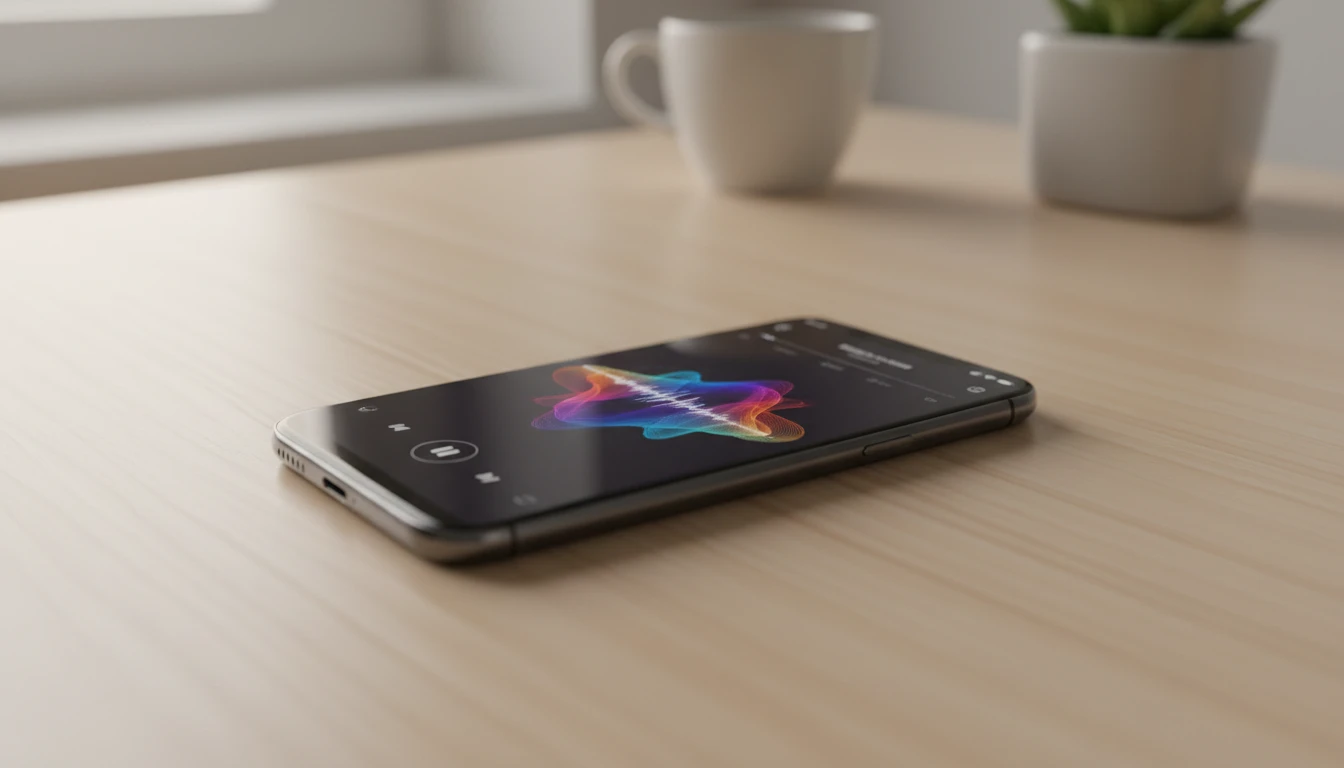
Better Quality at 64 kbps Than WMA at 128 kbps
Opus achieves transparent quality for most music content at 96 to 128 kbps, and near-CD quality speech at 24 kbps. In standardized listening tests, Opus consistently outperforms WMA, AAC, and MP3 at equivalent bitrates. For bandwidth-constrained applications, streaming over mobile connections, or web audio assets that need to load fast, Opus delivers more audio quality per kilobit than any other codec available.
Try It Now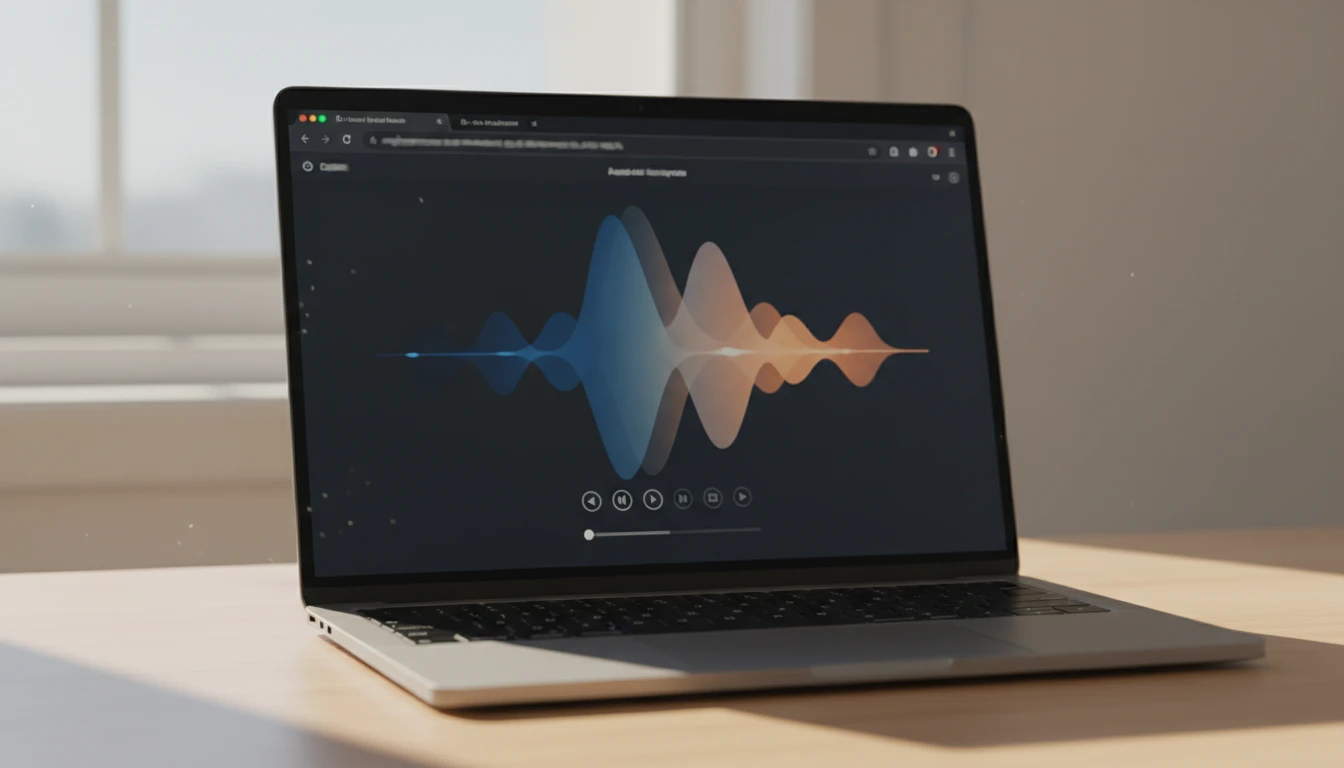
Native in Every Modern Browser, No Plugin Needed
Chrome, Firefox, Edge, Safari, and Opera all support Opus natively via the HTML5 Audio API and Web Audio API. Web applications, browser-based games, and streaming services can serve Opus audio to every major browser without any fallback format. WMA has zero native browser support. Converting to Opus removes the codec barrier for any web audio use case.
See It in ActionThree steps from WMA to modern Opus audio
Upload your WMA file
Drop any WMA file onto the tool or click to browse. Files from Windows Media Player, Zune, Windows Media Center, or any WMA-producing application are accepted.
Convert to Opus
Click "Convert". FFmpeg decodes the WMA audio stream to PCM and re-encodes it as Opus at a high bitrate, minimizing quality loss from the lossy-to-lossy conversion.
Download your Opus file
Preview the output in the browser player, then download your .opus file ready for web audio, VoIP integrations, Discord bots, streaming platforms, or any modern media pipeline.
Deep Dive
WMA vs Opus: Proprietary Legacy Codec vs IETF Internet Standard
WMA was designed for the Windows desktop in the late 1990s. Opus was designed for the internet in 2012. The two formats reflect very different engineering goals, and Opus outperforms WMA on every metric that matters for modern audio delivery.
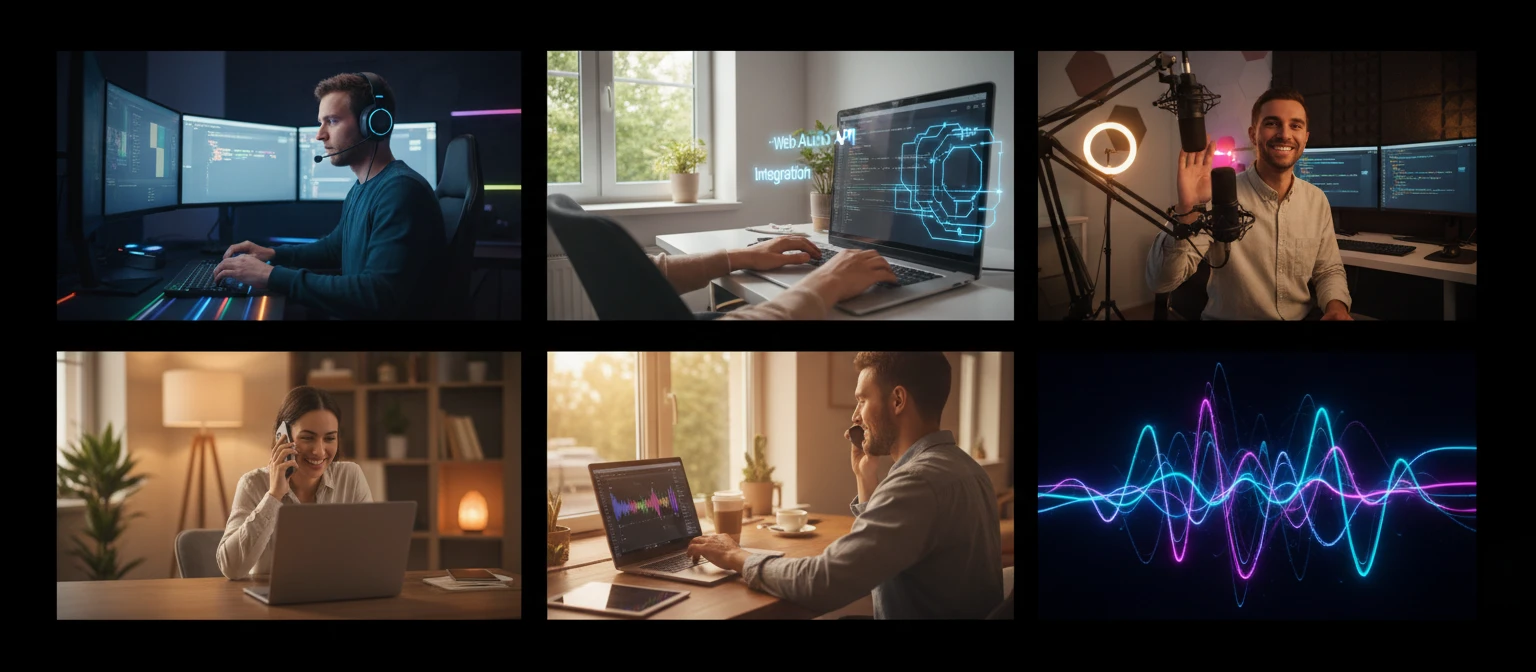
Our converter uses FFmpeg to decode WMA and re-encode as Opus, producing an IETF-standard audio file ready for any modern web or streaming pipeline.
Why Convert WMA to Opus
Native in Every Browser
Opus plays natively in Chrome, Firefox, Edge, Safari, and Opera without any plugin. WMA has zero browser support.
The Codec of Discord, YouTube, and Zoom
Opus is the mandatory codec for WebRTC and the default for every major real-time communication platform. Converting to Opus makes audio ready for the modern web stack.
Better Quality at Lower Bitrates
Opus outperforms WMA, AAC, and MP3 at equivalent bitrates in standardized listening tests — delivering more quality for less bandwidth.
Fast Conversion
Most WMA files convert to Opus in under 30 seconds on dedicated FFmpeg servers.
Who Uses It
Who Converts WMA to Opus
Web developers integrating audio into browser apps, Discord bot developers, streamers updating legacy audio libraries, game developers building web or mobile audio pipelines, and anyone migrating a WMA archive into a modern, web-compatible format.
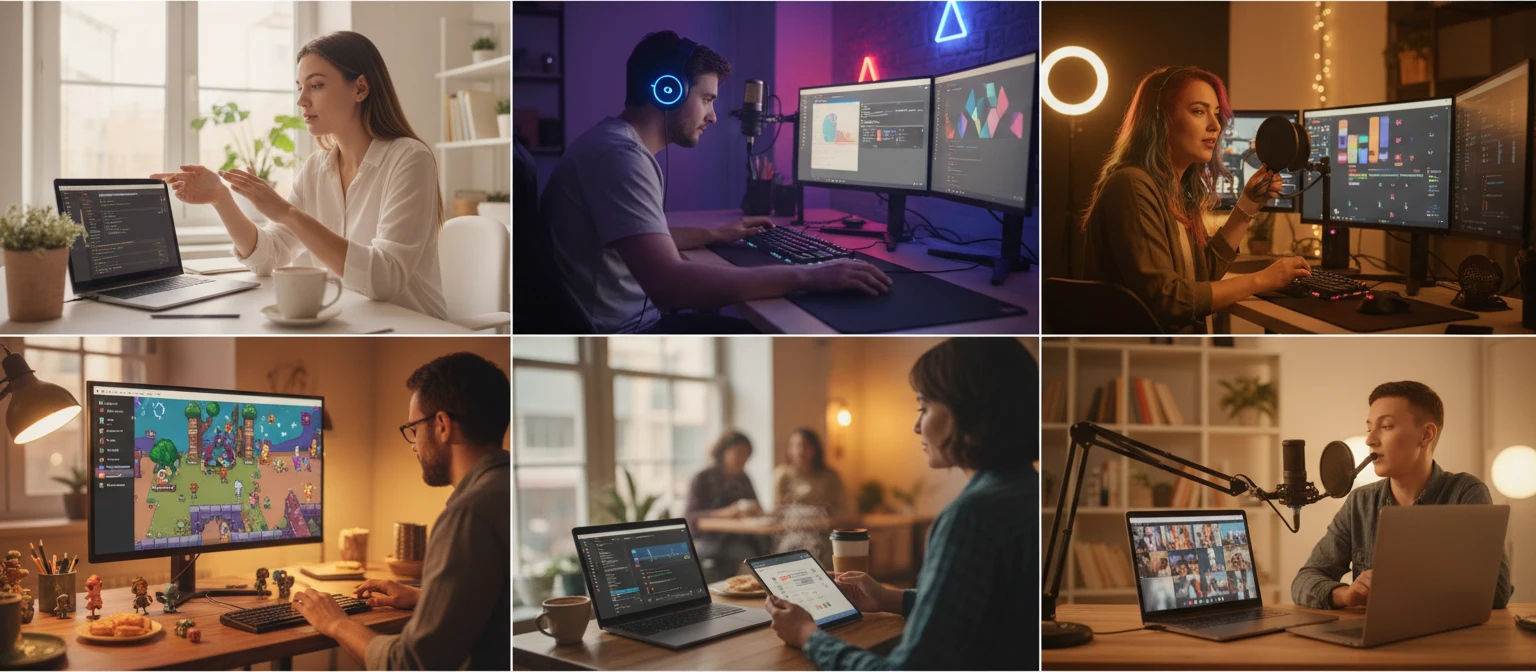
Converts using FFmpeg on dedicated servers.
Frequently Asked Questions
What makes Opus better than WMA for web audio?
WMA has no browser support — no browser can play WMA natively. Opus is supported by Chrome, Firefox, Edge, Safari, and Opera, and is the mandatory codec for WebRTC. Opus also achieves better quality at lower bitrates than WMA, meaning web apps can serve smaller Opus files that sound better than equivalent WMA files and play without any server-side transcoding at runtime.
Does Discord use Opus?
Yes. Discord uses Opus for all voice channel audio transmission. Discord bots that stream audio to voice channels send audio as Opus. Converting WMA source files to Opus ahead of time avoids the need for runtime conversion in the bot's audio pipeline and produces cleaner output since one fewer transcoding step is involved.
Does converting WMA to Opus reduce audio quality?
Yes, slightly. Both WMA and Opus are lossy codecs, so the conversion applies a second encoding pass on top of the original WMA compression. Using a high Opus output bitrate (128 kbps or above) minimizes the additional degradation to a level that is not noticeable in most listening conditions. The quality ceiling is set by the original WMA encoding.
Does Safari support Opus?
Yes, since Safari 15 (released 2021), Safari on macOS and iOS supports Opus via the HTML5 Audio API and Web Audio API. All five major browsers now support Opus natively, making it a universally safe choice for web audio delivery.
Can Opus files be used in WebRTC applications?
Yes. Opus is the mandatory audio codec in the WebRTC specification (RFC 7874). All conforming WebRTC implementations must support Opus. Applications built on WebRTC, Twilio, Agora, Jitsi, or any standards-compliant real-time communication platform can use Opus audio directly without any additional codec negotiation.
Is there a file size limit?
The upload limit is 100 MB per file. Most WMA audio files are well within this limit.
Ready to Convert Your WMA to Opus?
Upload your WMA file above and get a modern, web-ready Opus file in seconds.