Write a Well-Crafted Paragraph on Any Topic in Seconds
Describe any topic, choose your tone and length, and get a structured paragraph with a clear topic sentence, supporting detail, and a strong close.
Generate a Paragraph
AI Paragraph Generator
Describe any topic and get a well-crafted paragraph. Choose your length (short, medium, or long), tone, and target audience. Includes writing notes and two alternative opening variations.
Results
AI Paragraph Generator
AI Paragraph Generator
Paste your text on the left and click the button to see the results.
- A well-crafted paragraph on any topic
- Three length options: short (50–80), medium (100–150), long (200–250 words)
- Seven tone options: professional, conversational, formal, persuasive, friendly, inspirational, informative
- Six audience calibrations for vocabulary and complexity
- Writing notes explaining the craft decisions
- Two alternative opening variations

Every Paragraph Has a Clear Structure
A paragraph is not just sentences about the same topic thrown together — it is a unit of argument. Every generated paragraph follows the same structural logic: a topic sentence that states the main point, supporting sentences that develop it with detail, examples, or reasoning, and a closing sentence that either summarizes, transitions, or provides a memorable conclusion. This structure is what separates a paragraph that reads like writing from one that reads like notes.
Generate a Paragraph
Calibrated to Length, Tone, and Audience
A short paragraph for a social media post, a medium paragraph for a blog section, and a long paragraph for an academic paper are three fundamentally different pieces of writing. The length determines how much detail to include. The tone determines vocabulary, sentence complexity, and formality. The audience determines assumed knowledge, jargon level, and which details need explanation. Three length options, seven tones, and six audience calibrations let you generate exactly the right paragraph for the context.
Set Your Parameters
Writing Notes and Alternative Openings
Understanding why a paragraph is written a certain way helps you evaluate it and improve your own writing. Every generated paragraph includes craft notes explaining specific decisions — why a particular sentence structure was used, how sentence variety was applied, what makes the opening effective. It also includes two alternative opening sentences using different approaches — a question, a striking fact, a quote structure — so you can choose the entry point that works best for your context.
See the Craft NotesHow to Generate a Paragraph
Describe Your Topic
Enter the topic or brief for the paragraph. Be specific — include the main point you want the paragraph to make, any key details to include, and the context where the paragraph will be used.
Set Length, Tone, and Audience
Choose the length (short, medium, or long), the tone (professional, conversational, formal, persuasive, friendly, inspirational, or informative), and the target audience for vocabulary and complexity calibration.
Get the Paragraph
Receive the generated paragraph, writing notes explaining the craft decisions, and two alternative opening variations. Review, edit for accuracy, and use.
Who Uses It
Bloggers and Content Writers
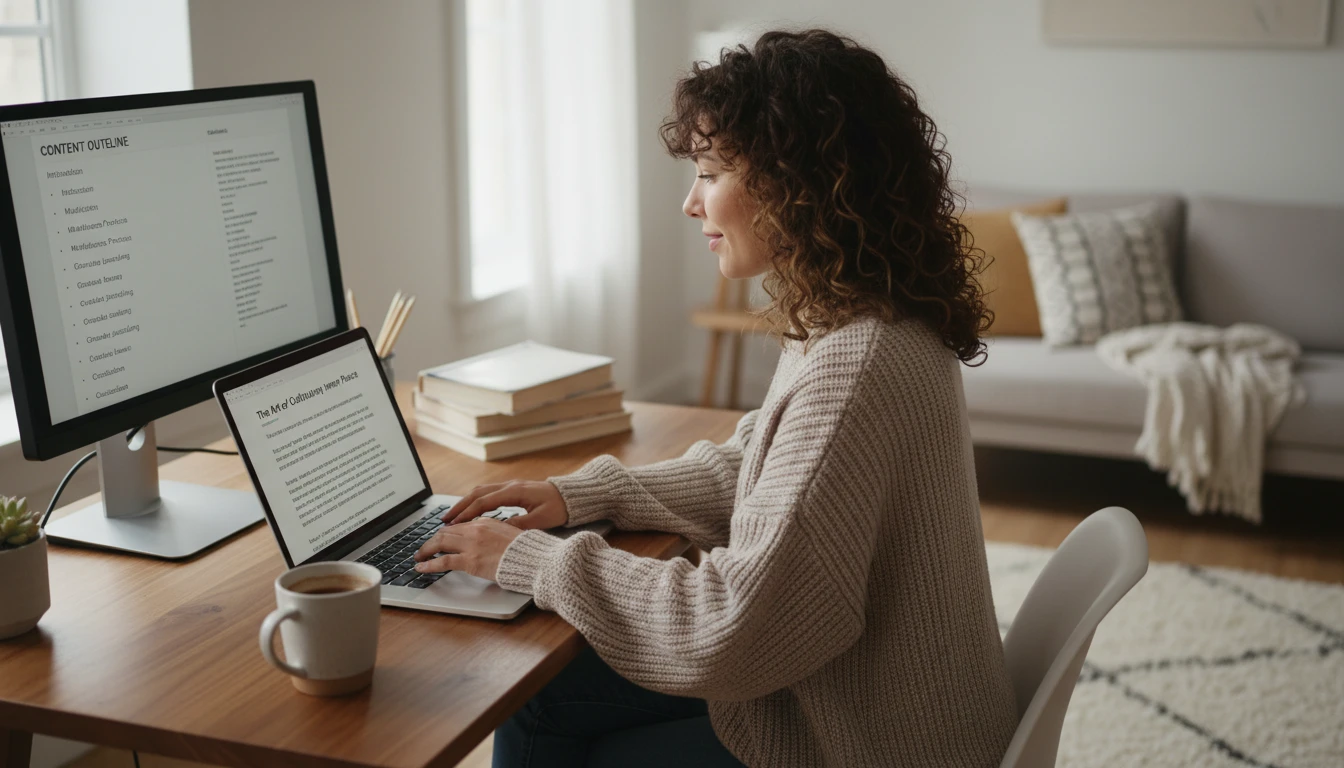
Generate body paragraphs for blog posts, articles, and web pages. Use the medium or long length for body content, the short length for intro or transition paragraphs. Set the tone to match the publication and use the alternative opening variations to choose the most engaging entry point.

Students and Academic Writers
Generate well-structured paragraphs to understand how to develop an argument — topic sentence, support, close. Use the formal/academic tone with the long length for essay body paragraphs. Use the output as a structural reference, then rewrite in your own words to maintain academic integrity.

Business and Marketing Professionals
Generate paragraphs for proposals, reports, pitches, and marketing copy. Use the persuasive tone for sales and marketing content, the professional tone for reports and proposals, and the authoritative tone for thought leadership articles. The executive audience calibration produces concise, outcome-focused paragraphs suited for leadership communications.
Non-Native English Writers
Generate paragraphs in natural, fluent English on any topic you understand in your own language. Use the conversational or professional tone with the non-native English speakers audience calibration to get clear, natural English without complex idioms or obscure vocabulary. Use the generated paragraph as a model for how to express the same idea in your own words.
Deep Dive
What Makes a Good Paragraph
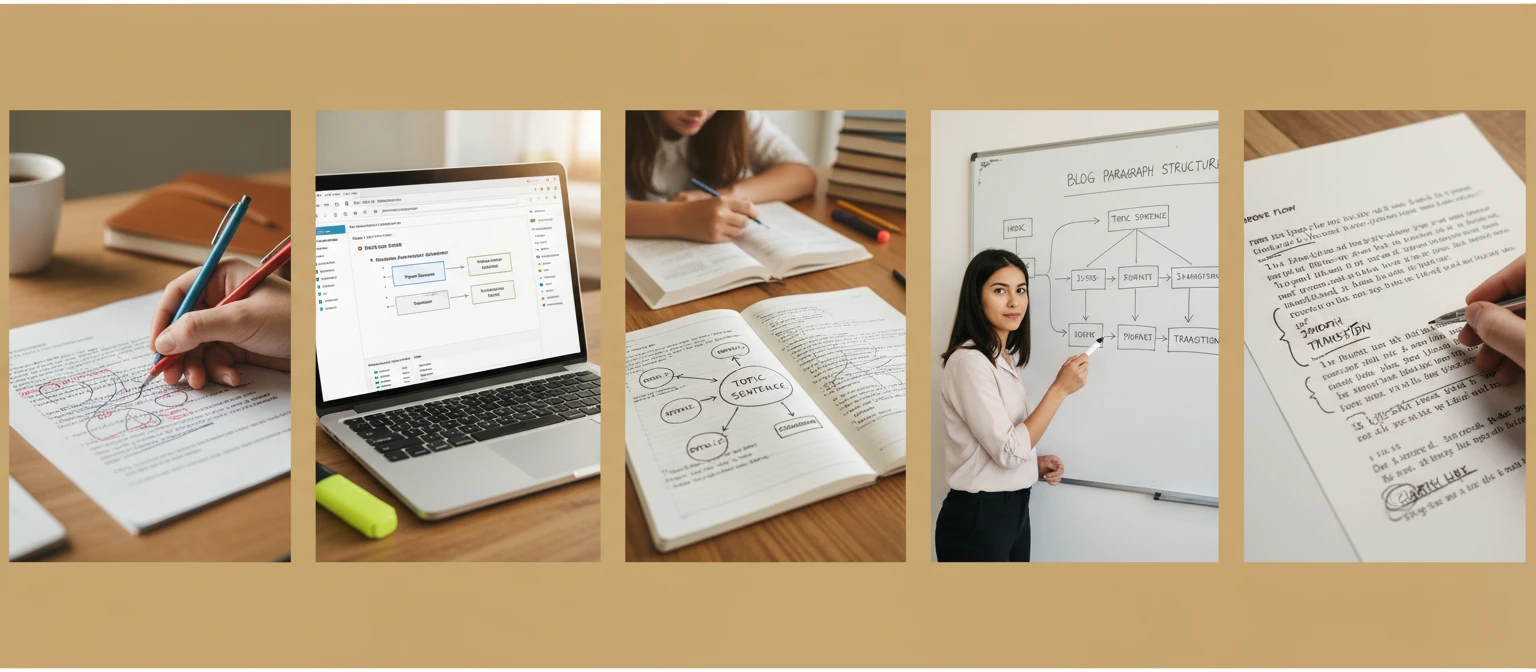
A paragraph is the fundamental unit of written argument. Understanding its structure helps you evaluate AI-generated output and improve your own writing.
Note: AI-generated paragraphs are a strong starting point. Always review for factual accuracy and edit to match your specific voice and context before publishing.
Why Use It
Structured and Purposeful
Every paragraph has a clear topic sentence, supporting development, and a purposeful close — not just sentences about the same topic.
Precise Length Control
Short (50–80 words), medium (100–150), or long (200–250) — the generated paragraph stays within the target range.
Seven Tones, Six Audiences
Precise calibration for vocabulary, formality, and sentence complexity — from formal academic to friendly conversational to persuasive marketing.
Writing Notes Included
Craft notes explain the specific decisions made in the paragraph — useful for understanding good writing and evaluating the output.
Frequently Asked Questions
How long is each paragraph?
Short paragraphs are 50–80 words (one focused idea), medium paragraphs are 100–150 words (idea with supporting detail), and long paragraphs are 200–250 words (idea with multiple supports and a closing wrap-up). The generated paragraph stays within the selected word count range.
What is the difference between this and the Paragraph Rewriter?
The Paragraph Generator creates a new paragraph from scratch based on a topic description. The Paragraph Rewriter takes an existing paragraph and improves it — polishing word choices, simplifying, expanding, condensing, rephrasing, or converting to active voice — while preserving the original meaning.
Can I generate multiple paragraphs for an article?
Yes. Generate each paragraph separately with its specific topic or point — the tool is optimized for single paragraphs. Each generation produces one focused, well-structured paragraph. For a full article, plan your paragraph sequence first (one main point per paragraph) and generate each one individually.
How specific should my topic description be?
The more specific, the better. "The benefits of exercise" will produce a generic paragraph. "The cognitive benefits of aerobic exercise for adults over 50, particularly for memory and executive function" will produce a focused, specific paragraph. Include the main point you want the paragraph to make, any key facts or details to include, and the context where it will appear.
Can I use the generated paragraph as-is?
For most content writing purposes, yes — with a review for accuracy. The tool generates factually plausible content but does not cite verified sources. For academic writing, use the output as a structural reference and rewrite in your own words. For content that includes specific statistics or claims, verify the facts before publishing.
Generate Your First Paragraph Instantly
Sign up free and get 100 credits instantly. Describe any topic and get a well-crafted, structured paragraph in seconds.
Disclaimer: This tool uses generative AI technology which may produce content that resembles copyrighted materials or that is inaccurate, incomplete, or out-of-date. It is provided for general information and educational purposes only and is not intended for illegal activities or to replace professional advice, diagnosis, or treatment. Users are solely responsible for how they use the generated content. If you plan to use AI-generated content commercially or publicly, we strongly recommend reviewing it for potential copyright issues and obtaining proper permissions where necessary. We accept no liability for copyright infringement or any other consequences resulting from the use of content generated by this tool.