Generate Any Character from a Text Description
Describe your character and AI renders them in seconds. Choose from fantasy RPG, anime, chibi, sci-fi, comic book, pixel art, and more styles.
Generate a Character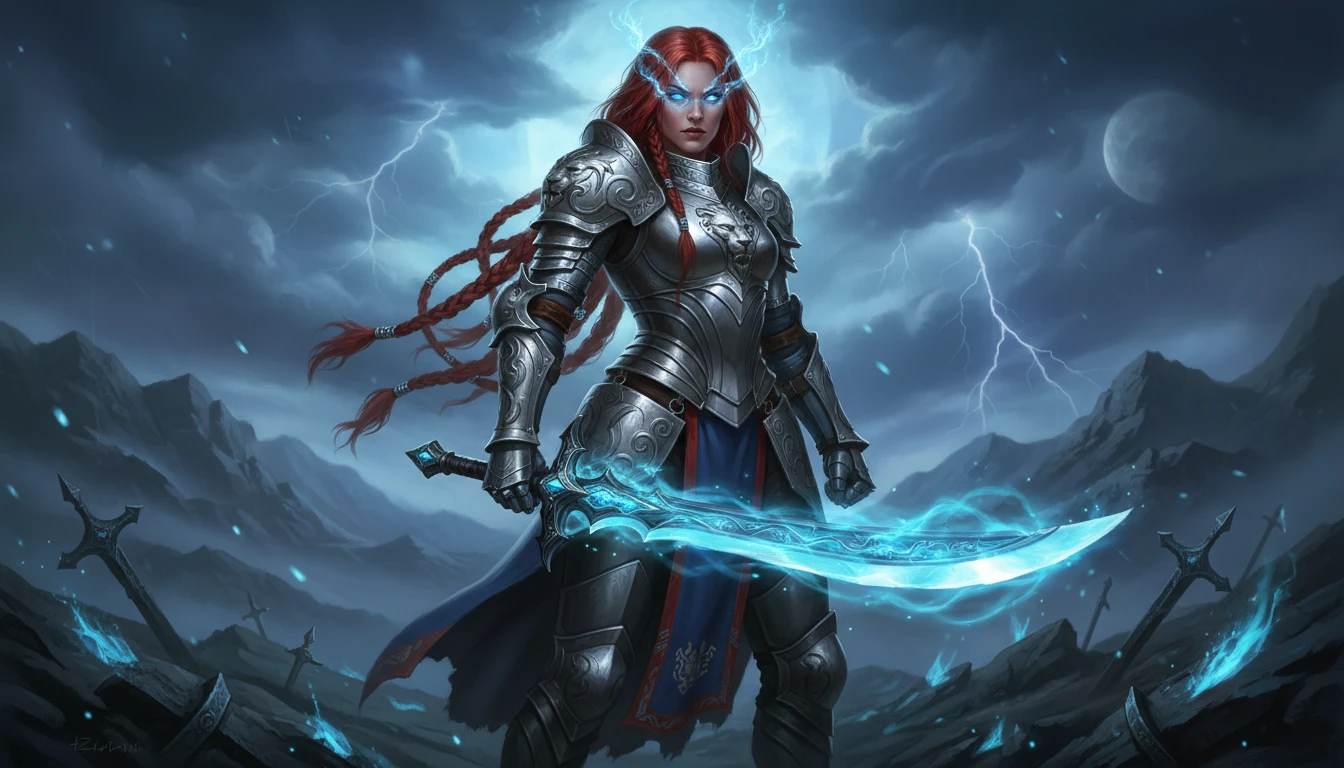
Describe Your Character
Say who your character is, pick a style, then open it in AI Image Studio to generate.
Runs inside the AI Image Studio — generate and edit in one place.
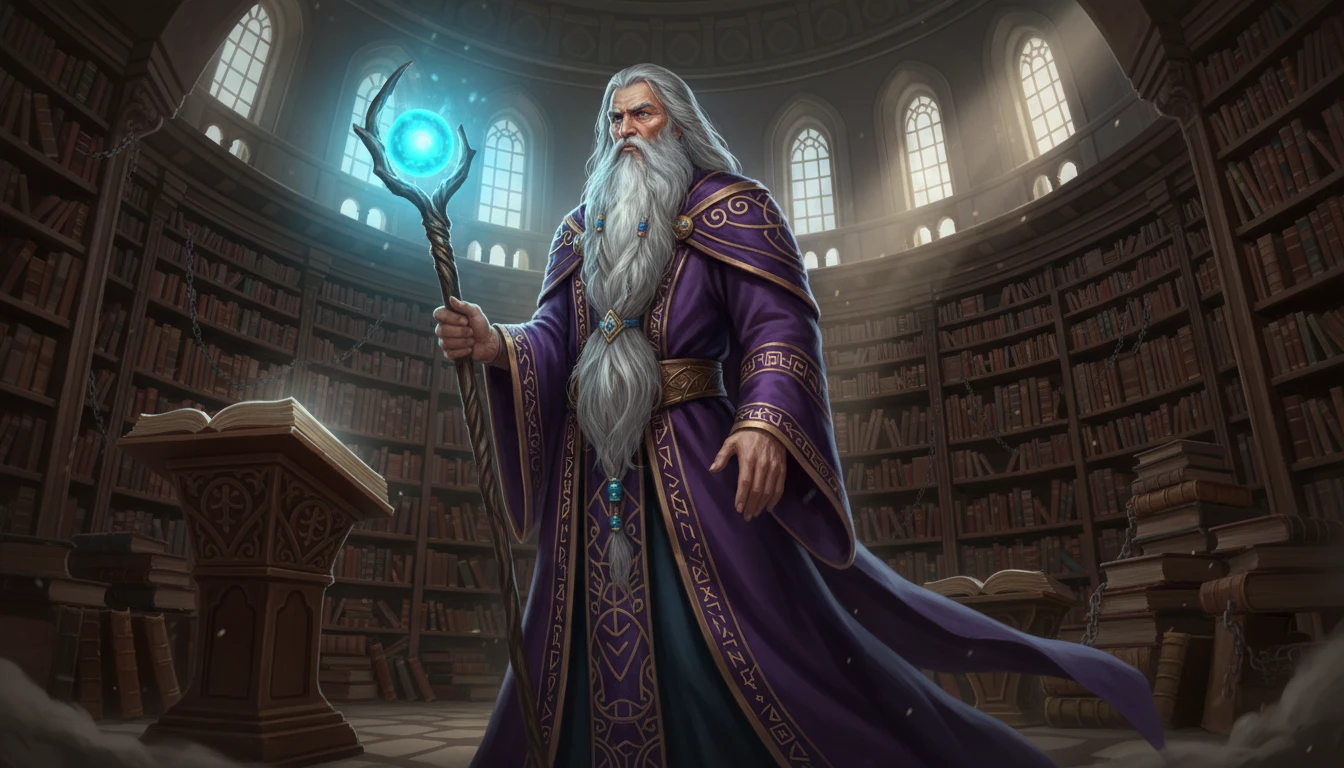
Fantasy RPG and Adventure Characters
Create detailed warriors, mages, rogues, rangers, and monsters for games, tabletop RPGs, and fantasy stories. Describe their class, gear, personality, and the AI handles the rest.
Generate a Fantasy Character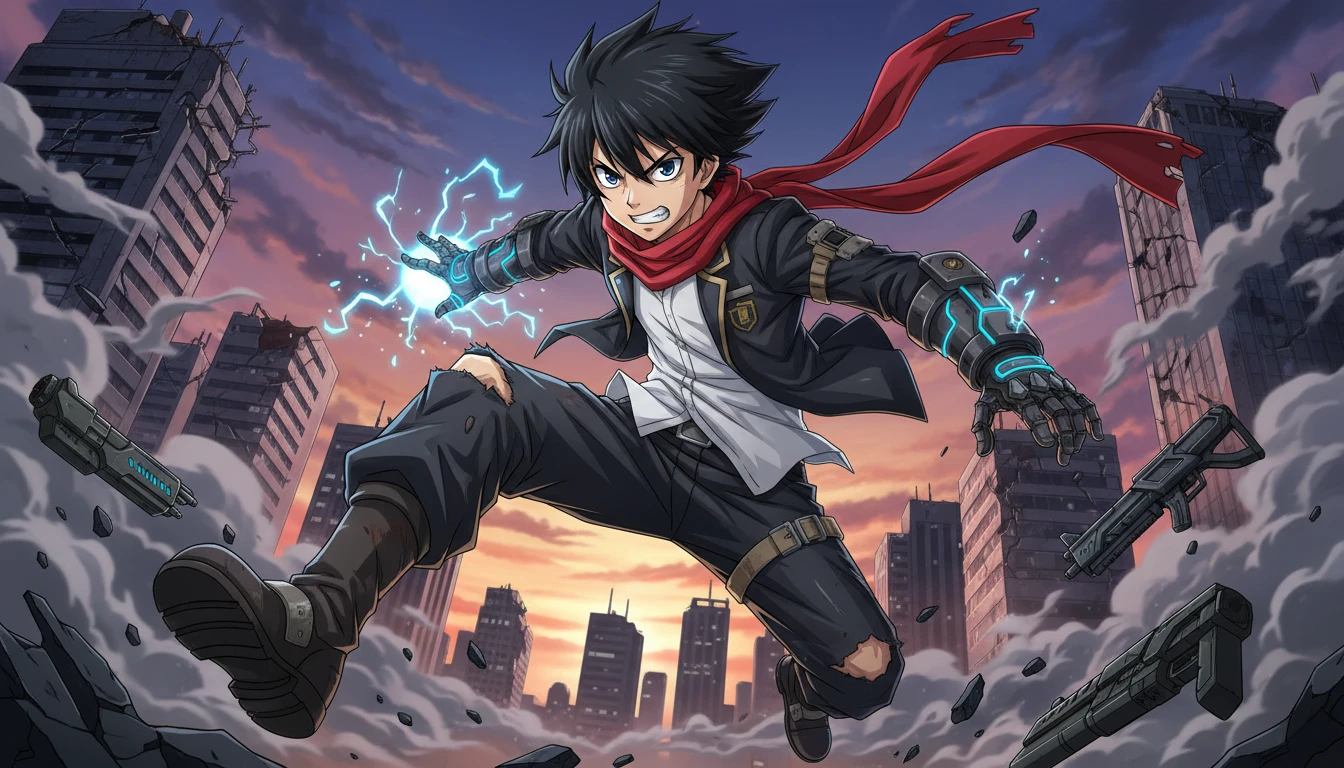
Anime and Manga Characters
Design expressive anime protagonists, antagonists, and side characters for comics, manga, webtoons, and fan projects. Dynamic poses, vibrant colors, and bold line art.
Try Anime Style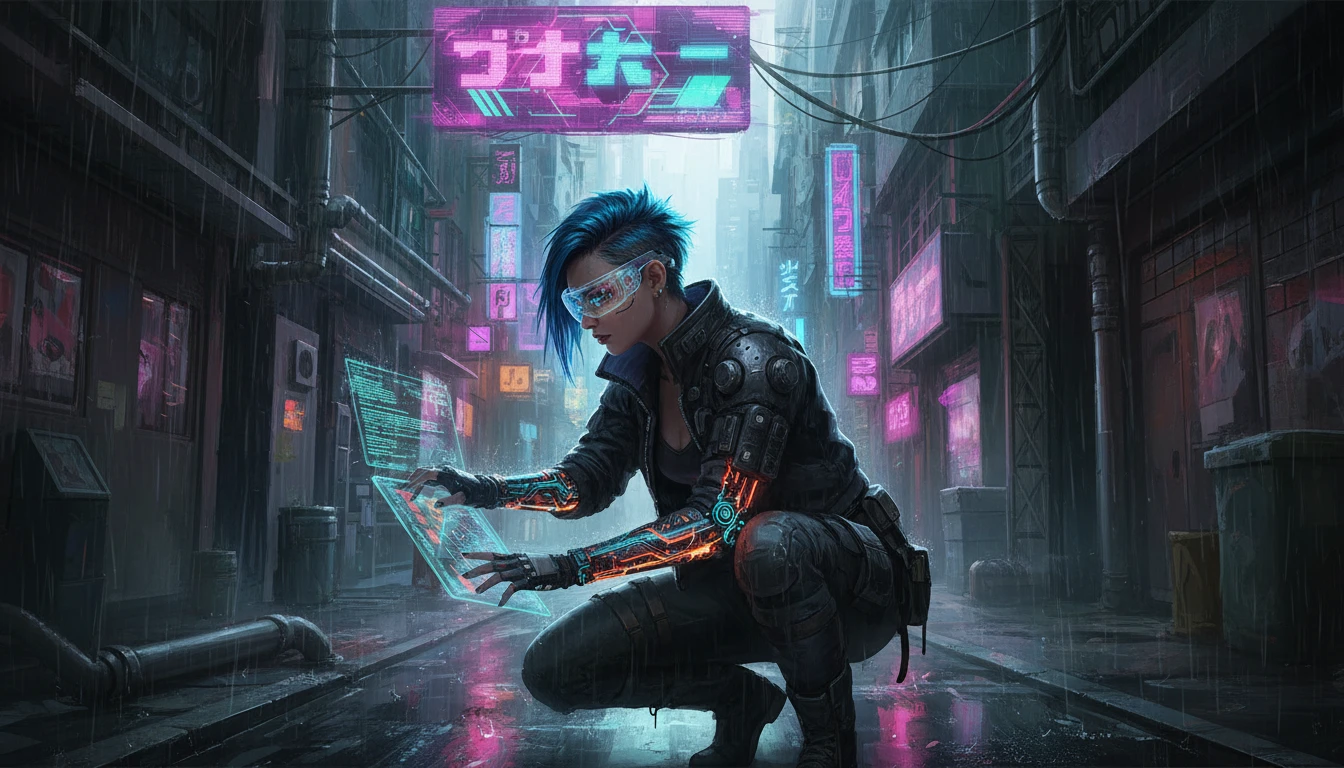
Sci-Fi and Cyberpunk Characters
Generate futuristic soldiers, hackers, androids, and alien species for sci-fi games, stories, and concept art projects. Neon lighting, high-tech armor, and dystopian energy.
Try Sci-Fi Style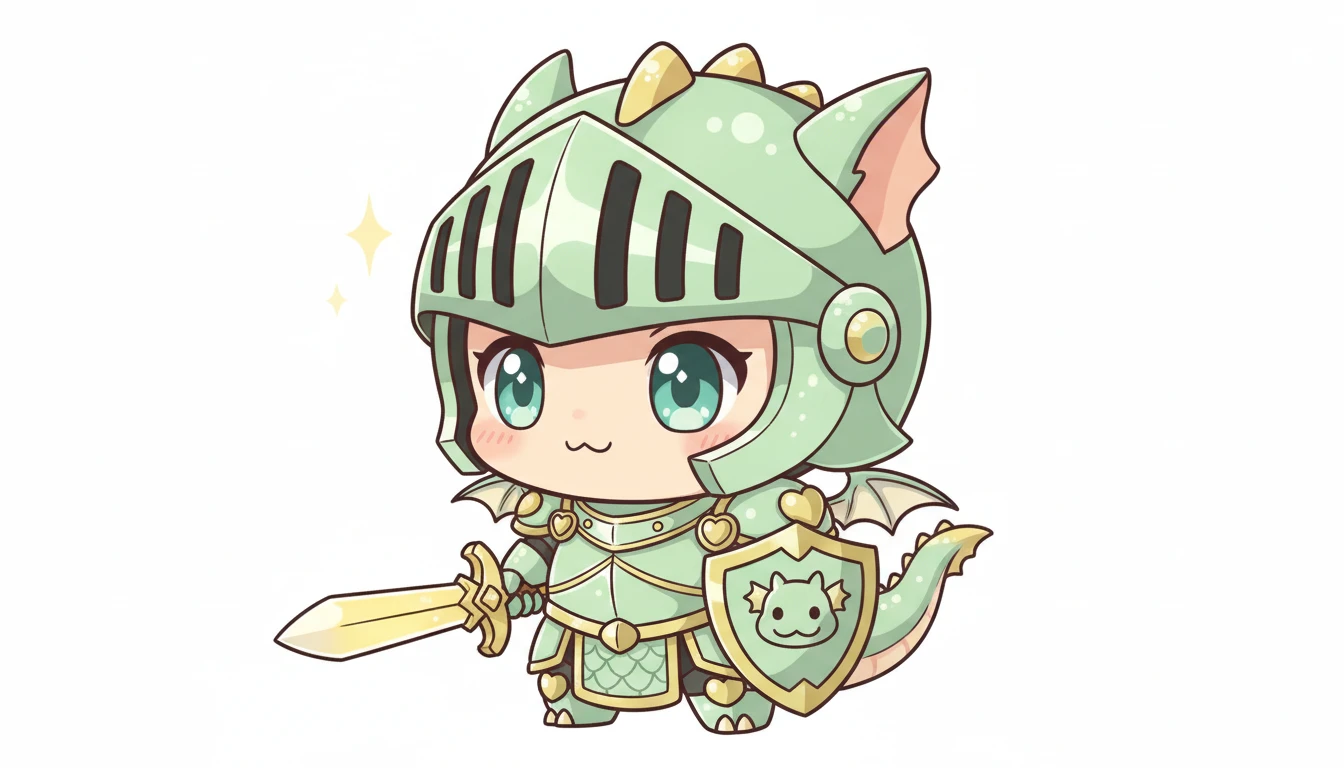
Chibi and Kawaii Characters
Create adorable chibi versions of any character type. Perfect for sticker packs, merchandise, game avatars, and casual creative projects. Cute proportions and vibrant pastel colors.
Try Chibi StyleWho Uses AI Character Generator
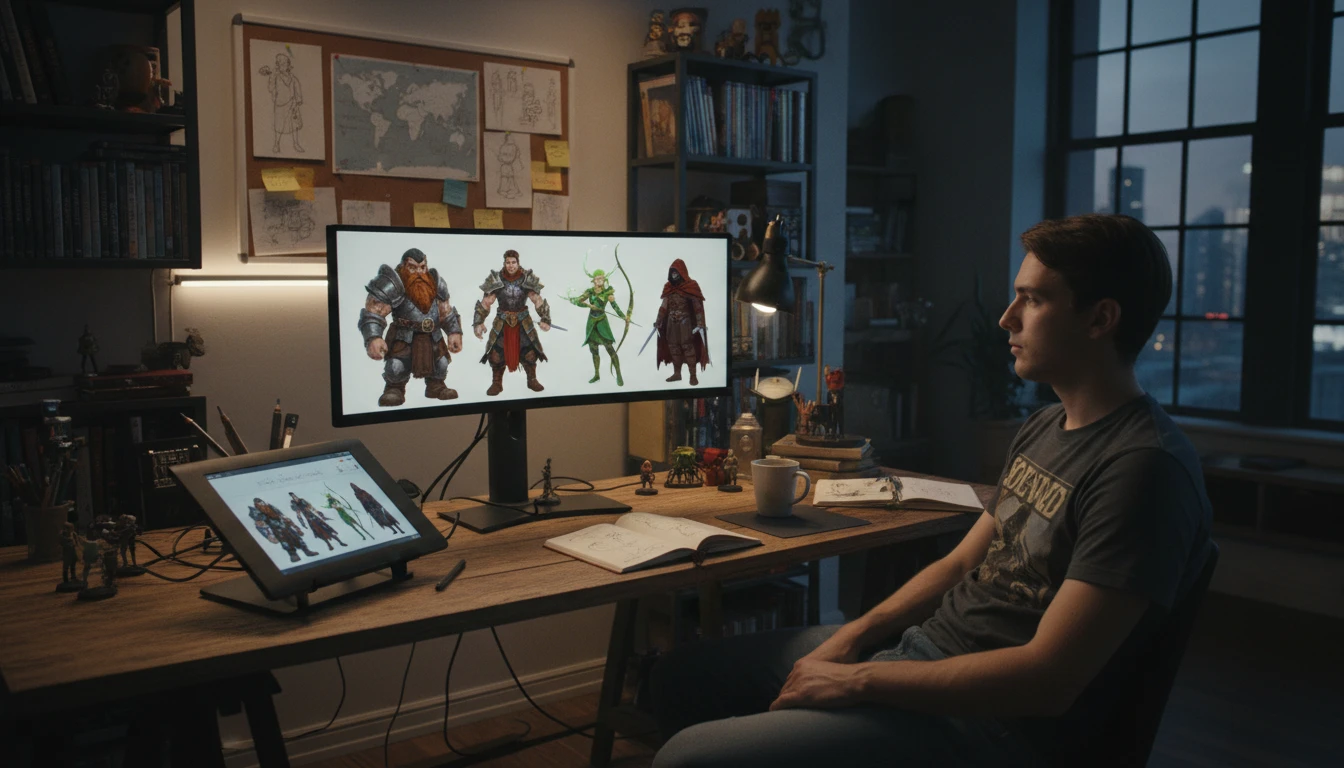
Game Developers and Indie Studios
Generate hero characters, NPCs, enemies, and bosses for video games and tabletop RPGs. Prototype a full character roster quickly before committing to final art production.
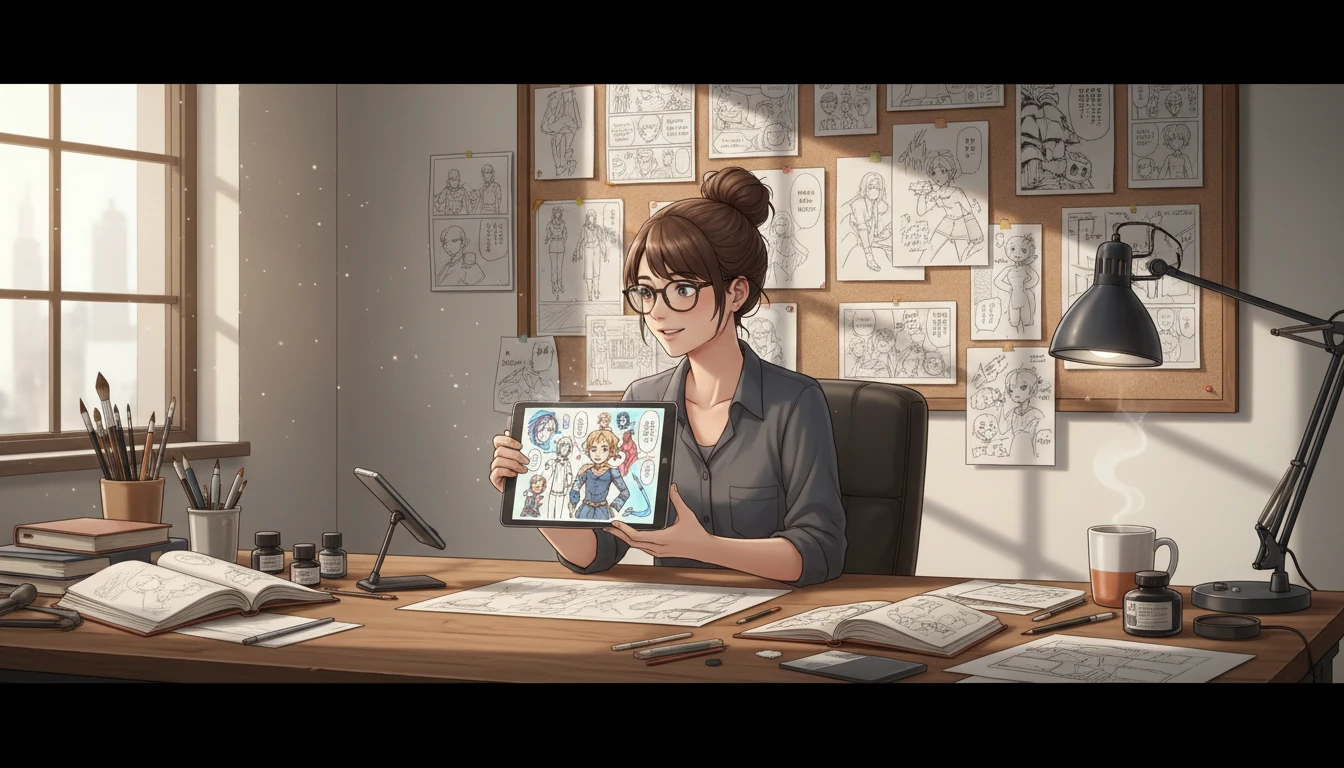
Comic Artists and Manga Creators
Design and explore character looks for comics, manga, and webtoons without needing to sketch every variation. Use AI to test different visual directions quickly.
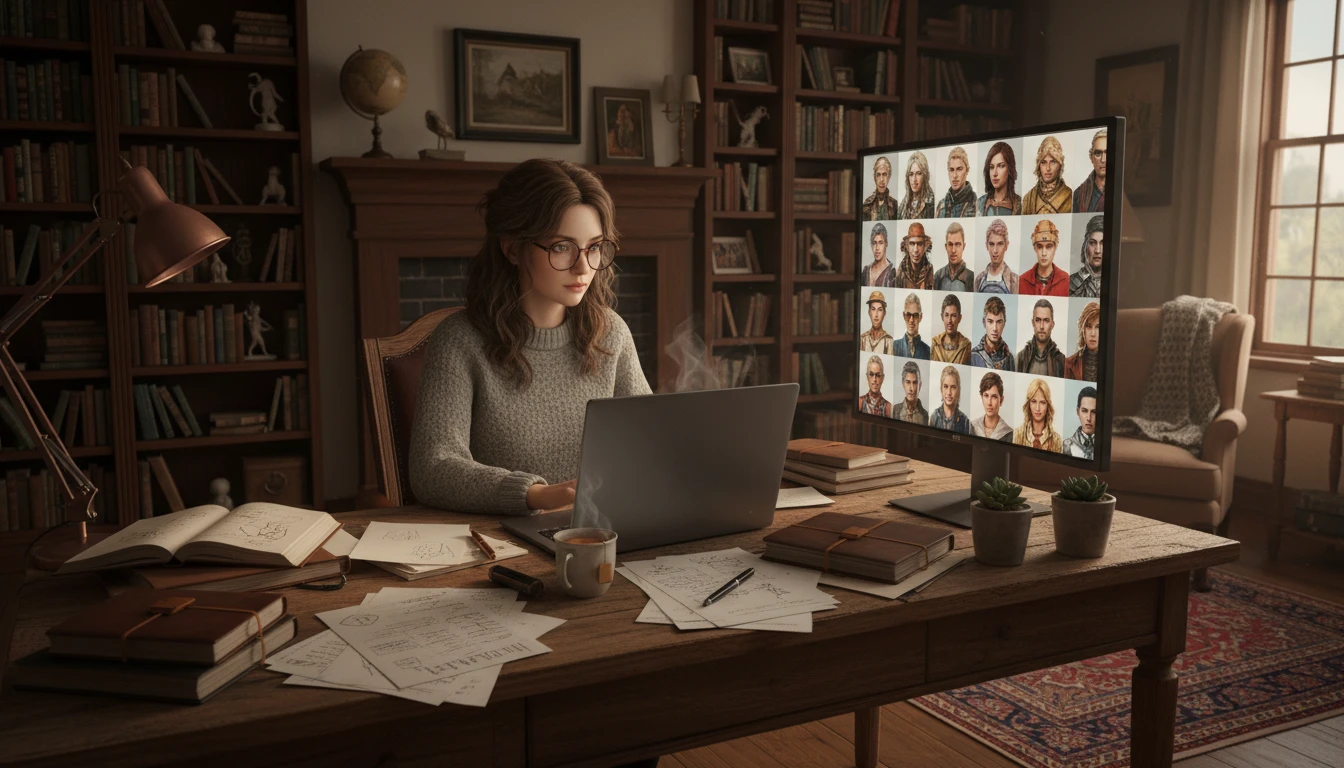
Writers and Worldbuilders
Visualize the characters from your novels, screenplays, and short stories. Create character reference sheets to keep appearance details consistent across your entire cast.
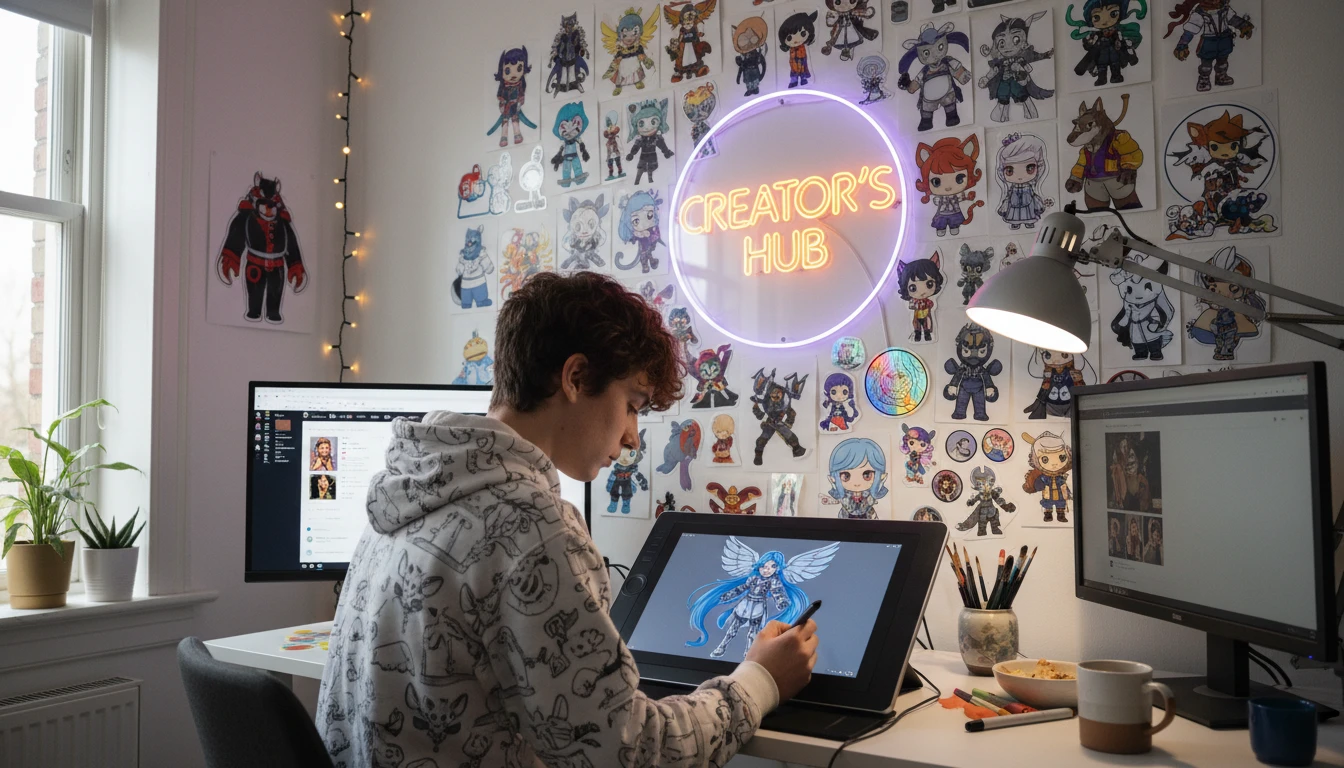
Creators and Merchandise Designers
Design original characters and mascots for sticker packs, prints, apparel, and digital collectibles. Generate unique personas and avatars for brands and content channels.
How to Generate AI Characters
From description to character art in four simple steps
Describe Your Character
Write a prompt detailing your character: their role (warrior, mage, hacker), appearance (hair, armor, clothing), personality, and any specific details. The more specific, the better.
Choose an Art Style
Select from Fantasy RPG, Anime, Chibi, Comic Book, Sci-Fi, Realistic, Cartoon, Pixel Art, Watercolor, or Dark Fantasy to set the visual tone of your character.
Set the Aspect Ratio
Use portrait (2:3 or 9:16) for full-body character art, square for profile icons, and landscape for character-in-scene compositions.
Generate and Download
Click Generate and your character is ready in seconds. Download in high resolution for use in games, comics, books, merchandise, or as a reference for further illustration.
Explore More
More AI Studio Tools
Discover other powerful AI tools to enhance your creative workflow
AI Clipart Generator
Generate high-quality clipart from text descriptions in flat design, cartoon, sticker, hand-drawn, and more styles
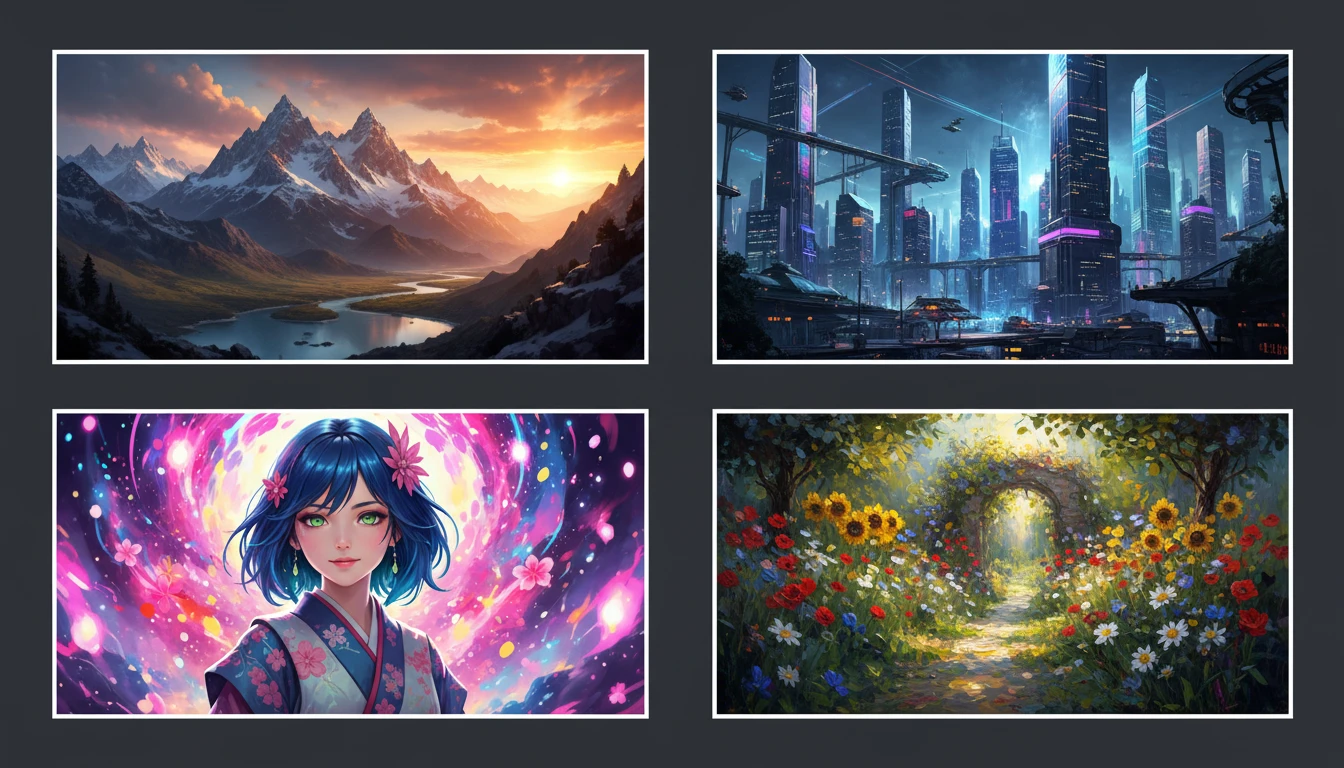
AI Text to Image
Describe any scene, character, or concept and AI generates a high-quality image in seconds. Choose from 10 artistic styles including photorealistic, cinematic, anime, oil painting, watercolor, and more, plus full aspect ratio control. Supports detailed prompt inputs and optional reference image uploads to guide the composition or style.
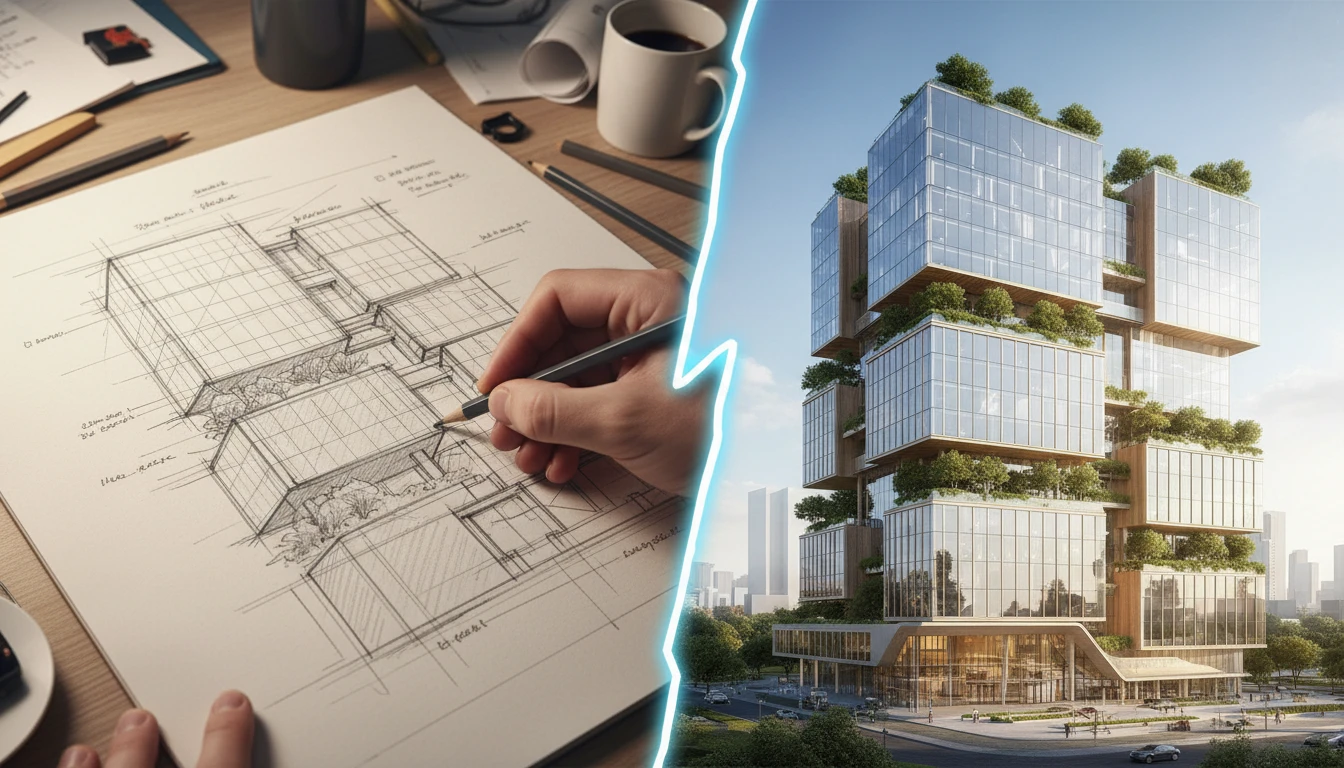
AI Sketch to Image
Upload any hand-drawn sketch, pencil drawing, blueprint, or concept line art and AI converts it into a detailed, fully rendered image. The model interprets the outline structure and fills it with colors, textures, lighting, and lifelike detail. Works for character concepts, architectural sketches, product designs, storyboards, and more.
AI Image to Cartoon
Transform any photo into cartoon artwork in 18 styles including Anime, Pixar, Disney, Ghibli, and more
Opens in
Image Studio
Frequently Asked Questions
Everything you need to know to get started.
What is AI Character Generator?
AI Character Generator creates original character artwork from text descriptions. Describe any character and choose an art style (fantasy RPG, anime, chibi, sci-fi, comic book, and more). AI generates the image in seconds.
What art styles are available?
You can choose from Fantasy RPG, Anime, Chibi, Comic Book, Sci-Fi / Cyberpunk, Realistic, Cartoon, Pixel Art, Watercolor, and Dark Fantasy. Each style applies a distinct visual treatment to your character description.
What aspect ratio should I use for character art?
Portrait ratios (2:3 or 9:16) work best for full-body character portraits. Use square (1:1) for profile icons and avatars. Use landscape for characters placed within a scene or environment.
How do I write a good character prompt?
Layer three elements: the archetype ("a fierce female warrior"), specific appearance details ("silver armor, glowing blue eyes, long braided red hair"), and any pose or framing ("full body portrait, dynamic action pose"). The more specific, the better the result.
Can I generate multiple characters with a consistent style?
Yes. Keep the same art style selected across generations, and include consistent descriptive language in each prompt (same color palette, design language, and setting details) to maintain visual coherence across a character roster.
Can I use the generated characters commercially?
Yes. You retain the rights to images you generate on RauGen and can use them for personal and commercial purposes including games, comics, merchandise, presentations, and marketing materials.
Start Generating Characters Today
Describe any character and AI brings them to life as stunning artwork in seconds.
Generate Your First CharacterDisclaimer: This tool uses generative AI technology which may produce content that resembles copyrighted materials or that is inaccurate, incomplete, or out-of-date. It is provided for general information and educational purposes only and is not intended for illegal activities or to replace professional advice, diagnosis, or treatment. Users are solely responsible for how they use the generated content. If you plan to use AI-generated content commercially or publicly, we strongly recommend reviewing it for potential copyright issues and obtaining proper permissions where necessary. We accept no liability for copyright infringement or any other consequences resulting from the use of content generated by this tool.