Identify Any Pokemon and Get Its Complete Pokedex Profile
Upload any Pokemon image and get types, battle matchups, base stats, abilities, evolution chain, competitive tier, and Pokedex lore, for all generations and forms.
Identify a Pokemon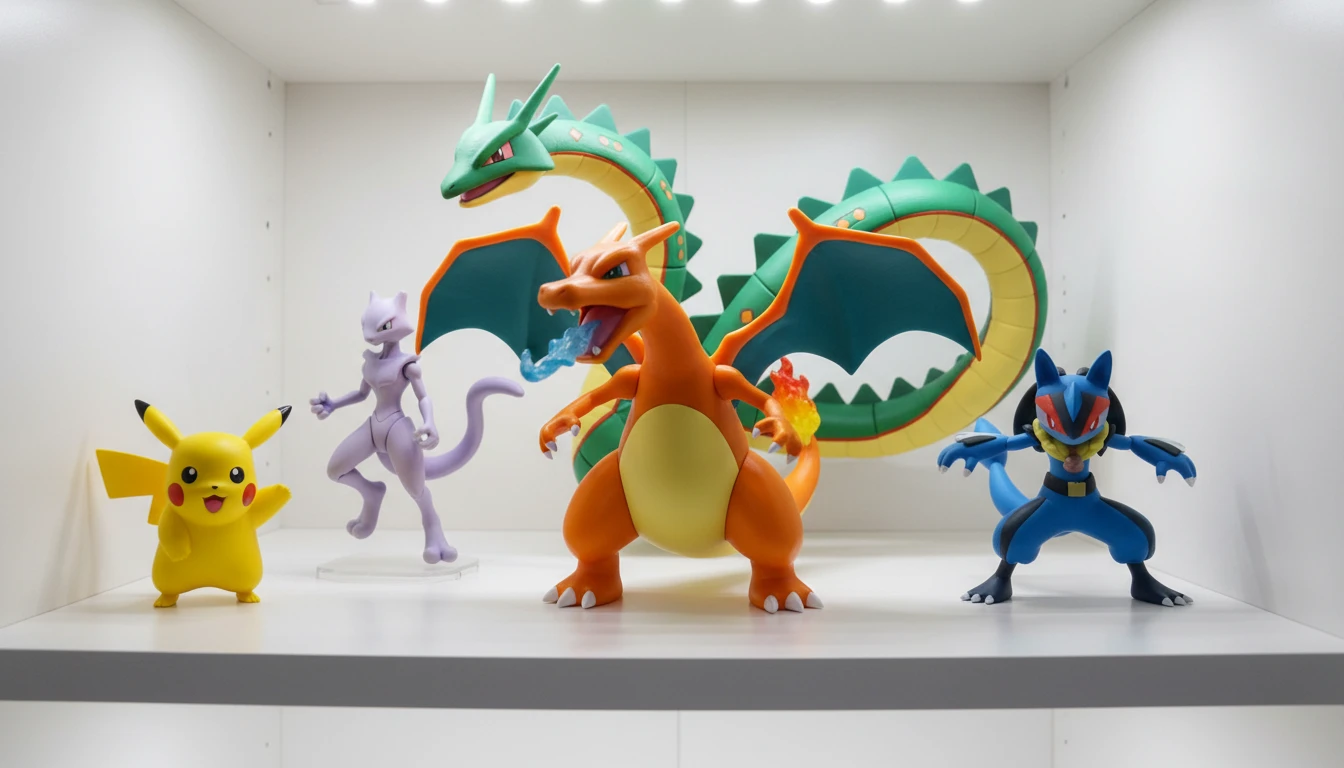
AI Pokemon Identifier
Upload any Pokemon image and instantly identify the species. Get a complete Pokedex profile: types and battle matchups, base stats, abilities, evolution chain, competitive overview, lore, and fun facts. Works for all generations, forms, and variants.
Upload a Pokemon image
Works for Pokemon from any game, anime, card art, or screenshot. Official artwork, in-game sprites, and anime-style images all work well. A clear image showing the full Pokemon gives the best identification.
or drag and drop an image here
Results
AI Pokemon Identifier
AI Pokemon Identifier
Upload a photo on the left and click analyse to see the results.
- Pokemon name, Pokedex number, type(s), and confidence rating
- Physical characteristics: height, weight, coloration, and distinctive features
- Type matchups: strengths, weaknesses, immunities, and resistances
- Base stats (HP, Attack, Defense, Sp. Atk, Sp. Def, Speed) and BST total
- Abilities, evolution chain, and learnset highlights
- Competitive tier, role, common sets, and Pokedex lore
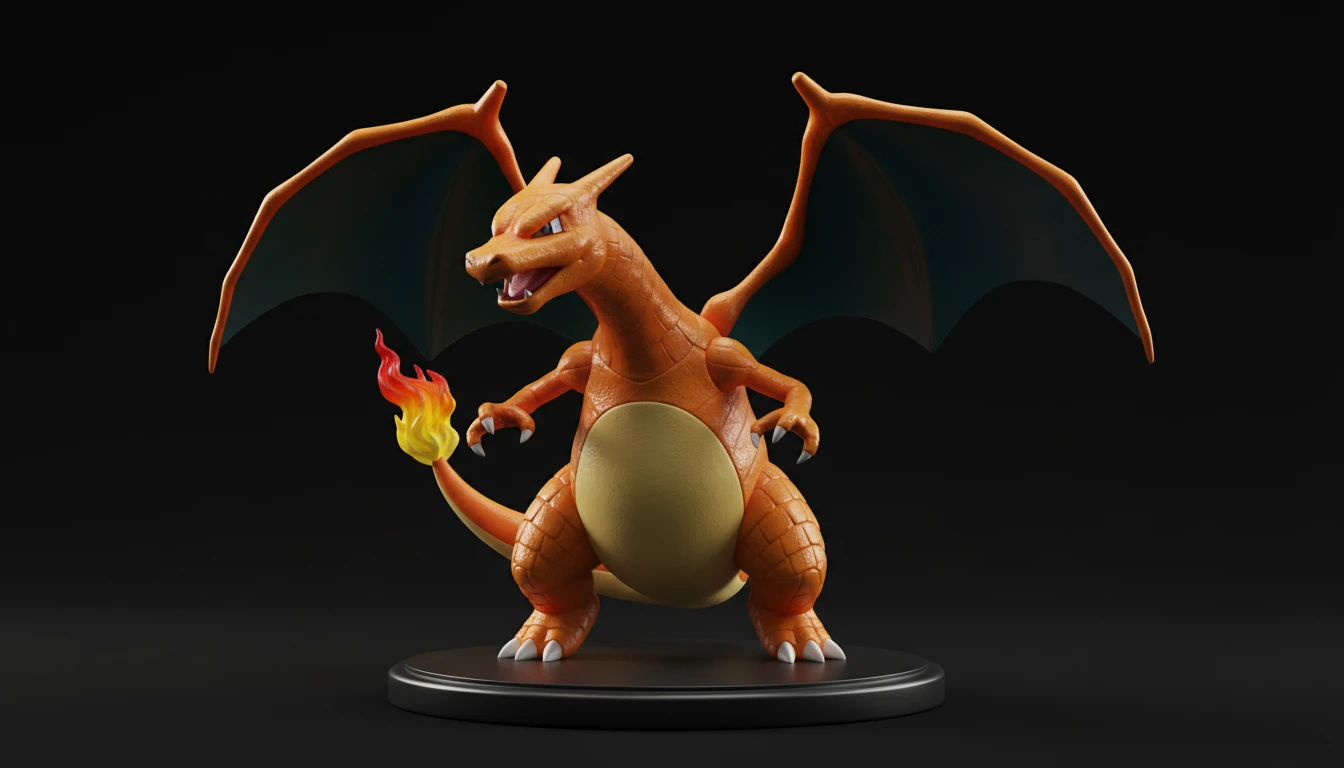
Identify Any Pokemon from Any Generation, Form, or Art Style
Upload any image of a Pokemon and the AI identifies the species across all nine generations and over 1,000 species, including regional variants (Alolan, Galarian, Hisuian, Paldean), alternate forms (Origin Forme, Sky Forme, Complete Forme), Mega Evolutions, Gigantamax forms, Paradox Pokemon, and Baby Pokemon. Works with official game sprites, anime-style art, card illustrations, figurine photographs, fan art, and in-game screenshots. Every result includes a confidence rating with a note on the specific visible features used.
Identify a Pokemon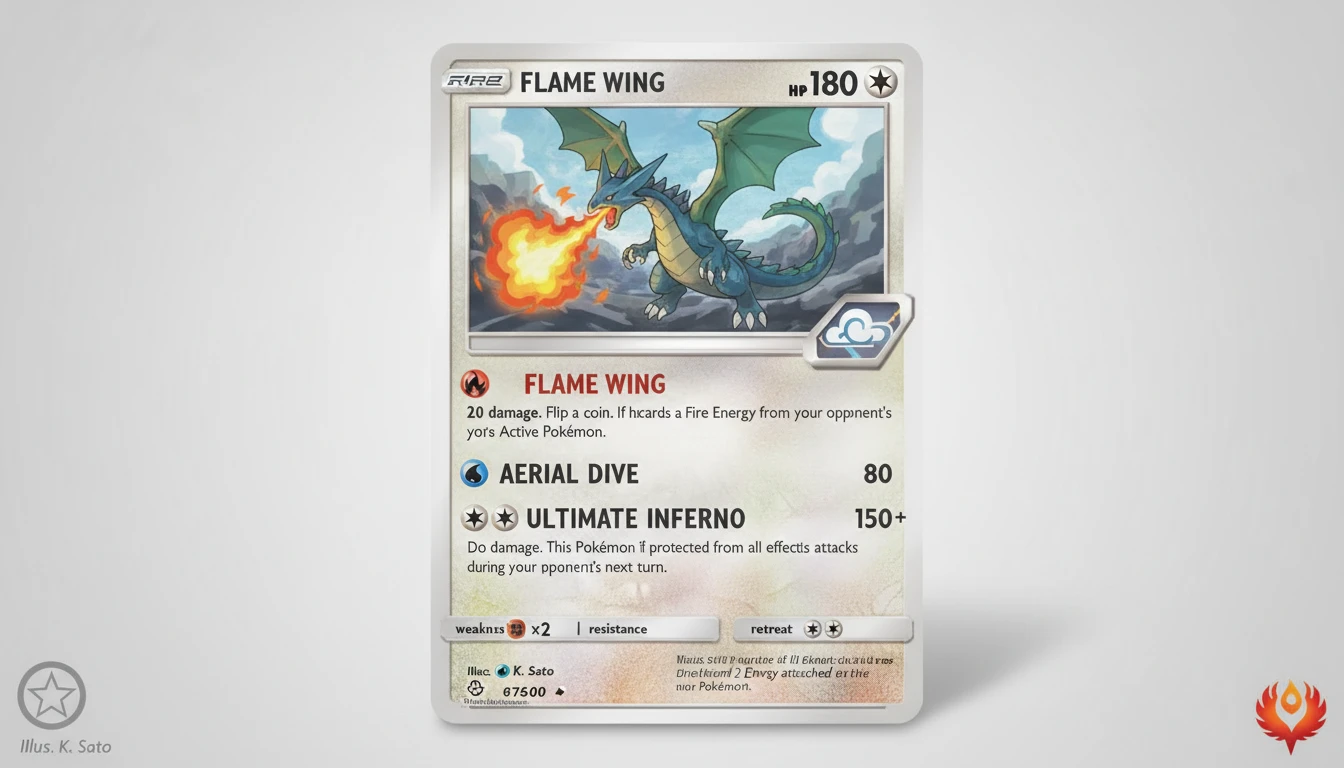
Complete Stats, Types, Abilities, and Battle Matchups
Every result includes all six base stats (HP, Attack, Defense, Special Attack, Special Defense, Speed) with the total Base Stat Total and an assessment of the stat distribution profile. The type section covers all type matchups: super effective targets, weaknesses, immunities, and resistances. The abilities section covers all standard and hidden abilities with clear explanations of what each does in battle and a recommendation for which is most useful.
See Stats and Types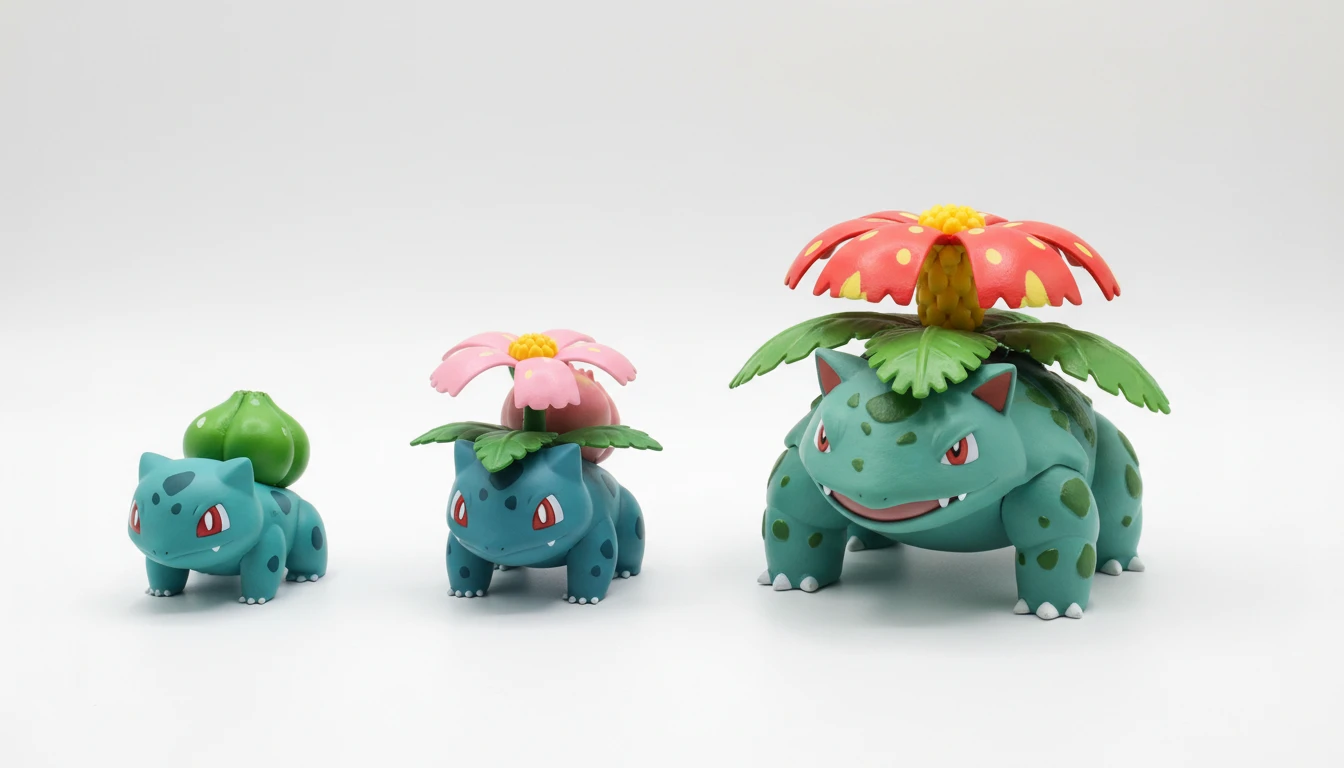
Evolution Chain, Competitive Tier, and Pokedex Lore
Every result includes the complete evolution chain with the specific trigger for each evolution stage (level, item, friendship, trade, or special condition), learnset highlights covering signature moves and key TM moves, and a competitive overview covering the Smogon tier, standard competitive role, common battle sets, ideal partners, and reliable counters. The Pokedex lore section covers the Pokemon's natural habitat, diet, characteristic behaviours, a notable Pokedex entry, and the real-world animal, myth, or concept it is inspired by.
See Evolution and LoreHow to Identify a Pokemon with AI
Upload Any Pokemon Image
Upload any image of a Pokemon: official game art, anime screenshots, card illustrations, figurine photos, or fan art. Any clear image showing the full Pokemon gives the best identification result.
AI Identifies the Species
The AI analyses the visible physical features, colour pattern, body type, and distinctive design elements to identify the Pokemon and any specific form or variant with a confidence rating.
Get the Complete Pokedex Profile
Receive the full profile: identification, physical characteristics, type matchups, base stats, abilities, evolution chain, learnset, competitive overview, Pokedex lore, and fun facts.
Who Uses It
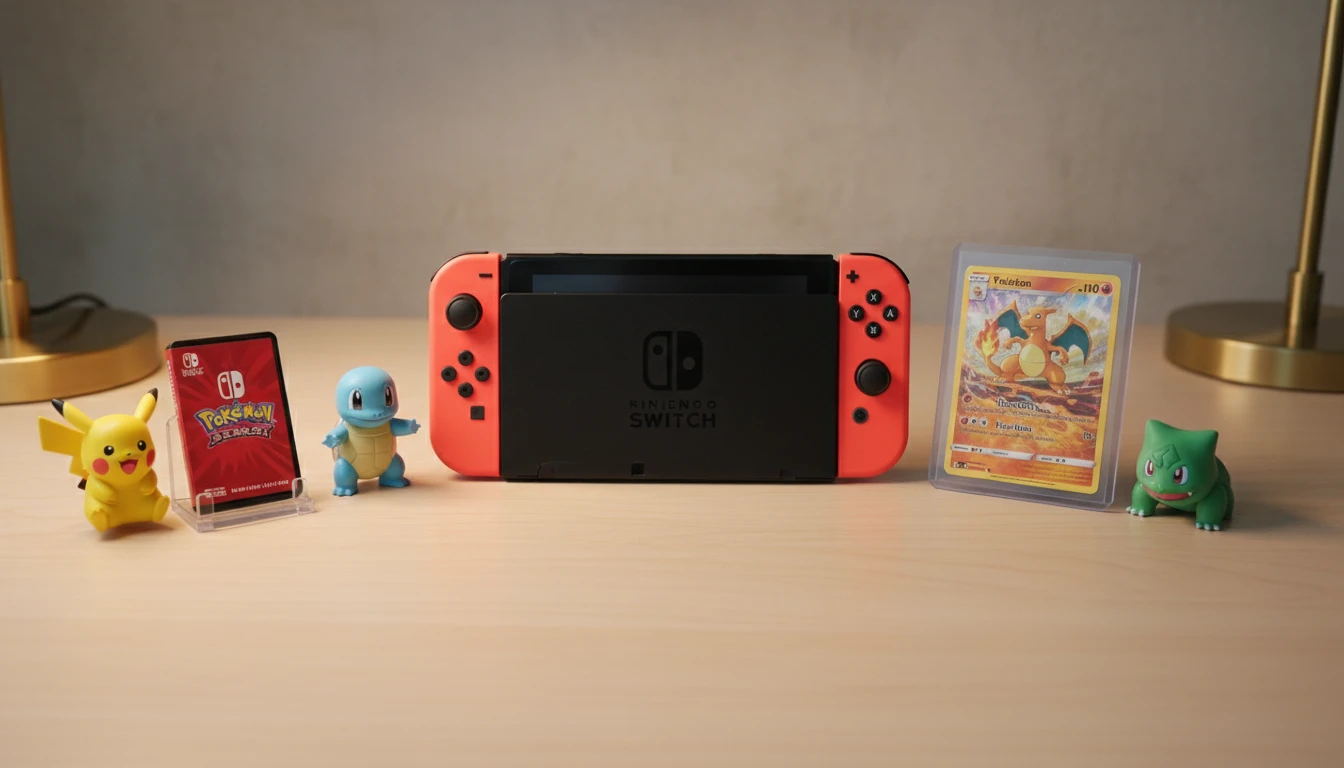
New Players and Casual Fans
Encountered an unfamiliar Pokemon in a game, anime episode, or friend's collection and want to know what it is? Upload any image and instantly get the name, Pokedex number, type, and a complete profile. The type matchup section tells you exactly what this Pokemon is strong and weak against in battle, making it immediately useful for in-game decisions without needing to memorise hundreds of Pokemon by sight.
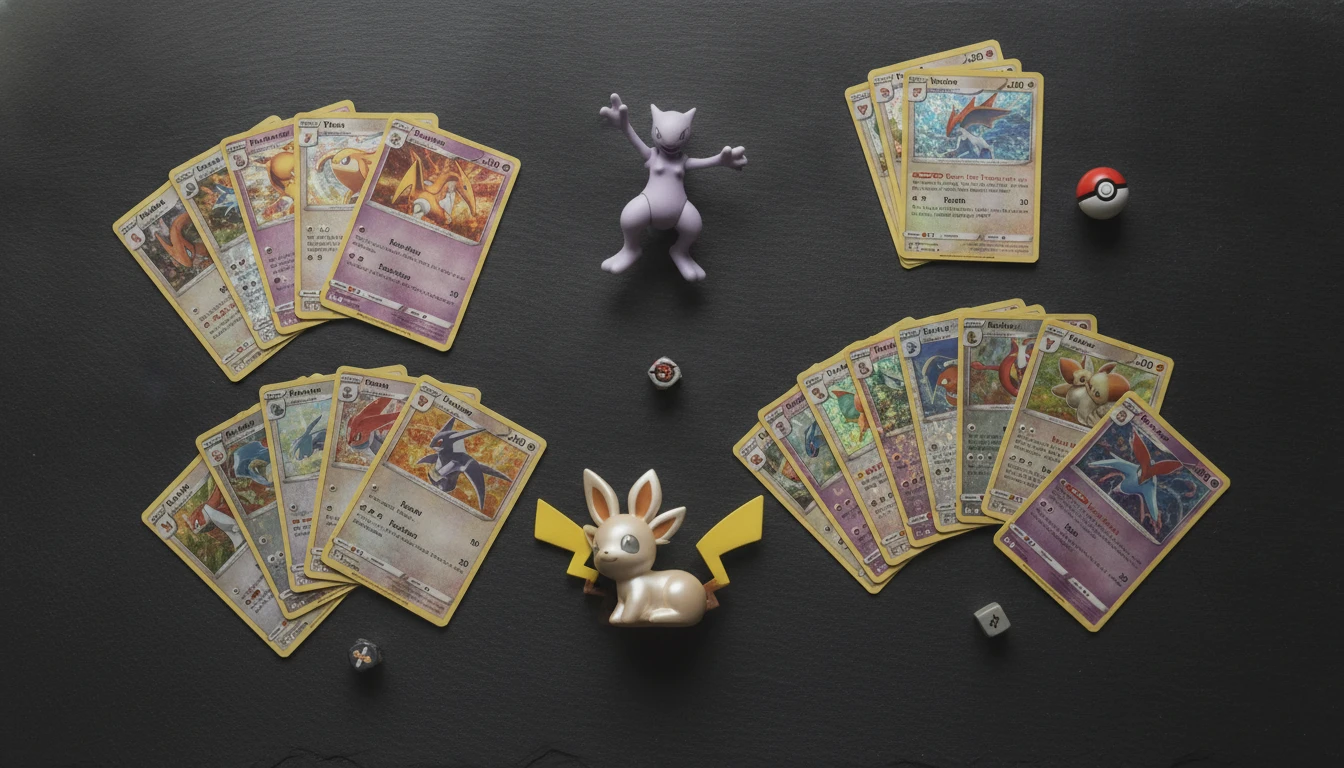
Collectors and Card Enthusiasts
Found a Pokemon card, figurine, or plush in a collection and want to confirm the species and get the full stats profile? Upload a photo and get a complete identification with Pokedex number, generation, form, and all base stats. Collectors use the results to catalogue finds, confirm variants and alternate forms, and quickly look up competitive viability and lore for any specimen in a collection.
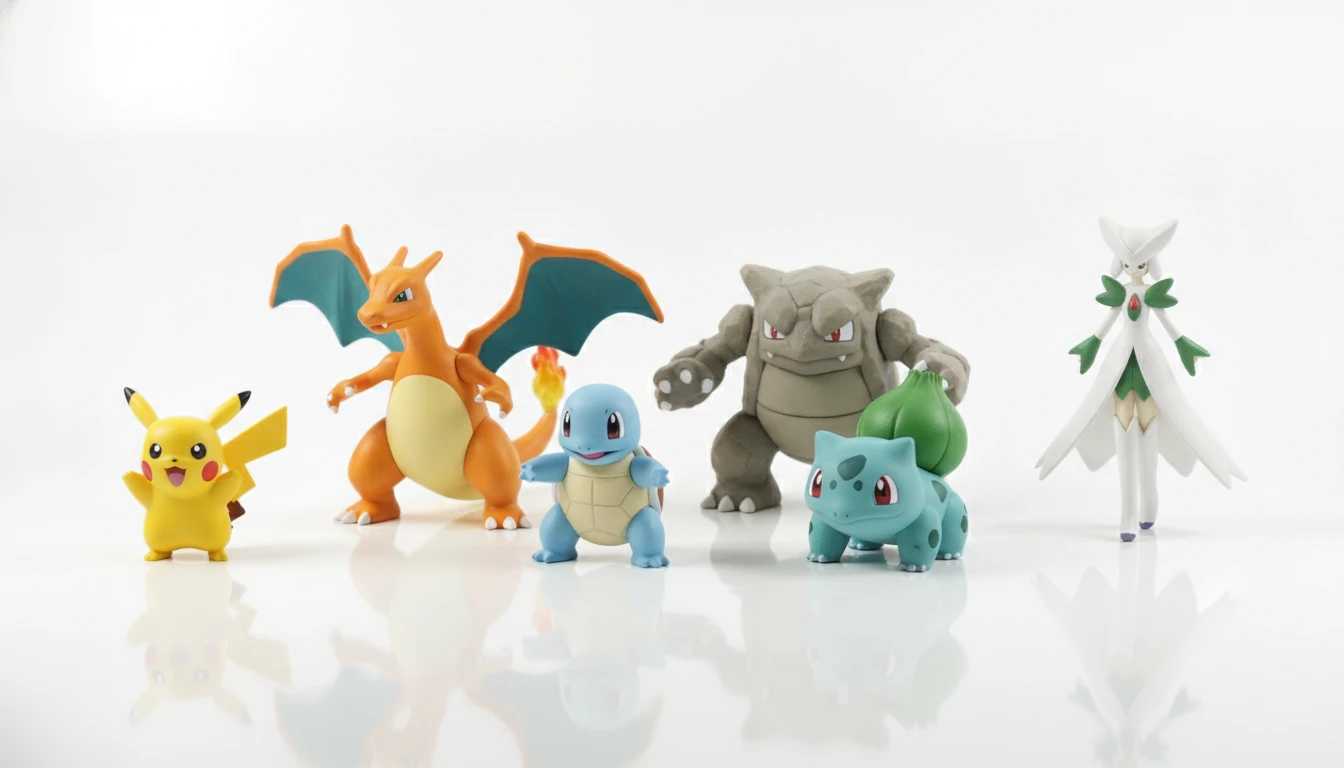
Competitive Players
Scouting an opponent's team or evaluating a new Pokemon for a competitive build? Upload any image and get the full competitive profile: Smogon tier, standard role (sweeper, wall, pivot, support), common battle sets with moves and held item, ideal partners, and reliable counters. Use the stat and type matchup sections alongside the competitive overview to make fast, informed team-building decisions.
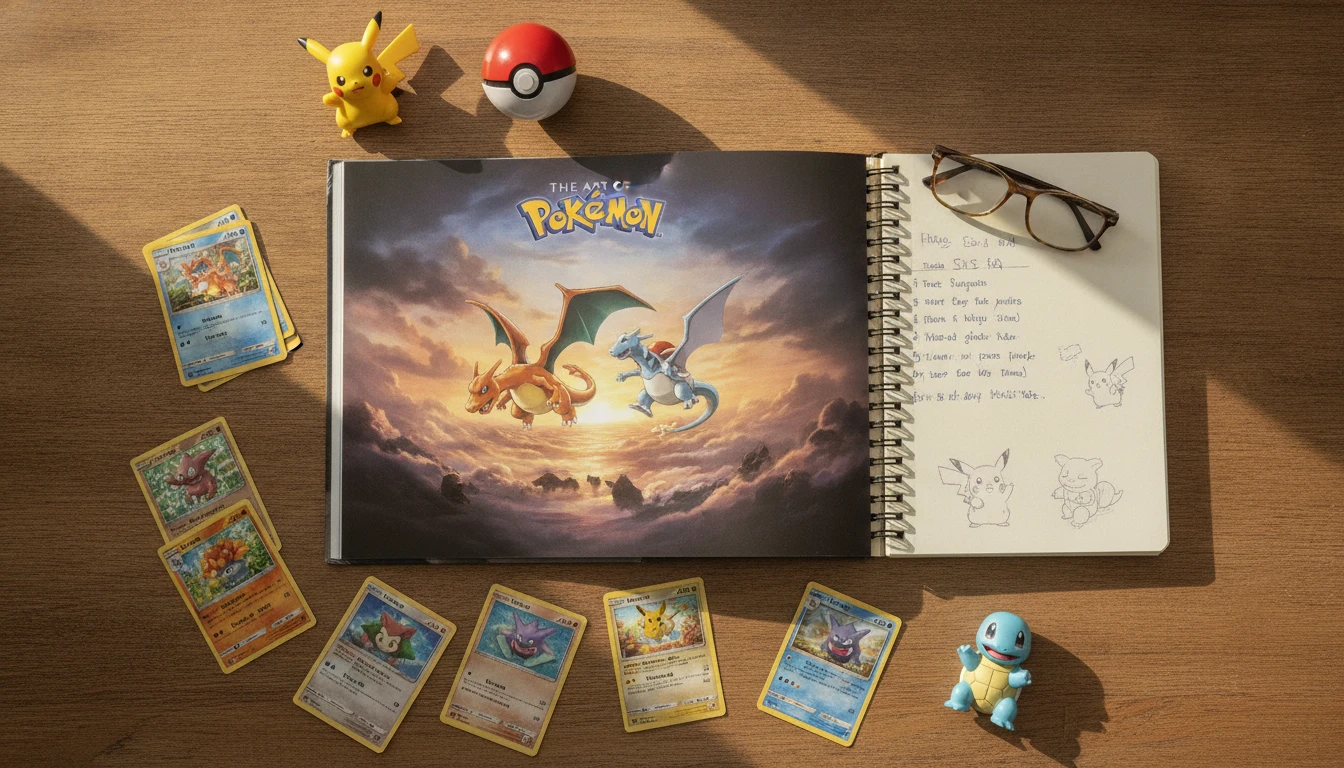
Pokemon Enthusiasts and Content Creators
Creating Pokemon content, building a Pokedex reference library, or looking up lore for a video or article? Upload any Pokemon image and get the full encyclopedic profile in seconds: physical description, Pokedex lore, real-world inspiration, name etymology, evolution details, and fascinating fun facts. Every result provides the structured, accurate information needed for guides, videos, social media posts, and fan content.
Deep Dive
The 18 Pokemon Types
Every Pokemon belongs to one or two of 18 types, and every battle is shaped by the type matchup system. Understanding the types and how they interact is the foundation of both casual and competitive Pokemon play, and every identification result includes the full type matchup breakdown for the identified Pokemon.
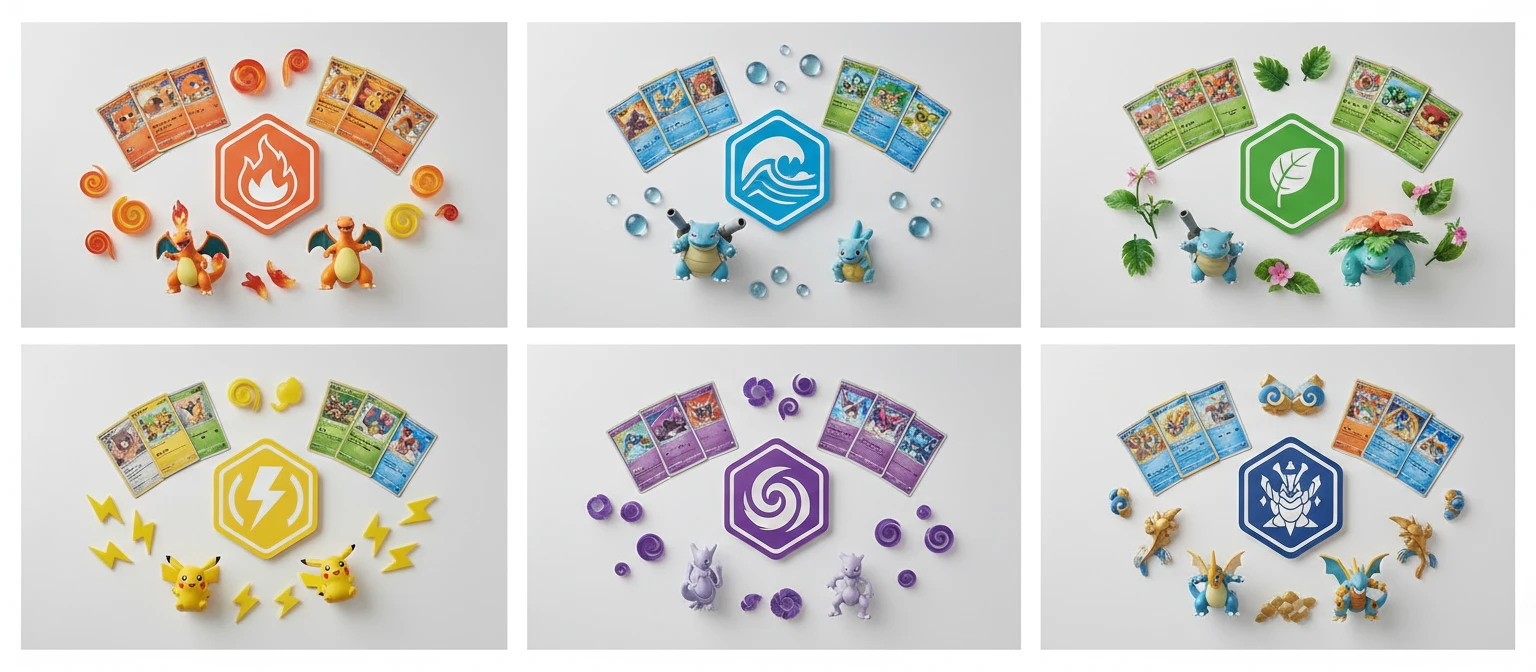
Note: dual-type Pokemon combine the strengths and weaknesses of both types, which can result in 4x weaknesses, double resistances, or cancelled-out weaknesses (e.g. Electric/Ground has an Electric immunity but gains a Water weakness). The full type matchup table for any identified Pokemon is included in every result.
Why Use It
All Generations and Forms
Identifies Pokemon from all nine generations, including regional variants, alternate forms, Mega Evolutions, Gigantamax forms, and Paradox Pokemon. Works with game art, anime screenshots, card illustrations, and figurine photos.
Complete Battle Profile
Get all six base stats with the total BST, full type matchup breakdown (strengths, weaknesses, immunities, resistances), and all standard and hidden abilities with clear explanations and recommendations.
Evolution and Learnset
Get the complete evolution chain with every evolution trigger, learnset highlights covering signature moves and key TM moves, and the competitive tier, role, common sets, ideal partners, and reliable counters.
Pokedex Lore and Fun Facts
Discover the Pokemon's natural habitat, diet, behaviour, a notable Pokedex entry, the real-world inspiration behind the design, the etymology of the name, and 4 to 6 fascinating fun facts.
Frequently Asked Questions
How does the AI Pokemon Identifier work?
You upload any image of a Pokemon and the AI analyses the visible physical features, colour pattern, body shape, and distinctive design elements to identify the species. Every result includes a confidence rating with a note on the specific visible features used, along with the complete Pokedex profile covering types, stats, abilities, evolution, competitive overview, and lore.
Does it cover all Pokemon generations?
Yes. The identifier covers all Pokemon from Generation I through Generation IX, including all Pokemon introduced in Scarlet and Violet and the DLC expansions. It also covers regional variants (Alolan, Galarian, Hisuian, Paldean forms), alternate forms, Mega Evolutions, Gigantamax forms, Paradox Pokemon, and Baby Pokemon.
What types of images work best?
Any clear image showing the full Pokemon gives the best results. Official artwork, in-game sprites and models, anime screenshots, trading card illustrations, and figurine photographs all work well. Fan art works too, though accuracy may be lower for highly stylised or abstract interpretations. Images where the Pokemon is partially obscured or shown from an unusual angle may produce a lower confidence rating.
Can it identify regional variants and alternate forms?
Yes. The result identifies not just the species but also the specific form where visible: Alolan Vulpix versus standard Vulpix, Hisuian Zorua versus Galarian Zorua, Mega Charizard X versus Mega Charizard Y, Gigantamax Pikachu versus standard Pikachu, and so on. When a specific form is identified, the stats, abilities, and type matchups provided are specific to that form.
Does it provide competitive battle information?
Yes. Every result includes a competitive overview section covering the Smogon competitive tier (Uber, OU, UU, RU, NU, or PU), the standard competitive role (sweeper, wall, pivot, support, etc.), one or two commonly used competitive sets with key moves and held item, ideal partner Pokemon, and reliable counters. This is useful for both casual team building and competitive preparation.
Can it identify Pokemon from fan art or unofficial images?
The identifier works with fan art, provided the Pokemon is drawn in a recognisable style that preserves the key visual features of the species. Highly stylised or abstract fan art may produce a lower confidence rating. The tool will note when identification confidence is reduced and explain which features it was able to use.
Does it work for Pokemon merchandise like cards and figurines?
Yes. Photographs of trading cards, figurines, plush toys, and other merchandise work well. For cards, a clear photo of the card art gives the best result. For figurines and plush, a well-lit photo showing the full figure from the front is ideal.
Identify Any Pokemon Instantly
Sign up free and get 100 credits instantly. Upload any Pokemon image and get the complete Pokedex profile in seconds.
Disclaimer: This tool uses generative AI technology which may produce content that resembles copyrighted materials or that is inaccurate, incomplete, or out-of-date. It is provided for general information and educational purposes only and is not intended for illegal activities or to replace professional advice, diagnosis, or treatment. Users are solely responsible for how they use the generated content. If you plan to use AI-generated content commercially or publicly, we strongly recommend reviewing it for potential copyright issues and obtaining proper permissions where necessary. We accept no liability for copyright infringement or any other consequences resulting from the use of content generated by this tool.